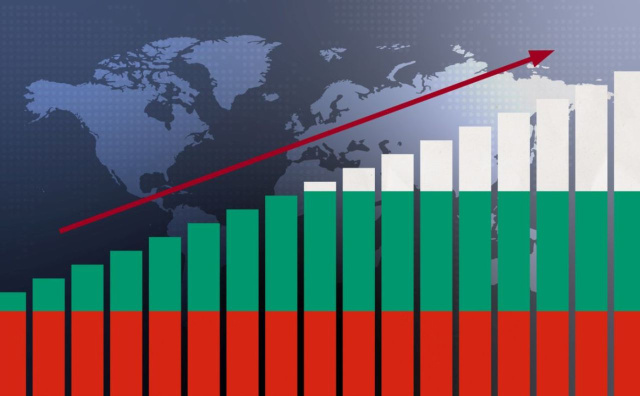
Bulgaria’s gross domestic product (GDP) increased by 2.8% in the second quarter of 2026 compared with the same period a year earlier, while quarterly growth reached 0.7%, according to preliminary data from the National Statistical Institute (NSI).
Final consumption represented 79% of GDP during the April-June period. At the same time, imports of goods and services were higher than exports, indicating that foreign trade continued to weigh on the overall economic balance.
GDP per person employed increased by 3.1% in real terms compared with the second quarter of 2025, the NSI data showed. A total of 3.662 million people were employed across the Bulgarian economy during the period, working a combined 1.428 billion hours.
On average, GDP amounted to €8,272.60 for each person employed in the second quarter. The figure translated into €21.20 per hour worked.
The latest figures point to continued economic growth in Bulgaria during the second quarter, with output per worker also registering a stronger increase compared with a year earlier.