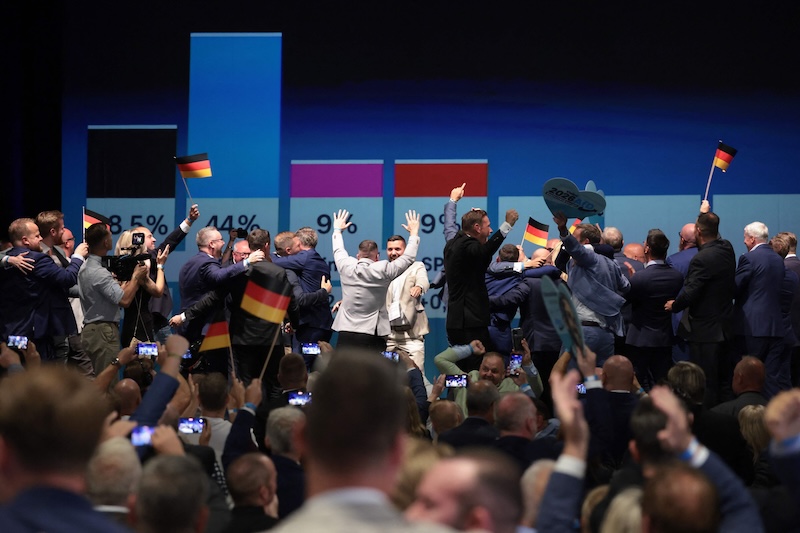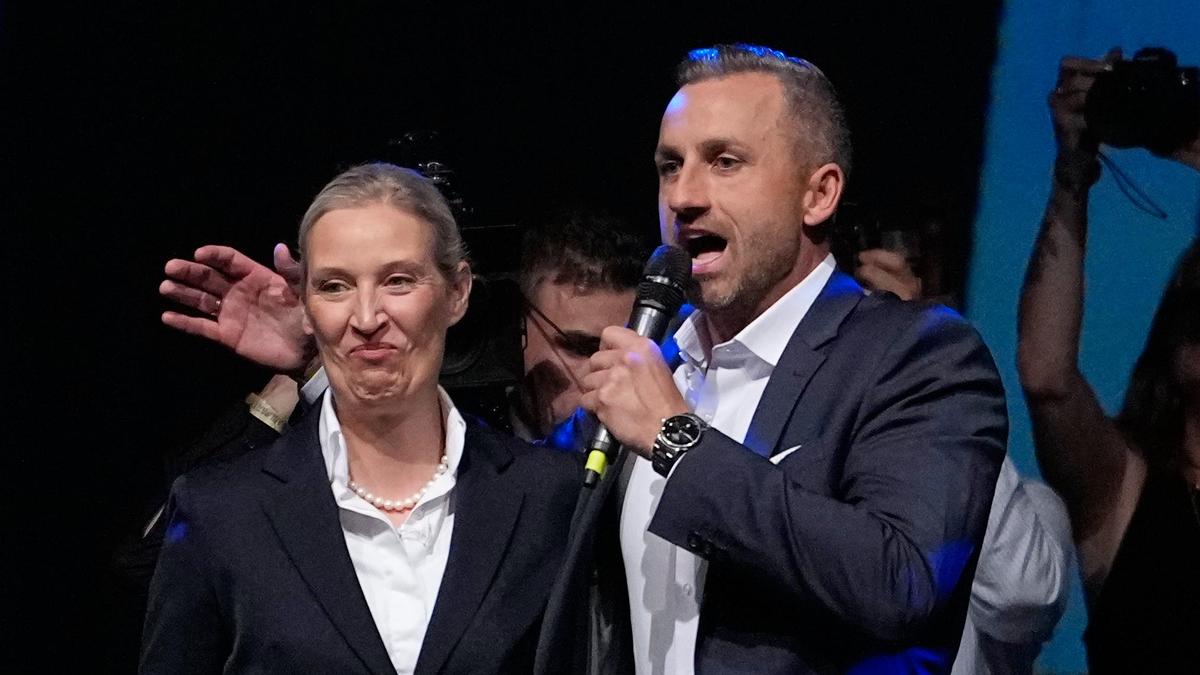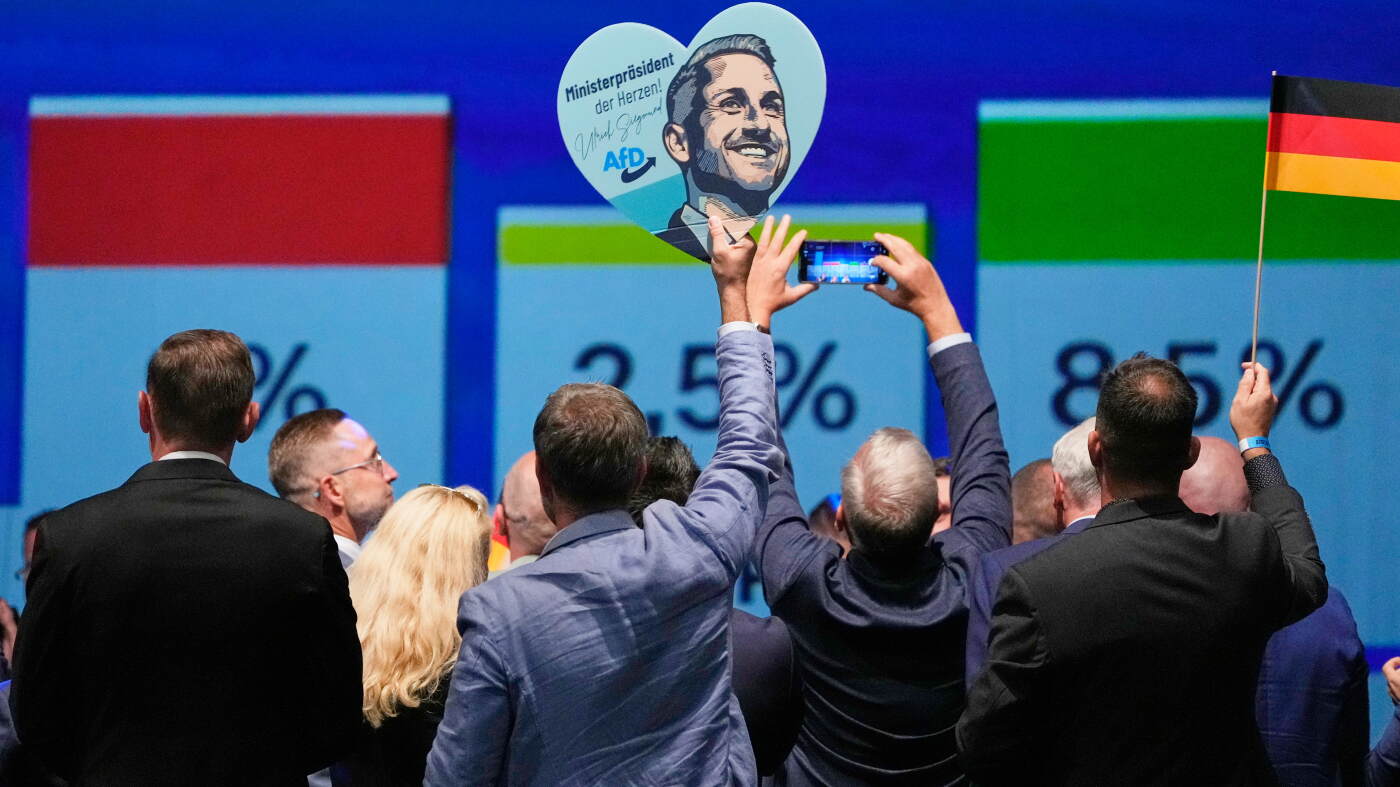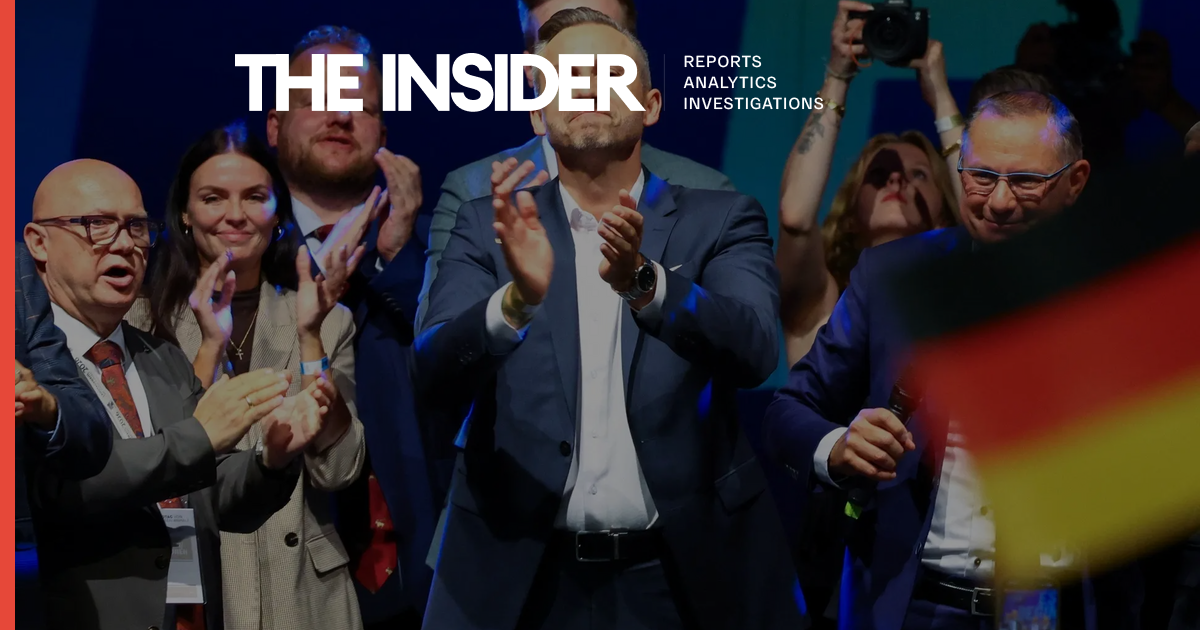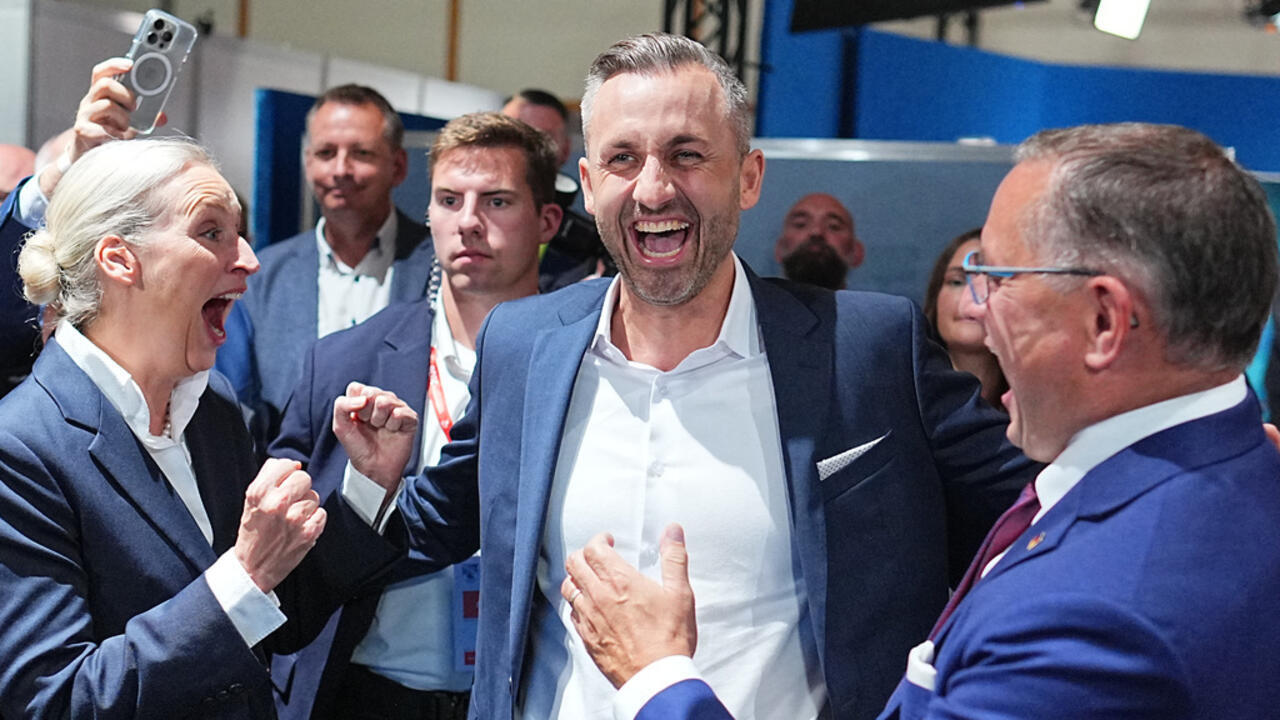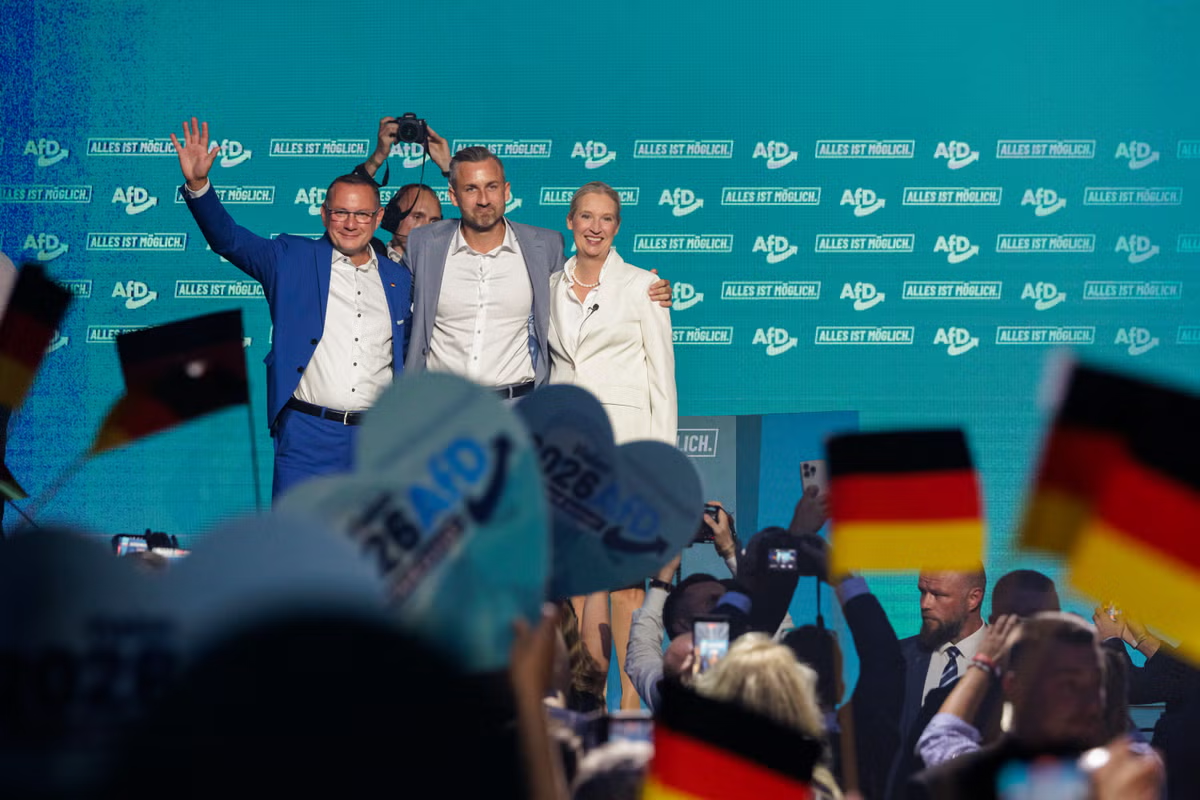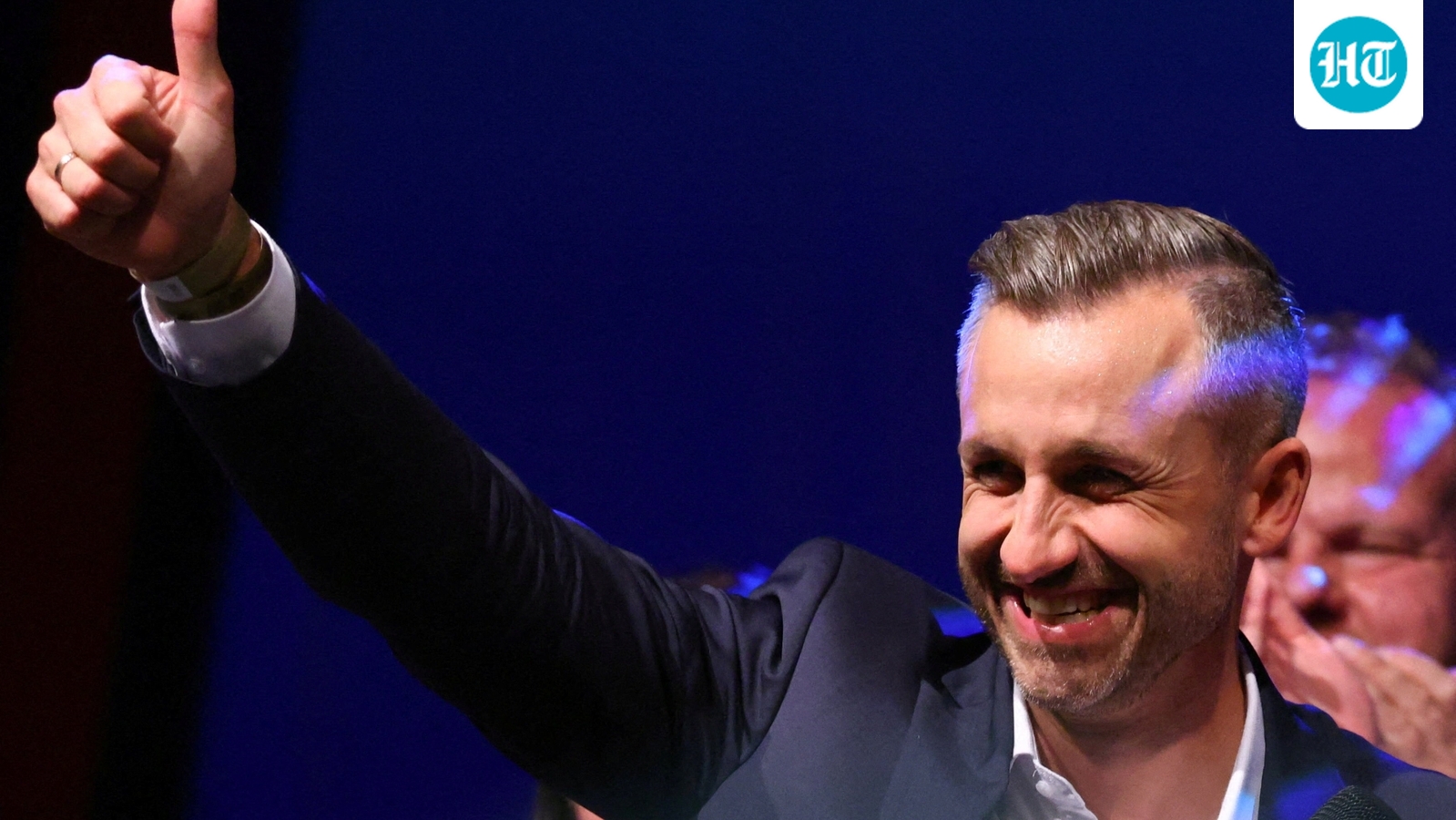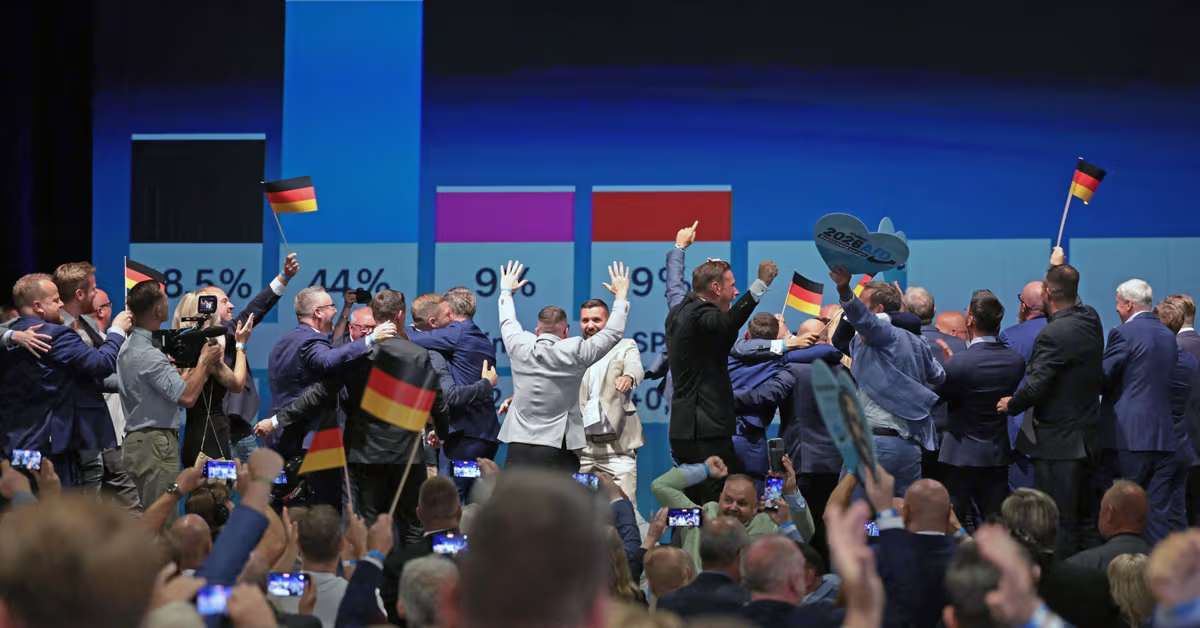
The far-right Alternative for Germany (AfD) won a regional election on Sunday night, polling well ahead of more mainstream rivals.Members and supporters of the far-right Alternative for Germany (AfD) party react after the first exit poll results were announced on public television at the AfD's election party following Saxony-Anhalt's state elections. Image: Ronny Hartmann / AFPYle News8.9. 12:43The far-right Alternative for Germany's (AfD's) election win in the eastern state of Saxony-Anhalt has not come as a surprise to Germans living in Finland.The AfD garnered 43.8 percent of the vote, well ahead of its nearest rival, the conservative Christian Democratic Union (CDU), which came in distant second on 17.2 percent.Robert Stark, who holds dual Finnish-German citizenship but has lived in the Helsinki region for nine years, told Yle that the AfD's rise in popularity has been evident for a decade."For the past 10 years, the AfD has been the only party that has been setting up bouncy castles at family celebrations. It has been the only party that has been present and talked with people," Stark said.He added that there should be more awareness in Finland about the fact that AfD is a pro-Russian party that opposes the EU placing sanctions on Russia."They don't even talk about war, but about a special military operation."Robert Stark has lived in Helsinki for nine years. Image: Mikko Ahmajärvi / YleIn his view, many Germans want to see the return of more traditional values in the country, to a time before so-called woke culture. Russian President Vladimir Putin's rhetoric about the ills of Western society therefore appeals to them, he noted."This is a bit like the 1920s and 30s, but even more extreme, when the world's richest person supports Germany's far-right party," Stark said, referring to the period when Germany transitioned from a fragile democracy into a totalitarian Nazi dictatorship.AfD appeal to people's dissatisfactionPastor Hans-Christian Daniel, a resident of Espoo, moved to Finland over 50 years ago but told Yle that he still follows his native country's politics closely.He believes the AfD's success is down to the fact that the party knows how to appeal to people's dissatisfaction with emotions instead of facts — whether the topic is the price of gasoline or unemployment figures."The success in the elections was due to AfD saying it is an alternative for Germany, but they don't show what that alternative actually would be," he said.Hans-Christian Daniel. Image: Mikko Ahmajärvi / YleDaniel is especially concerned about the AfD's immigration policies and rhetoric, which he believes are reminiscent of the views espoused by Adolf Hitler and the Nazi Party about Jewish people during the 1920s and 1930s."Back then they said "Kauft nicht bei Juden," meaning don't buy from Jews. AfD's message about immigrants is very similar," Daniel said.AfD's victory is very significant, as a far-right party has not governed a German state since the end of World War II. The party however fell short of an outright majority, meaning it will need to form alliances with other parties or individuals in order to take power in the eastern state.
Germans in Finland express concern following far-right AfD's state election win
The far-right Alternative for Germany (AfD) won a regional election on Sunday night, polling well ahead of more mainstream rivals.
509 words~2 min read