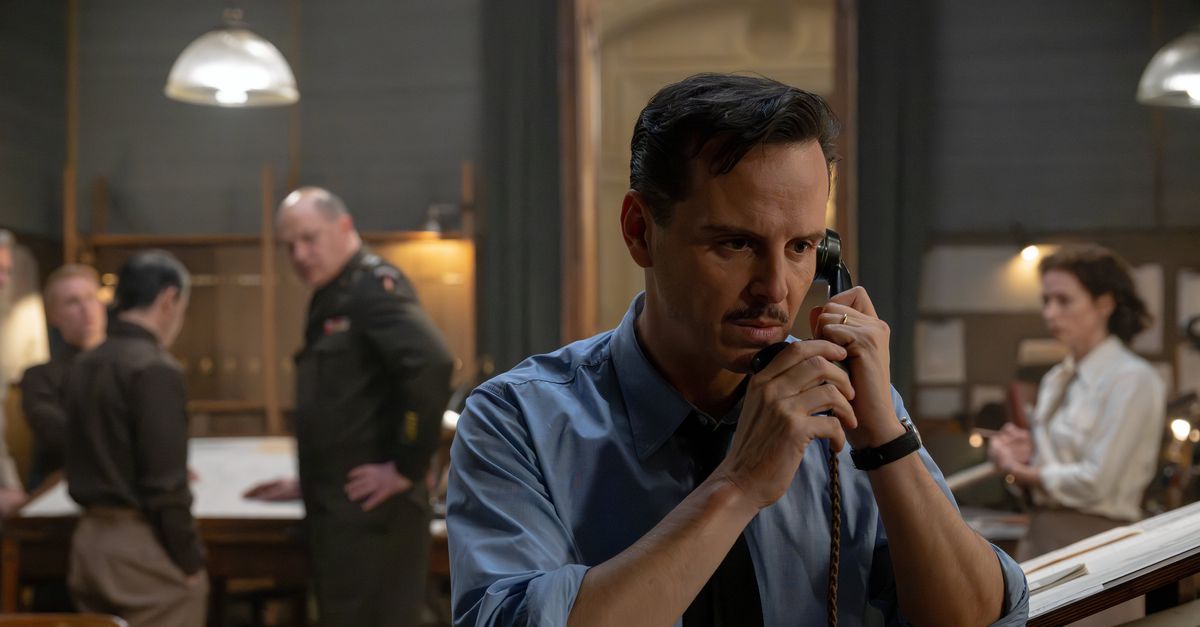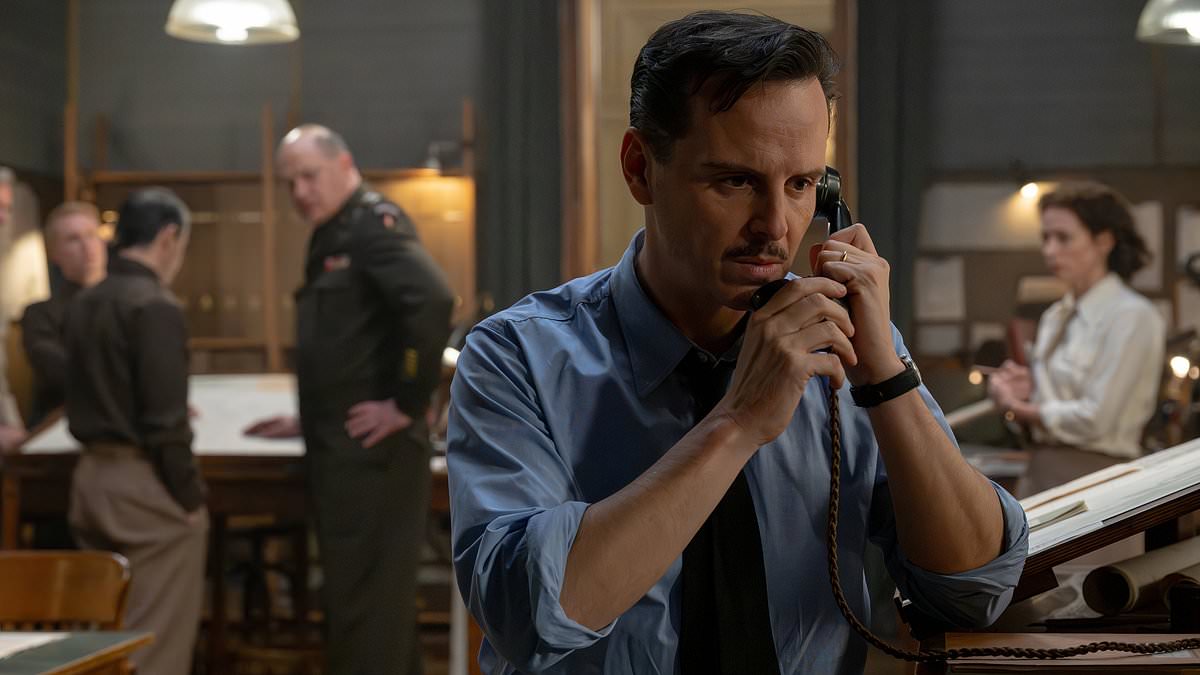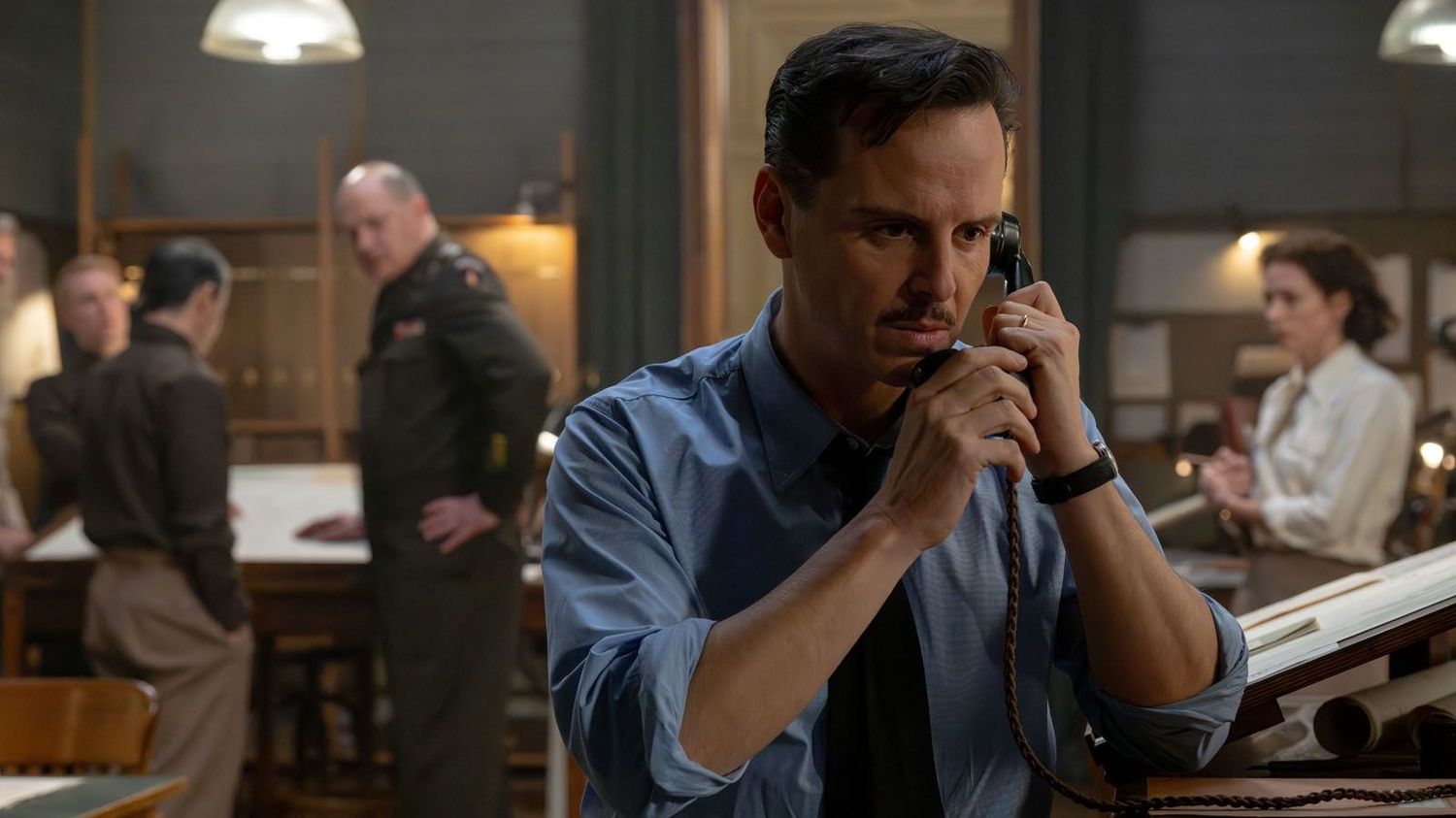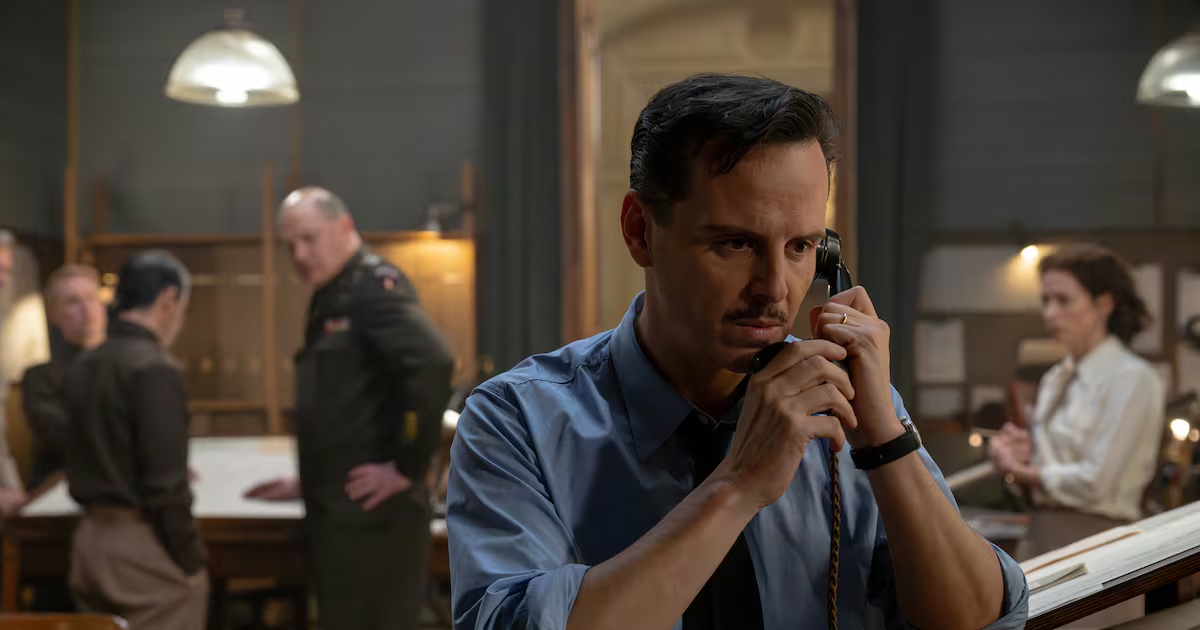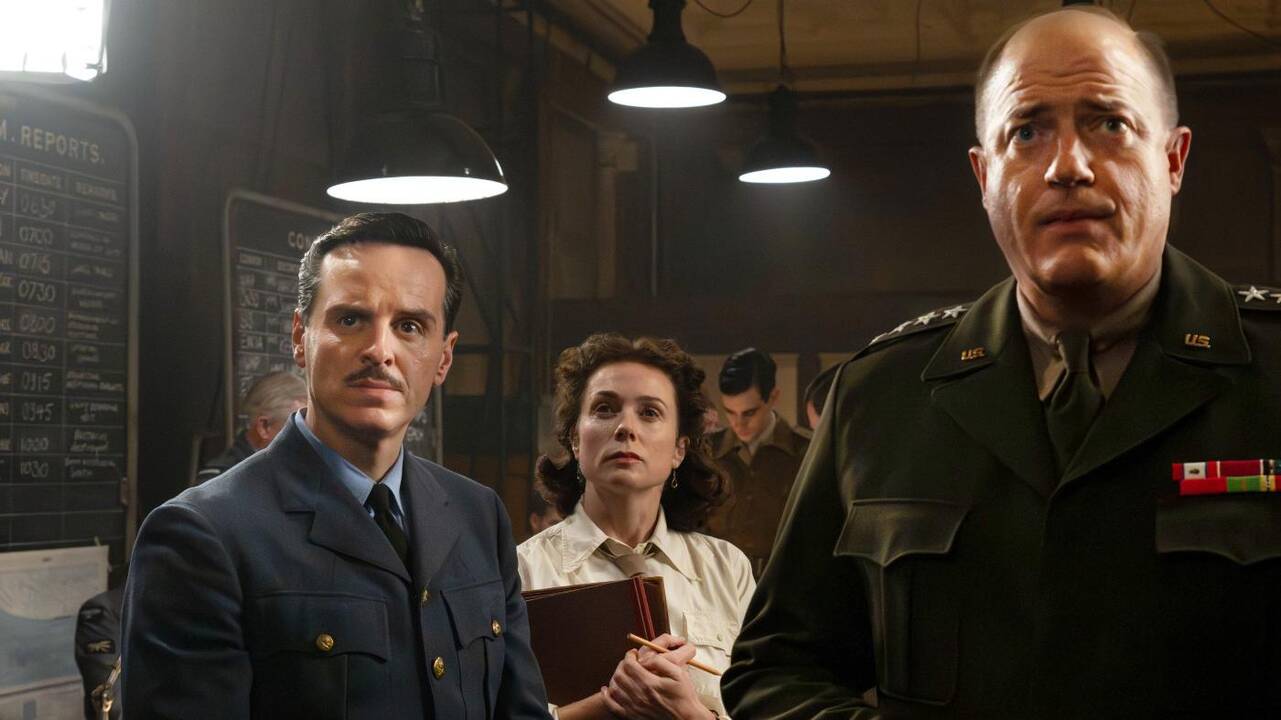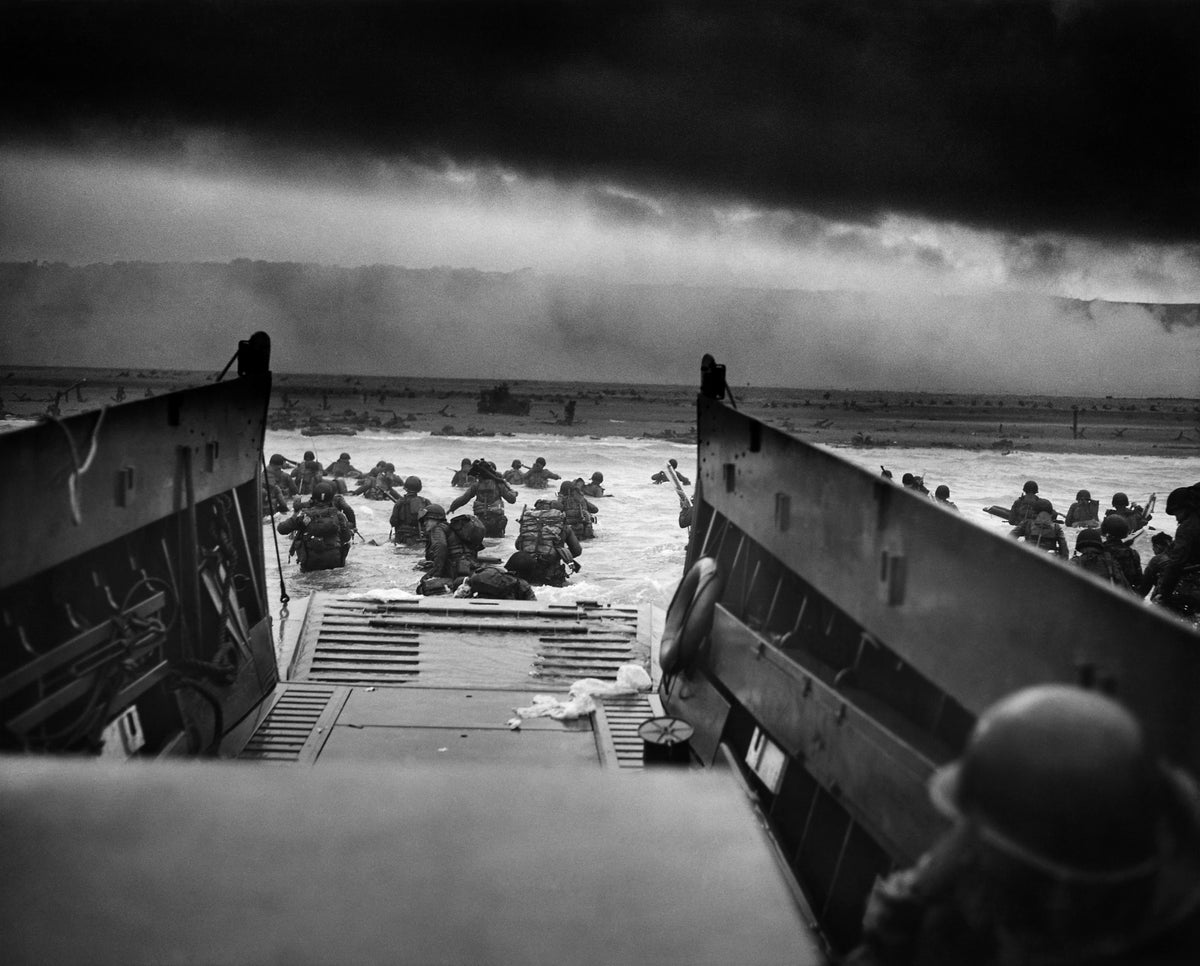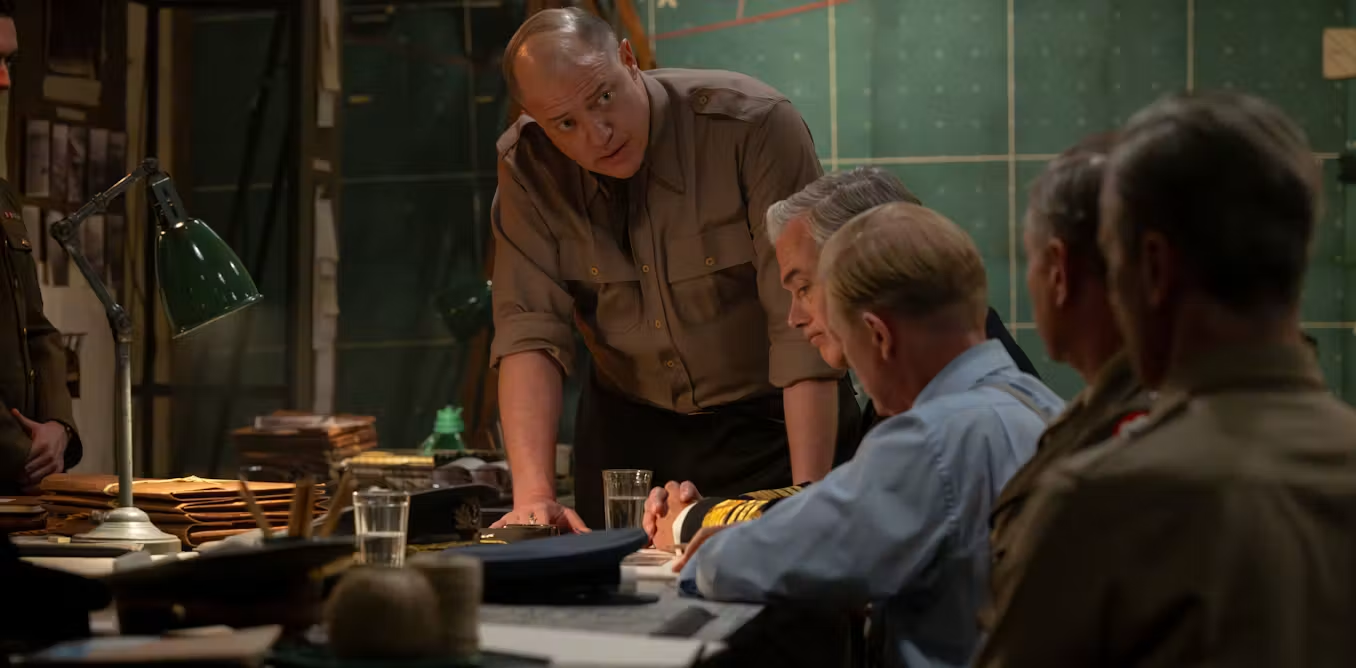
Meteorologist James Stagg gave what many regard as the most important weather forecast in history in June 1944. The fate of more than 150,000 allied troops preparing to invade the Normandy beaches on D-day and the future of the war in Europe depended on Stagg and his forecast teams. Get the forecast wrong and an already perilous invasion might not succeed, prolonging the war. In the briefing room in Southwick House near Portsmouth, waiting for the forecast, sat General Dwight D. Eisenhower.
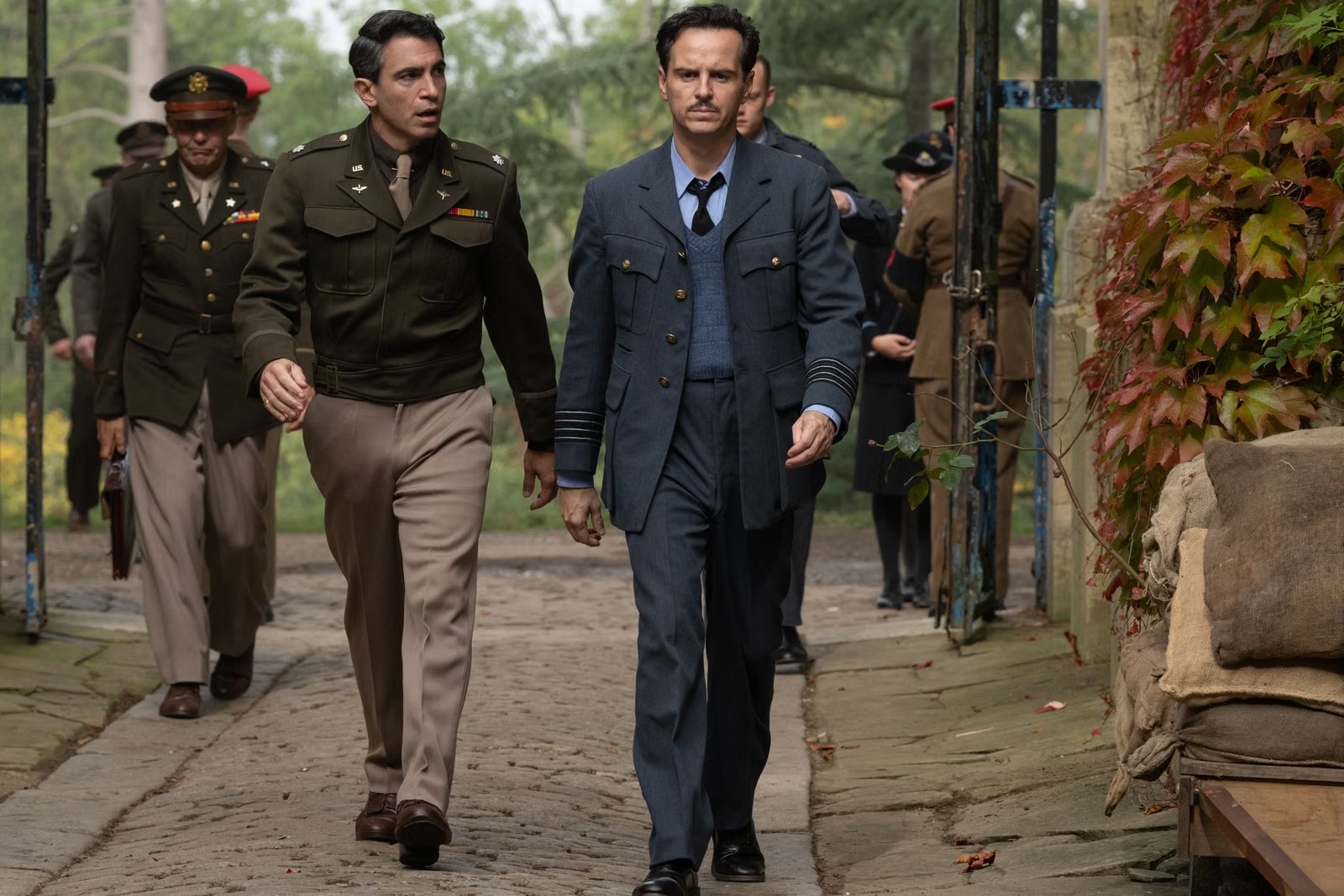
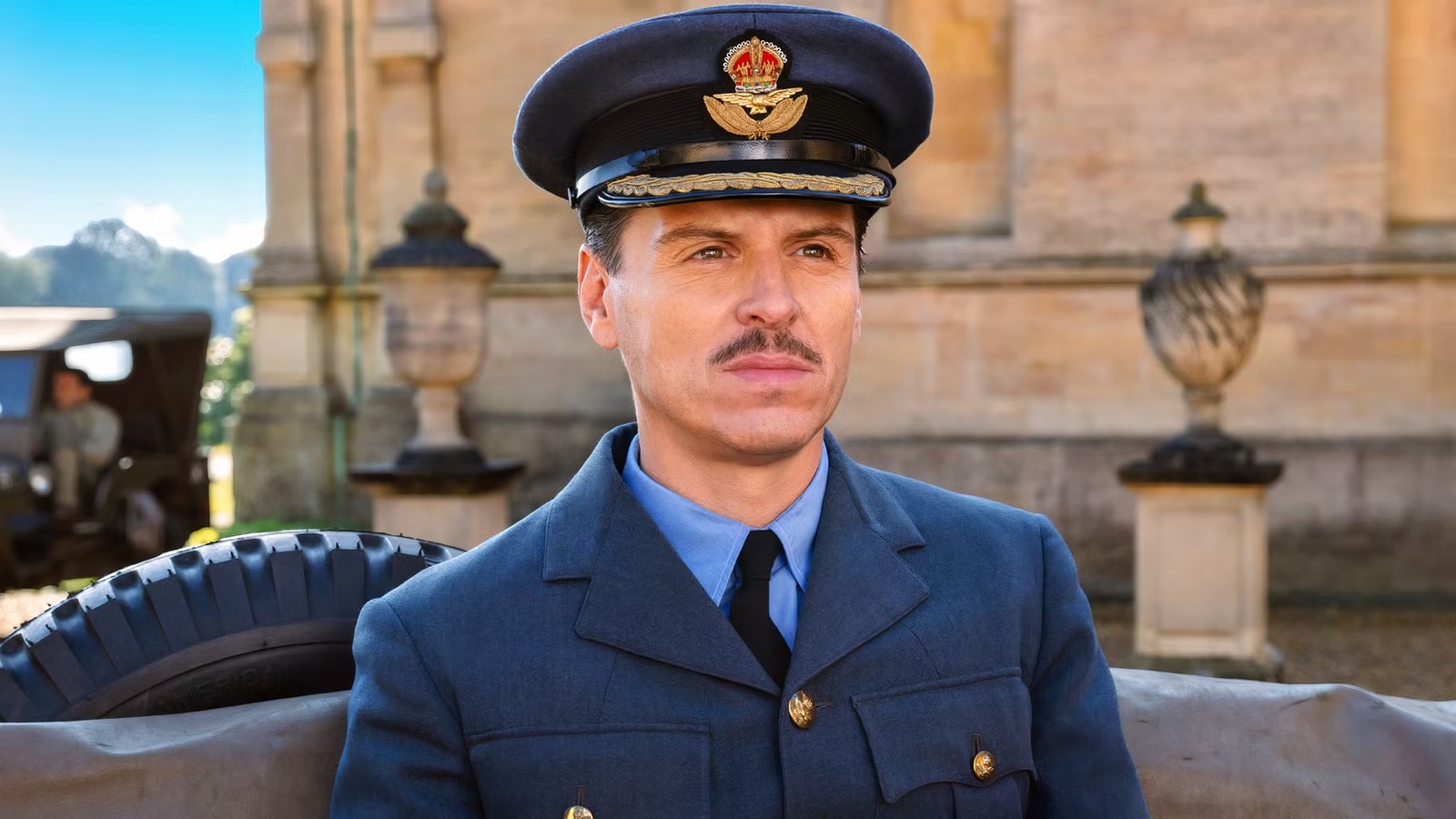
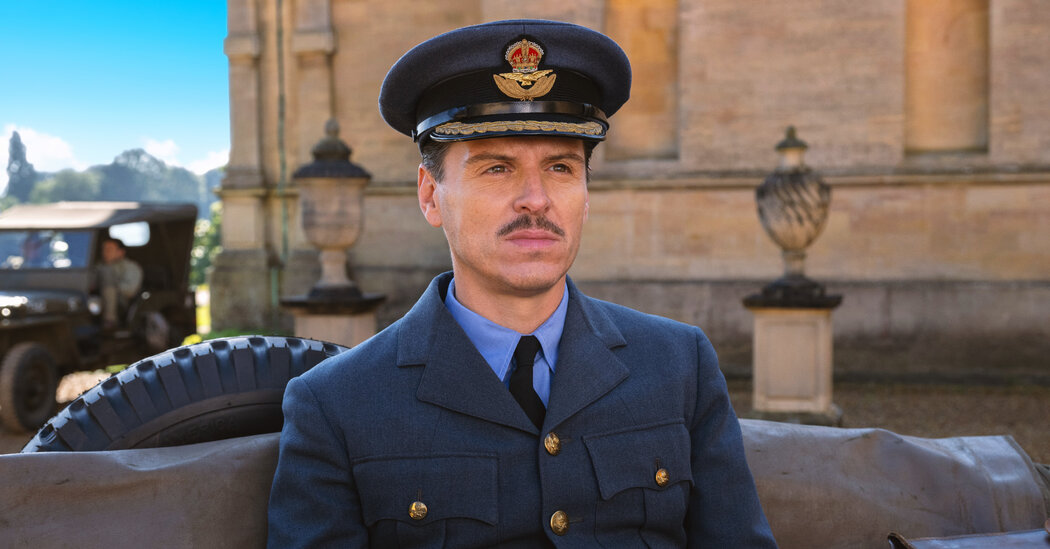
More than 80 years later, the new film Pressure renews interest in Stagg’s forecast. Seeing a meteorologist as the hero of a new wartime blockbuster is a bit of a thrill for anyone who spends their life studying weather and climate like we do. It also gives us a great opportunity to ask whether today’s modern forecasting systems would have got the D-day forecast right.
To explore this, our new research combined newly digitised historical weather observations, modern weather science and an AI forecasting system to recreate the forecasting challenge faced by Stagg and his teams.
The answer is surprisingly nuanced. Modern AI forecasts would probably have supported the decision to delay the invasion on June 5, but would also have underestimated the severity of conditions of June 6. Even with today’s forecasting technology, D-day would not have been an easy call.