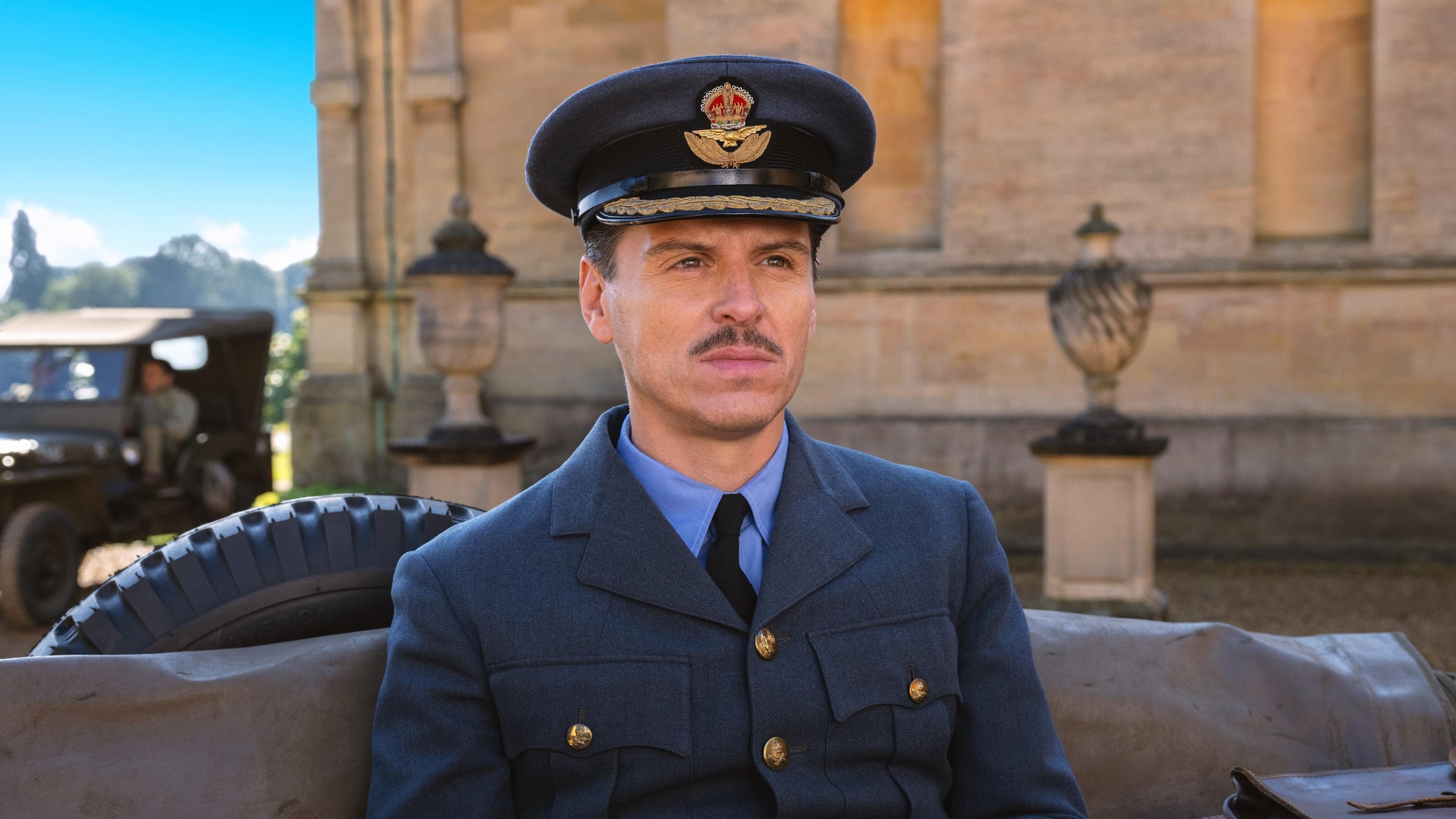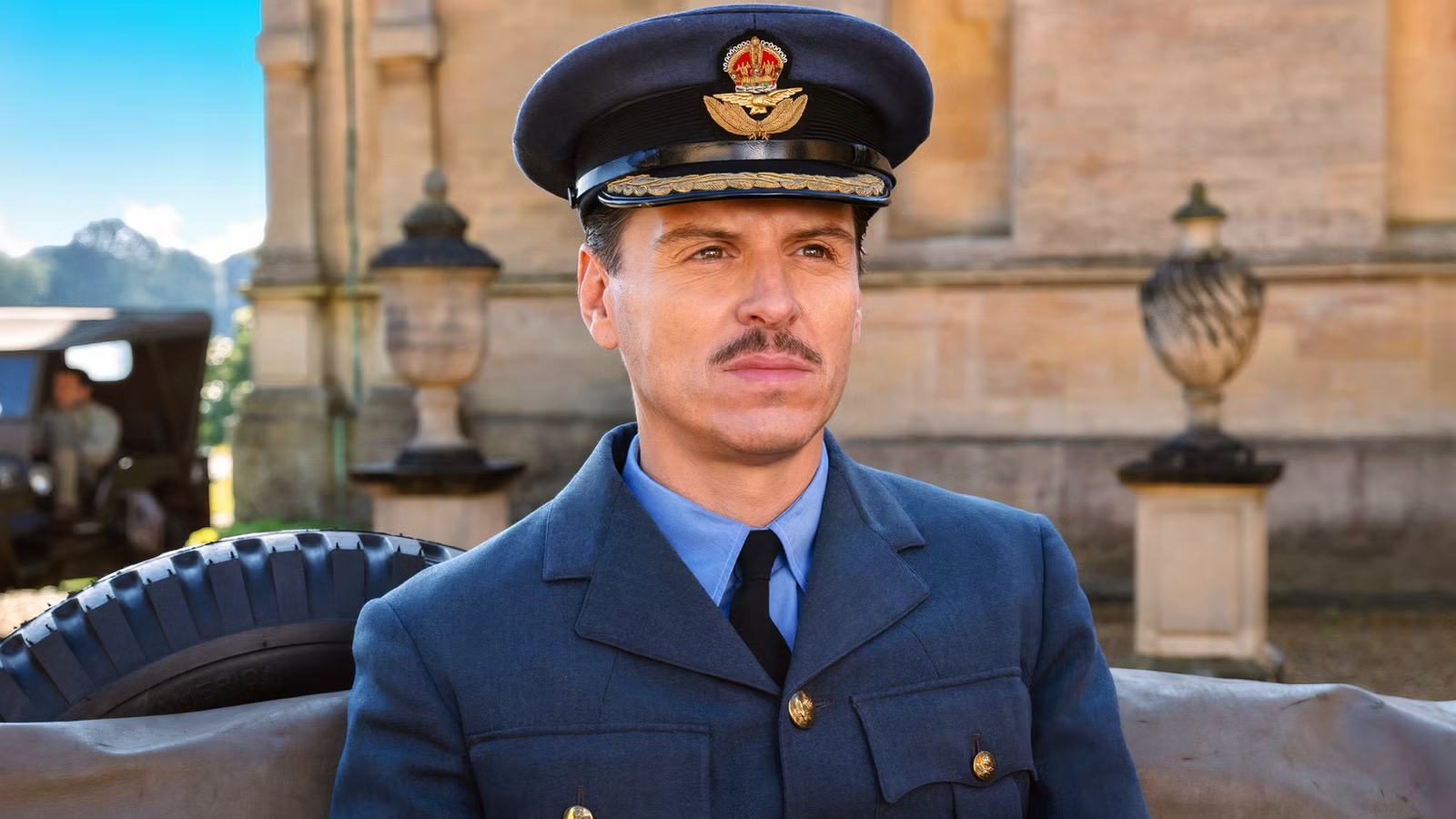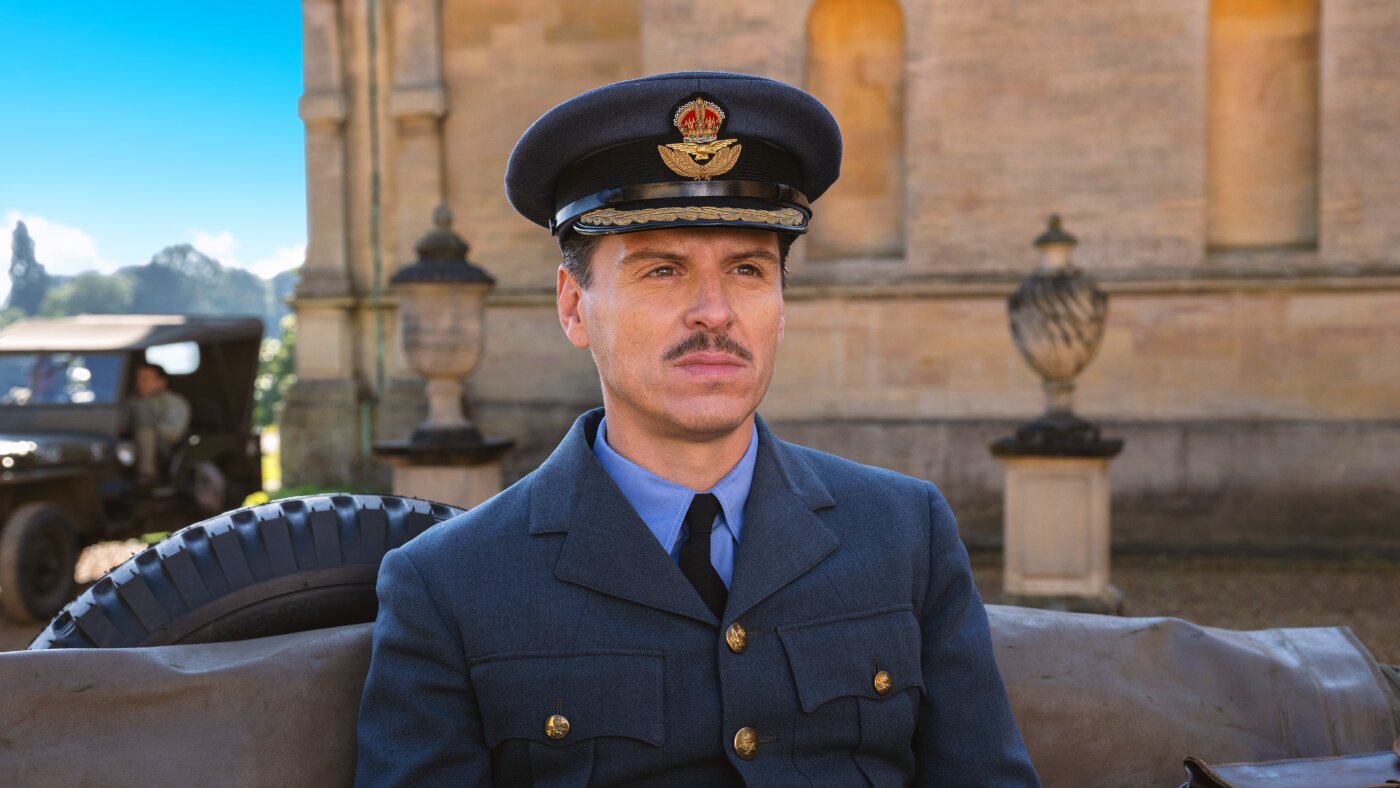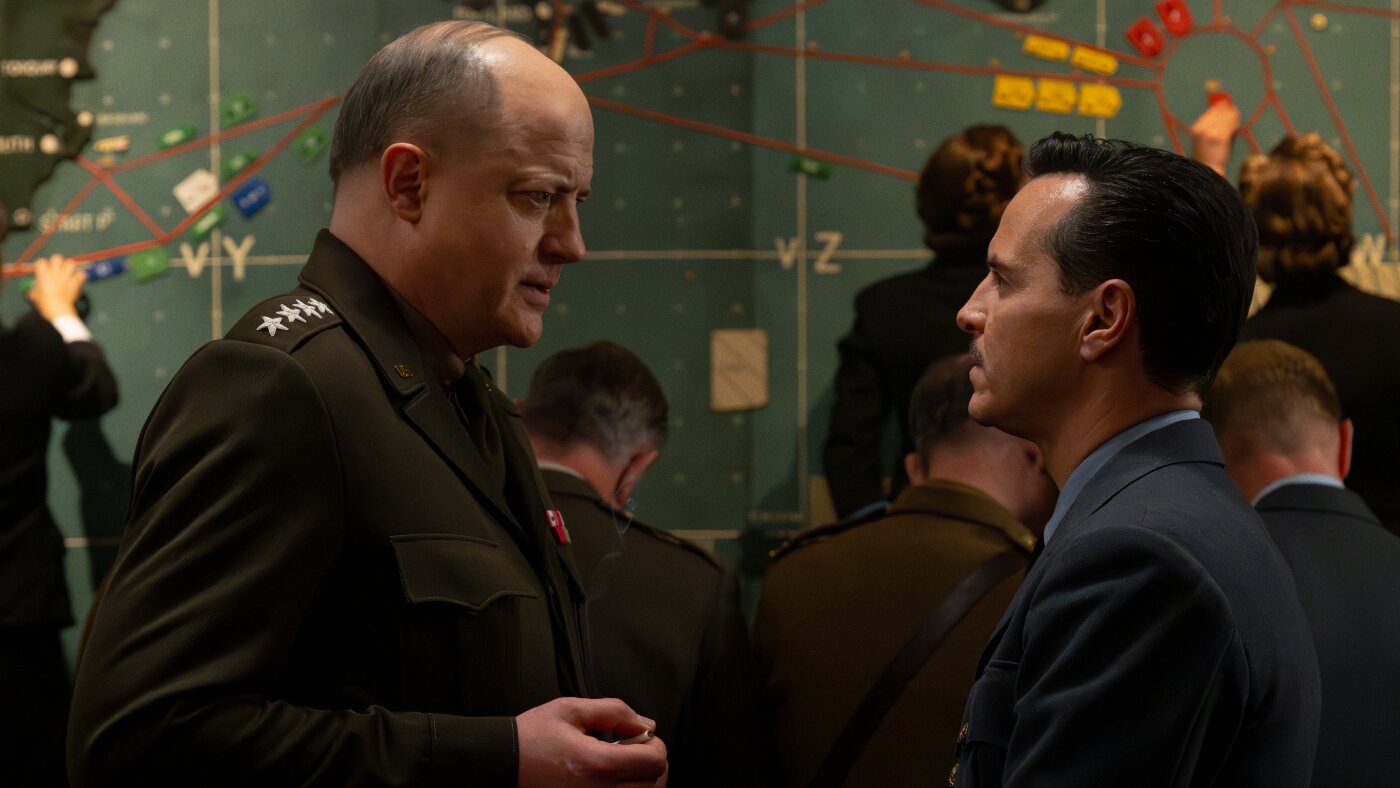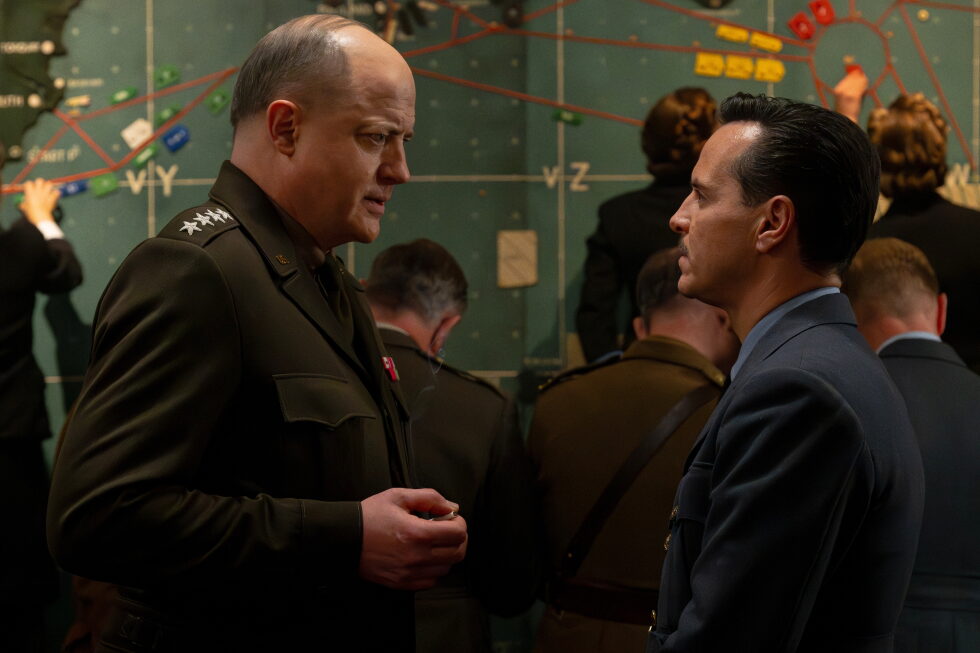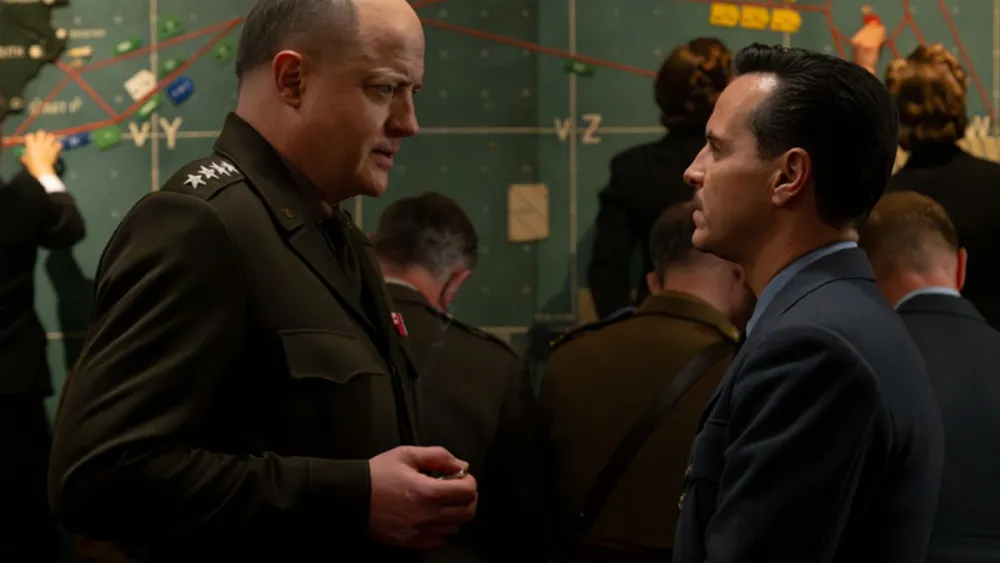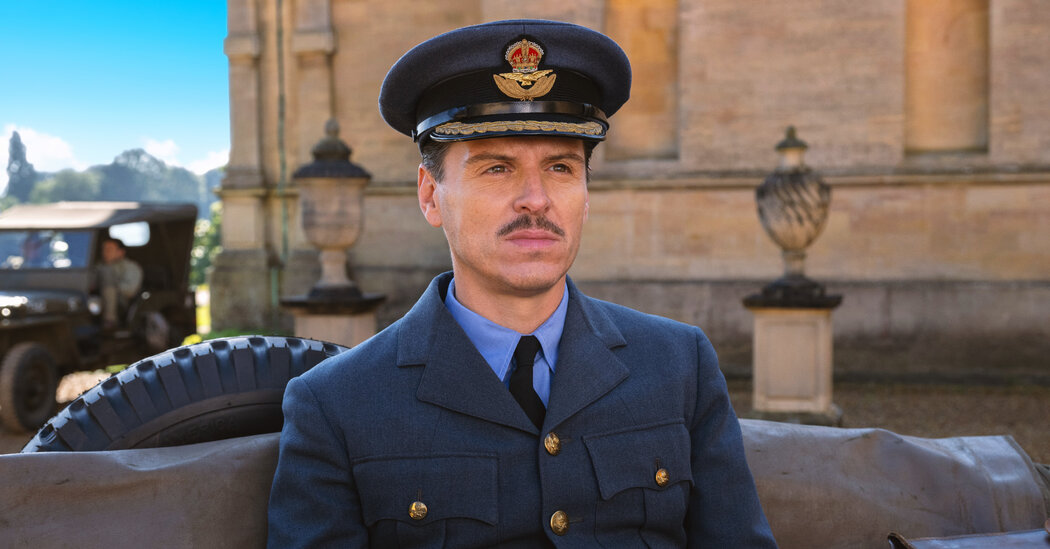
AdvertisementSKIP ADVERTISEMENTYou have a preview view of this article while we are checking your access. When we have confirmed access, the full article content will load.The Forecast That Saved the World, and the Movie That Tells the StoryThe new film “Pressure” tells the story of the fateful D-Day weather forecast. Here’s what it got right and wrong from the historical record.Listen · 7:26 min In the film “Pressure,” Andrew Scott plays James Stagg, a Scottish meteorologist whose job was to help forecast the weather ahead of the D-Day invasion. Credit...Alex Bailey/Focus FeaturesMay 28, 2026, 5:00 a.m. ET“Well, for a start, he is shorter than my father, considerably,” said Peter Stagg of the actor Andrew Scott, who portrays his father, Group Capt. James Stagg, in the new film “Pressure.”“He was 6-foot-4,” Mr. Stagg added. “Which, in those days, was very tall.”A whole 3.93 inches, or 10 centimeters, separates Scott from the elder Stagg. It’s a small and faintly amusing discrepancy, and one of the few liberties taken in a film that is otherwise strikingly committed to historical detail. Because beyond the question of height, “Pressure” is a careful retelling of one of the most pivotal weather forecasts in history.Set during the tense 72 hours leading up to D-Day, the film follows Stagg, the quietly burdened meteorologist tasked with advising Gen. Dwight D. Eisenhower on when the weather conditions would allow the Allied invasion of Nazi-occupied France to proceed.The criteria for such weather conditions were extraordinarily precise. The invasion needed to take place during a low tide, in order to expose German defenses, and it needed to be just one day before or up to four days after a full moon. It also had to align with a Soviet summer offensive from the east, to maximize pressure on German forces.There were other strict requirements:Before the landings, the weather needed to have been calm for 48 hours.Parachutists and other air support needed less than 30 percent cloud cover below 8,000 feet, with a cloud base no lower than 2,500 feet and visibility over three miles.For the three days after, the wind needed to stay below a moderate breeze, to keep the landing craft from capsizing while crossing the English Channel.Stagg was also responsible for producing a unified forecast based on input from three independent groups, two British and one American, who often clashed in both methodology and interpretation.In 1944, forecasting was an evolving science, and even Allied countries approached it differently. The American team, part of the newly formed U.S. Strategic Air Forces, employed analogue forecasting, comparing current conditions to historical weather patterns. The British teams, by contrast, relied on hand-drawn charts, observational data and newer understandings of upper-atmosphere patterns.Thank you for your patience while we verify access. If you are in Reader mode please exit and log into your Times account, or subscribe for all of The Times.Thank you for your patience while we verify access.Already a subscriber? Log in.Want all of The Times? Subscribe.AdvertisementSKIP ADVERTISEMENT
The Real Story Behind “Pressure,” the Film About the D-Day Weather Forecast
The new film “Pressure” tells the story of the fateful D-Day weather forecast. Here’s what it got right and wrong from the historical record.
494 words~2 min read