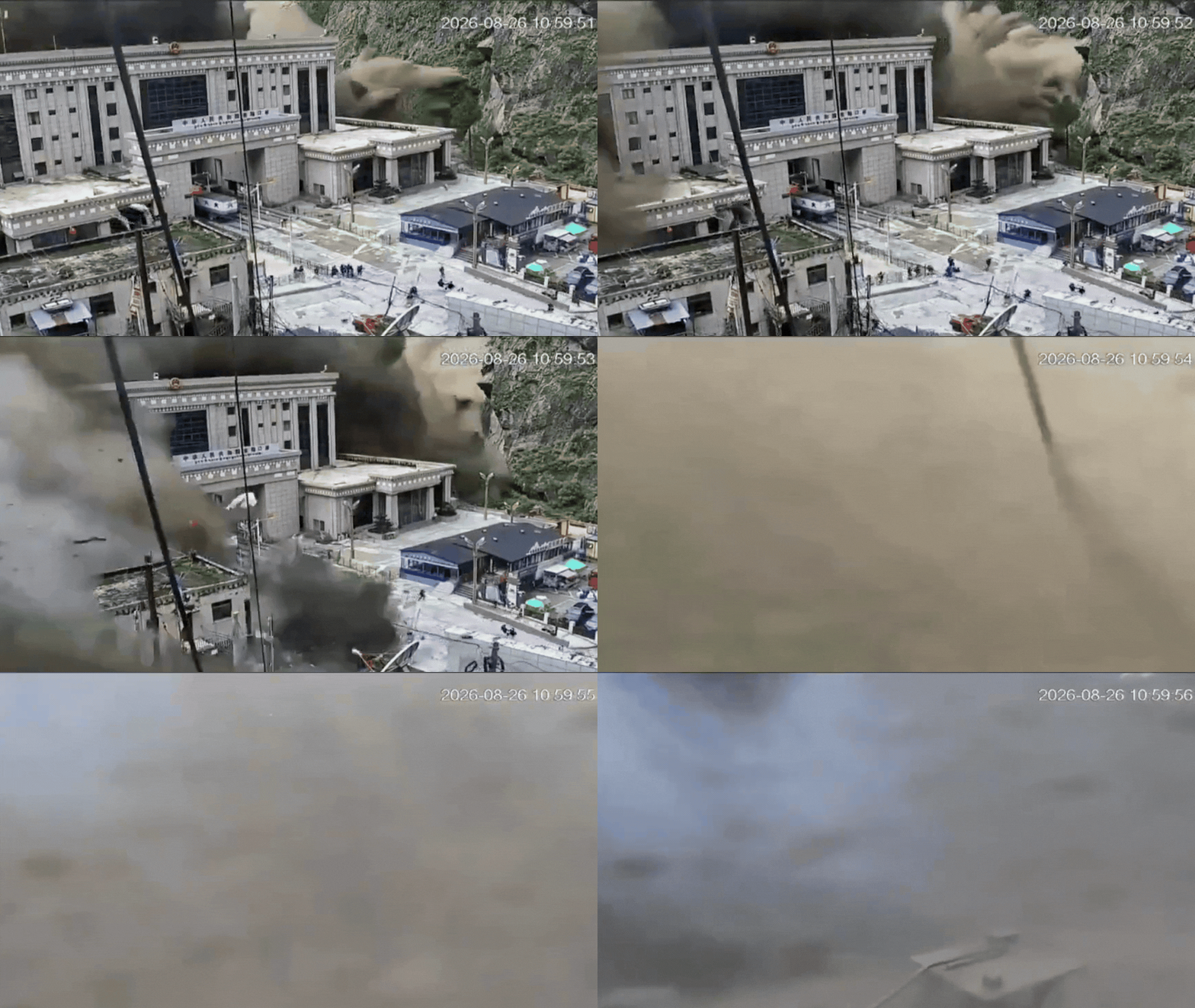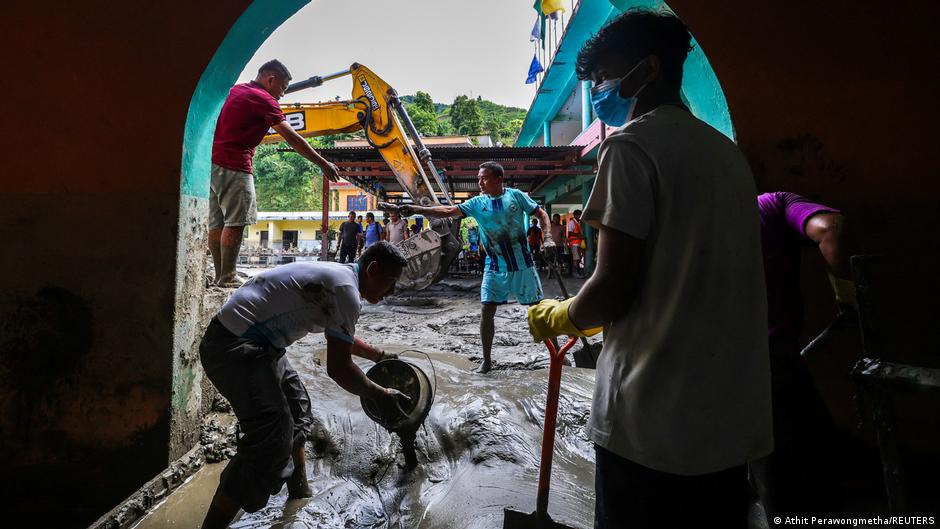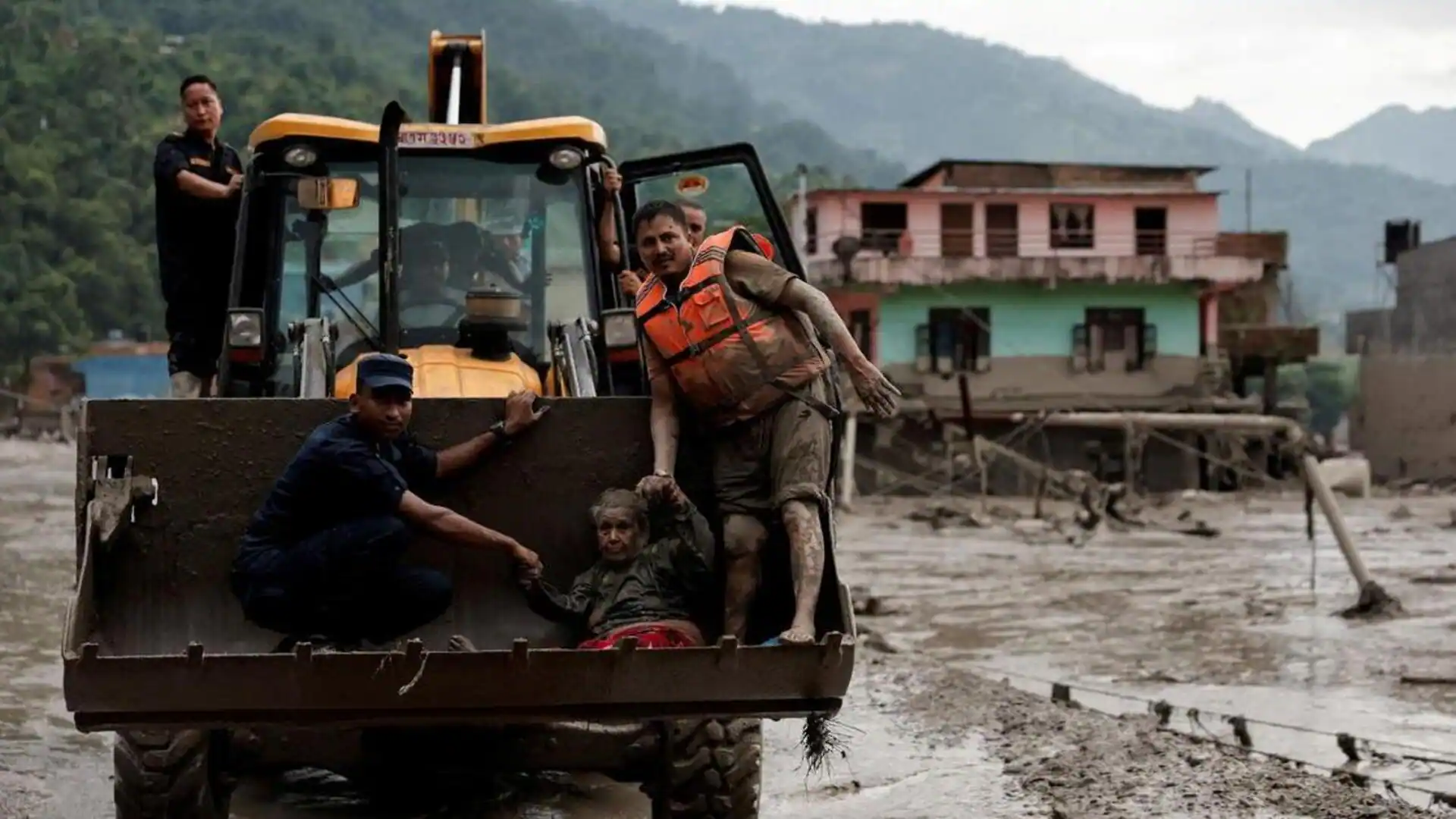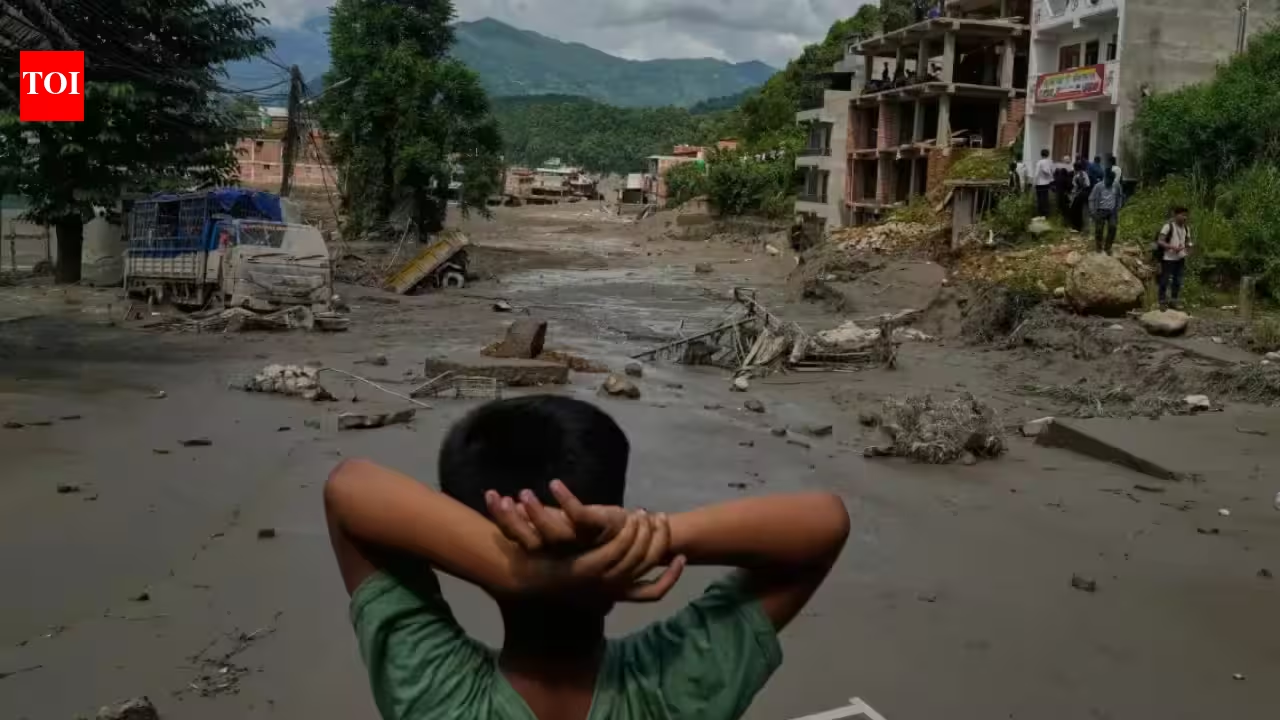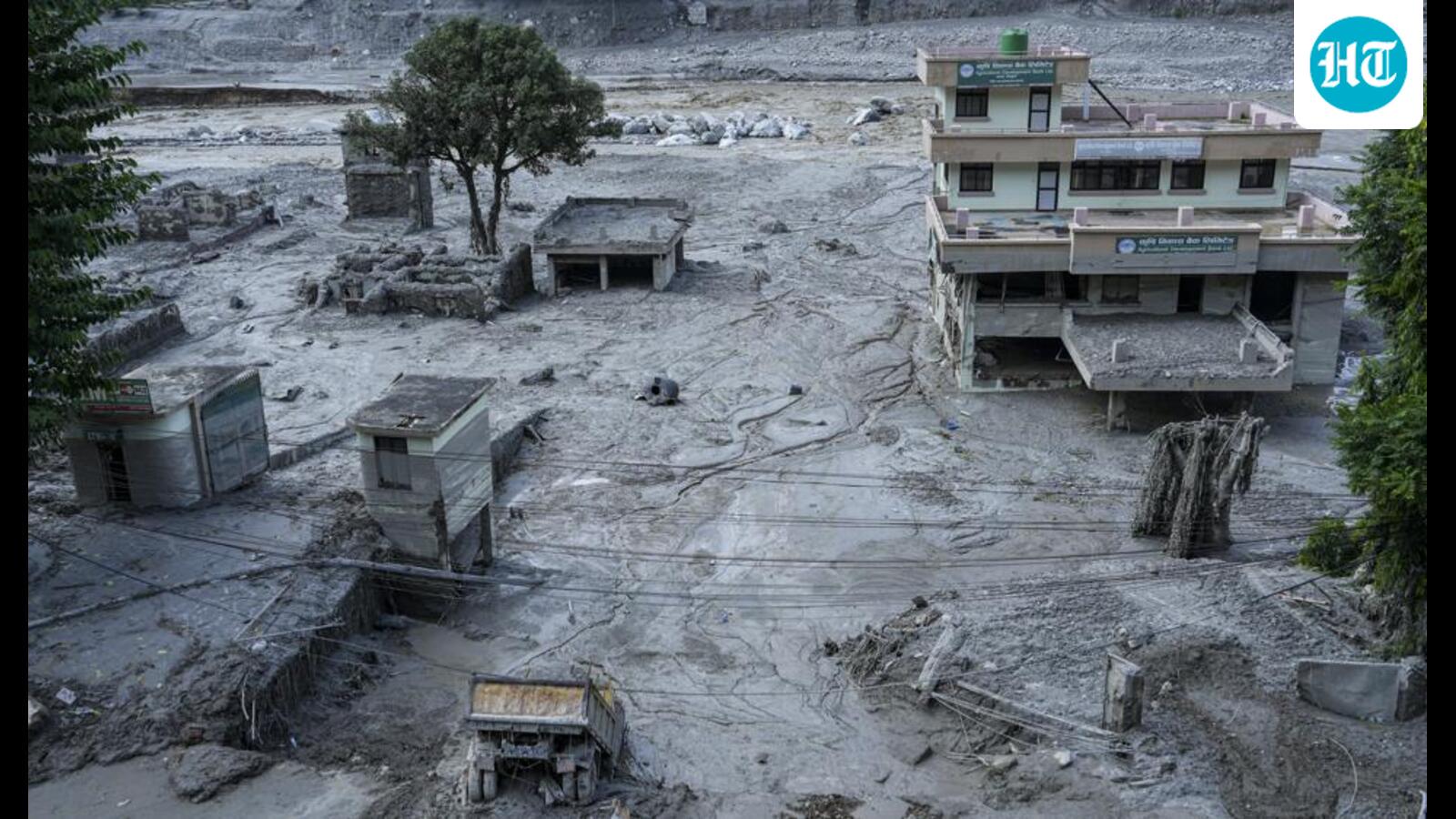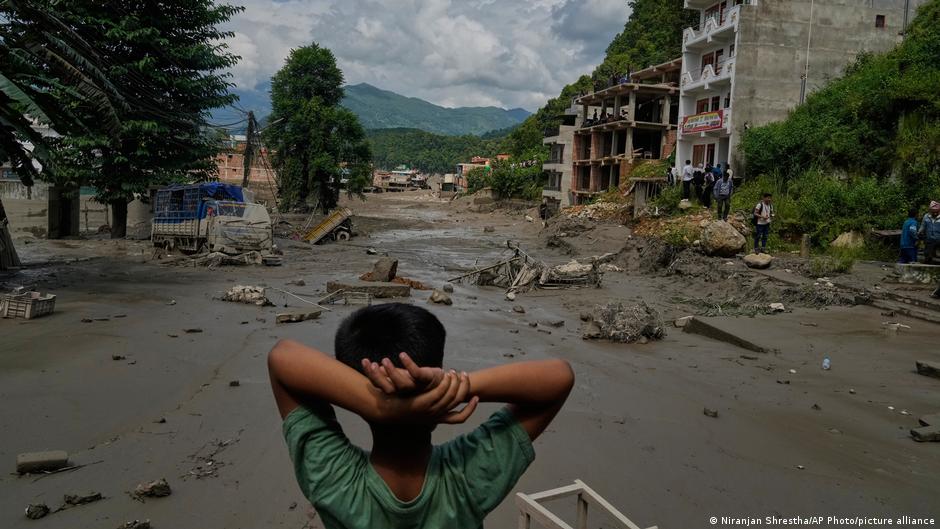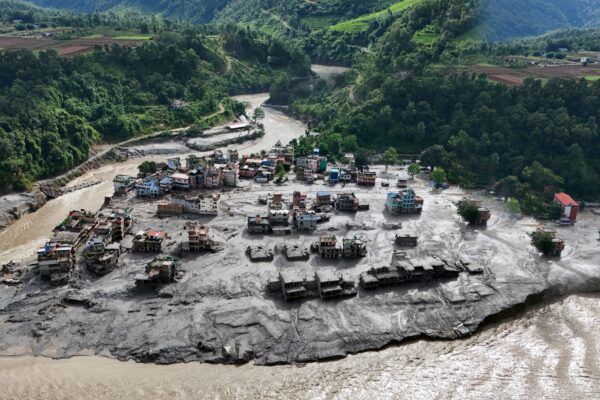
On August 26, a massive glacier collapse near Langtang Lirung triggered a chain of flash floods and mudslides along the Trishuli and Bhotekoshi river systems. The event has not only caused damage to what was developed there but also to what was being built in that area, including infrastructure, hydropower projects, and private businesses, primarily small and medium enterprises (SMEs). Losses are estimated at more than $5 billion, which is almost one-third of Nepal’s annual budget.
Settlements, roads, bridges, hydropower plants, trade facilities, farmland, and human lives across Rasuwa, Nuwakot, Dhading, and downstream districts were swept away or buried beneath mud and boulders. Early estimates of the damage could be made using the household-level data from these locations and the data from the 2018 economic census. But that could be misleading.
The contribution to the GDP from those areas is going to be minimal when looking at the immediate numbers. However, the share could be far more significant if we factor in indirect benefits from the river systems and economic hubs in that corridor. Especially important is the opportunity cost, as Nepal was attempting to build up a vibrant trade link with China in exactly this region.