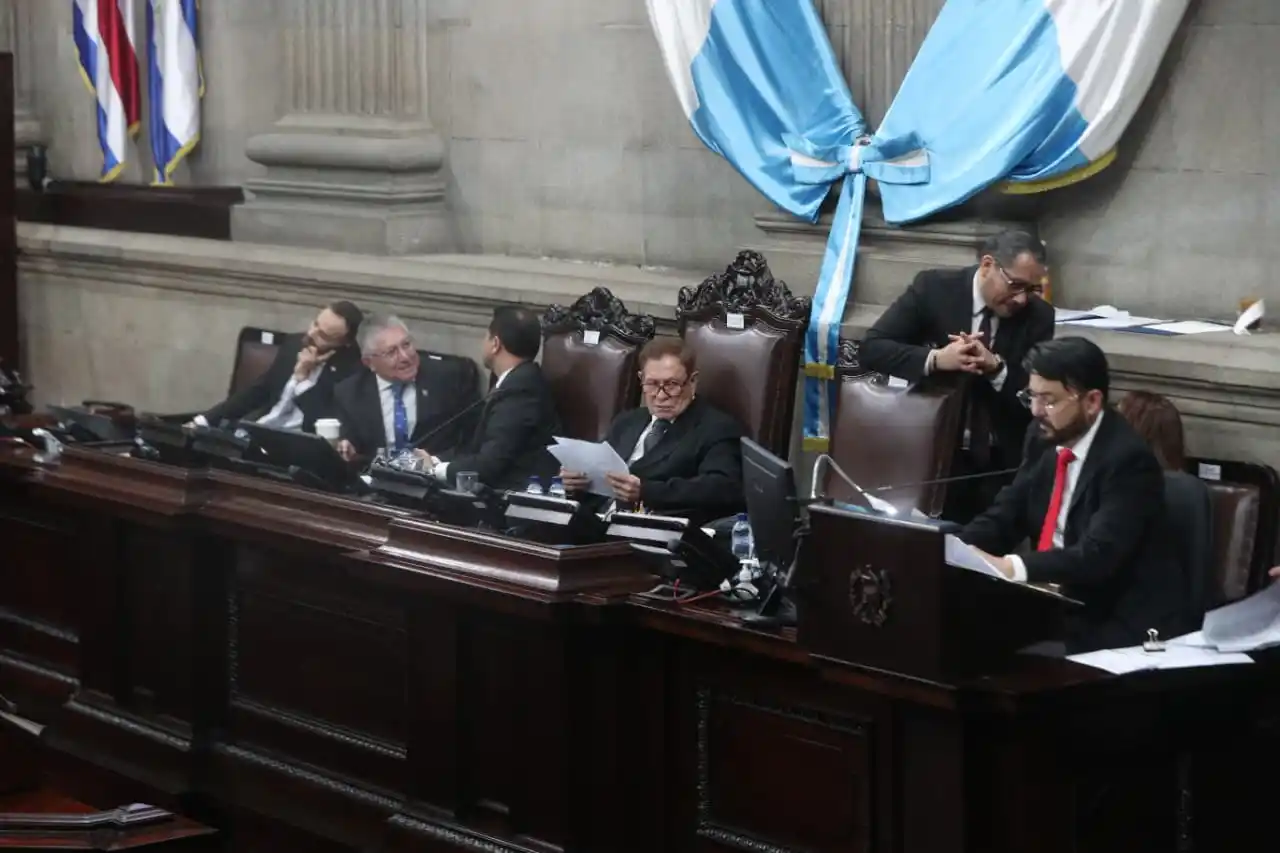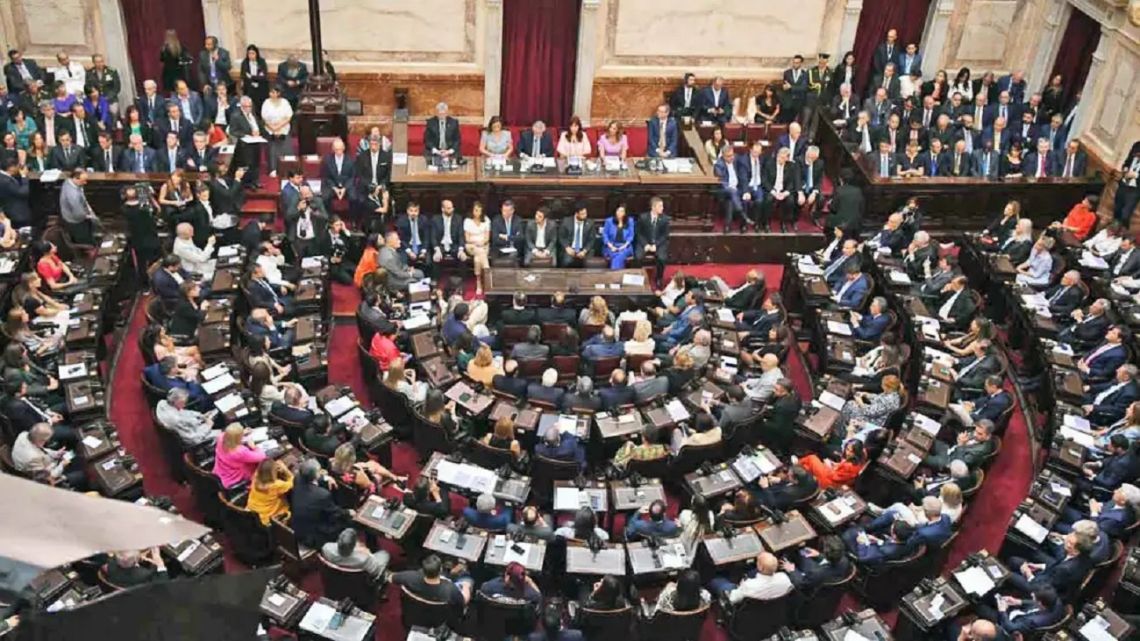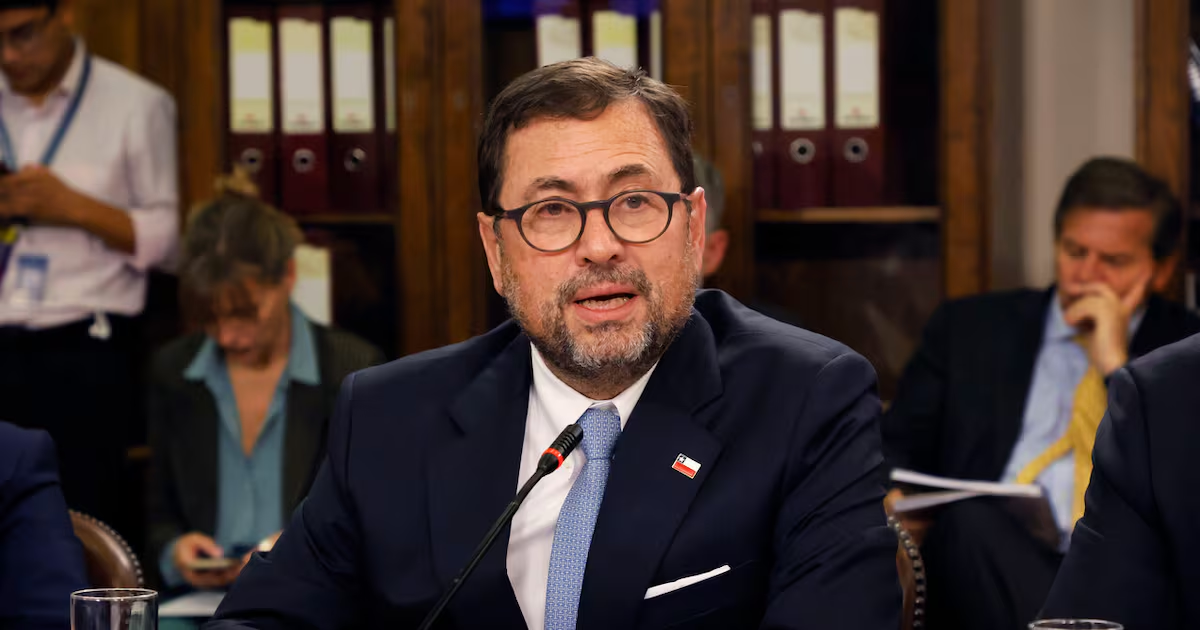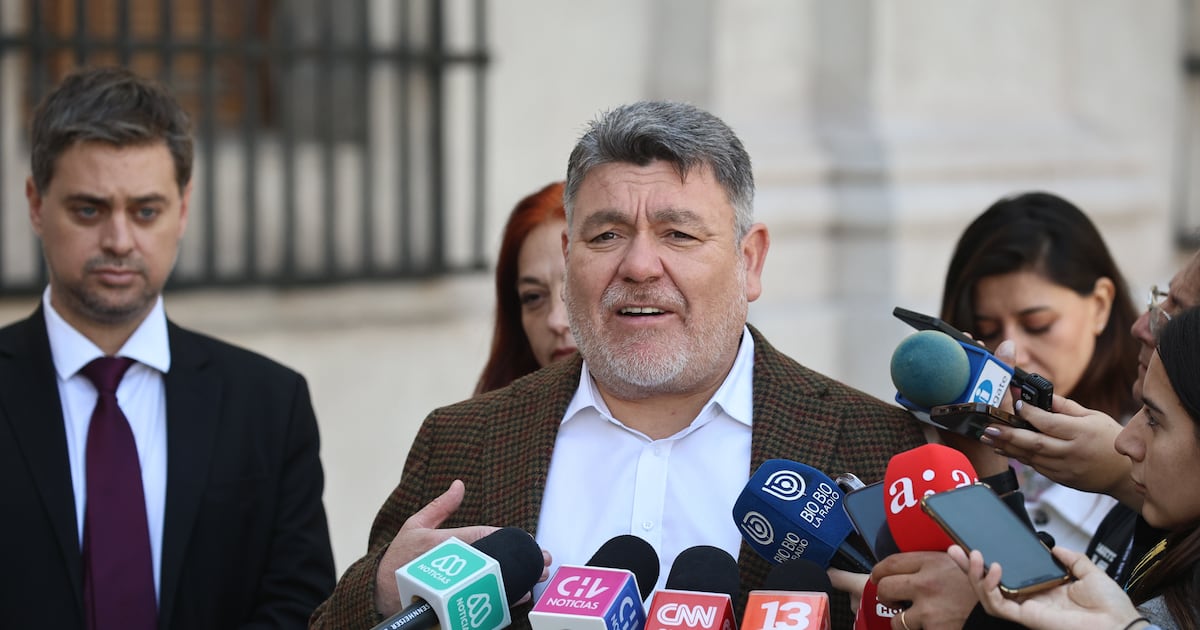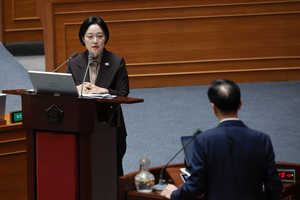
Prime Minister Han Seong-sook (left) answers Democratic Party Rep. Lee Hae-sik's inquiry during an interpellation session held Wednesday at the National Assembly. (Yonhap) South Korea's four-day interpellation session kicked off Wednesday, with lawmakers focusing on issues including a proposed constitutional amendment, President Lee Jae Myung's Cabinet picks and judicial reform.Responding to an inquiry from Democratic Party of Korea Rep. Lee Hae-sik during the session, Prime Minister Han Seong-sook ruled out the possibility that the proposed constitutional amendment could allow President Lee to serve multiple terms.According to Han, the administration has already "clarified its stance" that Lee would not be serving a second term.Han also said that the liberal administration will "proactively support" the parliament's move to swiftly amend the Constitution in areas that reached a bipartisan compromise, such as the enshrinement of democratic movements.This followed the People Power Party floor leader Rep. Jeong Jeom-sig's declaration Tuesday to resist any attempts to revise the Constitution during Lee's five-year term. Jeong's remarks came in response to ruling Democratic Party of Korea chair Rep. Kim Min-seok's proposal Monday for a "realistic" amendment to the Constitution, which encompasses restructuring the nation's power structures "to the extent desired by people."Amending the Constitution is a top policy agenda of President Lee Jae Myung and his administration, which seeks to strengthen constitutional checks on presidential power and allow presidents to serve two four-year terms, with reelection taking place as a referendum on the sitting president's performance.Against this backdrop, the People Power Party has repeatedly called on Lee to clearly state that the proposed amendment will not apply to himself. The conservative opposition argues that the constitutional clause stating that amendments to presidential term limits do not apply to an incumbent president could itself be amended, a change that would require the support of two-thirds of all lawmakers and a majority vote in a referendum with turnout exceeding 50 percent.Asked by People Power Party Rep. Na Kyung-won if Han would be willing to advise Lee to declare that he is not rerunning for president, the prime minister said, "I think (President Lee) has said so multiple times." Prime Minister Han Seong-sook appears at an interpellation session on Wednesday. (Yonhap) The liberal bloc also faces pressure over ministerial nominees recently announced by Cheong Wa Dae, including Justice Minister nominee Kim Seung-won and Gender Equality Minister nominee Yong Hye-in.As Lee Hae-sik of the Democratic Party raised speculations that leaked documents from the prosecution are being used to attack the president's minister nominee, Han said that she would instruct the authorities to look into whether there were any unlawful leaks of confidential documents, calling it a "grave matter" if it turned out so.In response to People Power Party Rep. Yun Jae-ok's criticism of the nominees, Han said the confirmation hearings for all nominees will take place to give them a chance to rebut any arguments against them. Han also denied Yun's claim that favoritism was at play in the nomination process, saying all nominees had sufficient expertise in their relevant fields.The feasibility of the criminal justice system overhaul led by the liberal bloc was also a point of contention.People Power Party Rep. Park Hyeung-soo claimed that byproducts of the system overhaul could have been prevented by not splitting the prosecution and carrying out moderate reform. Han, however, stressed the prosecutorial reform "was driven by people's desire," adding that the byproducts could be handled through police reform.The Democratic Party-controlled National Assembly has passed related bills to carve a separate investigative body out of the prosecution and place it under the Interior Ministry. The remaining body would then be stripped of its investigative power, leaving the new investigative body and police as the only authorities to investigate crimes.
Four-day interpellation session opens with constitutional change in focus
South Korea's four-day interpellation session kicked off Wednesday, with lawmakers focusing on issues including a proposed constitutional amendment, President L
616 words~3 min read