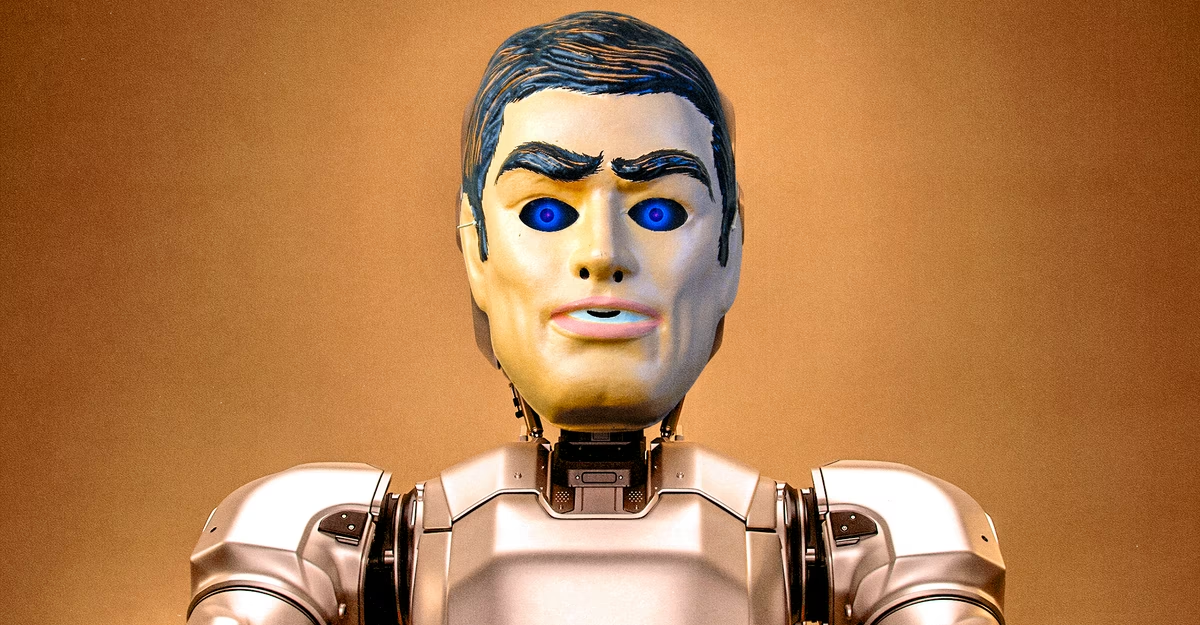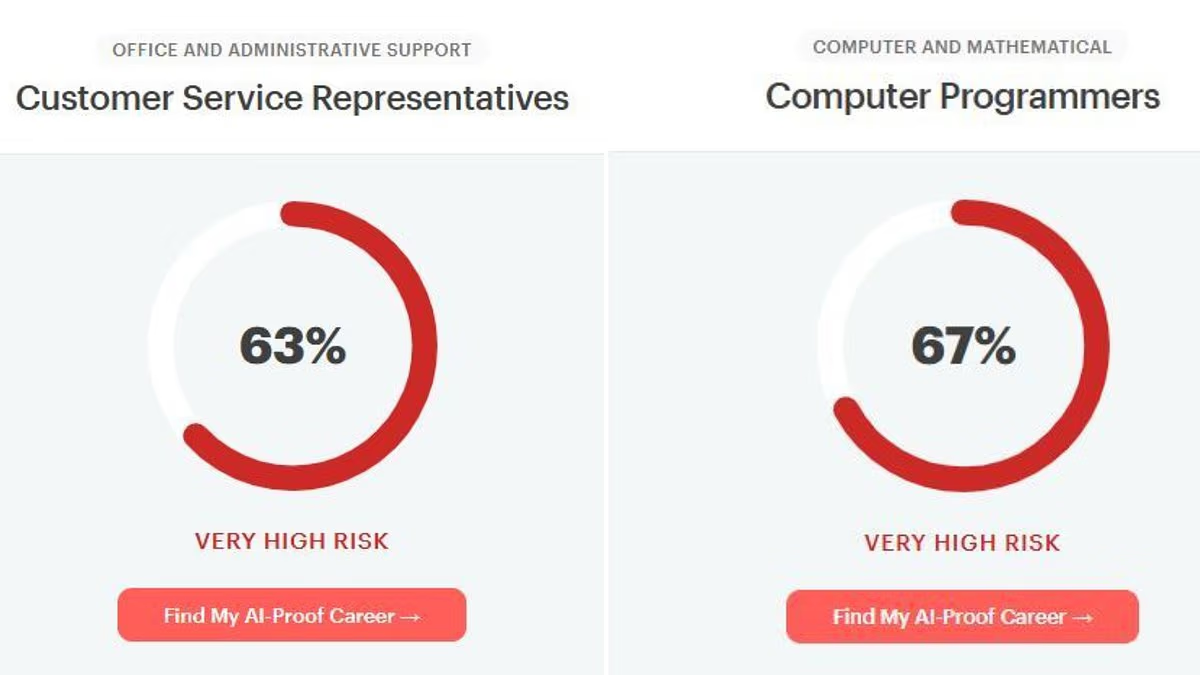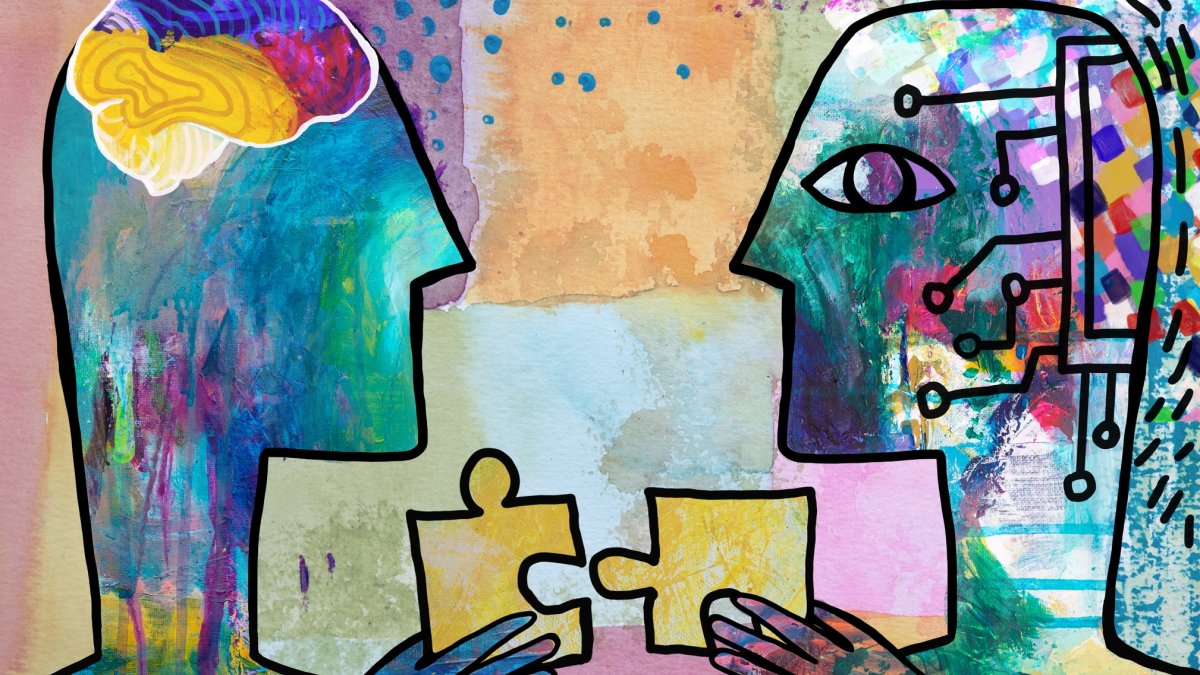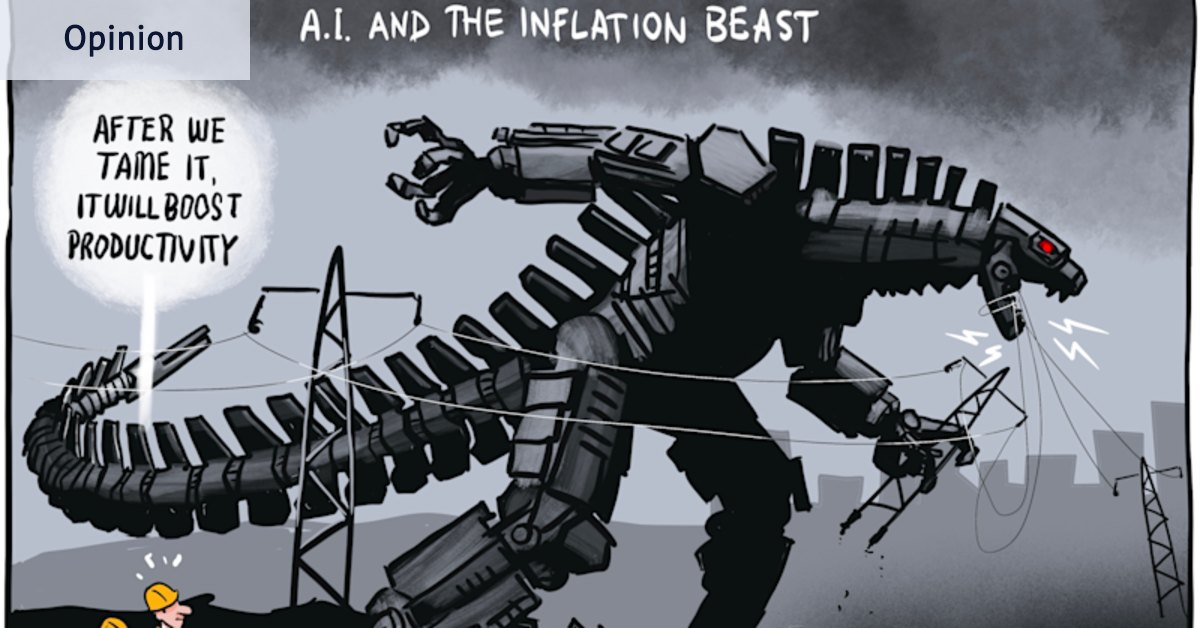
Whether you like it or not, very soon, AI will take over most human responsibilities. It will reason and think for you and attend to the most basic of needs. AI will function in such a way as to demonstrate such superhuman capabilities that can literally not be overridden by the humans who created it in the first place. In our part of the world, we probably are already expecting that AI will fix our roads and spare road users the horror of spending three days on a six-hour journey, fix our power infrastructure, attract children back to school, prevent election rigging and, in fact, solve every problem ever created by our very narcissistic politicians!
It is the story of technology. Each wave is bigger than the previous ones and would usually boast of more potentials. AI companies are attracting mega investments globally and nations are already at each other’s throats fighting for dominance although such squabbles are hidden under trade disputes. Technology is usually at the centre and, this time, AI is attracting all the attention. This is understandable. The United Nations Trade and Development (UNCTAD) projects that the global AI market will hit $4.8 trillion by 2033, which is roughly the size of the economy of Germany, the largest economy in Europe. Such a package is worth fighting for, and nations are already doing the fighting and ready to yield some grounds to AI companies in this respect.