August 15, 2026 — 5:00am
A lot of the fear – and excitement – around AI is based on an assumption that it will be effective and rapid … like a good painkiller.
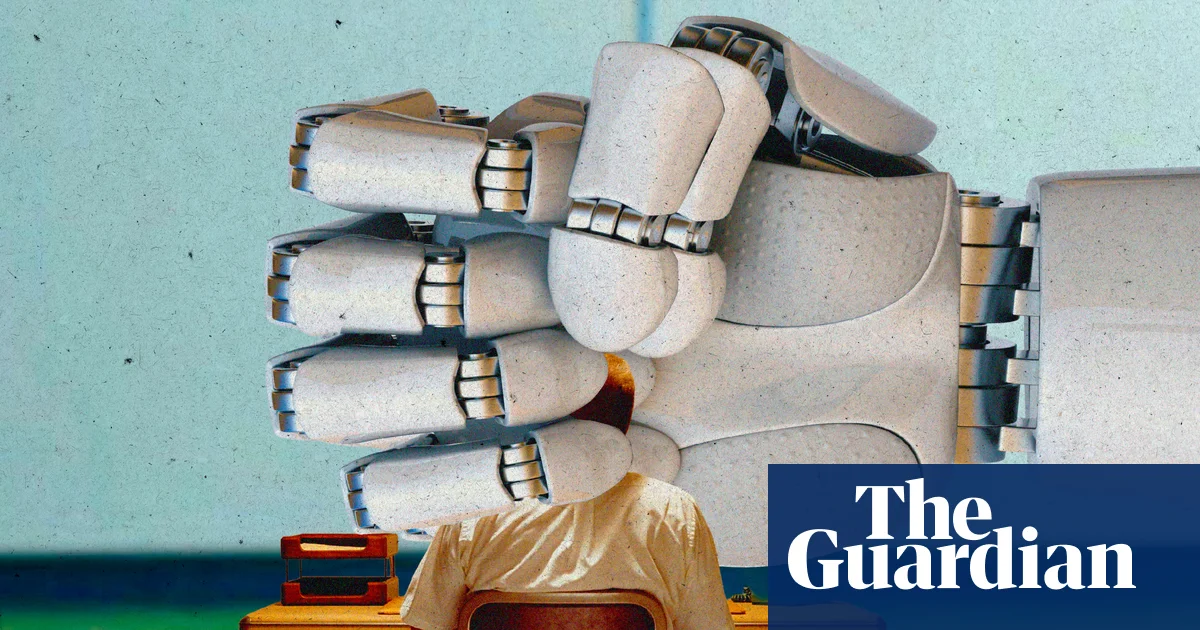
People scared of mass job losses, for example, assume AI will – quite soon – be good enough to take over our jobs. And many of those excited about the possibility of kicking back and relaxing (or raking in a lot of profit) by putting AI to work also assume it’s a fast-moving, formidable beast.
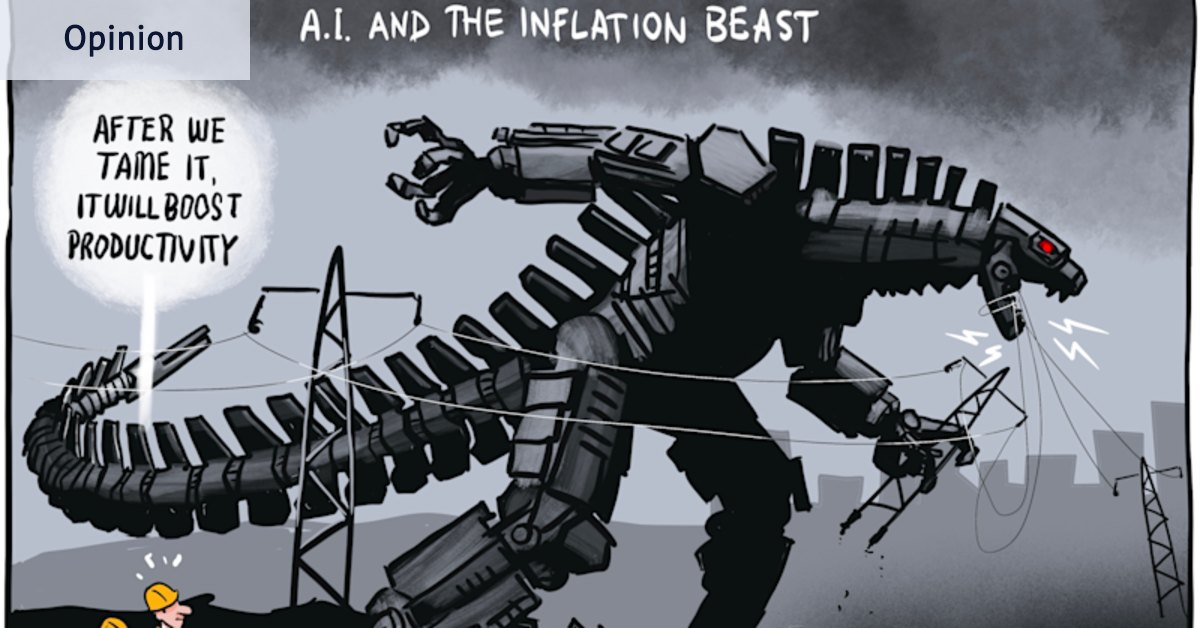
Perhaps most promisingly, for anyone who has been listening to economists’ cries about Australian productivity stagnating and prices stubbornly rising, AI is like a knight in shining armour: one that might be able to yank us out of our predicament.
Because here’s the thing: if AI can help us cut costs or slash the time we spend on making things or providing services, it could bring down the costs of production, and therefore the prices we pay for these things. AI could also help slow down price growth by making it easier for businesses to increase supply, bringing it closer in line with demand, and therefore reducing price pressures.