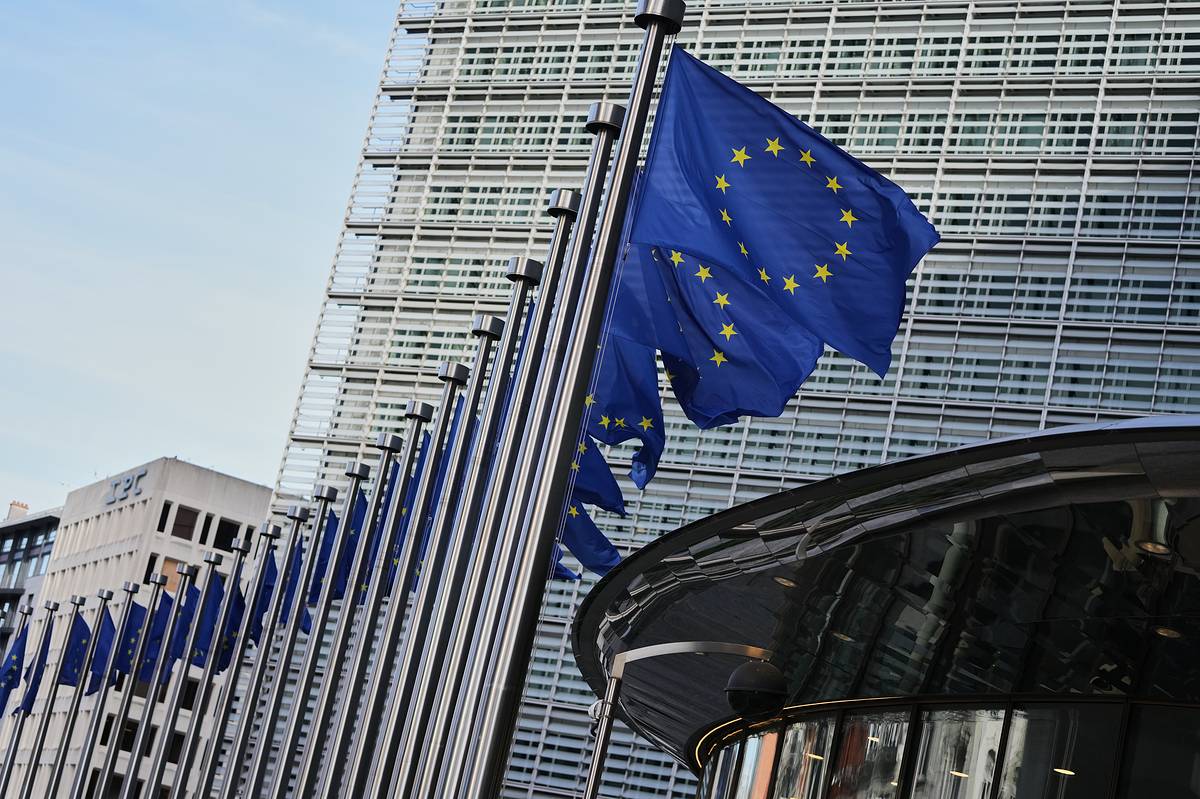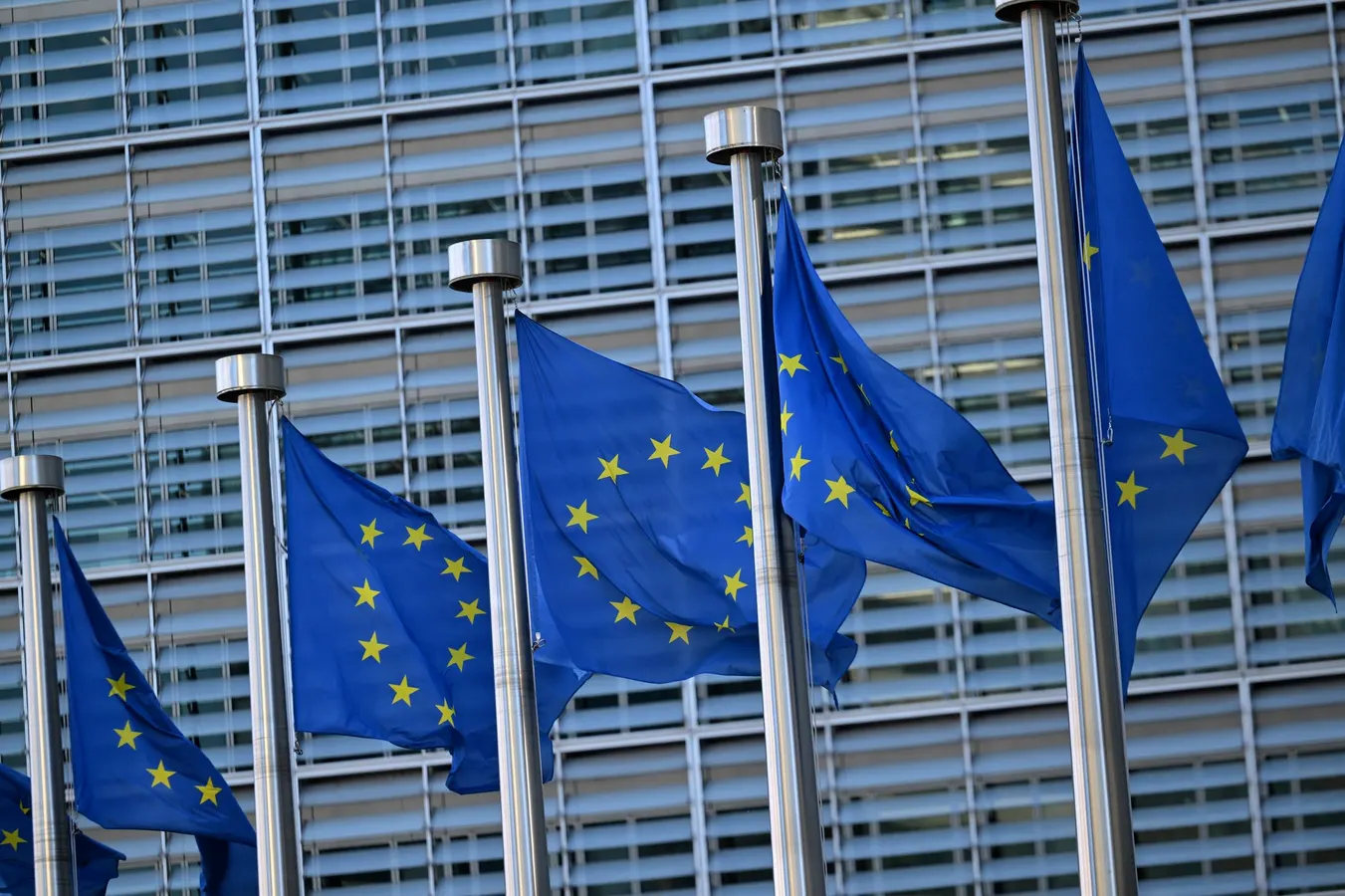
The European Union and Russia are geopolitical adversaries, with Russia under sweeping EU sanctions and its ties with the bloc severely curtailed.
Yet inside one of the largest international scientific collaborations in history — and the world’s largest nuclear fusion experiment — the two remain linked by a partnership forged decades ago and built to endure for generations.
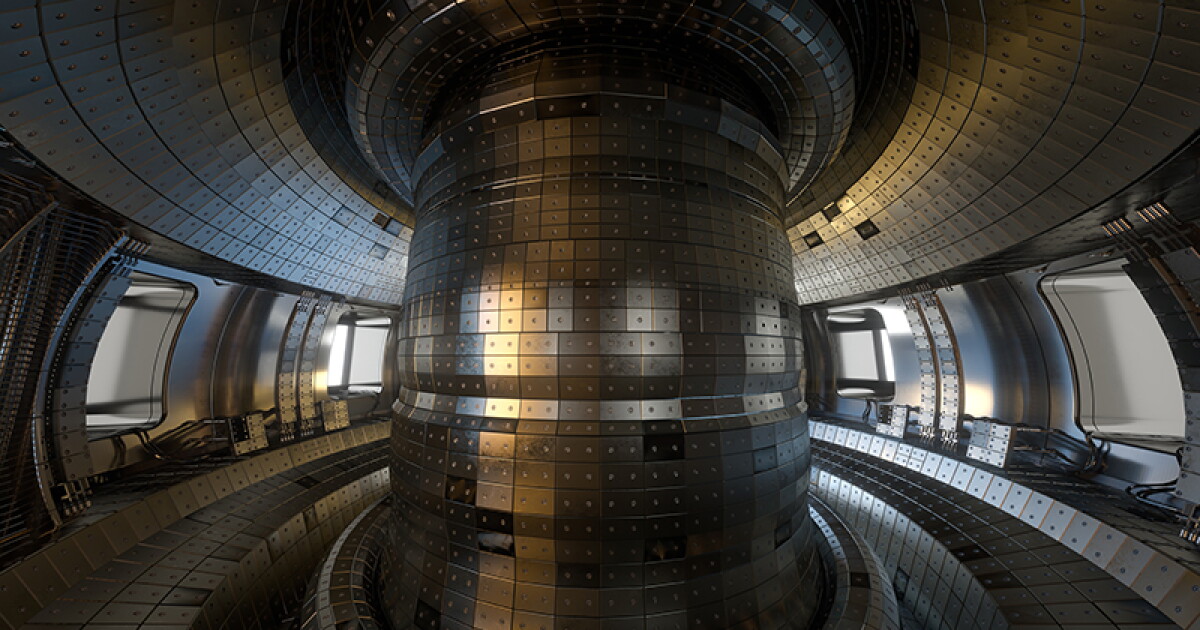
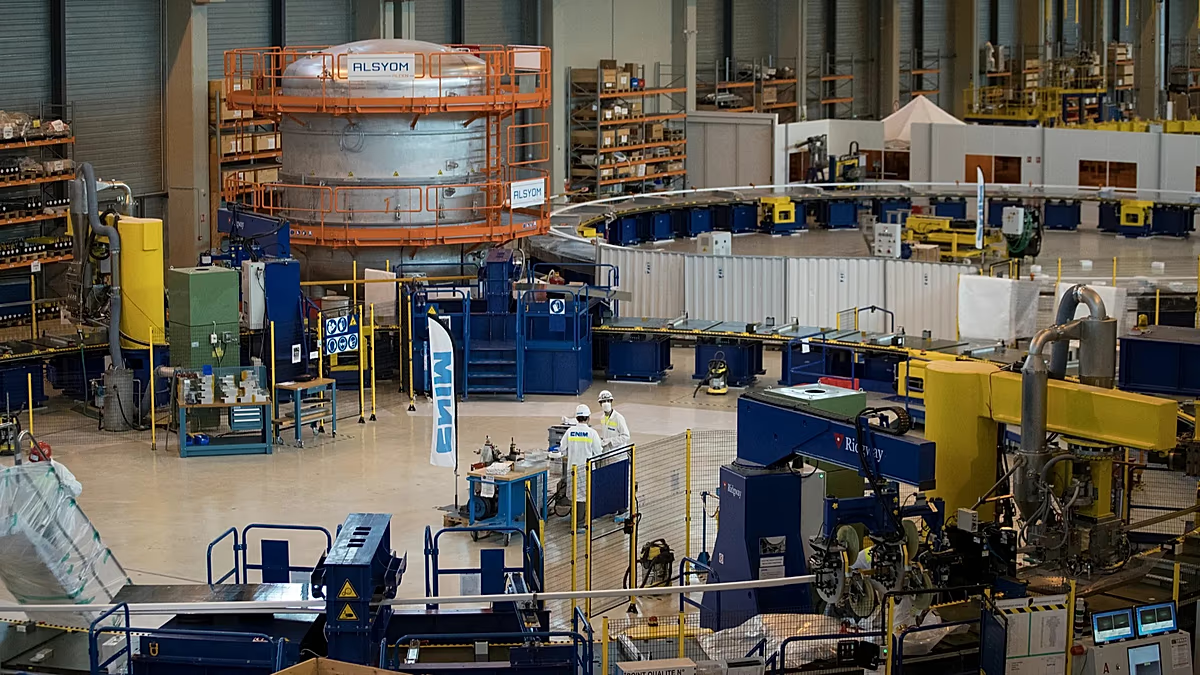
While Brussels steps up pressure on Moscow over its war in Ukraine and hybrid attacks, Russian engineers and their European counterparts continue to work together on an international project called the “International Thermonuclear Experimental Reactor” (ITER), an experimental nuclear fusion machine that seeks to harness the fusion of hydrogen nuclei to generate vast amounts of energy.
Last Monday, the EU’s Energy Commissioner Dan Jørgensen visited ITER in Cadarache, France, calling the fusion device “key for our decarbonisation and energy independence goals.”
PF1 poloidal field coil and gyrotrons