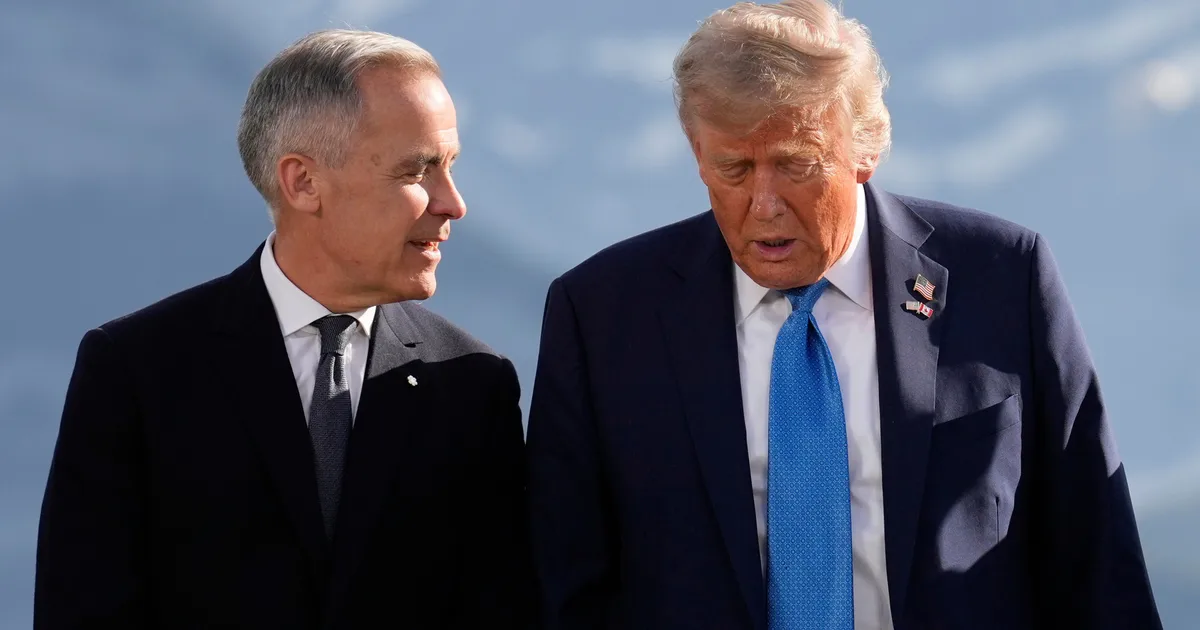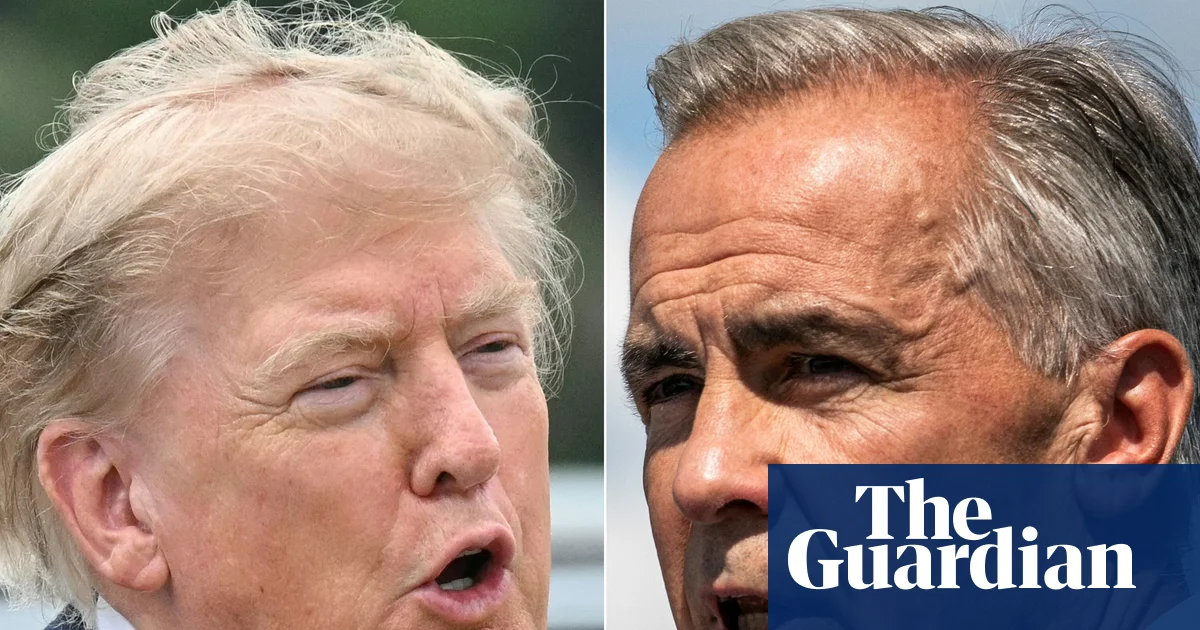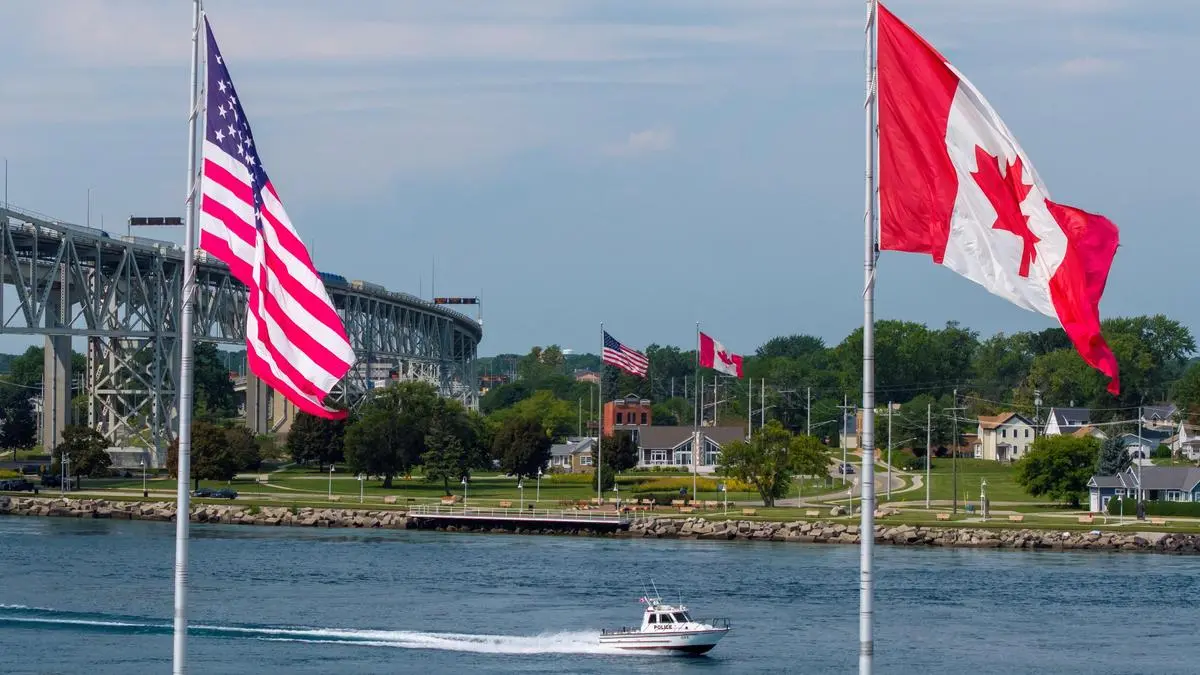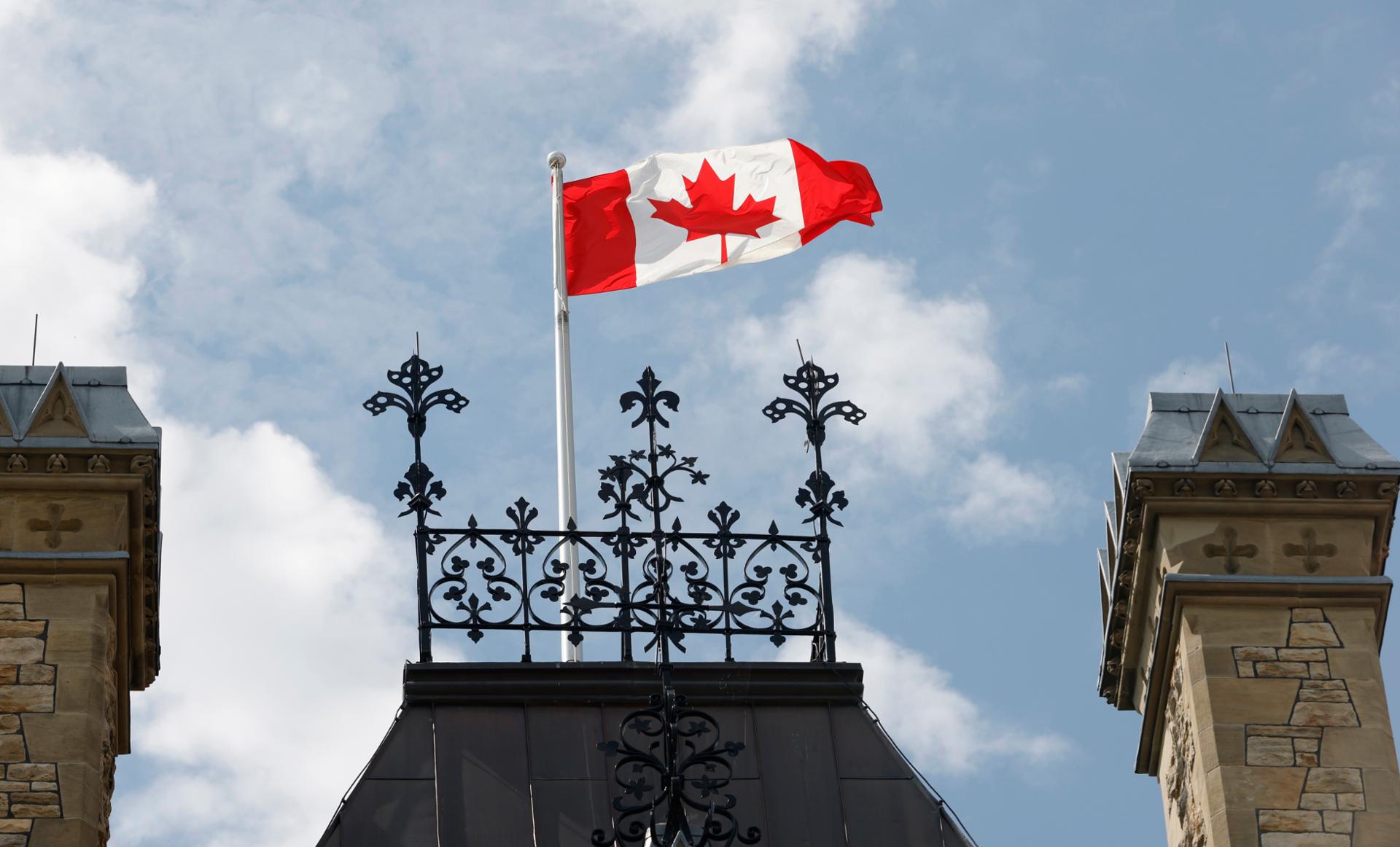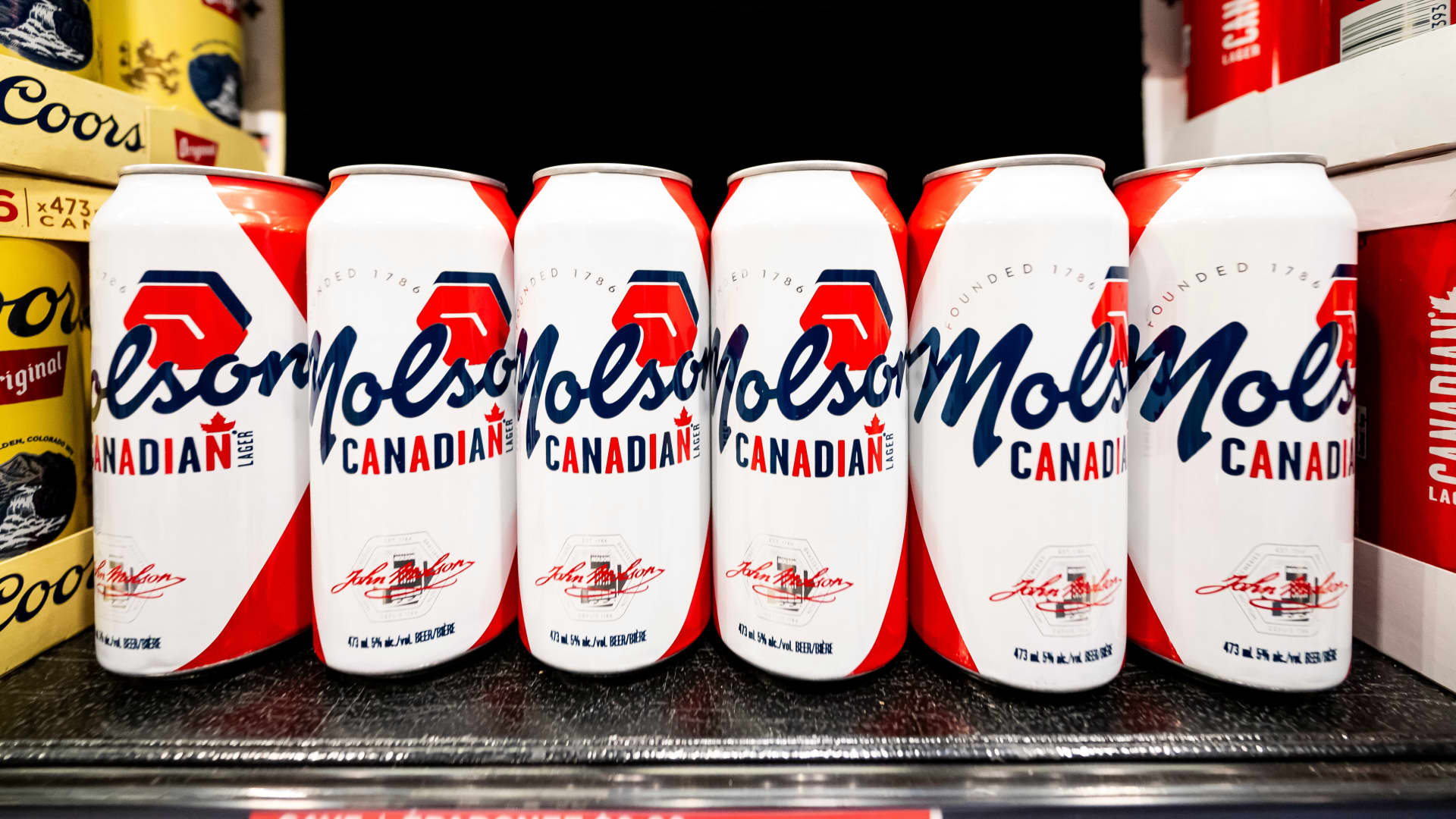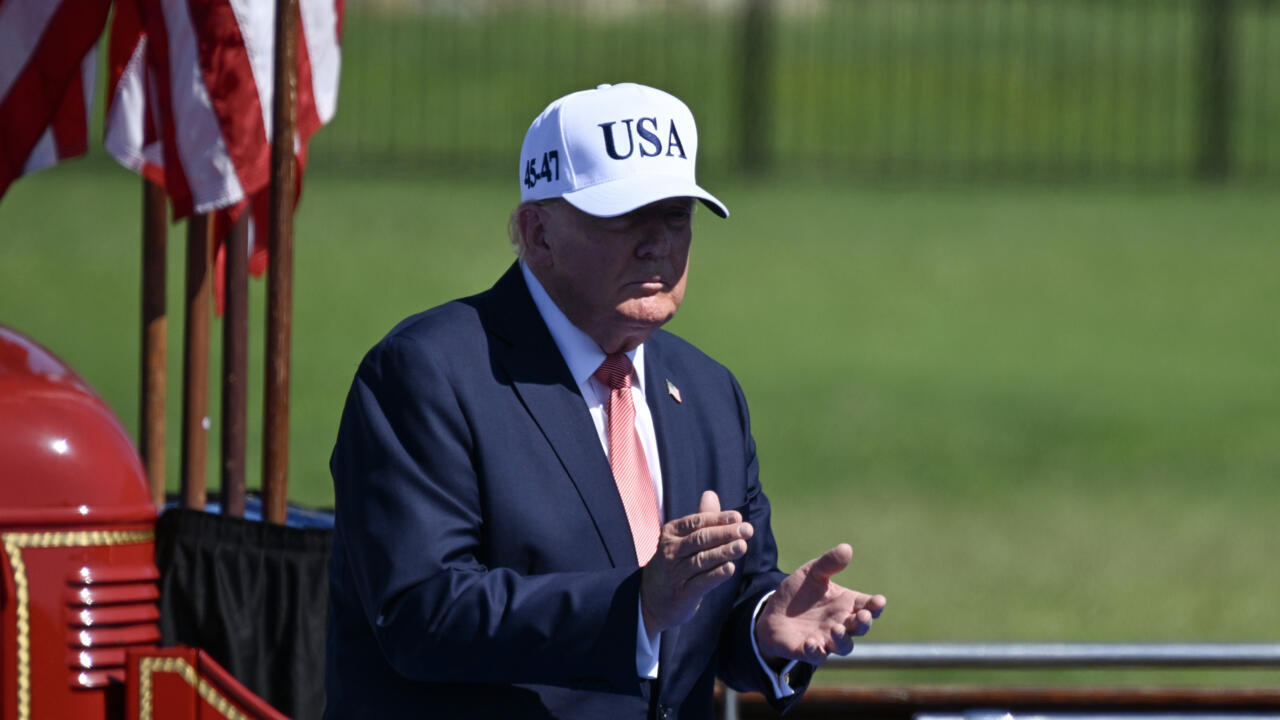
The United States banned a broad swath of Canadian alcoholic beverages, motorcycles and dairy products from import on Tuesday, sharply escalating an already acrimonious trade spat. The import bans, which go into effect on September 29 and were published on the White House's website, came after Canada's own retaliatory tariffs on US goods took effect after midnight on Tuesday. Those Canadian levies themselves followed 50 percent tariffs that the United States imposed on some $20 billion of Canadian goods last month, after several rounds of negotiations collapsed. The breakdown has widened a rift between the longtime allies, who have blamed each other for the failed talks, spurred Canadian Prime Minister Mark Carney to urge a further shift away from Canada's biggest trading partner, and cast doubt on the viability of the US-Mexico-Canada Agreement. "We have everything we need to pivot and prosper," Carney said on Tuesday in a video posted on YouTube. Read moreCanada's counter-tariffs take effect on several US goods as trade war reignites "That pivot will come at a cost. There's always a cost to action. But it doesn't come close to the cost of standing still," he said. The US bans appeared to cover most alcohol products, including beer and various types of wine, whisky, bourbon, rum, vodka, vermouth, tequila, mezcal, and brandy. The dairy ban covers whey protein, invert molasses, cane molasses and non-alcoholic beer, per notices on the White House's website. In addition to the import bans, various cheese products were added to a list of products subject to a 50 percent tariff, but not banned outright. Some paper, aluminium, wood, furniture, lighting and other products were also added to the list. A US official said President Donald Trump's pre-existing threat to increase tariffs on Canadian autos from 25 to 50 percent on January 1 remained in effect. The official added that US Trade Representative Jamieson Greer had spoken with Dominic LeBlanc, Canada's minister responsible for bilateral US trade, over the past couple of days, and the pair were expected to speak again in the coming days to see if there was an alternative path for the two countries. Read moreTrump threatens to ban Canadian Bombardier jets from US market In a social media post on Tuesday night, LeBlanc criticised the latest US measures and said he was in contact with Greer regarding a path forward. "As has been the case for the last 18 months, our first priority remains on protecting and supporting Canadian workers, farmers, families, and businesses from these unjustified actions," he wrote. Ottawa strikes back Ottawa's retaliatory measures, which in turn provoked Washington's move on Tuesday night, were designed to put economic and political pressure on Washington, Canadian government officials said. Those counter-tariffs cover some $20 billion of US goods, with duties ranging from 15 to 50 percent across products from steel and furniture to clothing and electronics, and are expected to hit sectors in some competitive states such as Michigan and Ohio, ahead of US midterm elections in November. While the tariffs affect a small amount of exports compared with total trade between the US and Canada, some analysts worry the standoff could destabilise the US-Mexico-Canada Agreement, the free-trade pact that succeeded NAFTA. Together they have underpinned commerce across North America for decades.
US bans Canadian alcohol, motorcycles and dairy products as trade spat escalates
The US and Canada escalated a bitter trade dispute on Tuesday, with Washington imposing new import bans on Canadian alcohol, motorcycles and dairy products as Ottawa's retaliatory tariffs on US goods…
1,125 words~5 min read