On September 8, OpenAI announced that an internal AI system produced a solution to the Navier-Stokes existence and smoothness problem. If you are not deep into mathematics, that sentence means nothing. So let me unpack what happened, because the announcement is the least interesting part of this story.
The problem, in plain terms
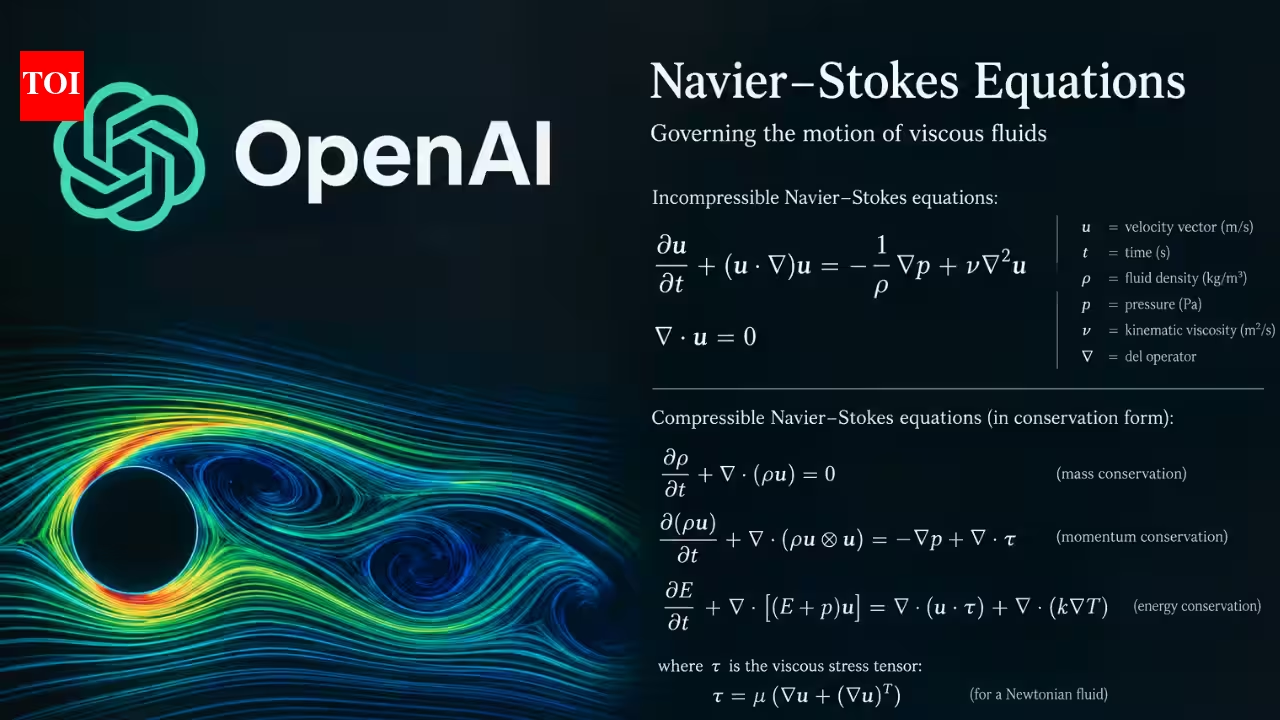
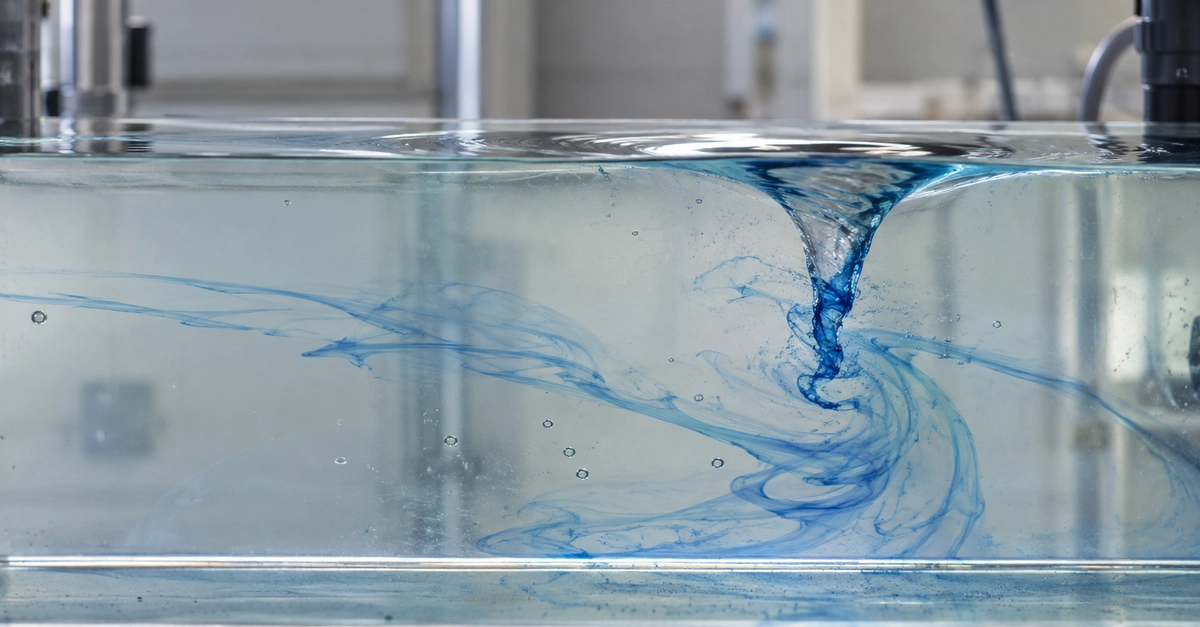
The Navier-Stokes equations describe how fluids move. Air over a wing, water in a pipe, blood through arteries. Engineers use them every day. The equations work. Planes fly.
But there is a question mathematicians have failed to answer for about 90 years: do these equations always behave? Specifically, if a fluid starts out smooth, can the equations ever produce a solution where velocity spikes to infinity in finite time? Mathematicians call this a "blow-up" or a singularity. A real fluid cannot move infinitely fast, so a blow-up would mean the equations stop describing reality at that moment. The model itself would be broken.
In 2000, the Clay Mathematics Institute put $1 million on answering this. It is one of the seven Millennium Prize Problems. Six remain unsolved. That is the company this problem keeps.