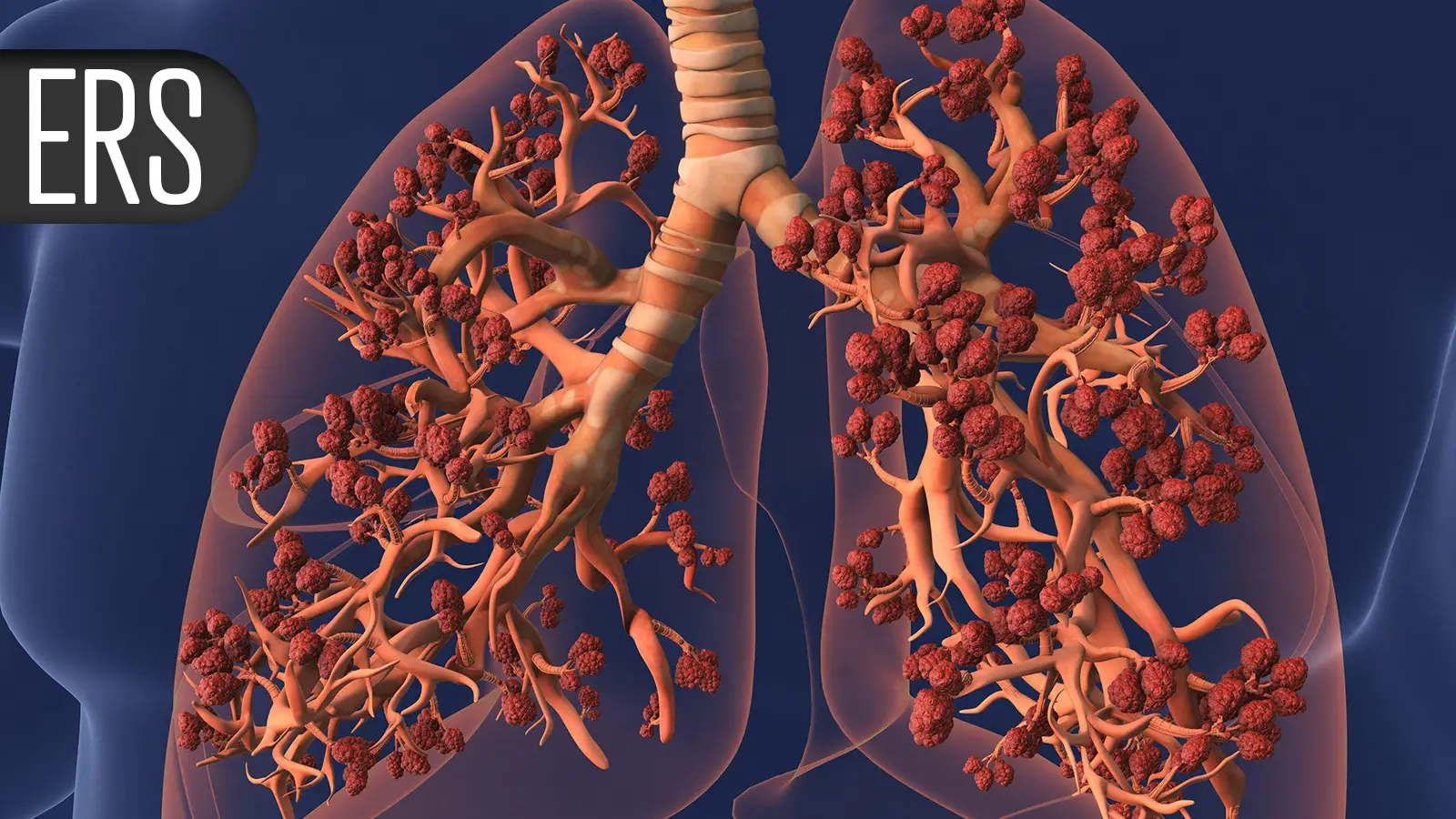
Growing evidence linked GLP-1 drugs to a reduced risk of exacerbations of two types of chronic airways disease: asthma and chronic obstructive pulmonary disease (COPD).
Based on real-world records from the U.K., affected patients who went on any GLP-1 receptor agonist for a comorbid condition had a 14% lower risk of asthma or COPD exacerbation (defined as a short course of oral steroids, emergency department visit, hospitalization, or death) compared with new users of sulfonylureas.
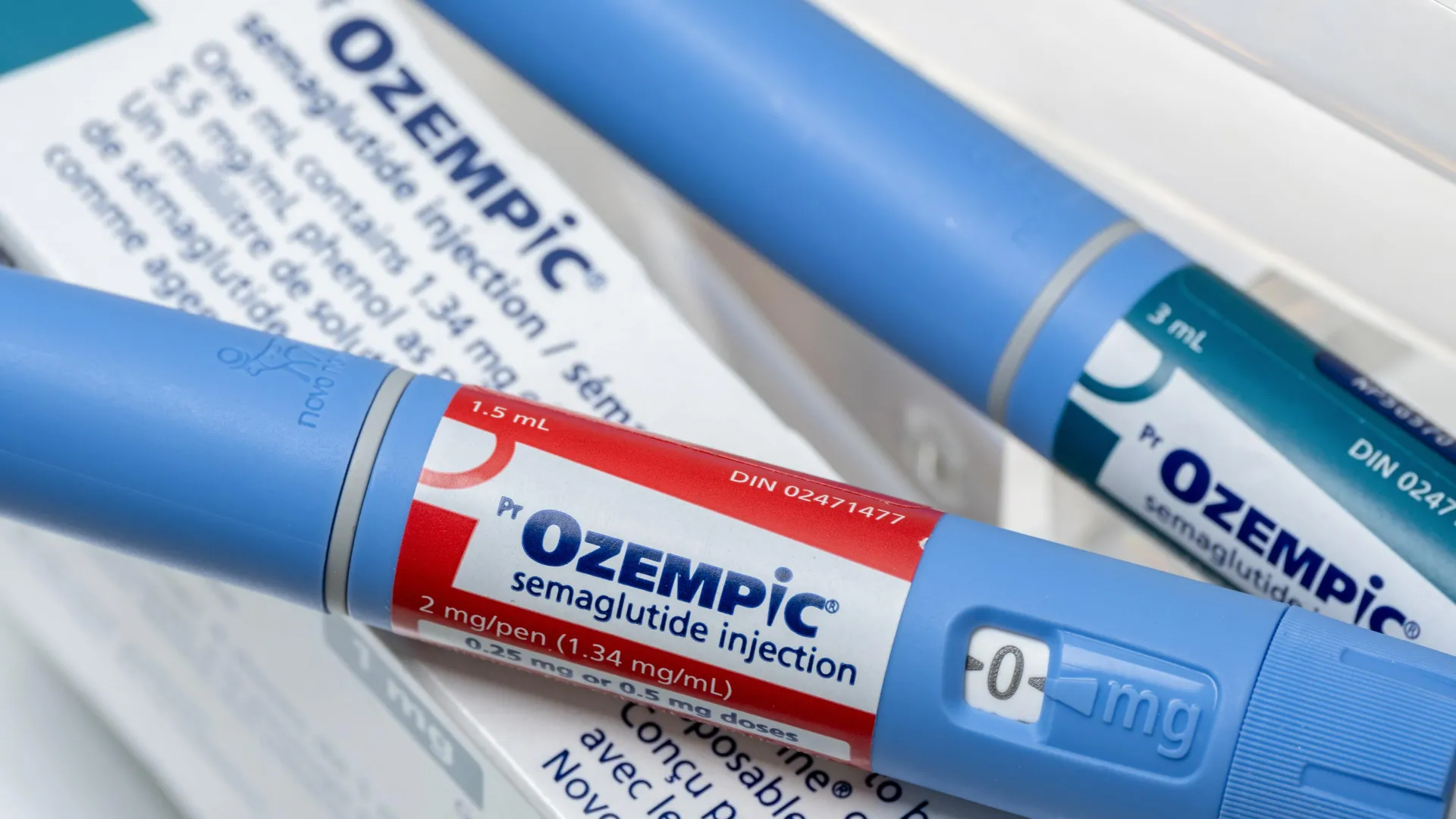
The association varied by the specific GLP-1 agent: semaglutide (Ozempic, Wegovy) was tied to a significant 30% reduction in exacerbations, exenatide (Byetta, Bydureon) a 23% reduction, and dulaglutide (Trulicity) a 12% reduction, reported Chloe Bloom, MBChB, MSc, PhD, of Imperial College London.
The observational study was presented at the European Respiratory Society (ERS) Congress, held this year in Barcelona, Spain.
"The findings from this study are encouraging, but they should not change treatment decisions on their own. People with asthma or COPD should not start GLP-1 receptor agonists specifically for their lung condition outside current prescribing guidance. While the findings suggest that some people taking GLP-1 receptor agonists may experience fewer respiratory attacks, this needs confirmation in clinical trials," Bloom said in a press release.