
July 08, 2026
2 min read
Add topic to email alerts
Receive an email when new articles are posted on
Please provide your email address to receive an email when new articles are posted on .
GLP-1s may prevent adverse outcomes in patients with peripheral artery disease and diabetes, according to data published in the Journal of the American Heart Association. Researchers reported that GLP-1 receptor agonist use among patients with PAD and diabetes was associated with lower risk for mortality, hospitalization, revascularization and amputation compared with those prescribed metformin.
July 08, 2026
2 min read
Add topic to email alerts
Receive an email when new articles are posted on
Please provide your email address to receive an email when new articles are posted on .
Use of GLP-1s was associated with significantly reduced risk for hepatic complications among patients with metabolic…

NEW ORLEANS — Individuals with obesity and autoimmune diseases who use a GLP-1 receptor agonist may have lower risk for…

Studies show that GLP-1 receptor agonists have significant potential for treating glaucoma, diabetic retinopathy and other eye…

Data collected from a number of clinical trials found that despite recent “buzz,” there is no significant link between GLP-1…

GLP-1 receptor agonists, particularly new generation agents such as semaglutide and tirzepatide, may significantly reduce the…
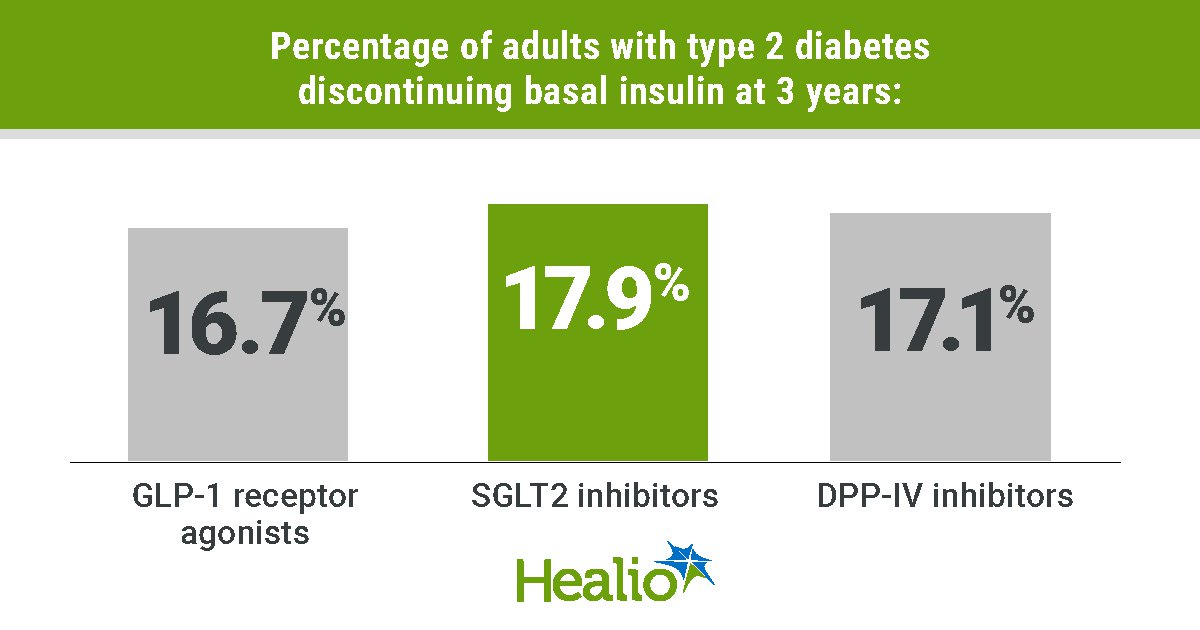
Adults with type 2 diabetes have a similar likelihood for insulin discontinuation if they were using a concomitant GLP-1 receptor…