Published September 8th, 2026 - 21:14 GMT
Highlights
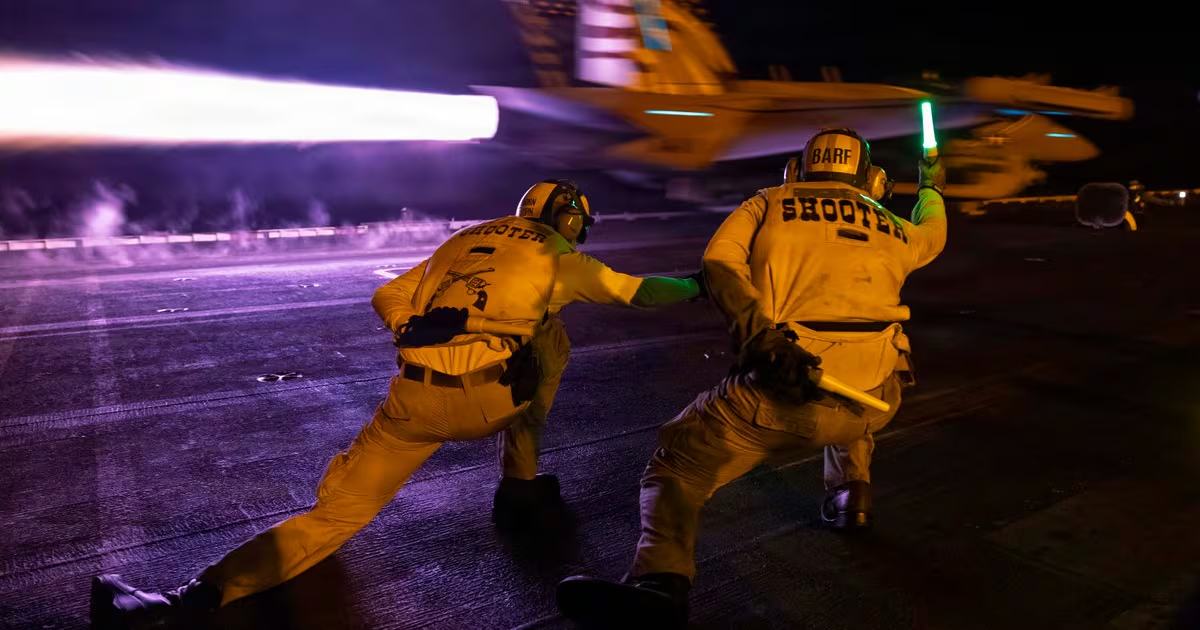
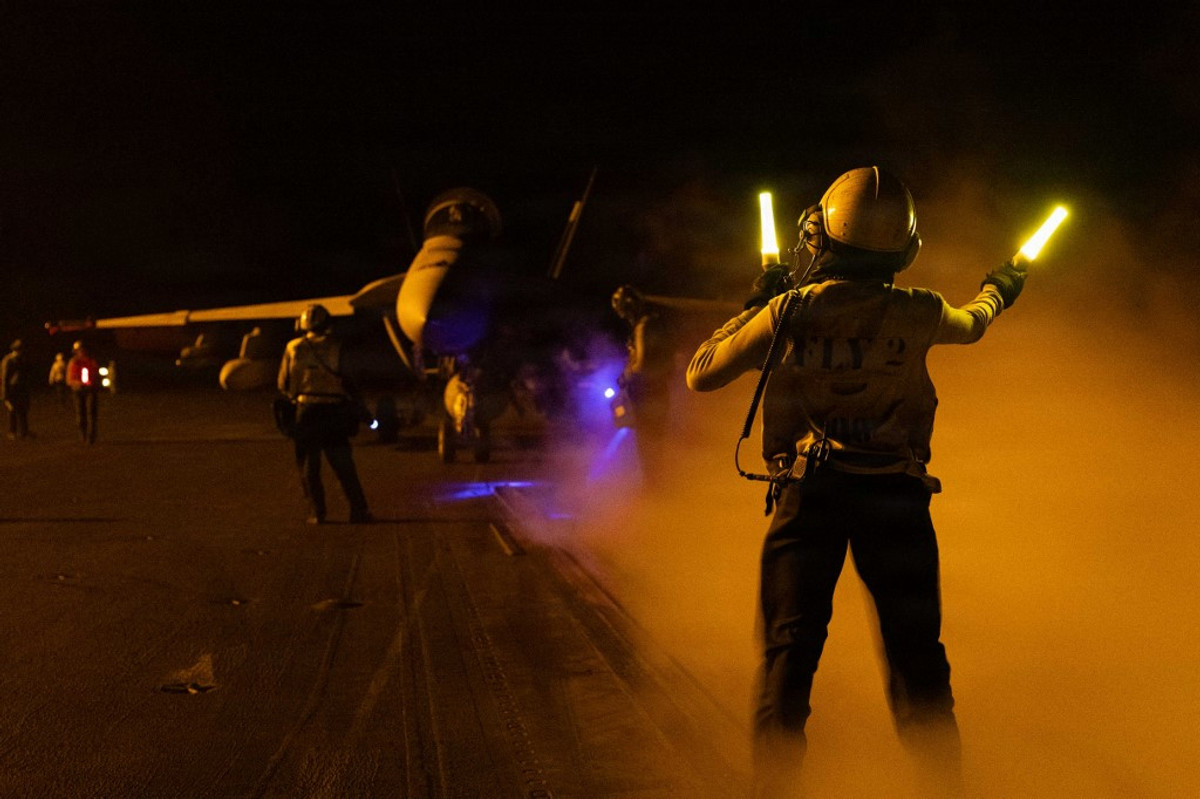
The warning came shortly after U.S. forces struck several Iranian oil tankers in regional waters. The U.S. military said the strikes were carried out after Iran launched ballistic missiles at U.S. Navy vessels.
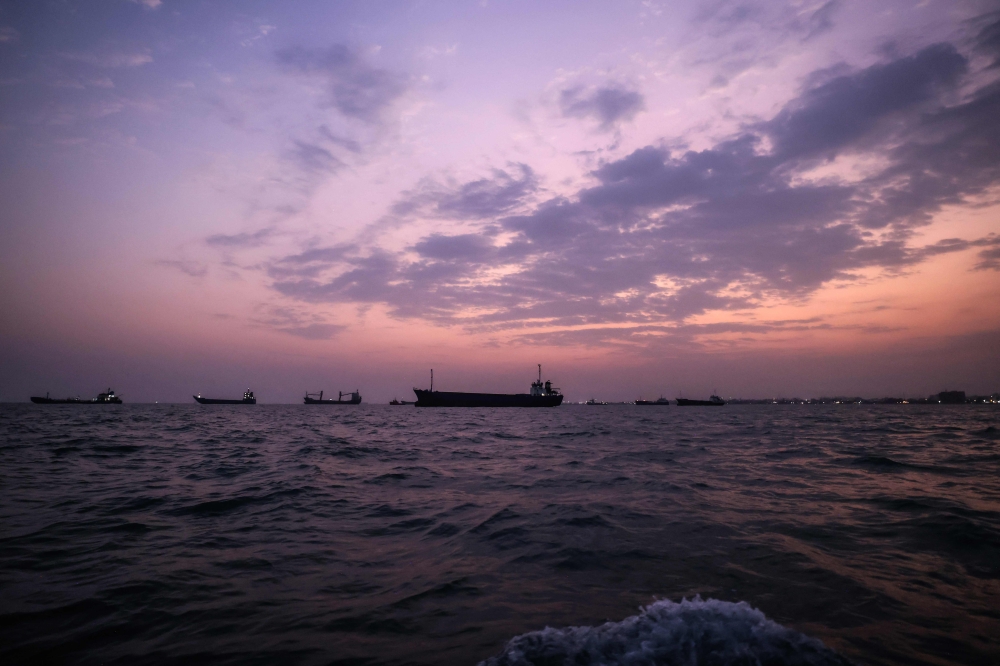
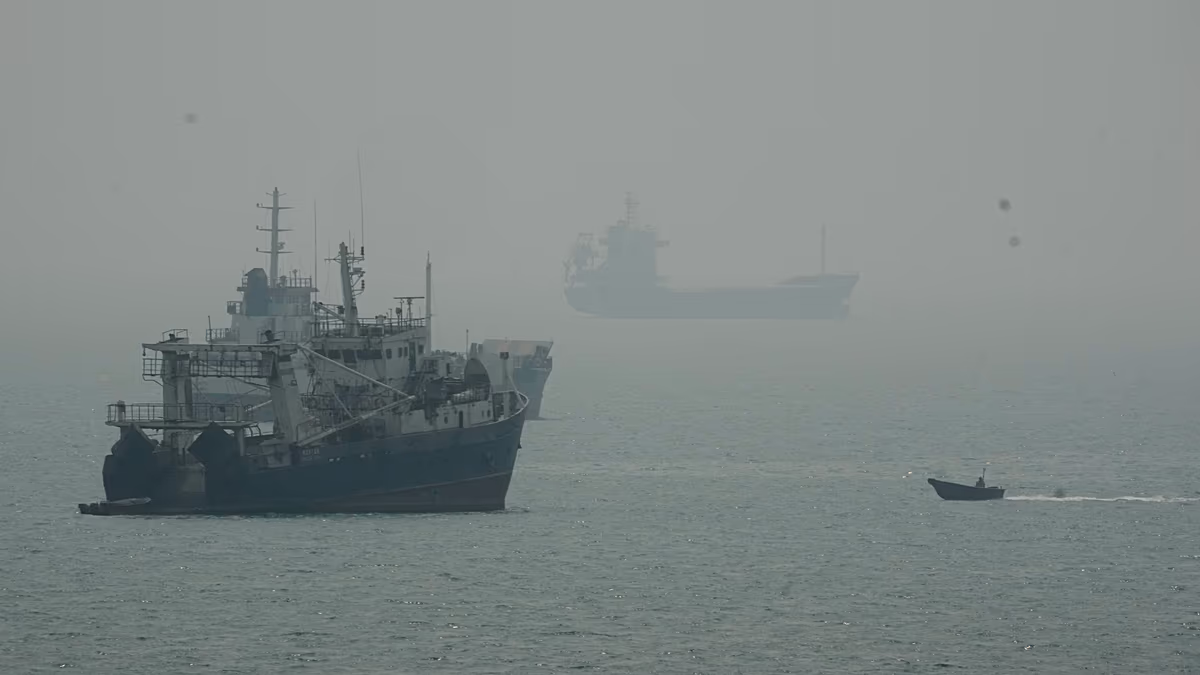
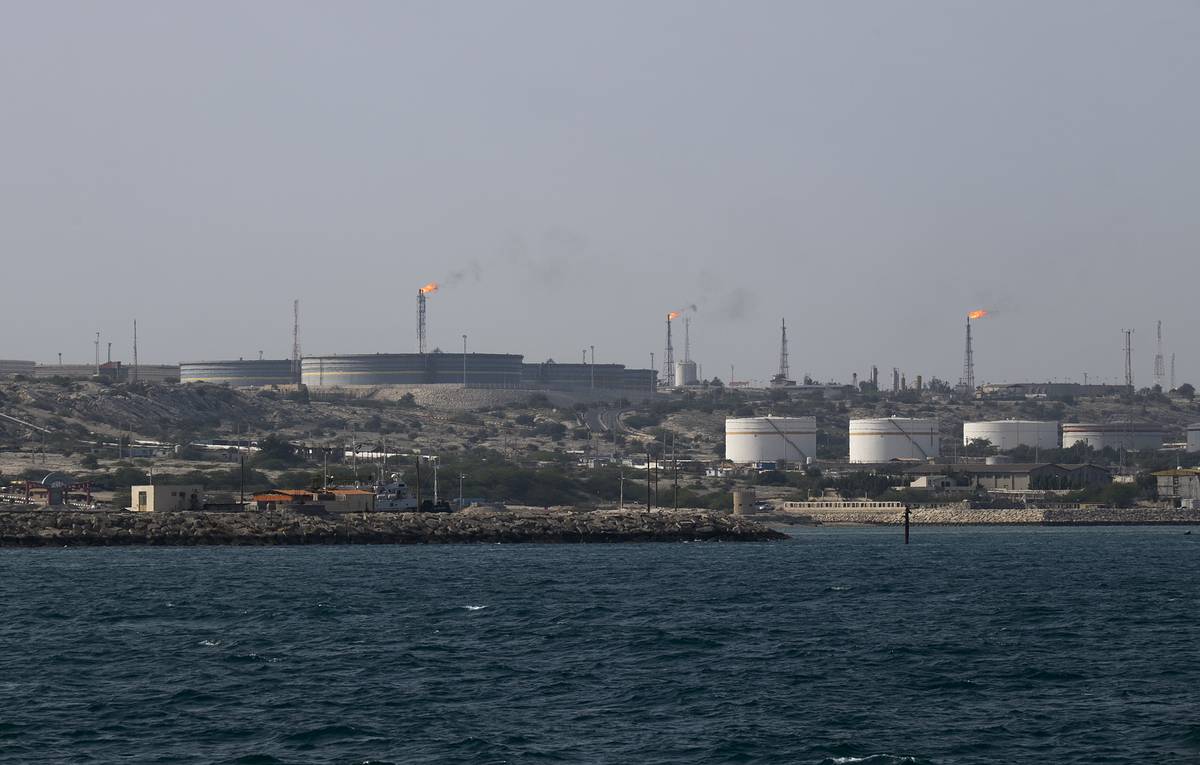
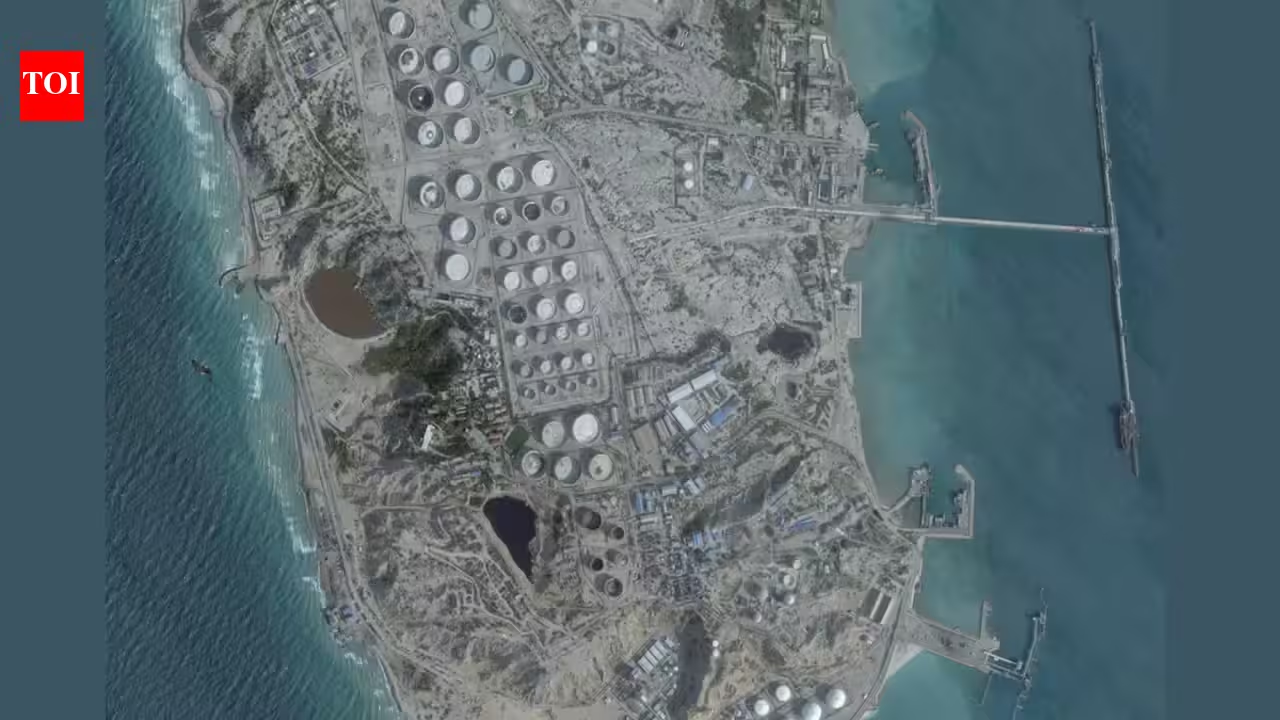
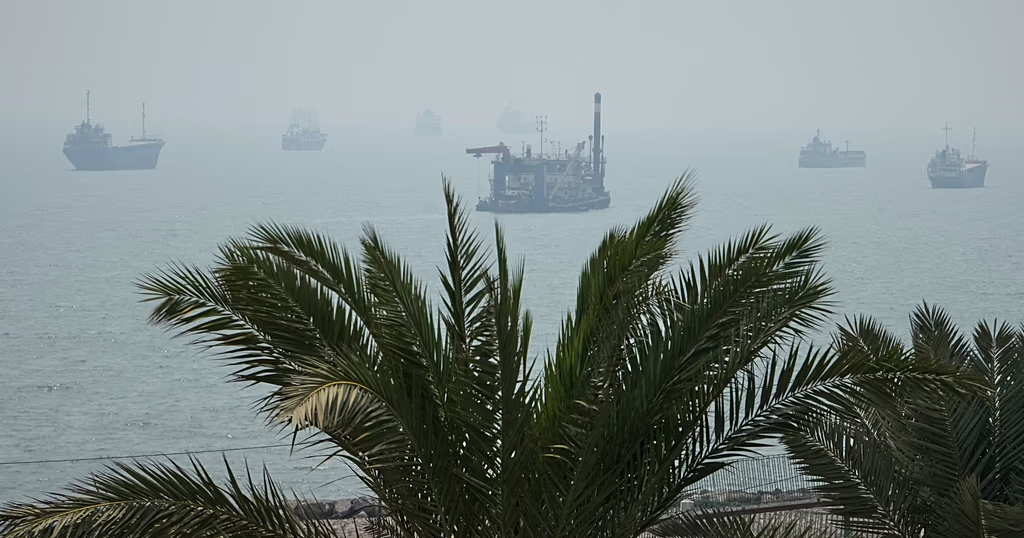
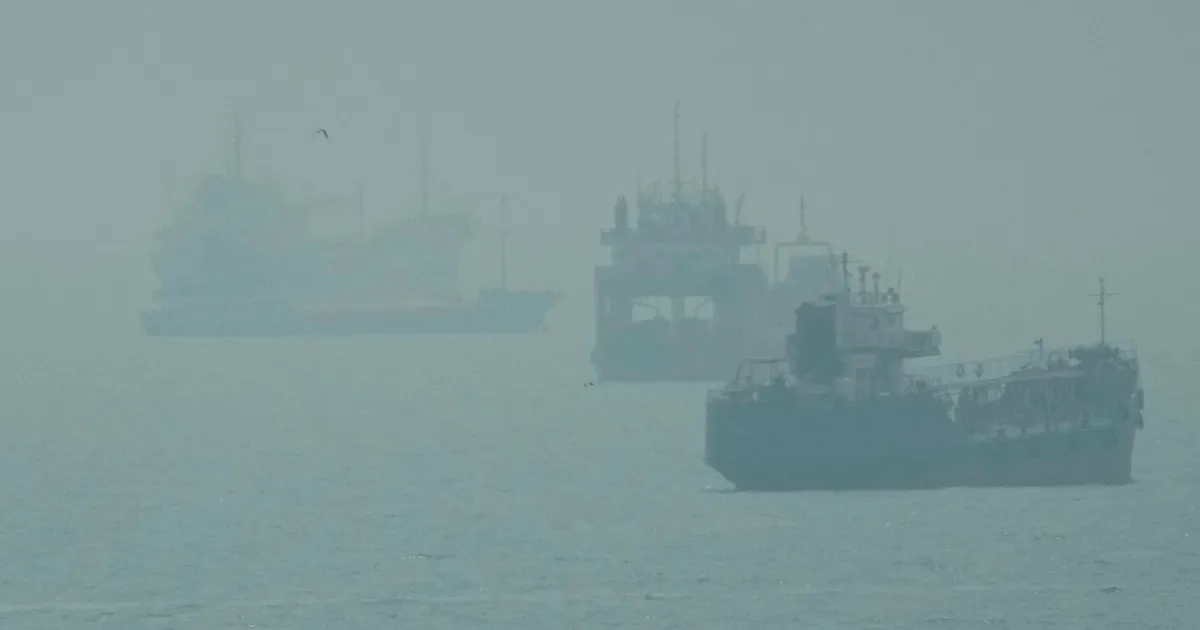
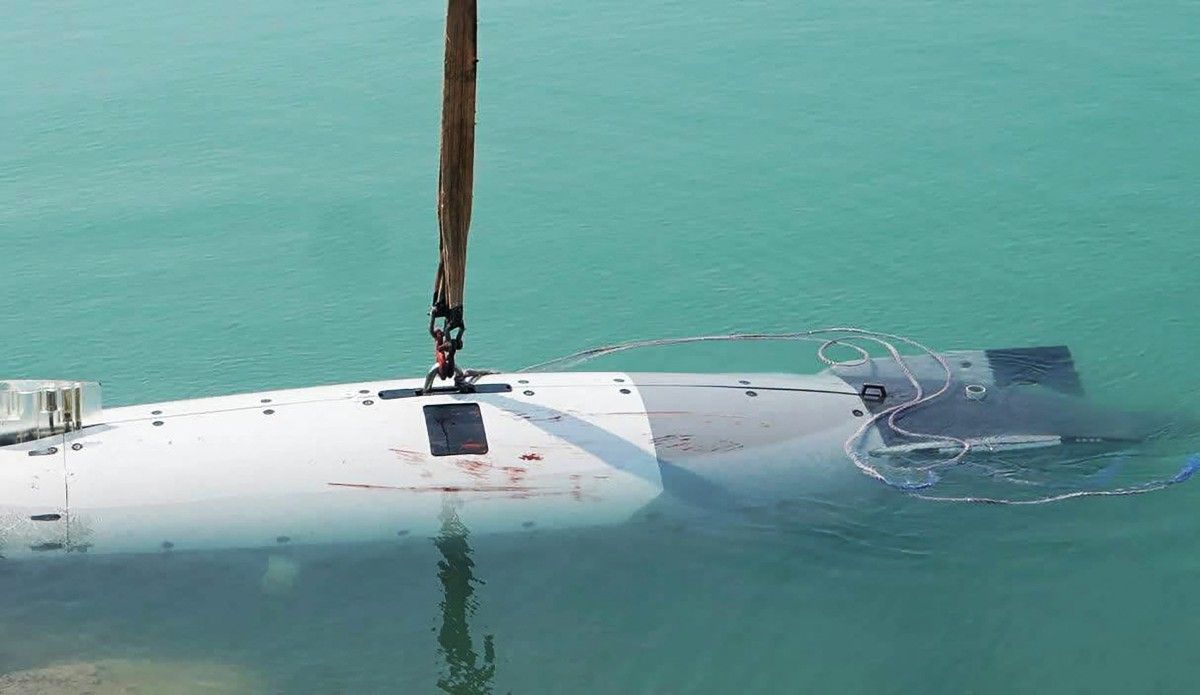
ALBAWABA- Iran’s Islamic Revolutionary Guard Corps (IRGC) Navy has warned crews aboard oil tankers in or near Kuwaiti and Bahraini ports to leave their vessels, saying the ships could become targets, in a major escalation of the U.S.-Iran confrontation threatening to turn the Gulf’s commercial shipping lanes into an active military theater.The warning came shortly after U.S. forces struck several Iranian oil tankers in regional waters. The U.S. military said the strikes were carried out after Iran launched ballistic missiles at U.S. Navy vessels. At least three Iranian tankers were struck, including one near Kharg Island, Iran’s principal crude-oil export hub. Iranian media reported that a tanker was hit by a U.S. missile several miles from Kharg Island and that its crew was evacuated. Separately, Iranian media reported explosions in the vicinity of Kharg Island and at the port of Jask on Tuesday, although the precise targets and extent of the damage remained unclear. The Pentagon had not immediately commented on the reported Kharg Island explosions. The latest U.S. strikes represent a significant expansion of the maritime confrontation. Washington has been seeking to restrict Iran’s oil exports through a naval blockade while simultaneously encouraging commercial shipping through the Strait of Hormuz. Tehran has responded by threatening to prevent shipping through the strategic waterway and warning that Gulf energy infrastructure could become a target if Iranian assets are attacked. The IRGC’s warning to tanker crews in Kuwait and Bahrain raises the possibility that Iran could extend retaliation beyond U.S.-flagged or directly U.S.-linked vessels to commercial shipping operating from Gulf ports. Such a move would significantly increase the risks to international energy supplies because the Strait of Hormuz remains one of the world's most important oil and gas transit routes.Shipping through the strait has already fallen sharply. Kpler data showed only seven commodity vessels transited the waterway on Monday, compared with eight the previous day, while some vessels may have been sailing with their tracking systems switched off. At the same time, traffic through the Bab al-Mandab Strait increased, suggesting that some operators may be seeking alternative routes around the escalating Gulf confrontation. The warning also follows earlier Iranian threats against Gulf energy infrastructure. Tehran has warned that U.S. oil and gas interests and other energy facilities in the region could be targeted if Washington continues attacking Iranian assets. The threats have already pushed up concerns about global oil supplies, with Brent crude approaching $100 a barrel. Kharg Island is particularly important because it handles the bulk of Iran’s crude exports. Any sustained disruption there could sharply reduce Iranian oil shipments and intensify pressure on global energy markets. The island has therefore become a central strategic target in the maritime dimension of the U.S.-Iran confrontation.The latest escalation follows a series of attacks involving U.S. warships and Iranian forces. Iranian forces have attempted missile attacks against U.S. naval vessels, while Washington has responded by striking Iranian military and oil-linked assets. Iran has also claimed to have seized a U.S. underwater drone near the Strait of Hormuz, although U.S. officials said the device had malfunctioned and was an older system without sensitive equipment. The immediate concern is that the conflict could develop into a wider “tanker war”, in which commercial vessels become targets or are forced to remain in port. Such a scenario would threaten not only Iranian exports but also the energy shipments of Kuwait, Bahrain, Saudi Arabia, the United Arab Emirates and Qatar, with consequences far beyond the Middle East.The confrontation is also unfolding alongside renewed Houthi attacks on Saudi Arabia. On Tuesday, the Houthis launched missiles and drones against several Saudi cities, injuring at least 73 people and setting fires at oil facilities. The parallel escalation in Yemen and the Gulf risks creating a wider regional conflict affecting both major energy producers and the world's most important maritime chokepoints.