Commentary
Limiting global warming to 1.5°C was a wonderful aspiration for the world, but it was a long shot, says a professor.
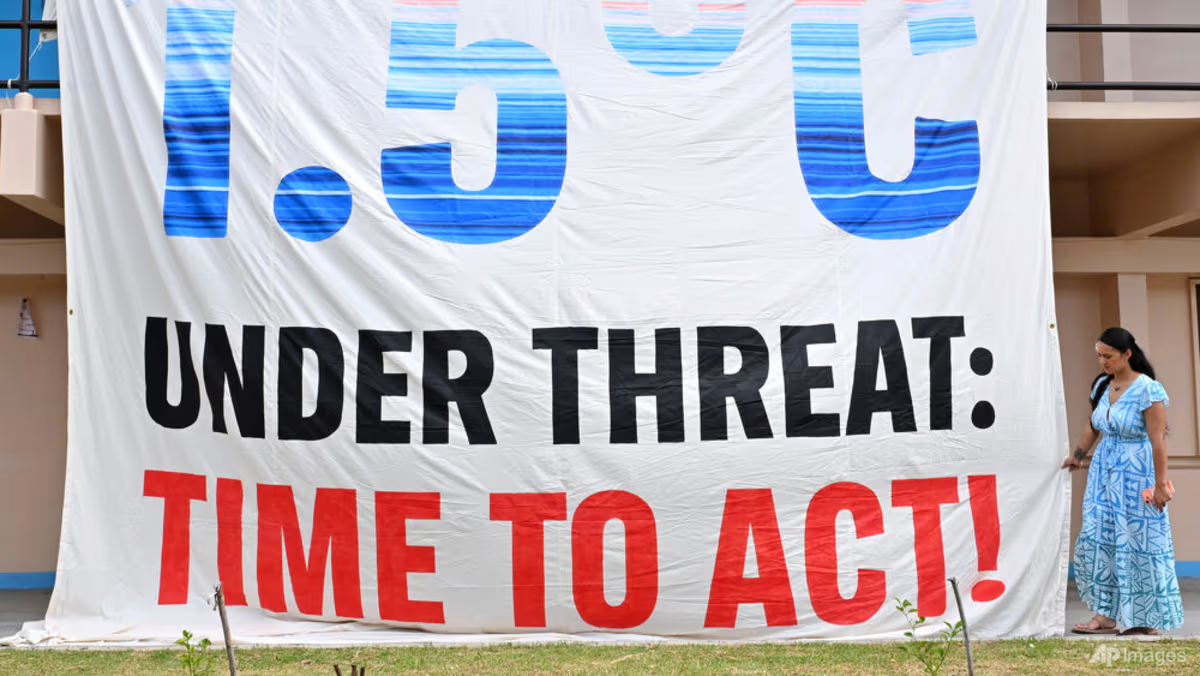
A climate change banner is unfurled by Greenpeace during the Pacific Islands Forum Leaders Meeting in Koror, Palau, Sep 2, 2026. (Photo: AAP Image via AP/Mick Tsikas)
09 Sep 2026 05:59AM
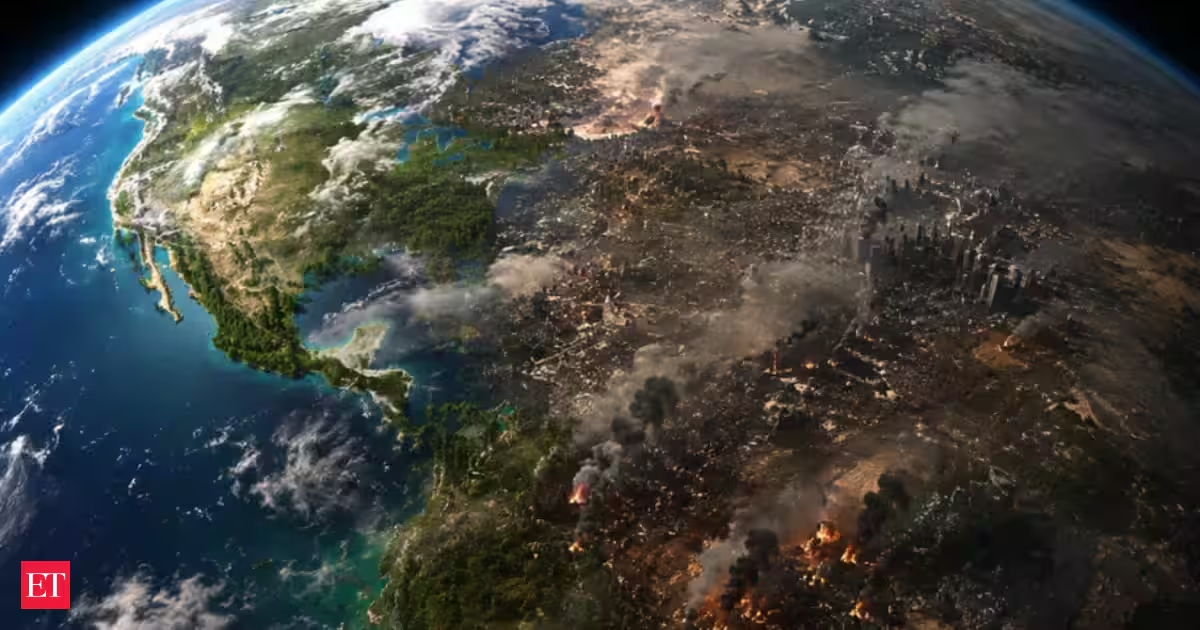
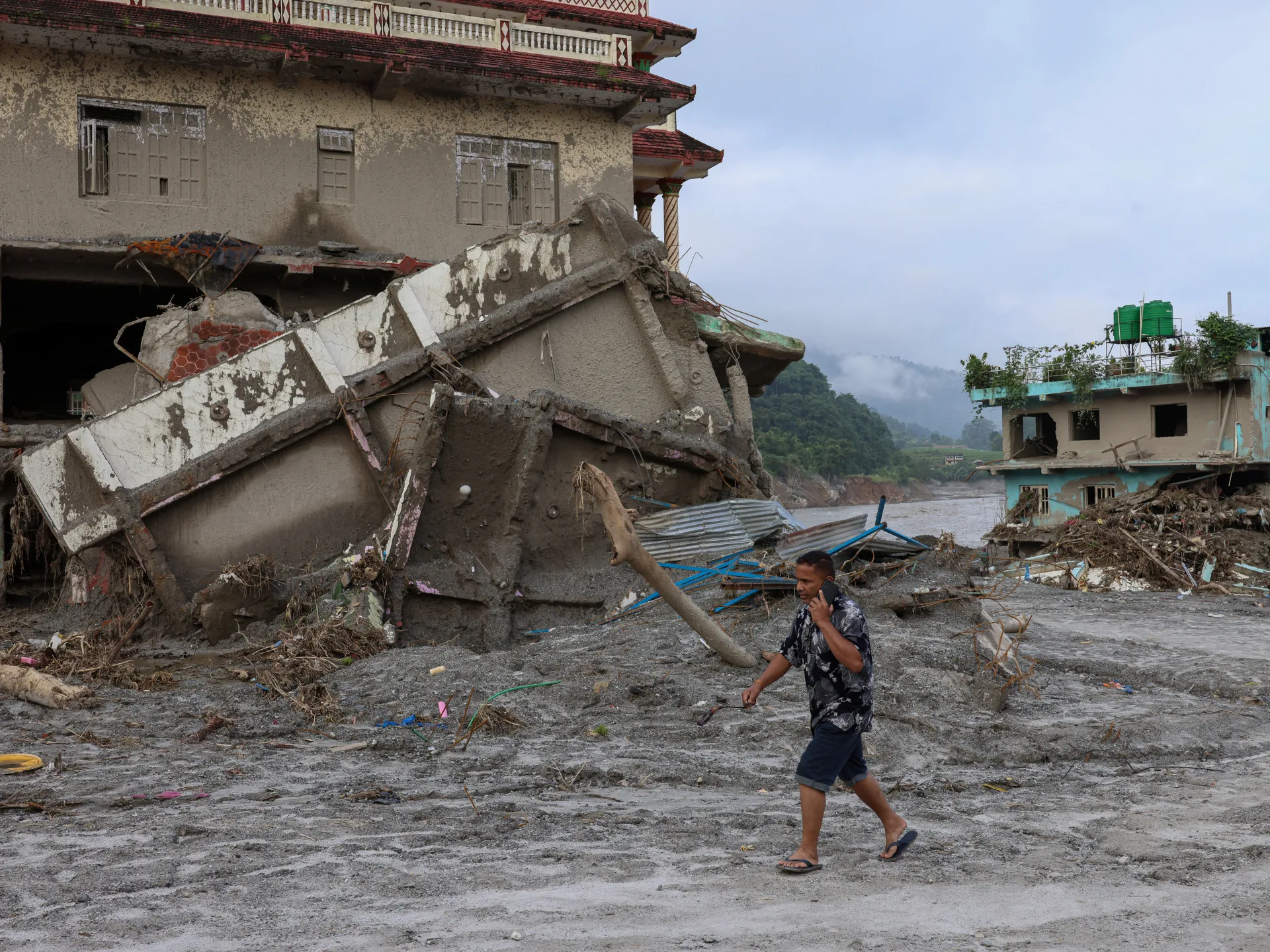
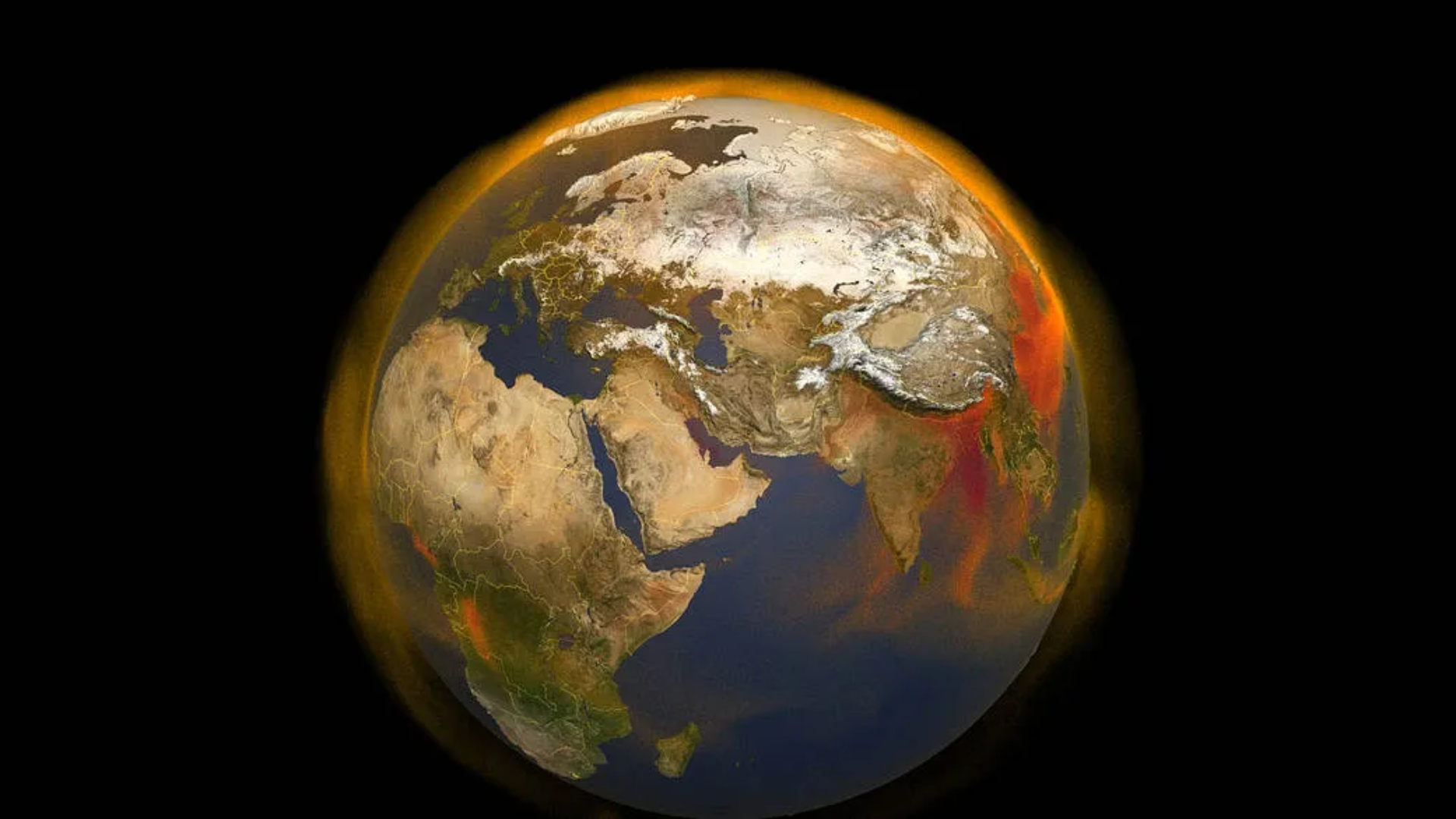
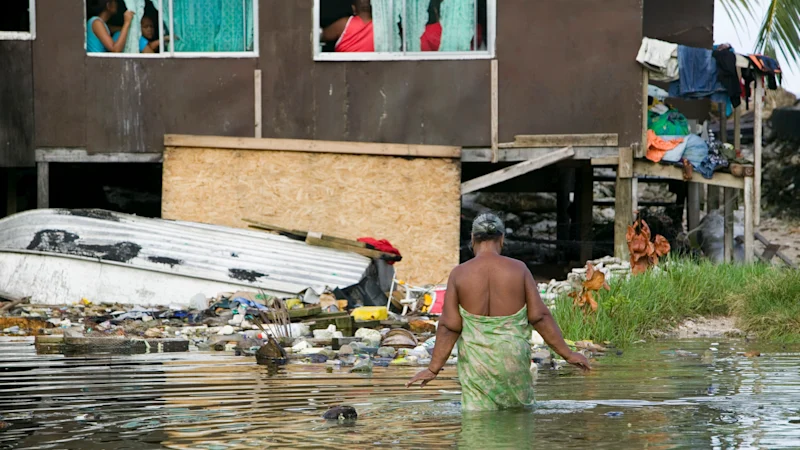
MONTREAL: The news has been full of headlines about findings from a United Nations report: The world is set to exceed the 1.5°C global warming target set out in the 2015 Paris Agreement. The report has raised concerns and questions about what a 1.5°C increase could mean for our world.As an Earth system scientist who has researched many aspects of the carbon cycle and long-term climate change, I was not surprised at the report’s findings. The scientific community saw this grim milestone coming from a long way off.The vagaries of weather might make it seem that climate is fickle and prone to abrupt turns. Climate extremes often strike without warning, suddenly erupting across our news feeds – or, if we are unlucky, into our own lives – like bolts from the blue.But global warming is like a freight train. It is massive, slow and has tremendous inertia. That inertia comes from the slow thermal adjustment of the planet’s oceans and atmosphere to the carbon dioxide we emit.