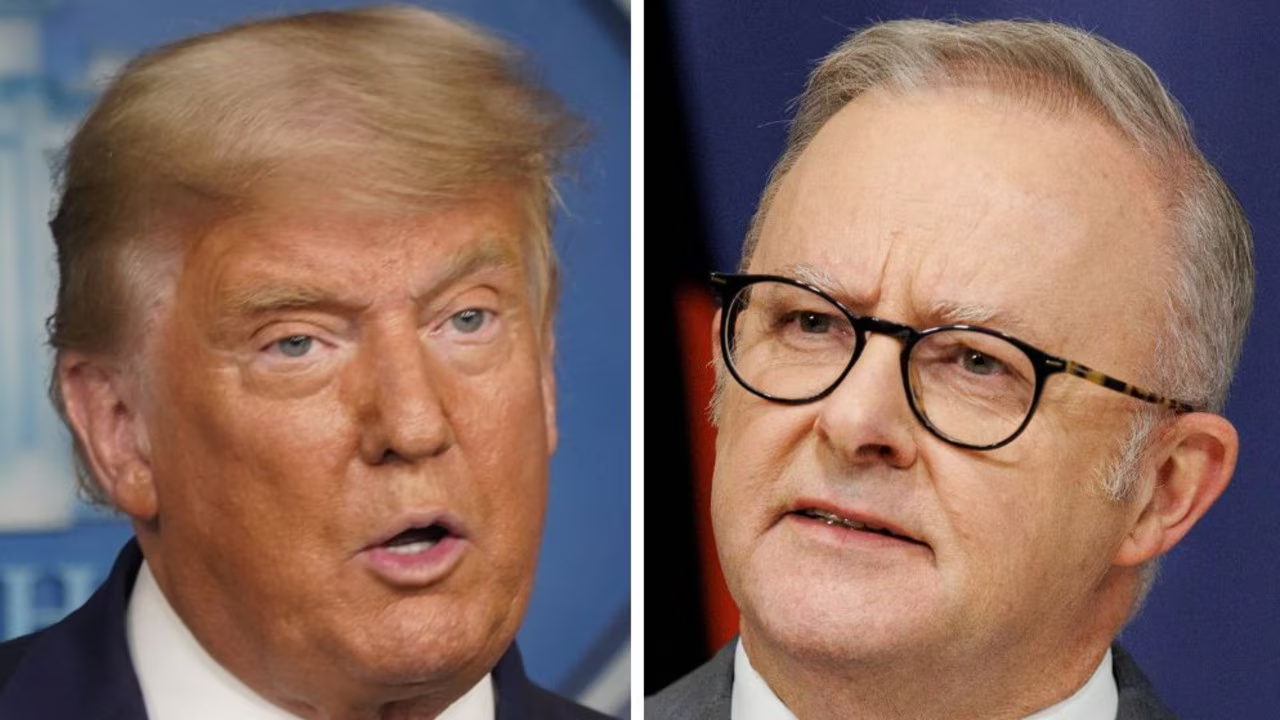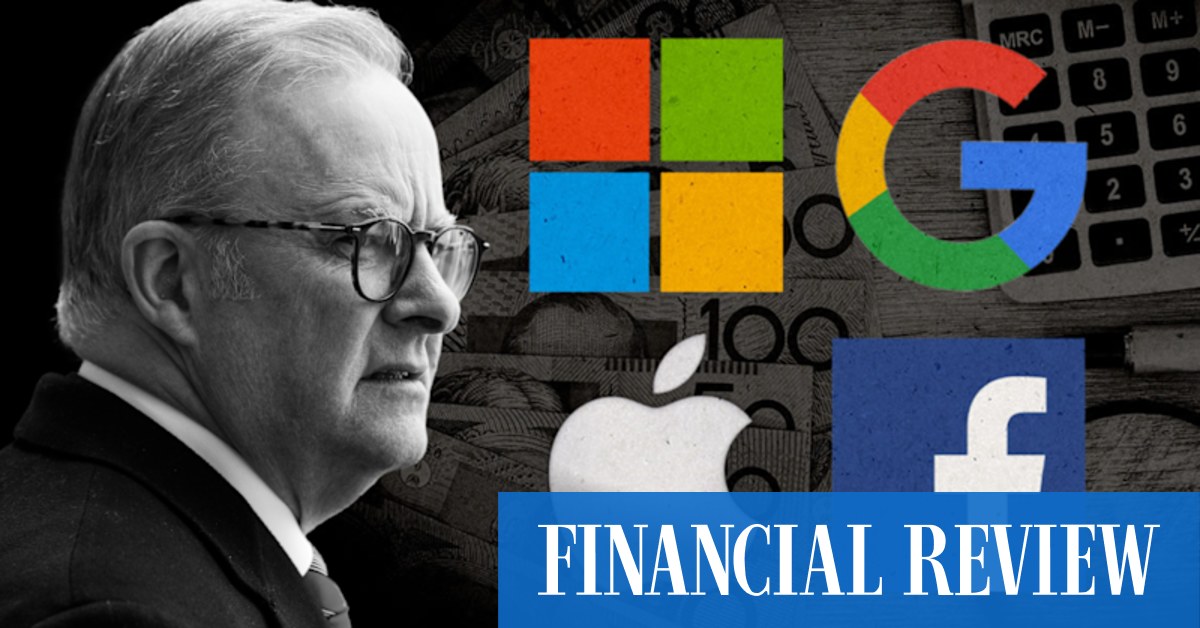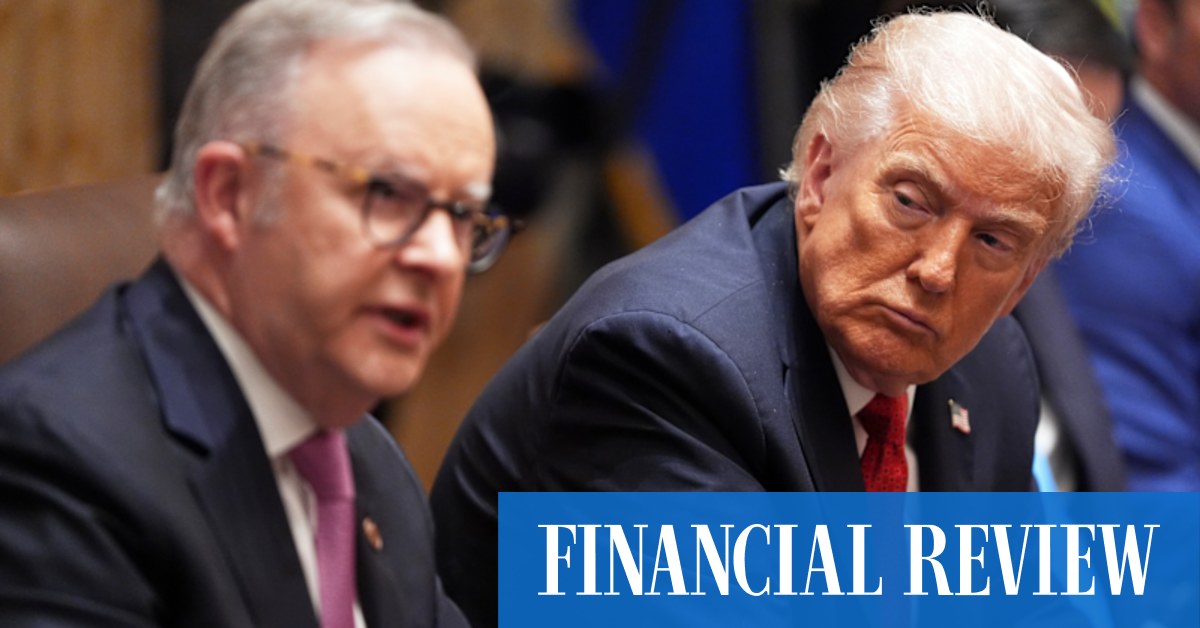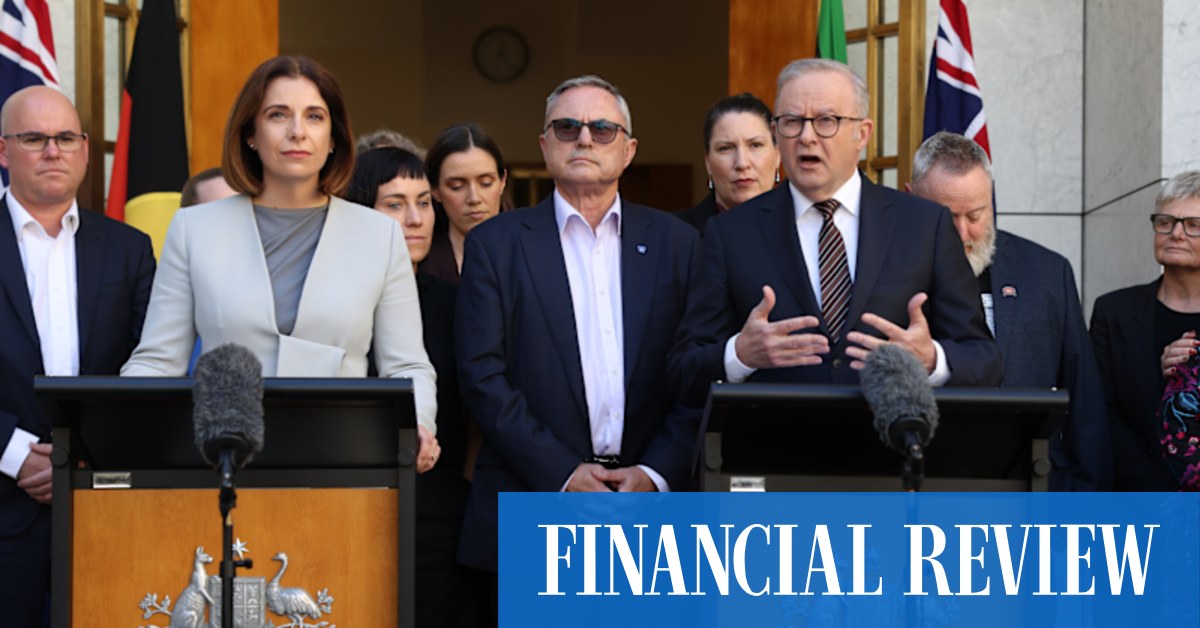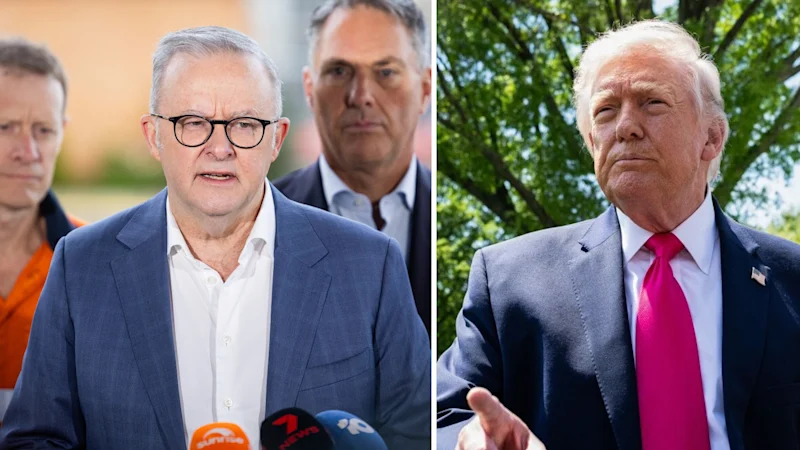
Updated September 9, 2026 — 4:10pm,first published September 9, 2026 — 7:44amWashington: The White House has signalled concerns over Australia’s latest plan to clamp down on social media and the predominantly American tech companies, warning that President Donald Trump has made it “unequivocally” clear that he considers such policies extortionate.It comes as the National Foreign Trade Council, a US business association, slammed last week’s change by the Australian Tax Office, which treats revenue from cloud computing and streaming services as a royalty, subjecting it to a higher tax rate.Anthony Albanese and Donald Trump.BloombergThe policies add to frustrations in the Trump administration and US business community about Australia’s increasing regulation of social media and technology, although Prime Minister Anthony Albanese says he will determine policy “based upon the Australian national interest”.Albanese announced on Tuesday that the government will impose a duty of care on digital platforms to ensure users under 18 are protected from harmful content – including that which promotes eating disorders, “hostile ideas” about women and gender, pornography, or content that causes serious mental health distress, such as abuse and bullying.Tech companies will be liable for fines exceeding $100 million for breaches of that duty of care. They will also be compelled to send notifications to new and existing users, offering them a choice over their default feed and the ability to opt out of a feed recommended by an algorithm.Asked about the latest policy changes, White House economics spokesman Kush Desai said: “President Trump has unequivocally warned trading partners against imposing digital services taxes, fines, and other forms of extortion on America’s leading technology sector. The [Trump] administration remains committed to raising these issues with our trading partners.”The White House has previously labelled the News Bargaining Incentive – which levies social media companies to help pay for Australian news journalism – an example of extortion.Meanwhile, the National Foreign Trade Council – chaired by former US trade ambassador Susan Schwab – slammed the ATO ruling that will make revenue from cloud computing and streaming service in Australia liable for royalty payments.The landmark ruling threatens to impact companies such as Amazon, Google, Microsoft, Apple, Spotify and Netflix, all of which are American, but could raise billions for the Australian treasury.Anne Gordon, vice-president for international tax policy at the NFTC, said the organisation was “extremely concerned that the ATO has decided to double down on its unprincipled approach to routine business transaction”.“This guidance continues to run counter to international tax norms, including unilaterally reinterpreting the US-Australia Tax Treaty,” she said. It would also erode investor confidence in Australia, she argued.“Broadly speaking, Australia has become more and more aggressive on the tax front, and a less and less hospitable environment for investment across the board,” Gordon said.Despite the concerns from industry and the Trump administration’s antipathy towards digital services taxes – especially in Europe – Trump himself has not targeted Australia over its creeping tech regulations to date.He did not raise the News Bargaining Incentive during a recent phone call, and sources within the Australian embassy in Washington believe the level of interest from the White House – compared to trade disputes with China or Canada, for example – is low.Albanese and Trump are due to attend the United Nations General Assembly in New York later this month, although they are not expected to have a formal meeting.“We’re a sovereign nation; we decide our policies based upon the Australian national interest,” Albanese said on Tuesday when asked about inevitable US pushback.“But my relationship with the US president is indeed very good, and I look forward to seeing President Trump in New York in a couple of weeks’ time.”On Wednesday, Communications Minister Anika Wells said she had never been approached by the US Consul General about Australia’s tech reforms.“Obviously, I’m not the only person who engages with the US across the ministry, but in this particular piece of work, I wouldn’t say that I have had that piece of feedback communicated to me, or meetings sought, and I think that’s because this is a long-standing piece of work.”Cut through the noise of federal politics with news, views and expert analysis. Subscribers can sign up to our weekly Inside Politics newsletter.From our partners
Trump spokesman cautions Australia over latest plan to punish Big Tech
The White House views social media regulation as a kind of “extortion” and has suggested that officials will raise Australia’s new laws in future trade talks.
699 words~3 min read