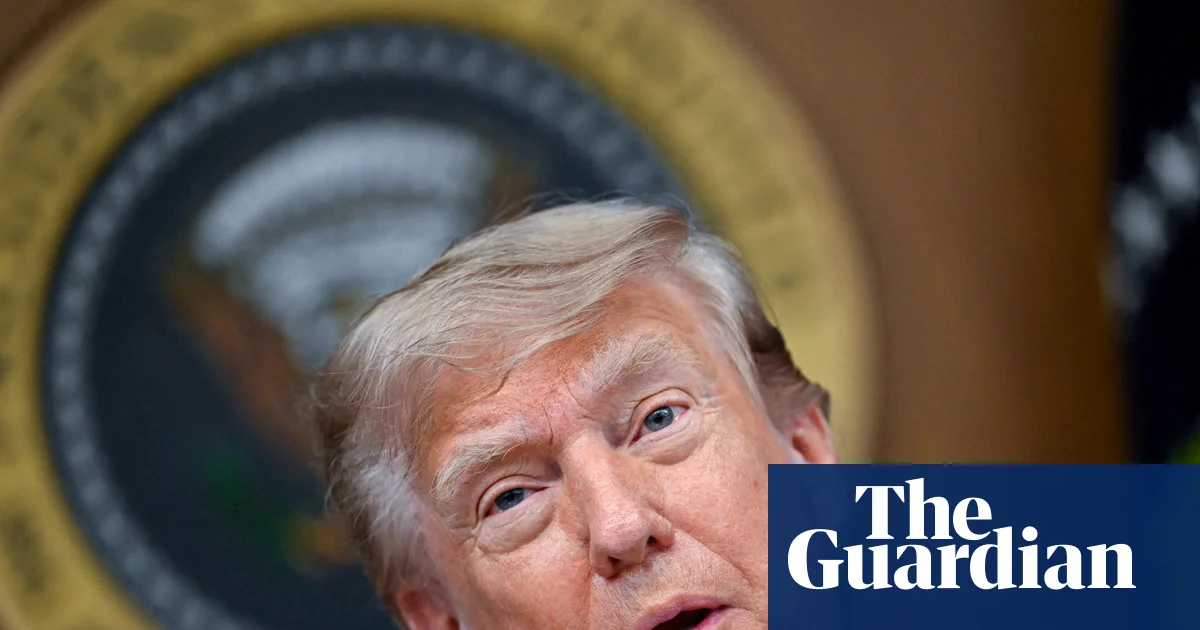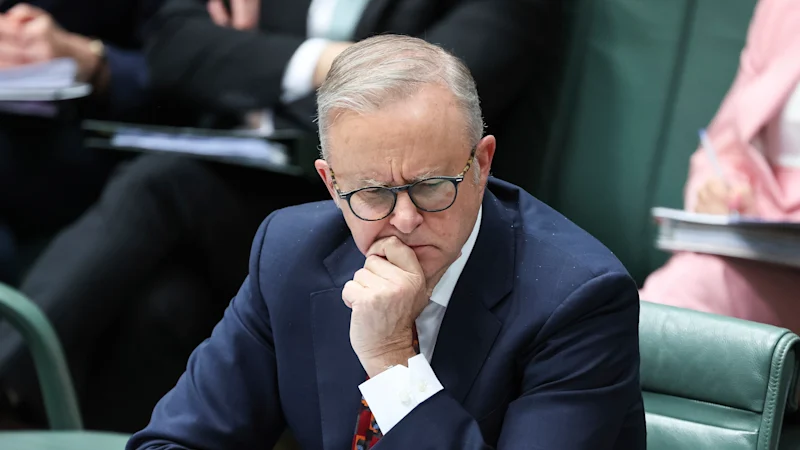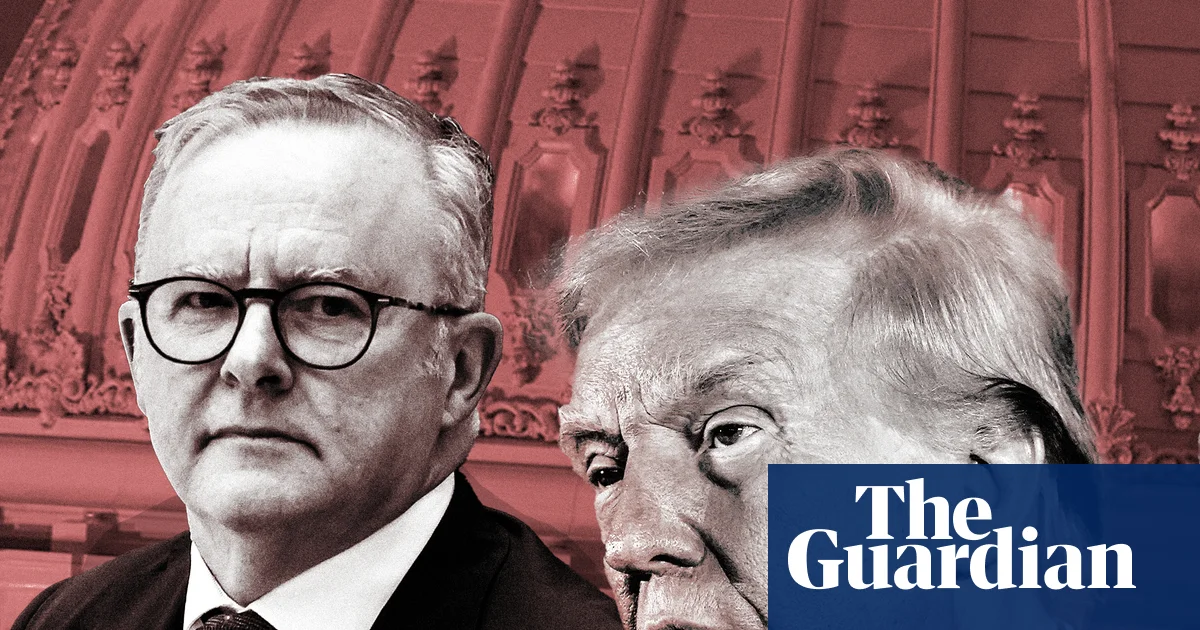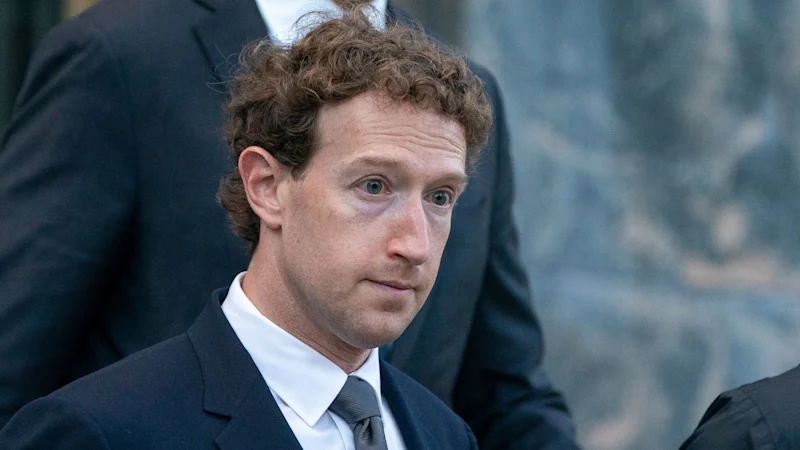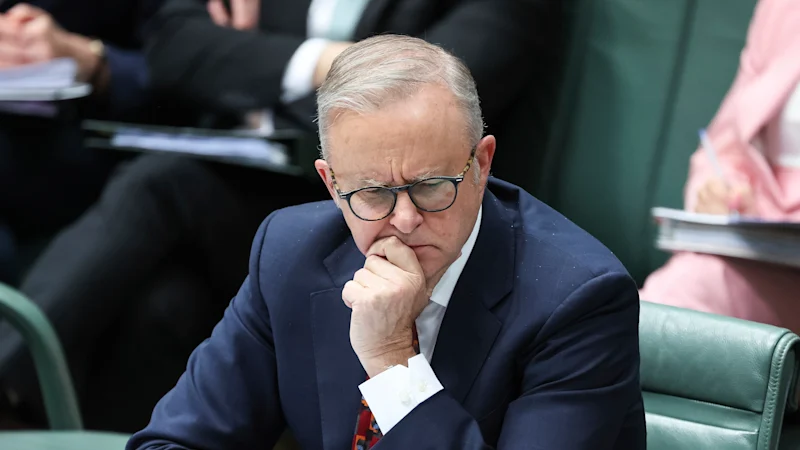
August 5, 2026 — 9:49amWashington: US industry has slammed “cosmetic” changes to Australia’s plans to force big tech companies to pay for news, while the Trump administration renewed its position that the policy extorts American companies.The Albanese government this week finalised legislation for its News Bargaining Incentive, which aims to raise up to $250 million from tech companies – most of which are US-owned – to pay local media firms for journalism content that appears on social media.Anthony Albanese is set to visit the US in September facing strong pushback to his News Bargaining Incentive legislation.Alex EllinghausenChanges include narrowing the taxable base to digital advertising revenue earned in Australia, rather than all Australian revenue, but increasing the levy to 2.5 per cent from 2.25 per cent.Companies can offset that rate by striking individual, tax-deductible deals. The levy has also been broadened to include social media platforms TikTok and LinkedIn.The Trump administration has strongly condemned digital services taxes – mostly in Europe – and the US trade office already had the News Bargaining Incentive on its watchlist. On Wednesday, the US State Department indicated the administration retained concerns about Australia’s policy.“As the White House has stated, President Trump is committed to defending America’s leading technology sector from digital services taxes and other forms of foreign extortion,” it said. “The Trump administration will continue to address these issues with our trading partners.”The Trump administration has attacked the legislation as “extortion”.APAsked whether the concerns had been raised with Australian diplomats, the department said it did not comment on private conversations or characterise confidential exchanges.Mark Zuckerberg’s Meta, which owns Facebook and Instagram, and Google have so far declined to comment on the latest version of the policy. But their representatives in Washington signalled that the companies remain unhappy and are prepared to fight it using the Trump administration.The Computer & Communications Industry Association, which counts Meta and Google among its members, said the changes to the tax were “for the most part cosmetic” and “critically, do not alter the discriminatory nature of the proposal”.“Targeting a select few foreign firms, mainly American, to fund Australian News businesses, remains a bad policy that is inconsistent with the Australia-US free trade agreement,” said the organisation’s vice president for digital trade, Jonathan McHale.”Australia should abandon this misguided approach and if it chooses not to, US authorities should respond vigorously.McHale was a long-time senior official at the US Trade Representative, the office responsible for trade deals and tariffs.The National Foreign Trade Council, a US industry group with Meta, Google and Microsoft in its membership, said it was disappointed that Australia was sticking with the policy and that it now covered a broader spectrum of US companies.Tiffany Smith, the group’s vice-president for global trade, said the Trump administration was “committed to the fair treatment of American companies abroad”.“We call on the Australian government to reconsider this measure, which adds to a broader deteriorating trend in the tax and investment climate in Australia,” she said.The NFTC is chaired by Susan Schwab, a Republican who served as the US Trade Representative under president George W. Bush.The Trump administration has taken a hard line against countries that place additional tax or regulatory burdens on predominantly American tech companies.At a hearing on the president’s trade agenda two weeks ago, Senate Finance Committee chairman Mike Crapo, a Republican, condemned “a growing array of discriminatory measures in the form of digital services taxes, online content requirements and data localisation”, saying they targeted US firms and posed a threat to American innovation.The News Bargaining Incentive is one of several issues that pose a challenge for the new Australian ambassador to the US, Greg Moriarty, as well as the incoming US ambassador to Australia, David Brat, a former Republican congressman set to be confirmed in the diplomatic role this week.Australia was also hit with a new 12.5 per cent tariff due to Canberra’s alleged failure to deal with imports produced with forced labour. On Monday (US time), 25 Democrat-run states lodged a legal challenge to those tariffs at the Court of International Trade.It comes ahead of US visits by Prime Minister Anthony Albanese, who is expected to go to New York in September and attend the G20 in Miami in December, and Foreign Minister Penny Wong, who is due to attend a G20 meeting in Atlanta in October.Albanese previously suggested he wouldn’t be swayed by pushback from the White House. “We’re a sovereign nation, and my government will make decisions based upon the Australian national interest,” he said in April. “We do that right across the board.”Meta and Google did not respond to requests for comment. Microsoft, which owns LinkedIn, said it shared the government’s objective of promoting a sustainable news ecosystem and appreciated the consultation.“We remain committed to constructive engagement with government, publishers and industry stakeholders to support high-quality journalism, innovation and economic growth,” it said.Get a note directly from our foreign correspondents on what’s making headlines around the world. Sign up for our weekly What in the World newsletter.From our partners
Tech industry slams ‘cosmetic’ changes to news levy, US renews ‘extortion’ claim
Changes to Australia’s plan to force big tech companies to pay for journalism that appears on social media appear still not enough to satisfy US firms or President Donald Trump.
TL;DRAI
Australia implemented a 2.5% levy on US tech firms' ad revenue—Meta, Google, TikTok, LinkedIn—to fund journalism. Trump administration denounces it as "extortion"; signals geopolitical friction over digital taxes with potential global spillover.
835 words~4 min read