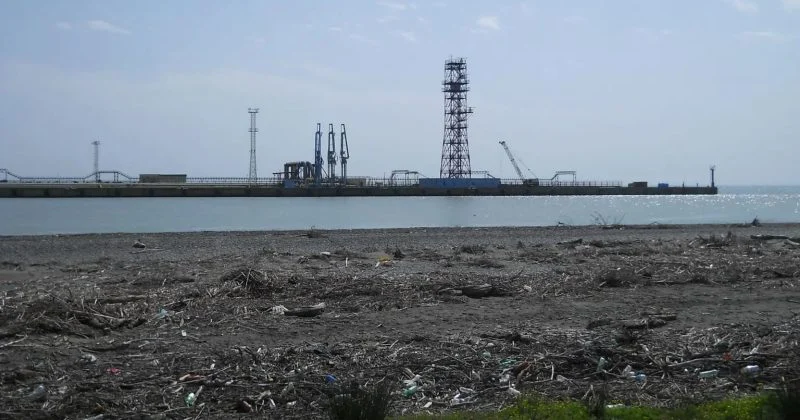
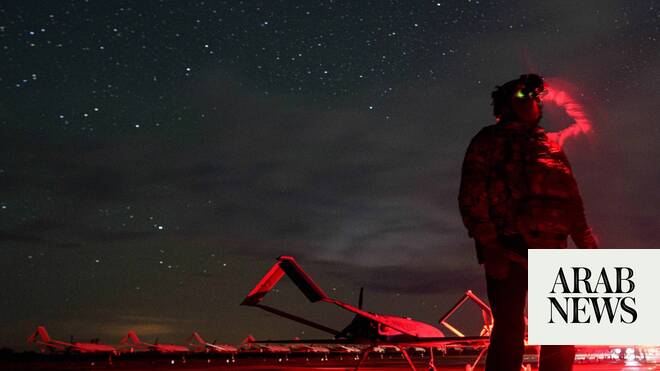
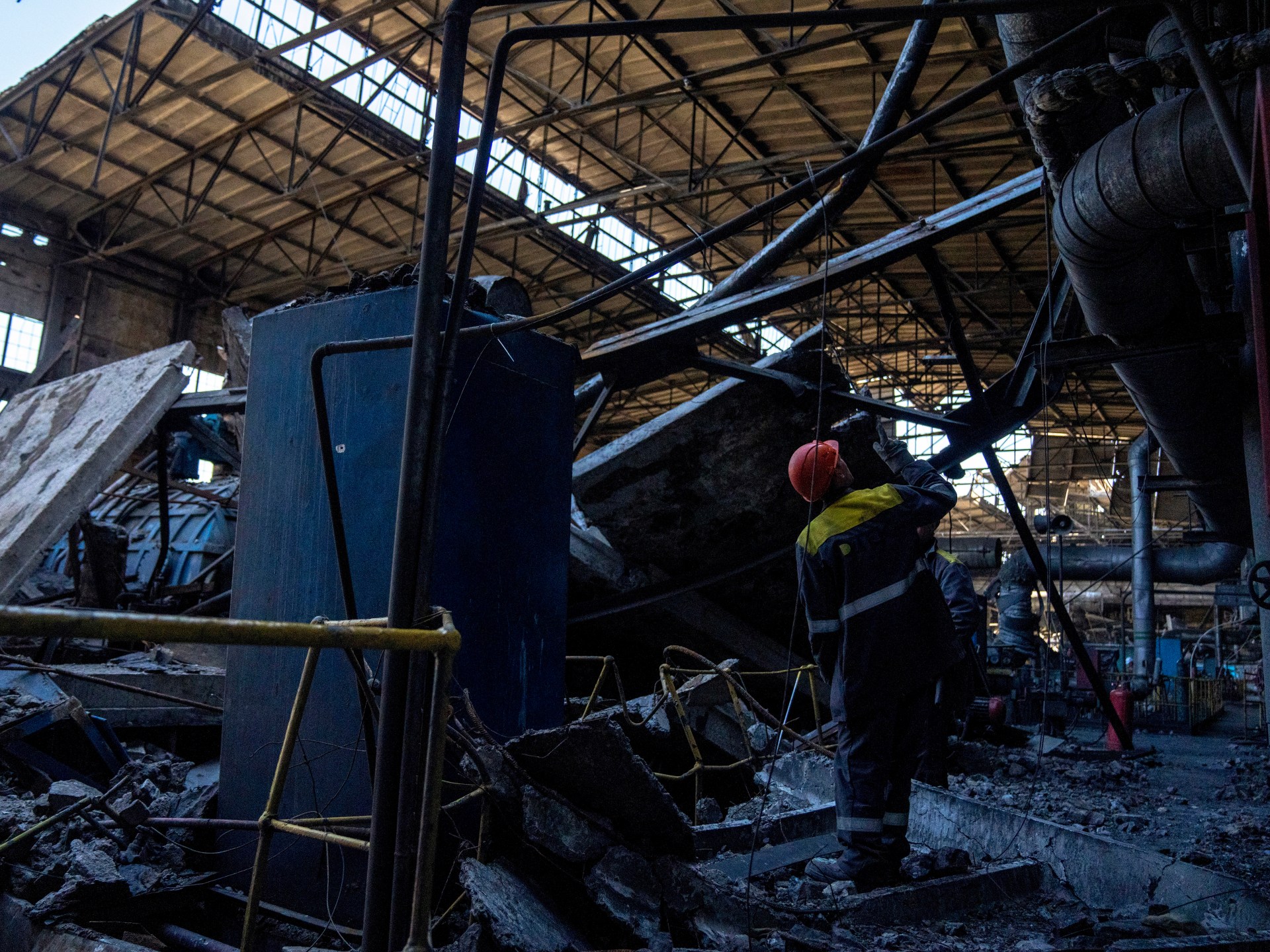
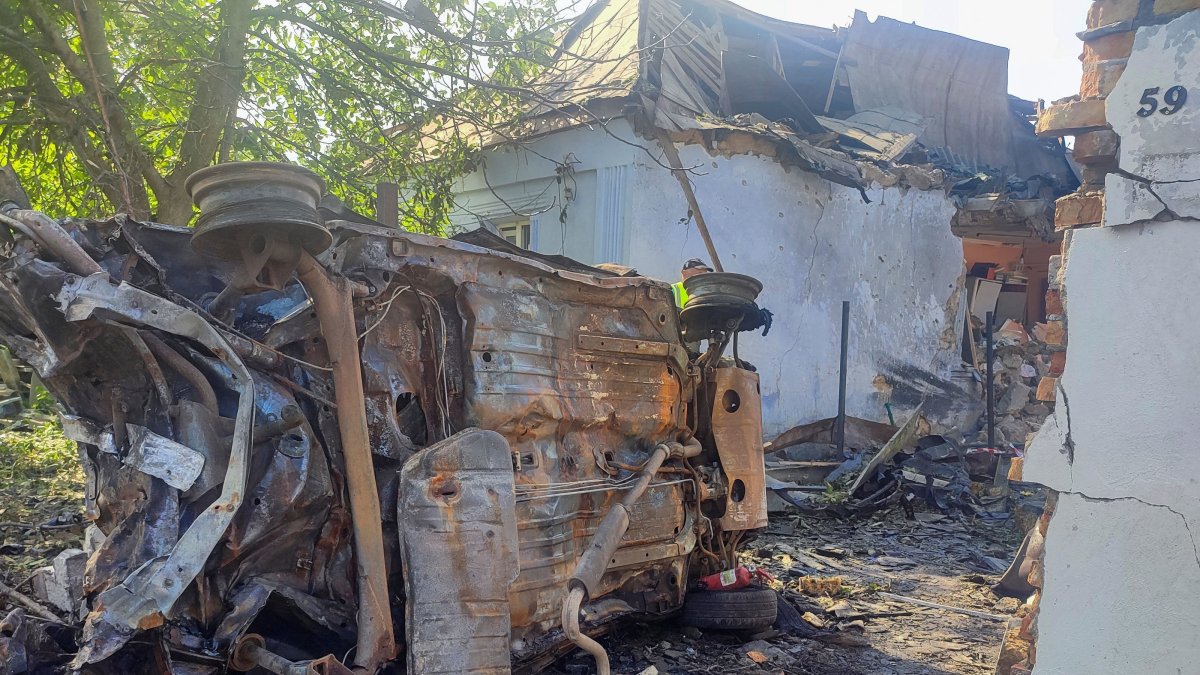
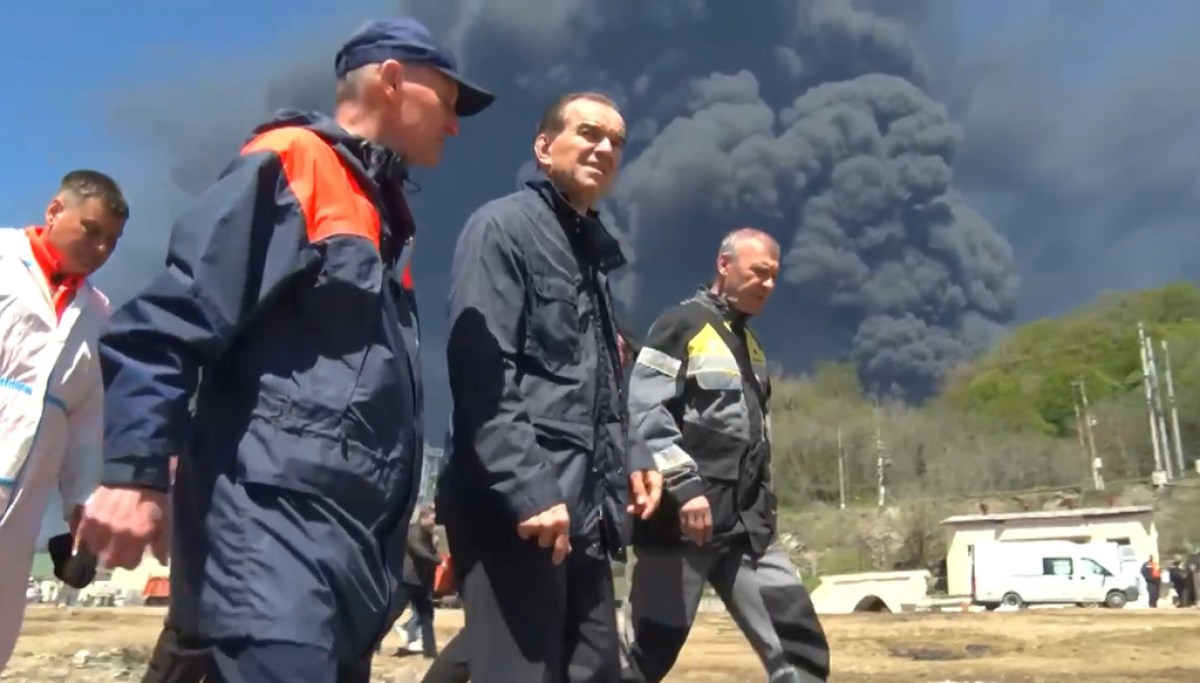
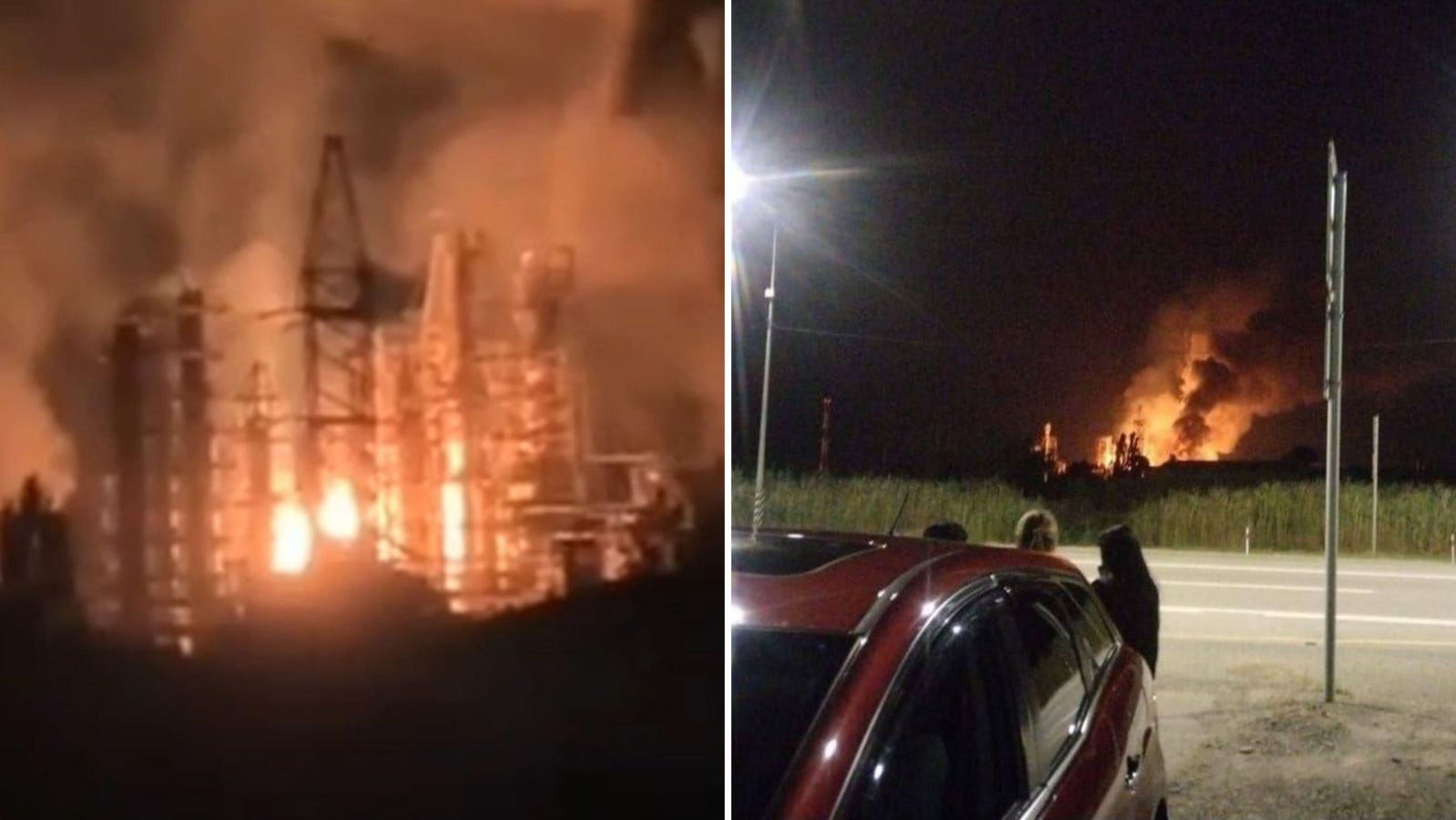
For years, Russia wielded its energy capacity as a weapon against its neighbors to manipulate, coerce, and control. Ukraine’s strategic bombing campaign is now turning this energy weapon against Moscow itself.
Since the start of 2026, Ukraine has dramatically increased drone strikes on Russia’s energy infrastructure. This has already sparked the country’s worst fuel crisis since the collapse of the Soviet Union. As the impact spreads, it is spilling into territories Russia occupies and patronizes to project power. This is exposing a vulnerability that the Kremlin may lack the capacity to easily address.
By late August, months of Ukrainian drone strikes had reportedly left more than 70 percent of Russian gas stations without fuel. To stabilize the domestic market and offset the shortfall from refineries running at historic lows, the Kremlin has imposed export bans on a range of fuels, and has begun importing gasoline from India for the first time.
Temporary fuel rationing has been introduced in more than half of Russia’s administrative regions, with shortages even reaching the privileged population of Moscow. In recent months, lack of petrol has led to visible discontent across Russian social media, fueling multiple flareups at gas stations across the country.