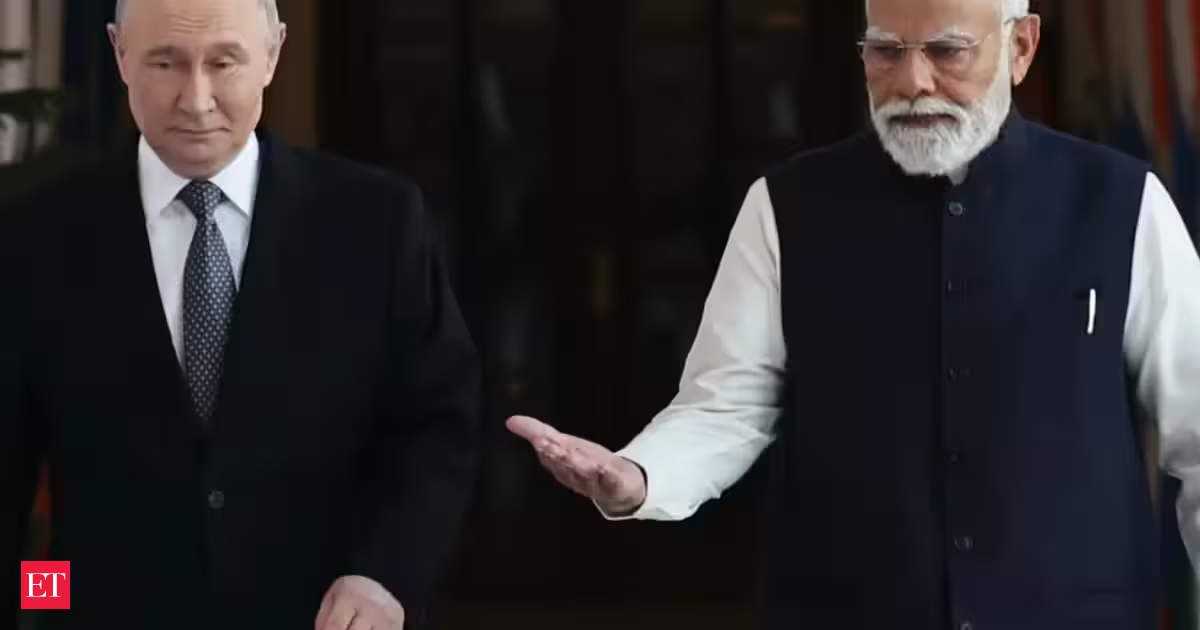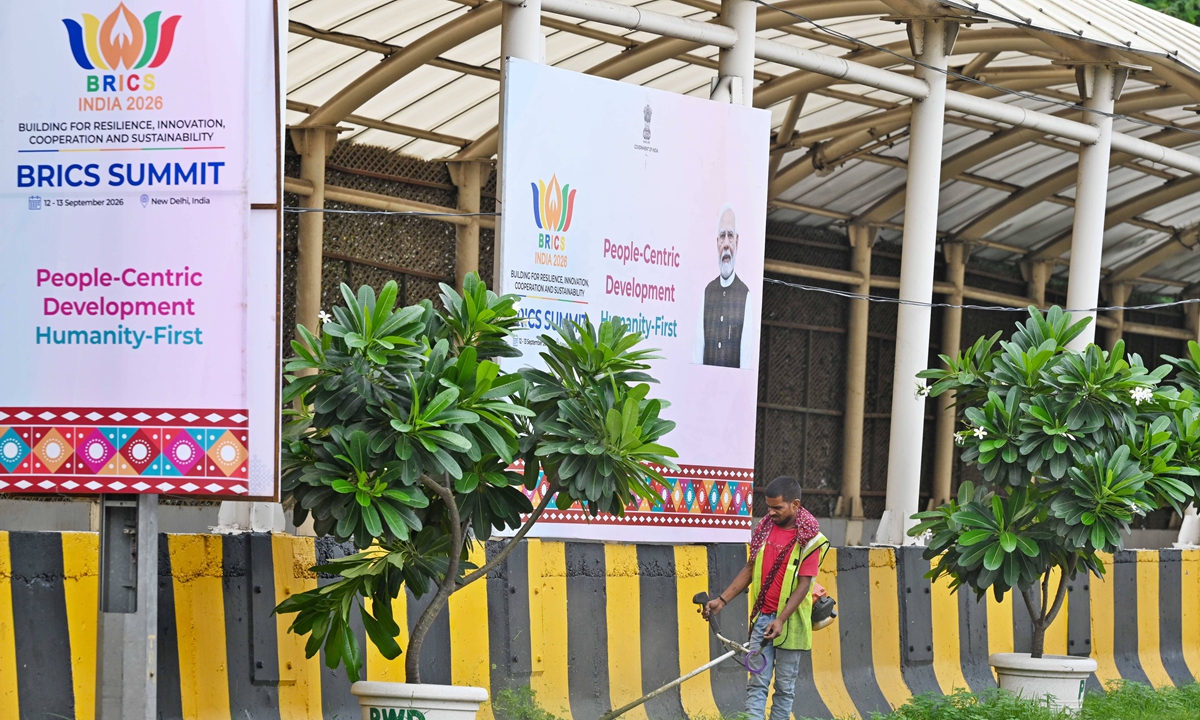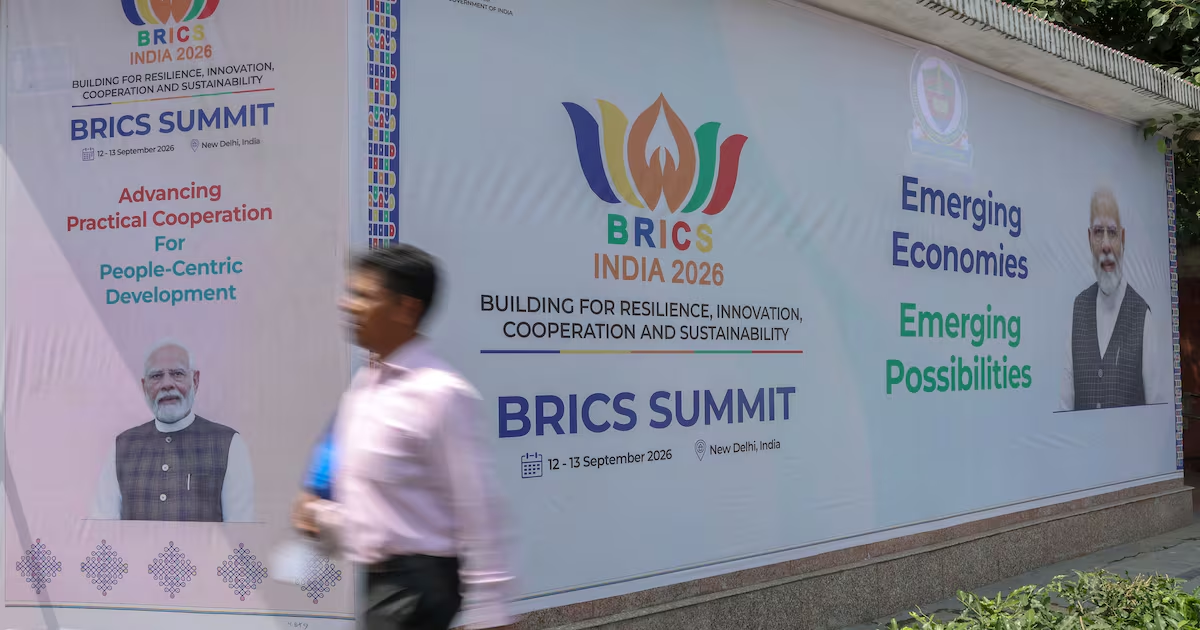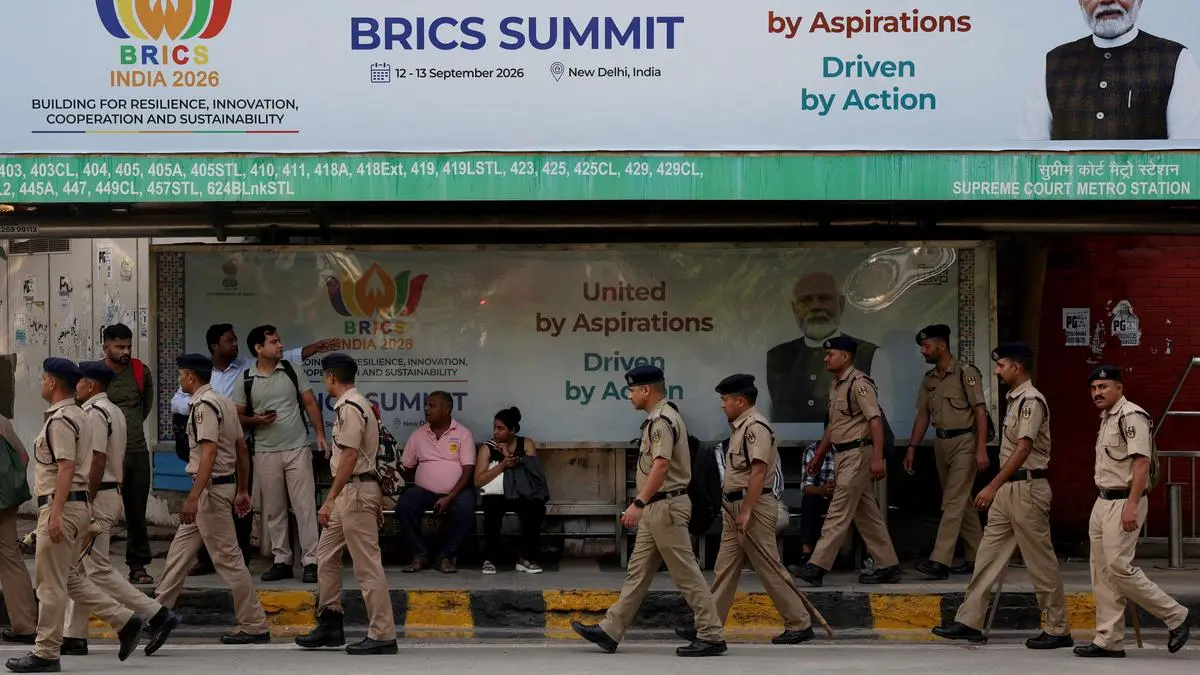
Police personnel move past a hoarding featuring India's Prime Minister Narendra Modi displayed near Bharat Mandapam, ahead of the upcoming BRICS Summit in New Delhi
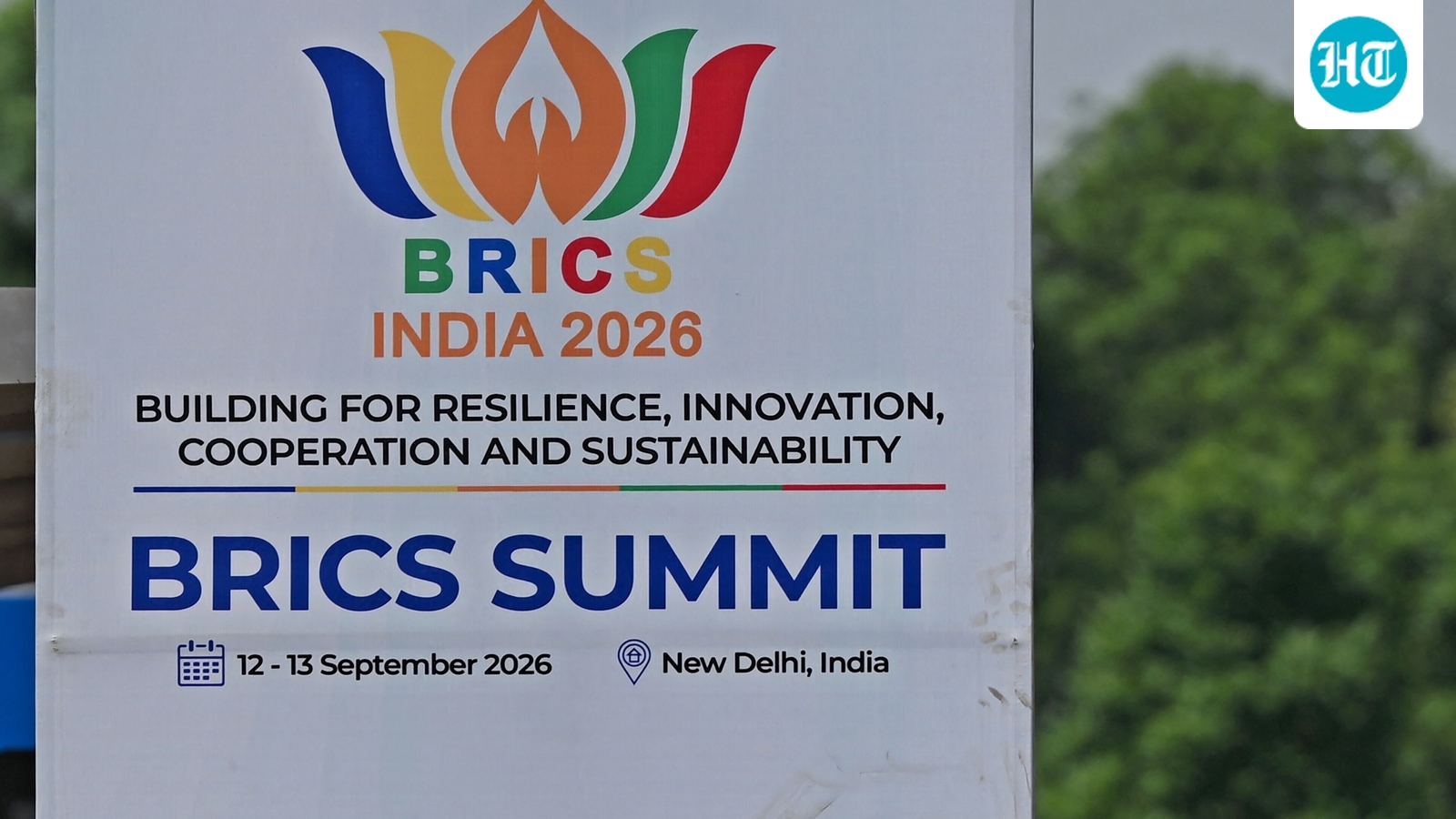
BRICS member countries could take forward a proposal to create an invoice-discounting mechanism for small businesses, along with a broader package on global value chains and digital trade, at the upcoming leaders’ summit in New Delhi, following agreements reached by trade ministers in Jaipur last month, said sources. Such a mechanism can help an exporting MSME raise finance against an unpaid invoice, instead of waiting for its overseas buyer to pay an invoice after 60, 90 or 120 days. The Jaipur Consensus, adopted at the 16th BRICS Trade Ministers’ Meeting, provides for a study of a BRICS invoice discounting mechanism aimed at easing the trade-finance constraints faced by MSMEs.The BRICS Summit, to be hosted by New Delhi on September 12-13, will be attended by leaders from all member countries, including Brazil, Russia, India, China, South Africa and the new additions — Iran, the UAE, Egypt, Ethiopia, Saudi Arabia and Indonesia.Trade Ministers also agreed on guiding principles for credit assessment of export-oriented MSMEs, with the aim of enabling lenders to assess firms based more on their cash flows and business prospects rather than assets and collateral. The measures are part of the BRICS workplan on the internationalisation of MSMEs.“The proposals could get political backing from BRICS leaders as part of the economic agenda being prepared for the summit. The global trade-finance gap, estimated at about $2.5 trillion, disproportionately affects smaller businesses that often struggle to obtain working capital even after securing export orders,” said a source tracking the matter.global value chainsThe Trade Ministers also adopted a BRICS workplan on global value chains, including an Action Plan for 2026-30. The plan envisages setting up a BRICS Technical Council, launching BRICS Connect and undertaking a joint study on global value chains. It also seeks to promote greater market access and economic diversification among member countries, with discussions covering potential strategic supply-chain and investment-promotion platforms in areas including pharmaceuticals and food security.“Another proposal that could be carried to the summit is a set of BRICS principles to facilitate digitally delivered services across borders. The framework seeks to promote cooperation in the provision of such services while ensuring they remain safe and secure, reflecting the growing importance of digital trade for emerging economies,” said the source.Published on September 8, 2026