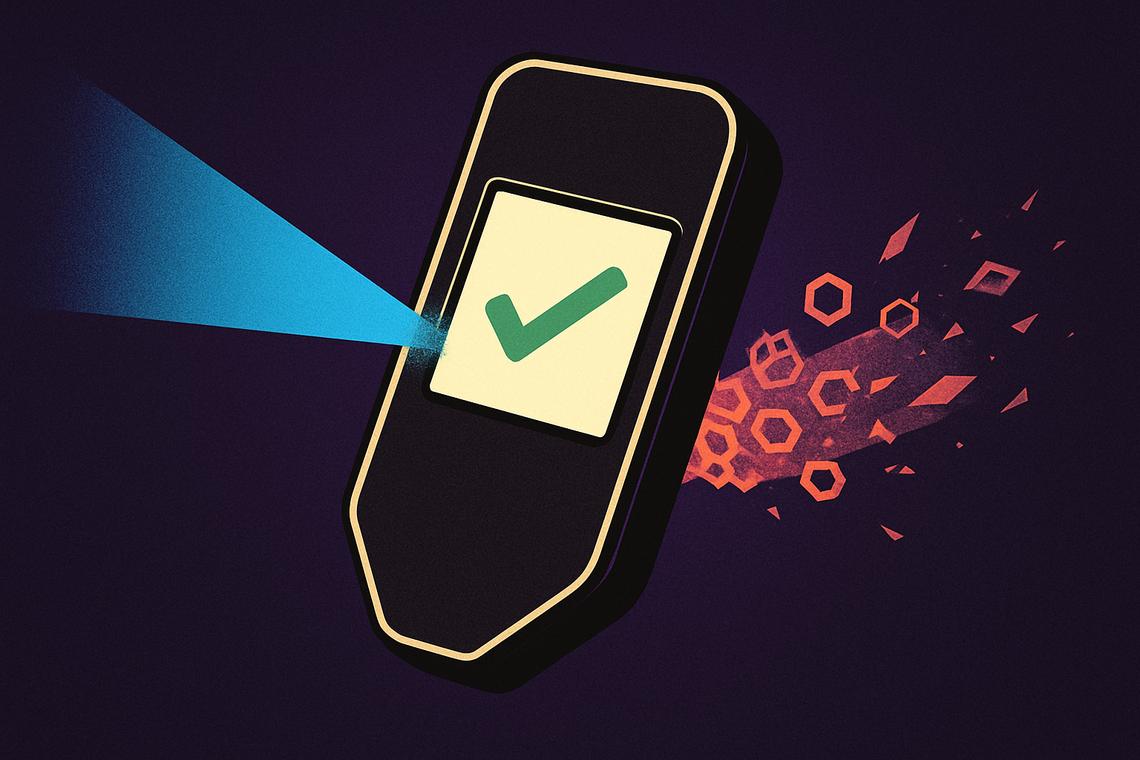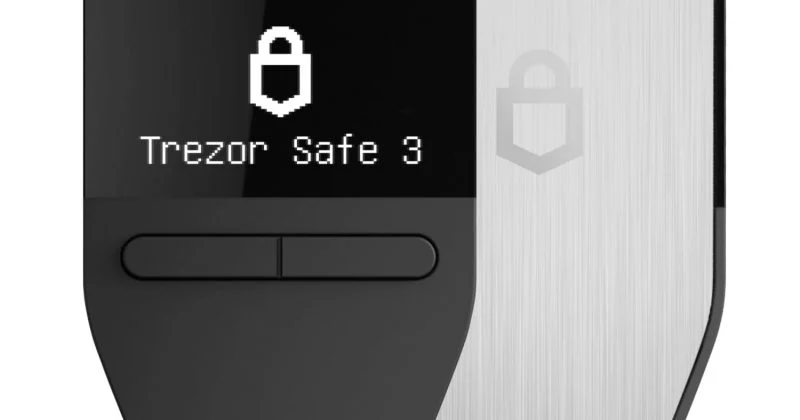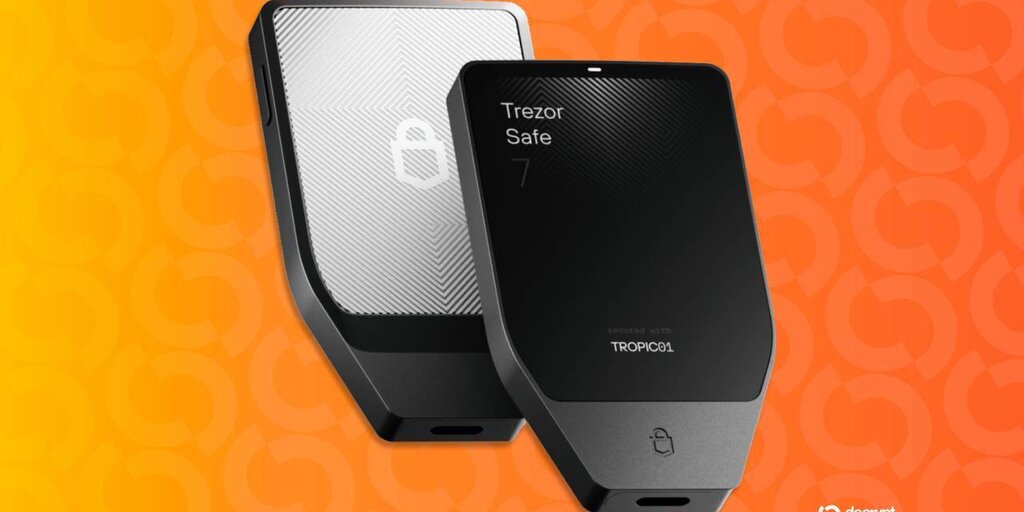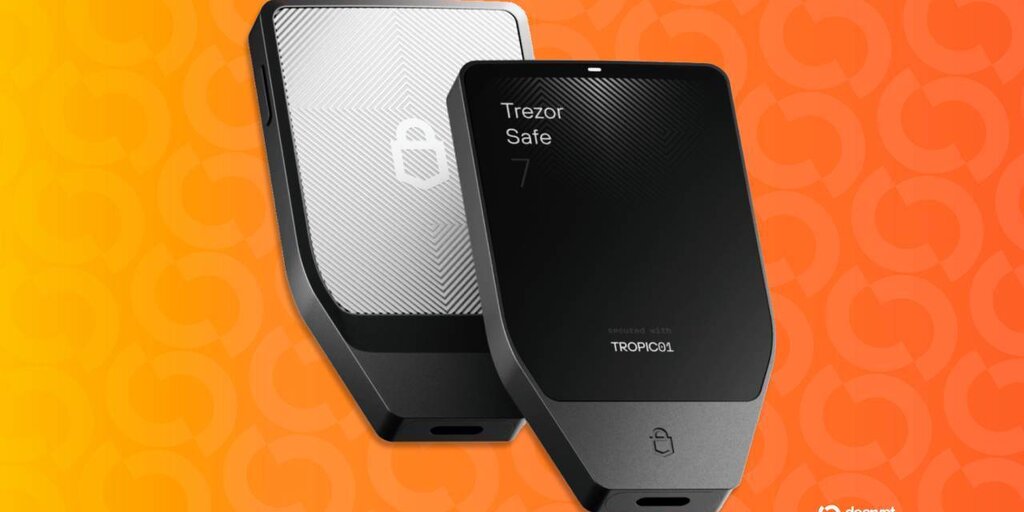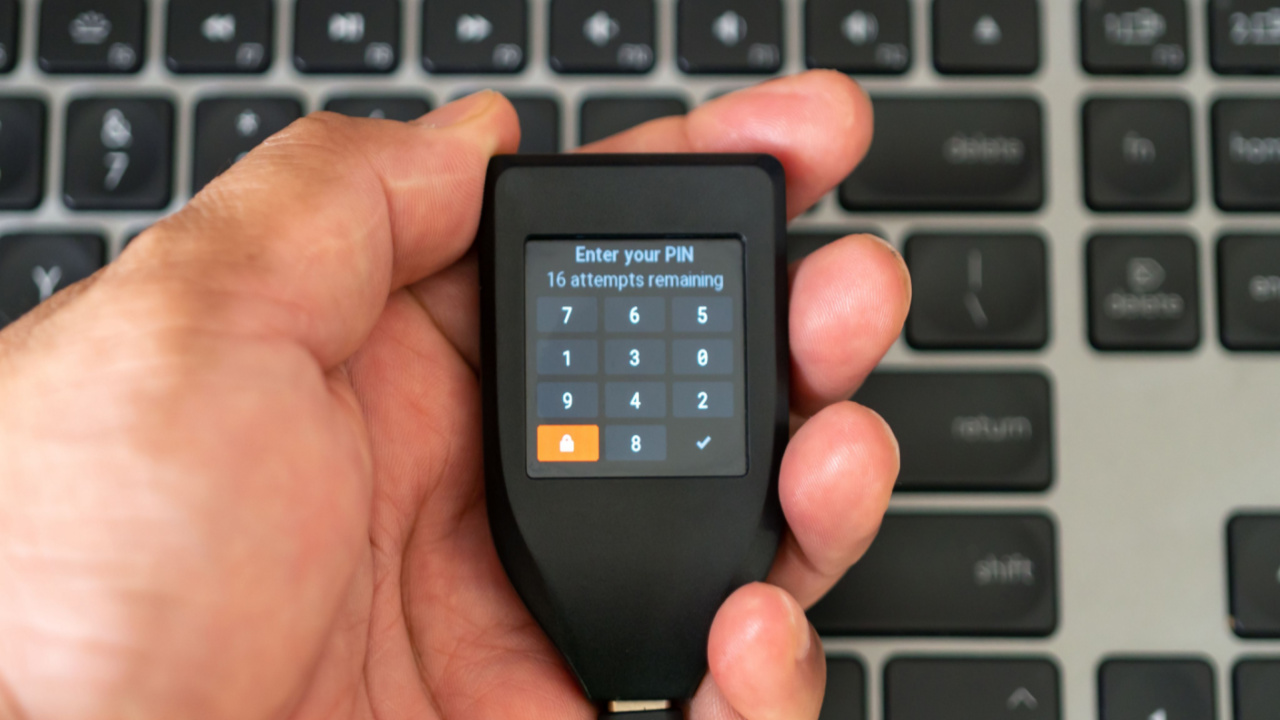
For years, signing a crypto transaction on a hardware wallet has felt a bit like signing a legal document written entirely in hieroglyphics. You trust that it says what your app told you it says, but the device screen itself? A wall of hexadecimal gibberish that could mean “swap 100 USDC for ETH” or “drain your entire wallet to a stranger in Moldova.” Trezor is now tackling that problem head-on.
On September 8, Trezor rolled out Clear Signing, a feature built on the open ERC-7730 standard that translates smart contract interactions into plain language directly on the device’s screen. Instead of a hex string, users see the actual action being performed, the token amounts involved, and the destination addresses.
How clear signing actually works
The ERC-7730 standard works through something called transaction descriptors. Each supported smart contract publishes a descriptor that acts like a Rosetta Stone, mapping raw transaction data to human-readable labels. When a user initiates a transaction through Trezor Suite, WalletConnect, or Trezor Connect, the wallet checks whether a descriptor exists for that contract.
If one does, the device displays the decoded information: what you’re doing, how much you’re spending, and where it’s going. If no descriptor exists, the wallet falls back to the traditional blind-signing flow, complete with an explicit warning that you’re approving something the device can’t fully verify.