By
Updated on: September 8, 2026 / 1:46 PM EDT
/ CBS News
Add CBS News on Google
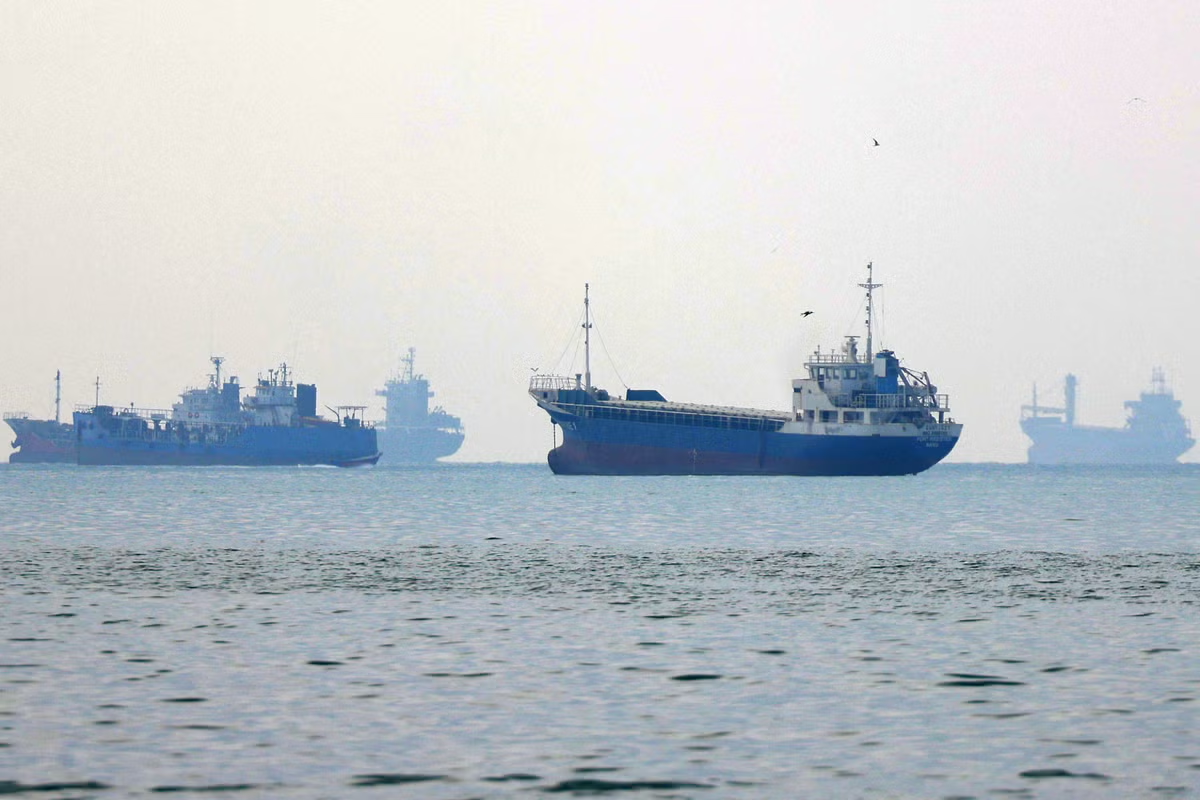
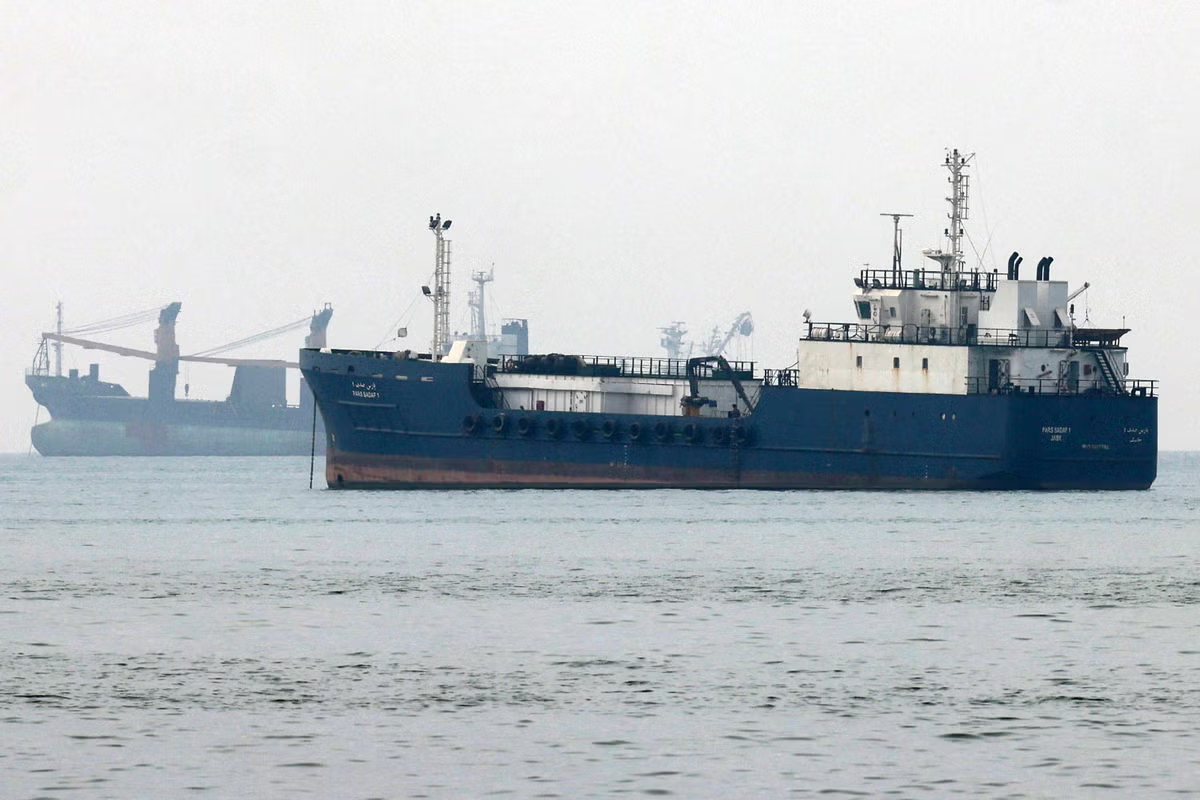
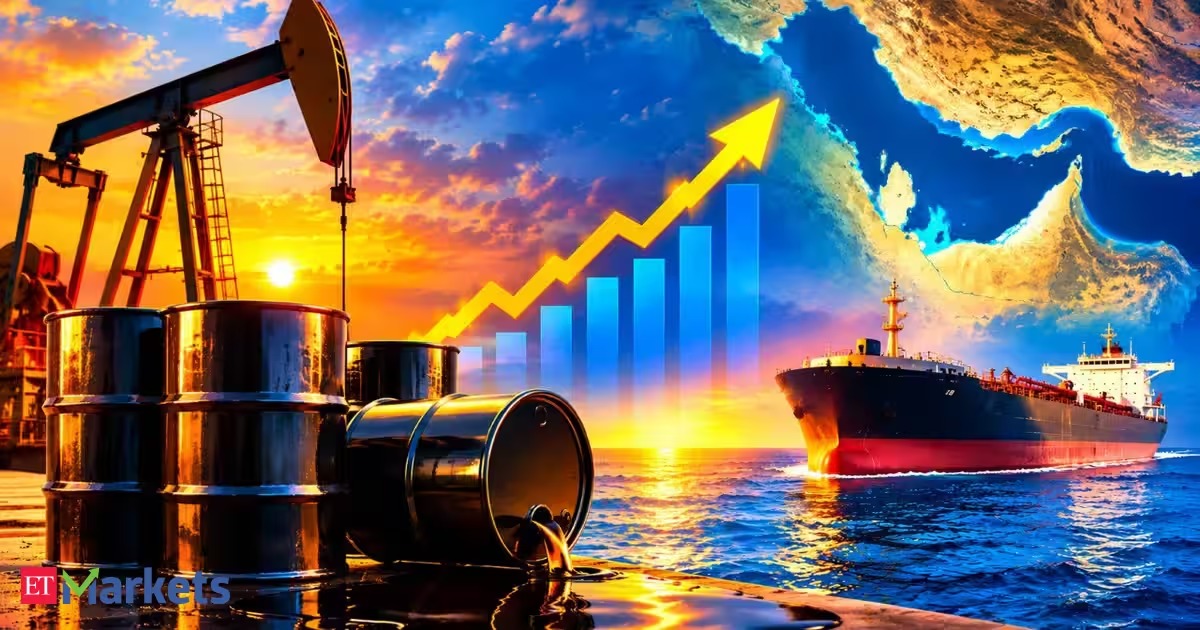
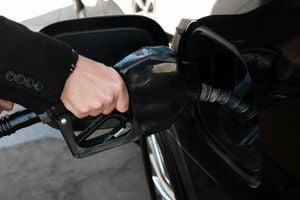
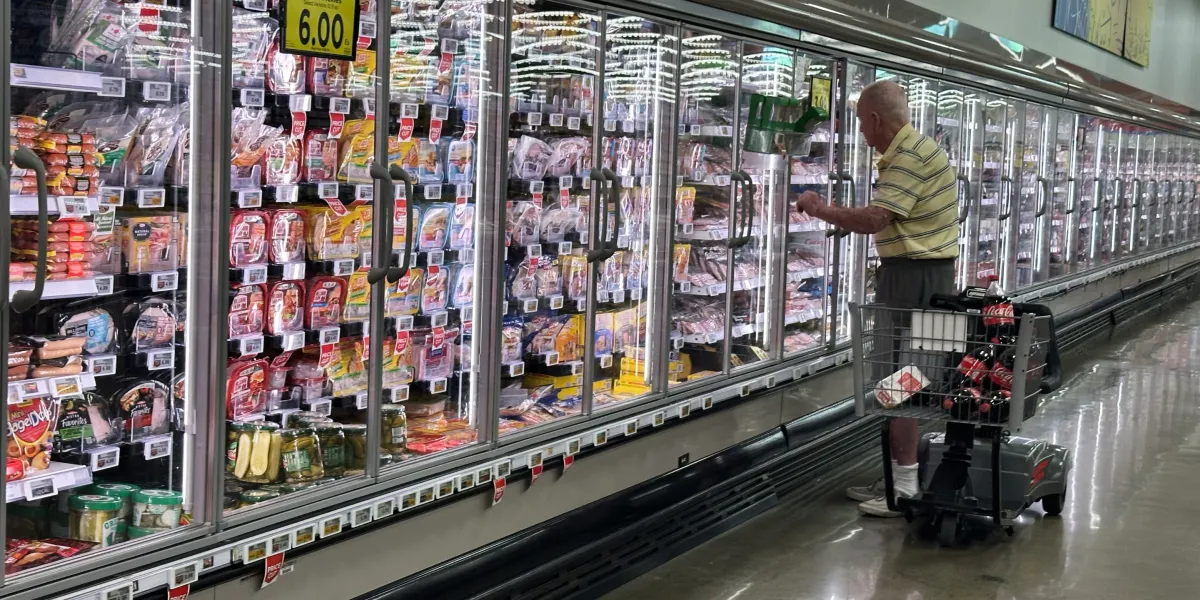
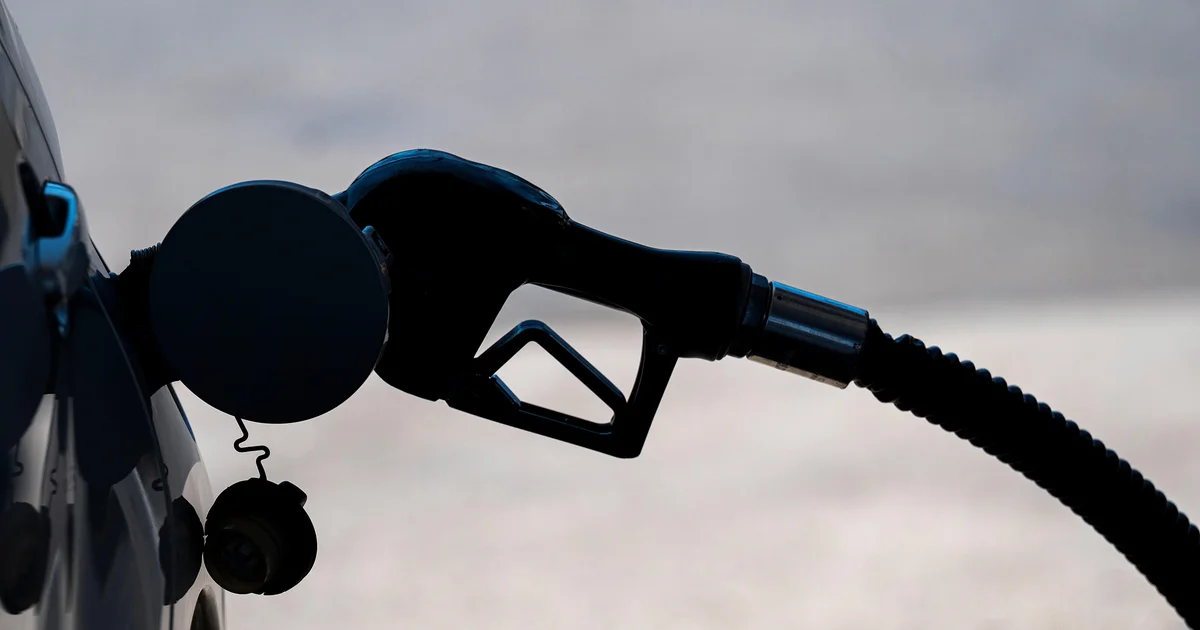
Goldman Sachs is warning that heightened attacks in the Persian Gulf and Red Sea could push global oil prices above $120 a barrel, which would add to the surging fuel costs Americans have faced during the Iran war.The investment bank's forecast implies a roughly 20% increase in the cost of Brent crude, the international benchmark, which is trading at nearly $100 a barrel. Oil prices have spiked in recent weeks as the Middle East conflict drags on, with U.S. military forces striking three Iranian oil tankers on Saturday and the Houthi rebels attacking Saudi oil facilities.On Tuesday, the price of Brent briefly climbed to $99.46 a barrel before dipping to $97.85. Over the past two months, Brent has climbed from roughly $72 a barrel as increased fighting in the Middle East erodes hopes of a deal to reopen the Strait of Hormuz, a strategic waterway that normally carries a fifth of the world's oil flows. "The main forces driving prices higher remain geopolitical conflict in the Middle East — both the U.S.-Iran conflict in the Persian Gulf and the confrontation between Saudi Arabia and the Houthis in Yemen — as well as the Russia-Ukraine war," analysts with political risk consultancy Eurasia Group said in a report. "A shortage of global refining capacity has added further upward pressure, alongside sustained demand for refined products."$100 billion hitAmerican consumers spent an additional $100 billion on fuel between the start of the Iran war on Feb. 28 and Sept. 8, according to a tracker from Brown University. Higher gasoline prices accounted for about $55 billion of that amount, while diesel accounted for the remaining $45 billion. Diesel, which is widely used in the trucking, construction, agriculture and rail sectors, reached a record $5.90 a gallon on Labor Day, AAA data shows.The increase is squeezing household budgets directly at the pump and indirectly by raising transportation costs for groceries and other retail goods. Inflation remains elevated, with economists forecasting that the next Consumer Price Index report, set to be released on Friday, will show inflation in August rose by 3.3% on an annual basis — well above the Federal Reserve's annual 2% target. "This is the time of year that most Americans see gas prices going down as demand falls and we soon change to winter gasoline, but as of late, we've been seeing a lot more ups — especially for diesel — the fuel that drives the U.S. economy, and that may continue," GasBuddy petroleum analyst Patrick De Haan said in a Sept. 7 social media post.