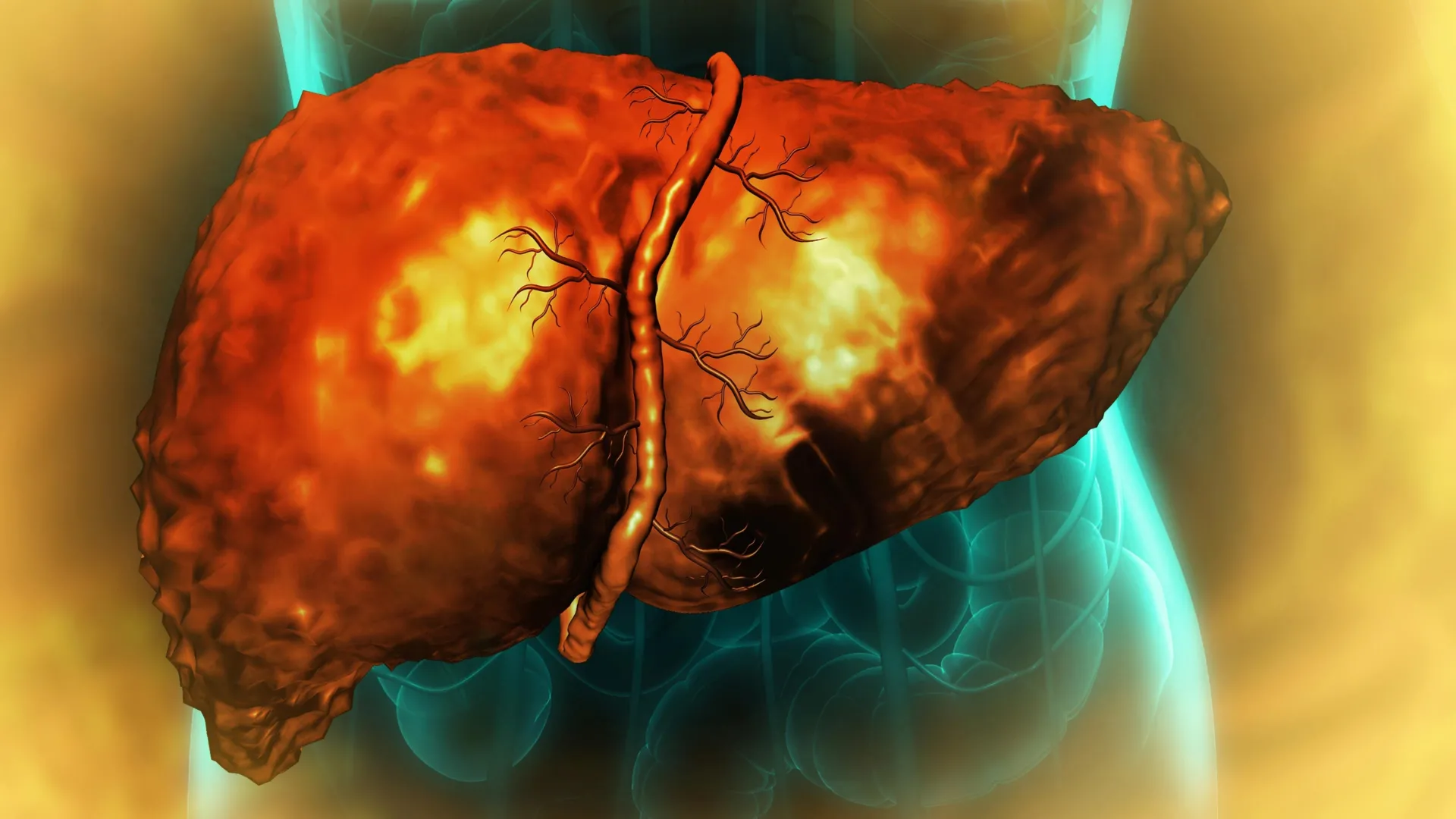
Liver disease is most often associated with a handful of familiar causes. These include heavy alcohol use, fat accumulation in the liver connected to obesity, diabetes and high cholesterol, as well as infections with hepatitis B or C.
But new research suggests that an environmental chemical may deserve more attention as another possible risk factor.
A study published in Liver International by researchers at Keck Medicine of USC found that exposure to tetrachloroethylene, commonly known as PCE, may be linked to serious liver damage. PCE is widely used in dry cleaning and can also be found in consumer products including arts and crafts adhesives, spot removers and stainless steel polish.
Researchers found that people exposed to PCE were three times more likely to have significant liver fibrosis. Fibrosis occurs when repeated injury causes scar tissue to build up in the liver. If that scarring becomes severe, it can interfere with the organ's ability to function and may eventually contribute to liver failure, liver cancer or death.
The findings also pointed to a clear exposure pattern. As the amount of PCE detected in a person's blood increased, so did the likelihood of significant liver fibrosis.