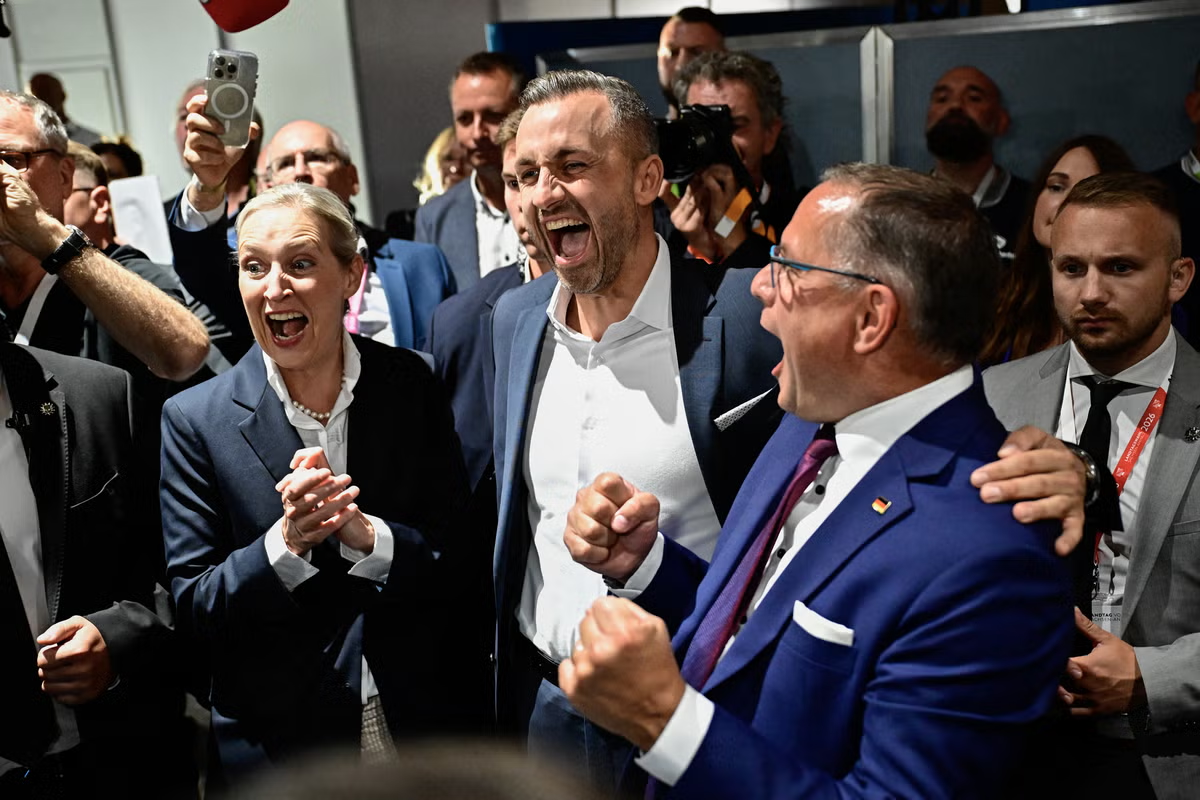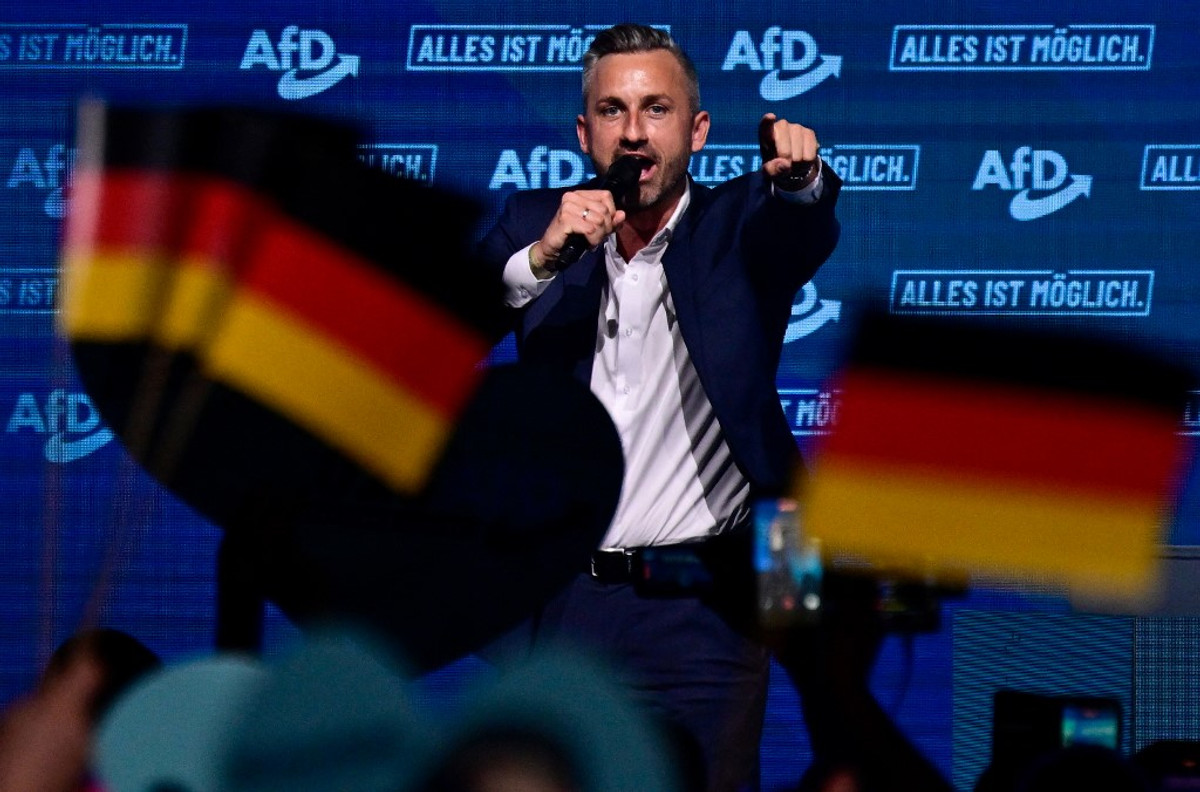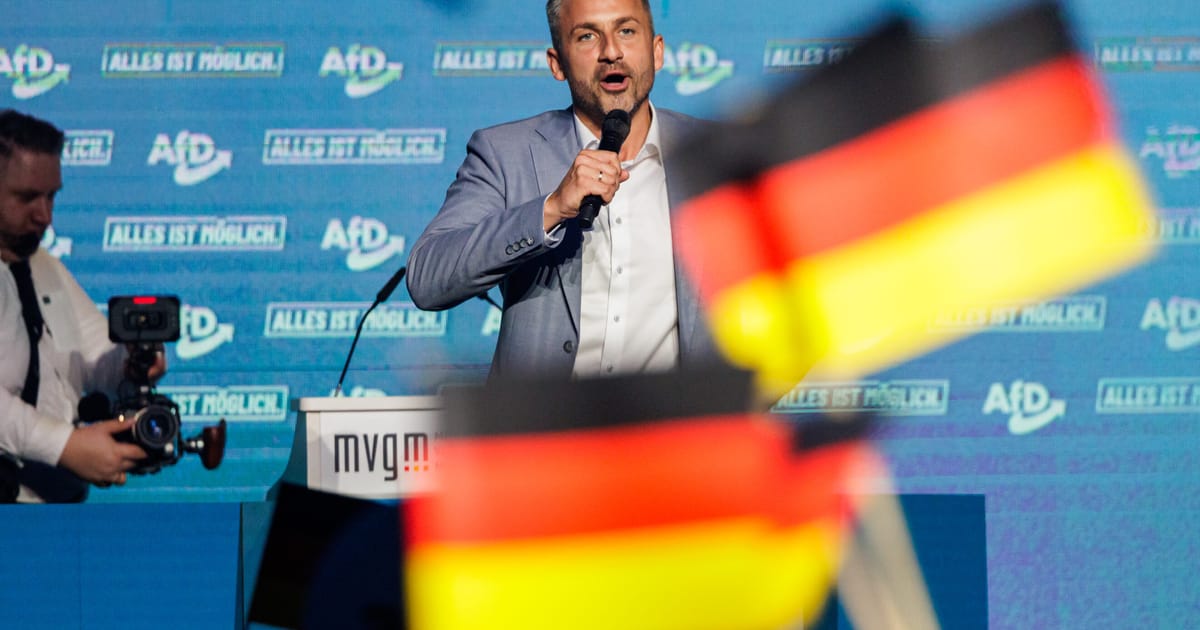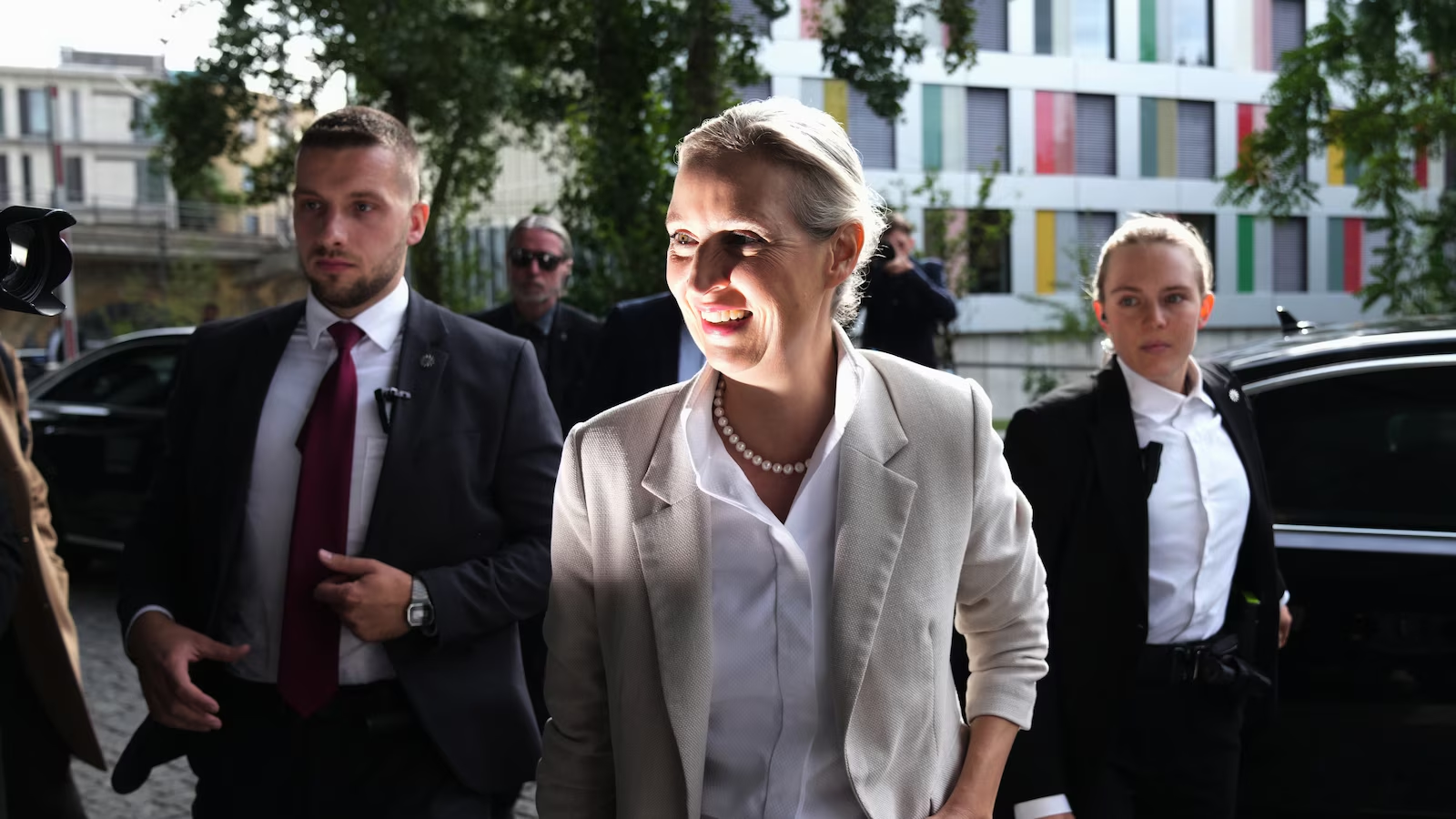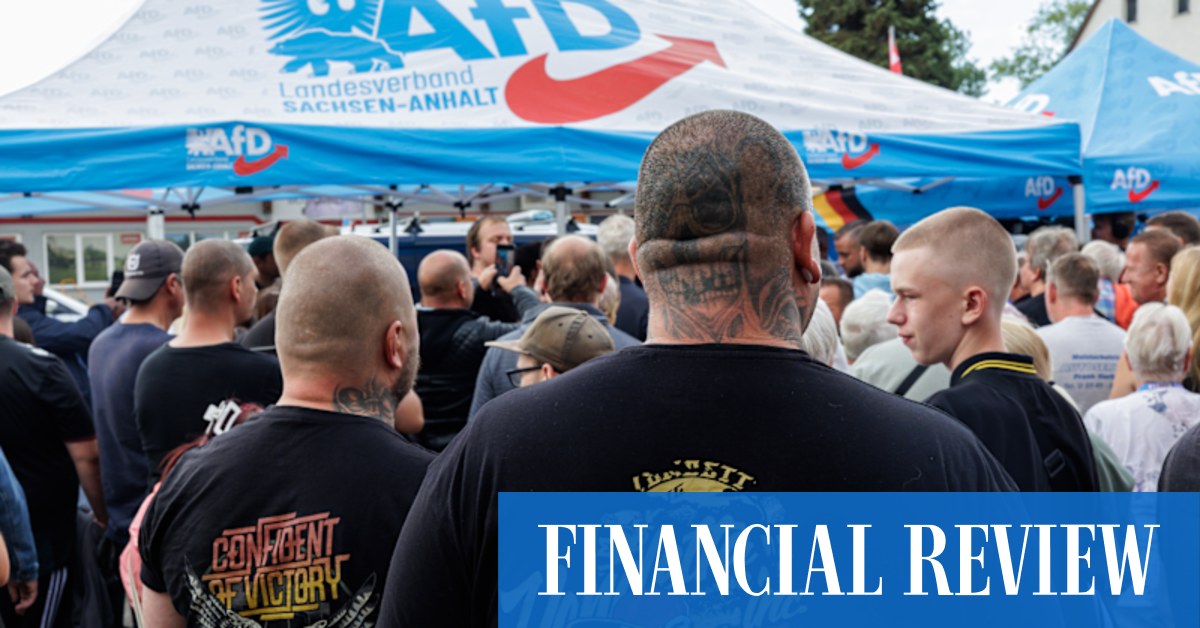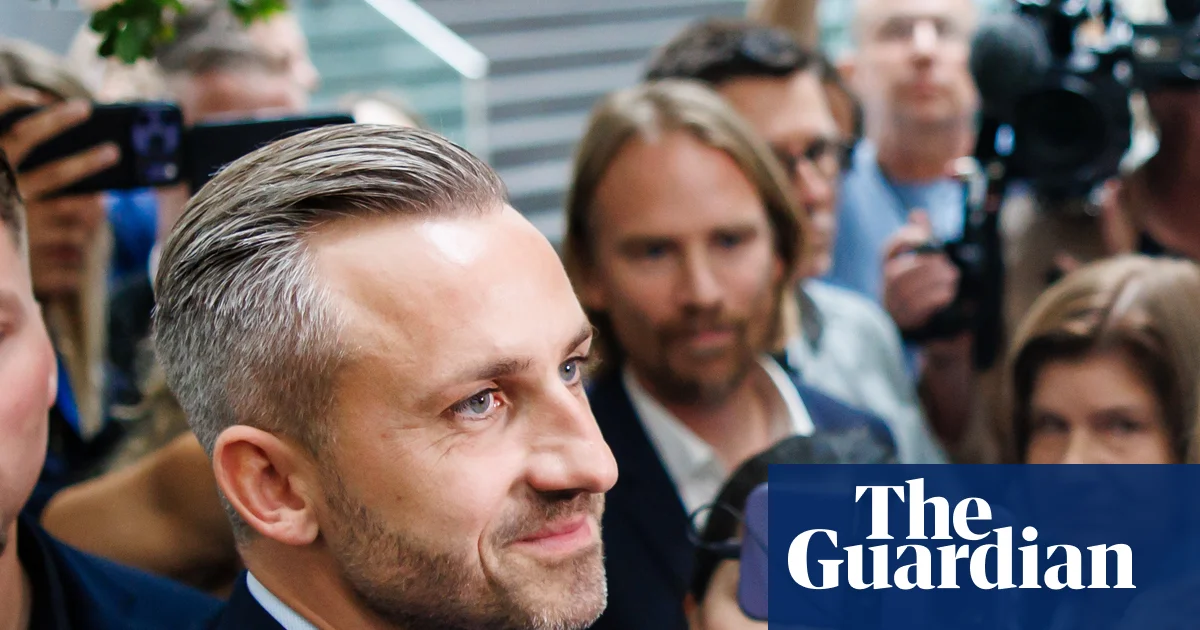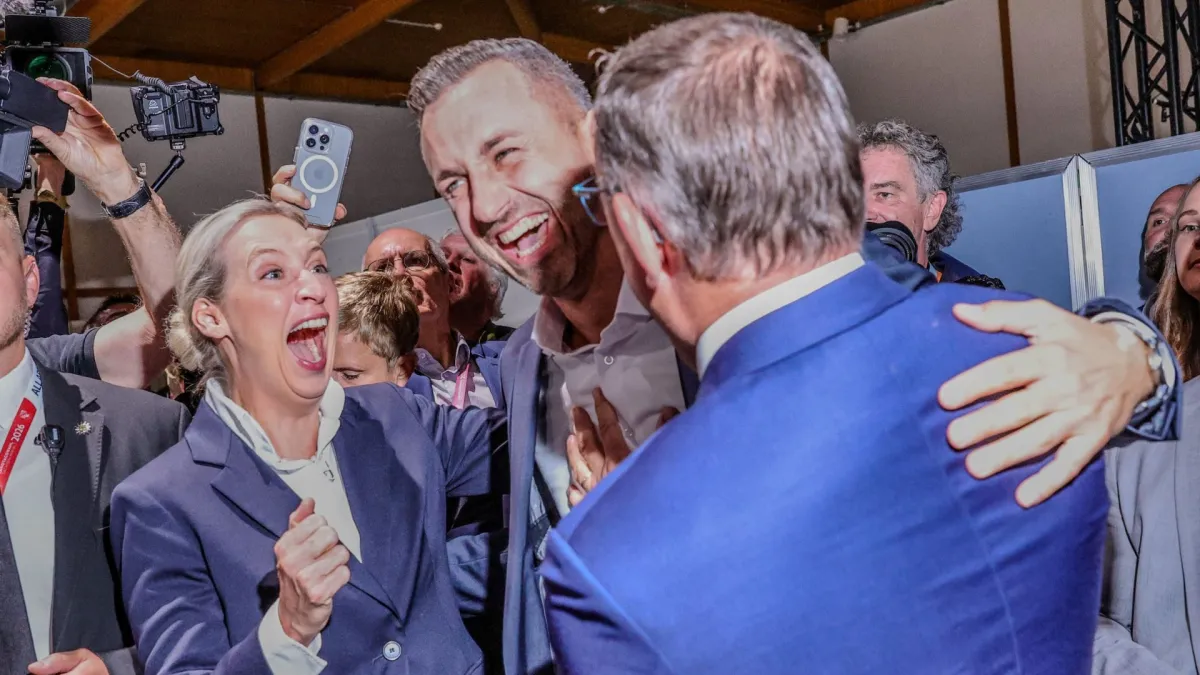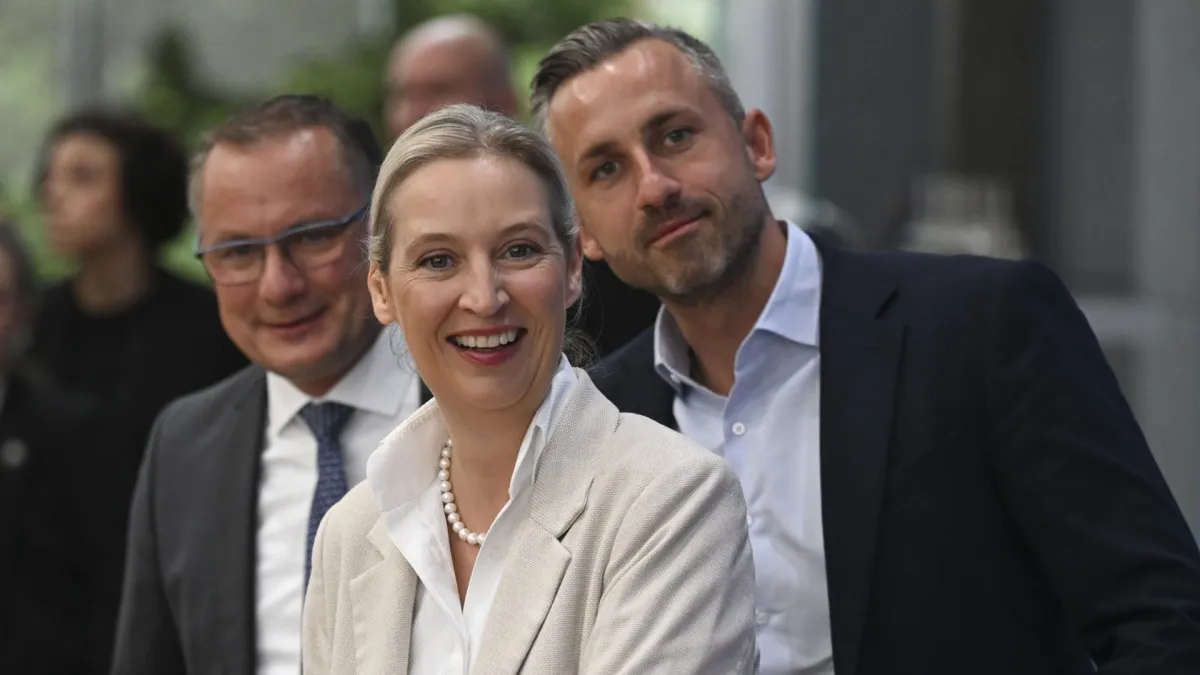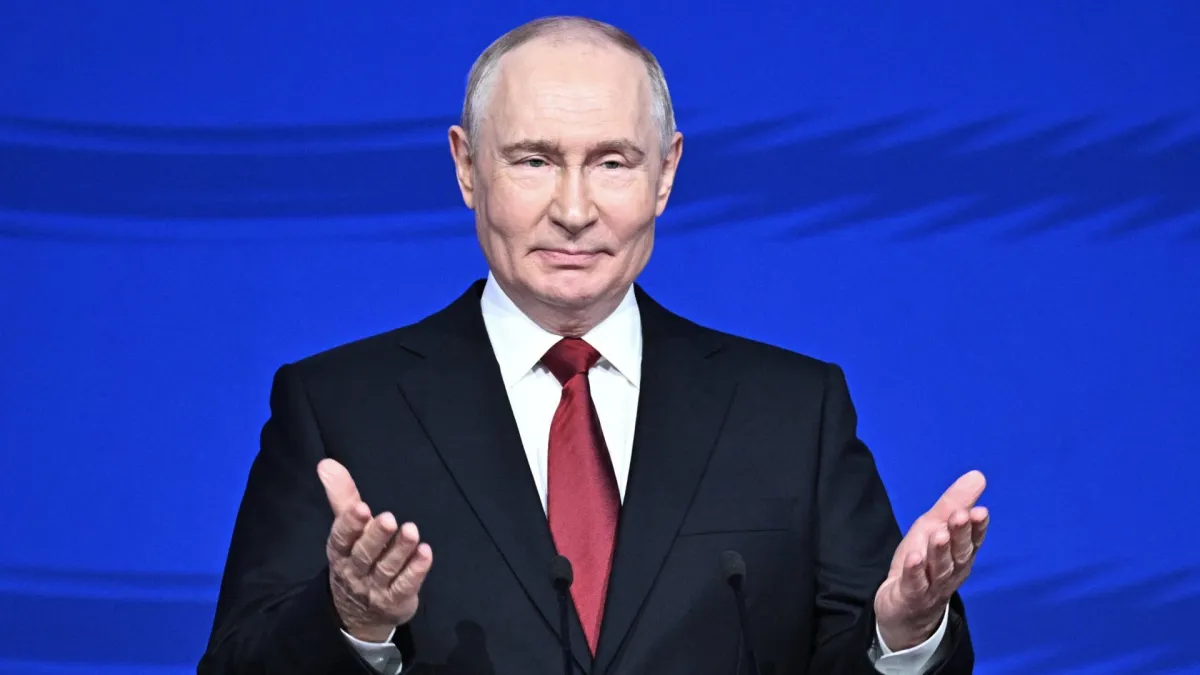
The surge in support for the far-right Alternative for Germany (AfD) in regional elections over the weekend was a major boon for Russia – but not because the swing in one of Germany’s smaller regions matters in practical terms.
What is far more important is the impact this could have on national and European politics. If mainstream parties are forced to treat the AfD and others like it as troubling but necessary partners, it points to worrying divisions across Europe that Vladimir Putin could look to further exploit. But trying to freeze them out of government would be almost as useful to the Kremlin.
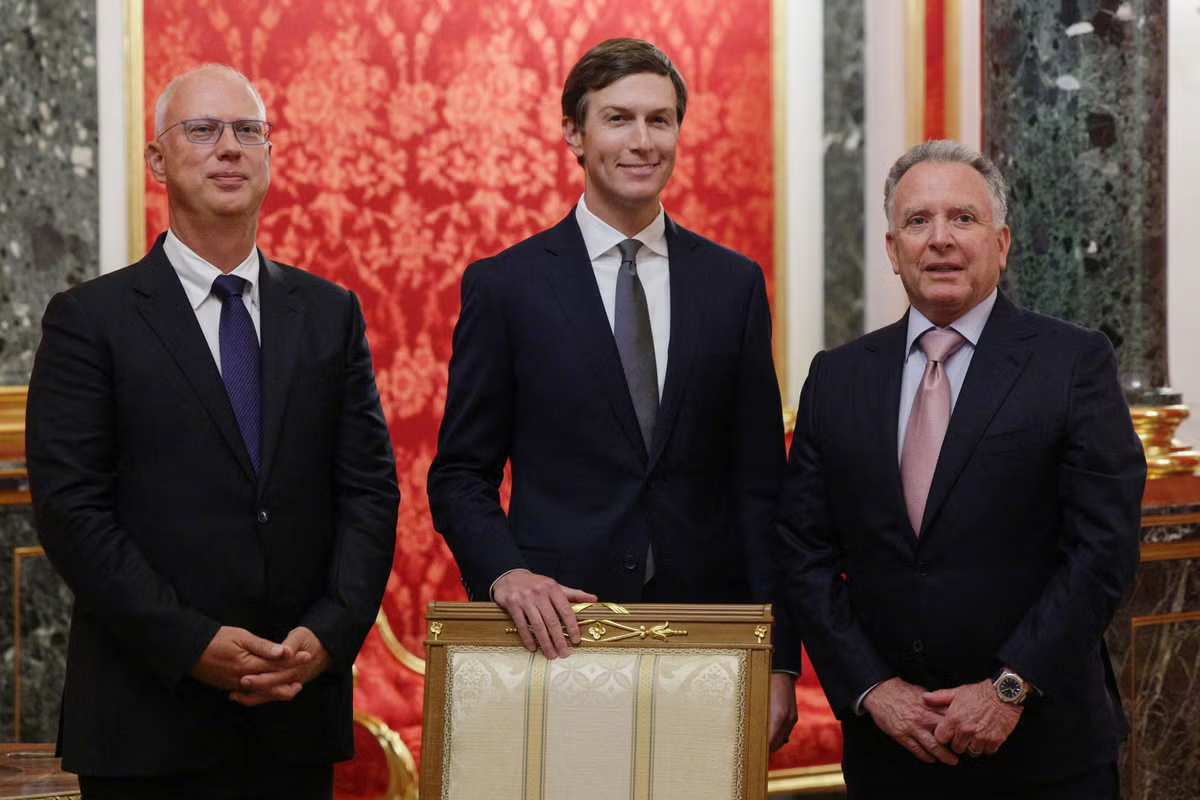
There is little wonder, therefore, that some are questioning how much of a role Russia played in interfering and influencing the results.
Shorts
AfD won 44.5 per cent of the vote in Saxony-Anhalt, well ahead of Chancellor Friedrich Merz’s Christian Democratic Union (CDU). With 39 seats in the 83-seat regional parliament, AfD are three short of an absolute majority. However, the German political system leans on coalitions. Under normal circumstances, AfD would reach an understanding with one or more of the other five parties which crossed the 5 per cent threshold to be represented.