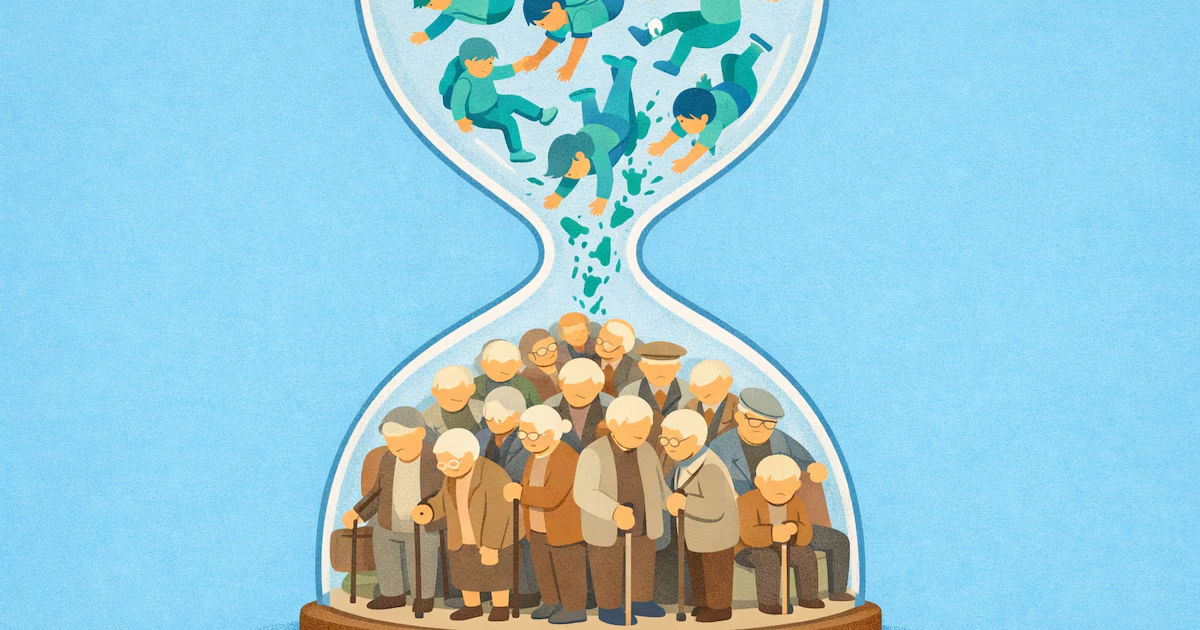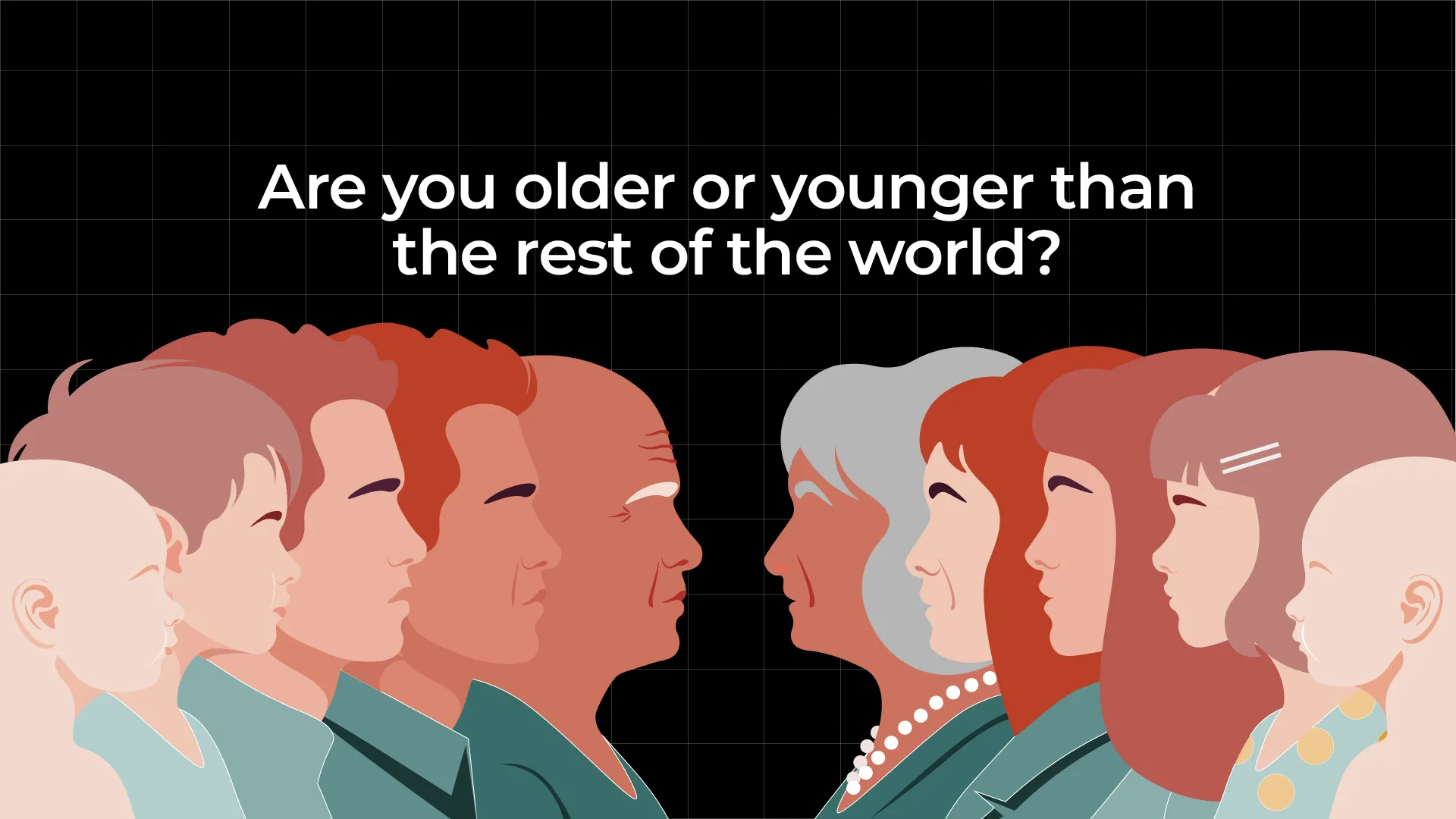
Population levels across the world have reached a tipping point: The U.S. Census Bureau reported that in 2025, for the first time in human history, the share of adults age 65 and over outnumbered the share of children aged 5 and under. Declining birth rates and an aging population present unique problems for individuals and governments: For individuals, it comes down to financing a longer life and potentially moving milestones as a result. For policymakers, it means budgeting services over a longer period, with demand levels increasing in the coming decades.But despite policymakers and private-market voices raising the alarm over U.S. demographics, the U.S. will actually become relatively younger than the rest of the world over the next few decades.
The Census Bureau, in a report published last week, found that in 2025, the United States ranked as the 48th-oldest country out of 227 countries. By 2060, the U.S. will fall to 110th place because other regions are aging more rapidly.
In 2025, Japan had the world’s oldest population, with 29.7% aged 65 and older. This was followed by Germany and Greece, at approximately 25%.
However, come 2060, Japan will drop to the third-oldest country, with South Korea projected to see 41% of its population above the age of 65. This will be followed by Taiwan at approximately 40%.