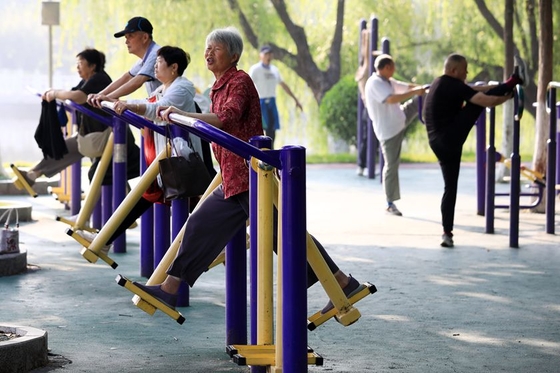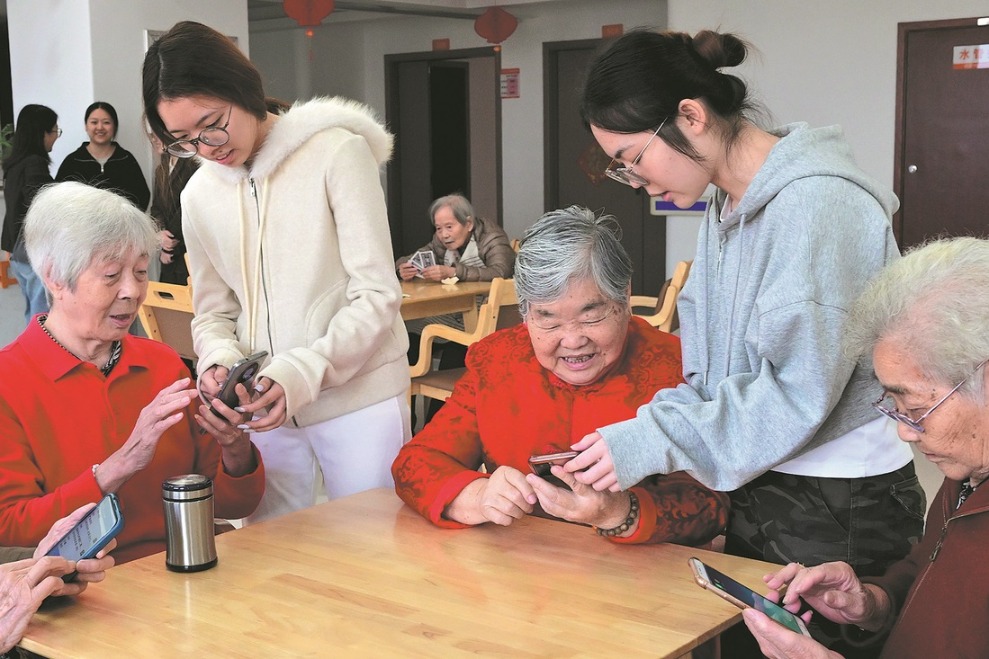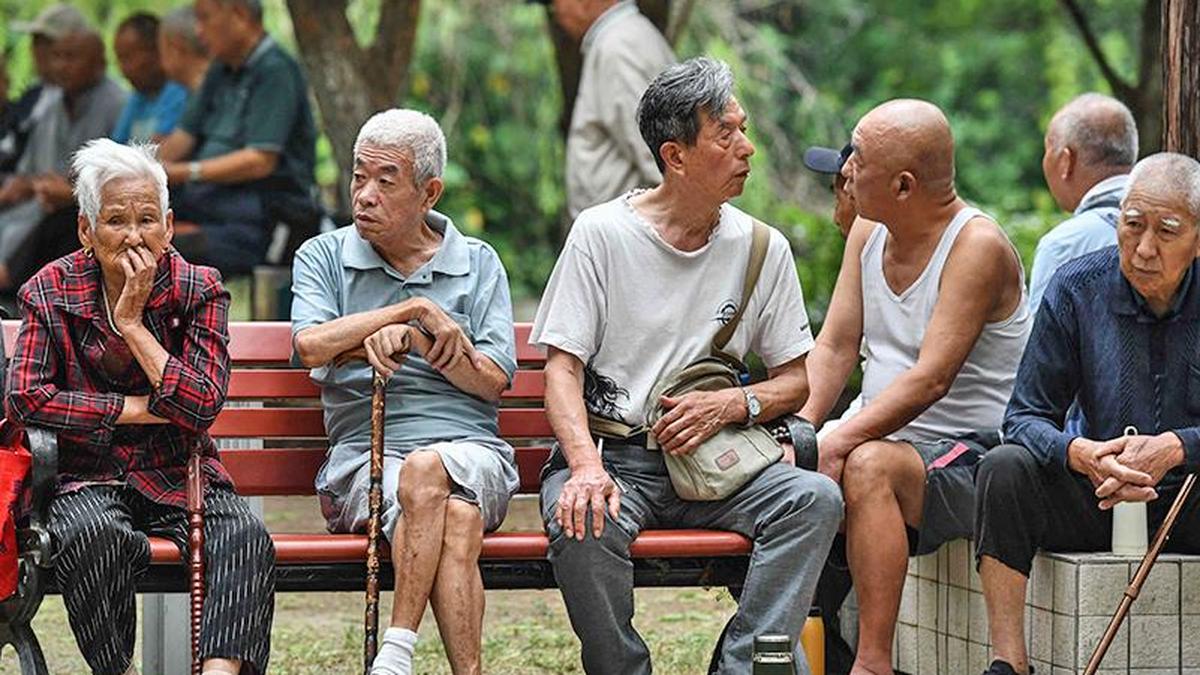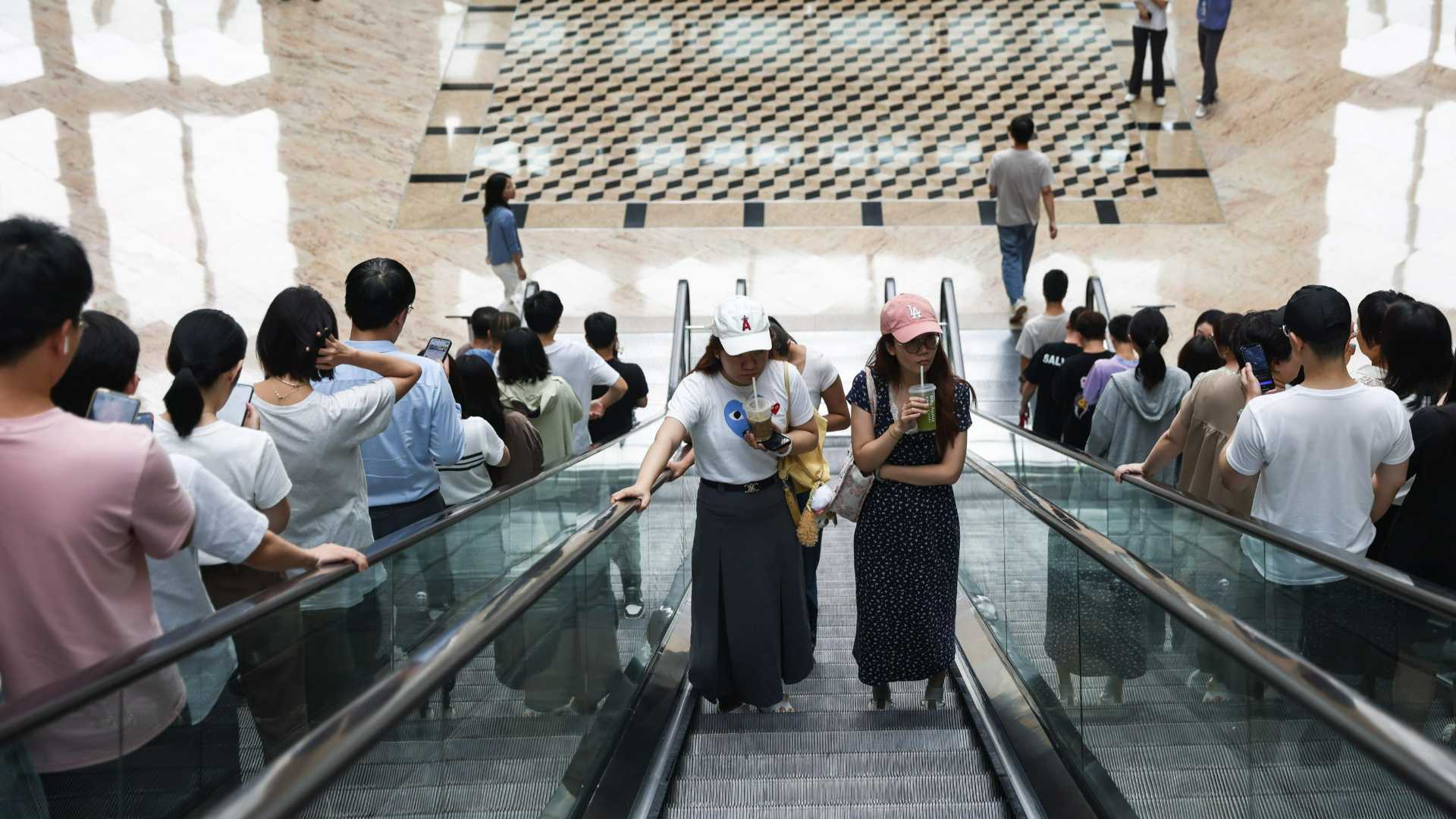
As of Nov. 2025, 15.87% of China's roughly 1.4 billion residents were aged at least 65, compared with 15.25% aged 0 to 14, the bureau said on May 22. Five years ago, the country's 2020 census found 13.50% aged 65 and above against 17.95% aged 0 to 14, a gap of more than four percentage points with children ahead, illustrating the speed at which the demographic curve has inverted.
The crossover puts China alongside Japan, South Korea and Western Europe in the small group of major economies where the elderly population now outnumbers the young, though China has reached this point at a far lower level of per-capita income than its East Asian neighbors.
The data was extrapolated from a survey held between the once-a-decade national censuses, covering more than 20 million people, the South China Morning Post reported.
The average Chinese household now contains 2.52 people, down from 3.10 a decade ago, the NBS said. Independent demographer He Yafu told the SCMP the contraction reflected "a significant rise in single- and dual-person households, signalling an intensification of non-marriage and childlessness trends." He said the rising elderly population and the move toward smaller households were "placing immense pressure on the traditional family caregiving model."