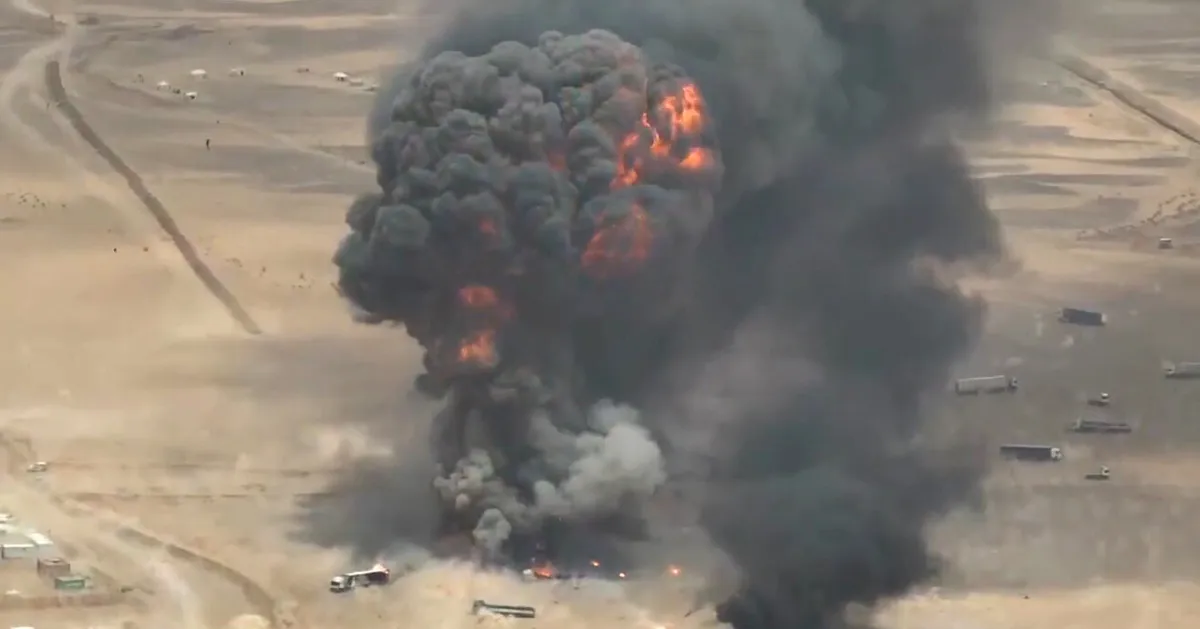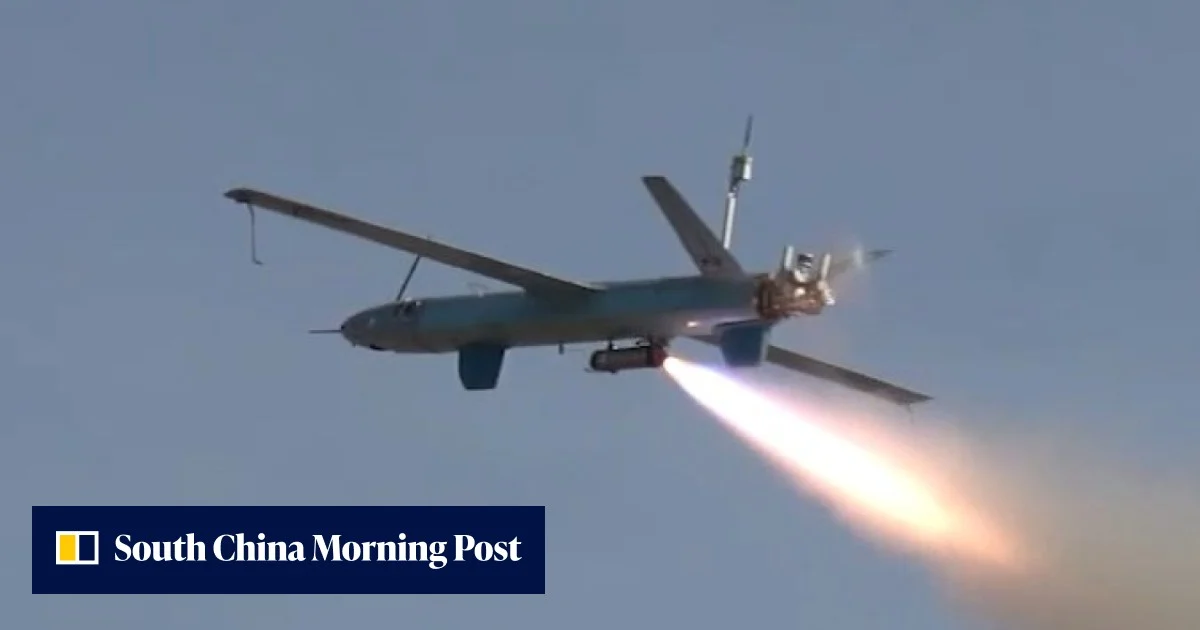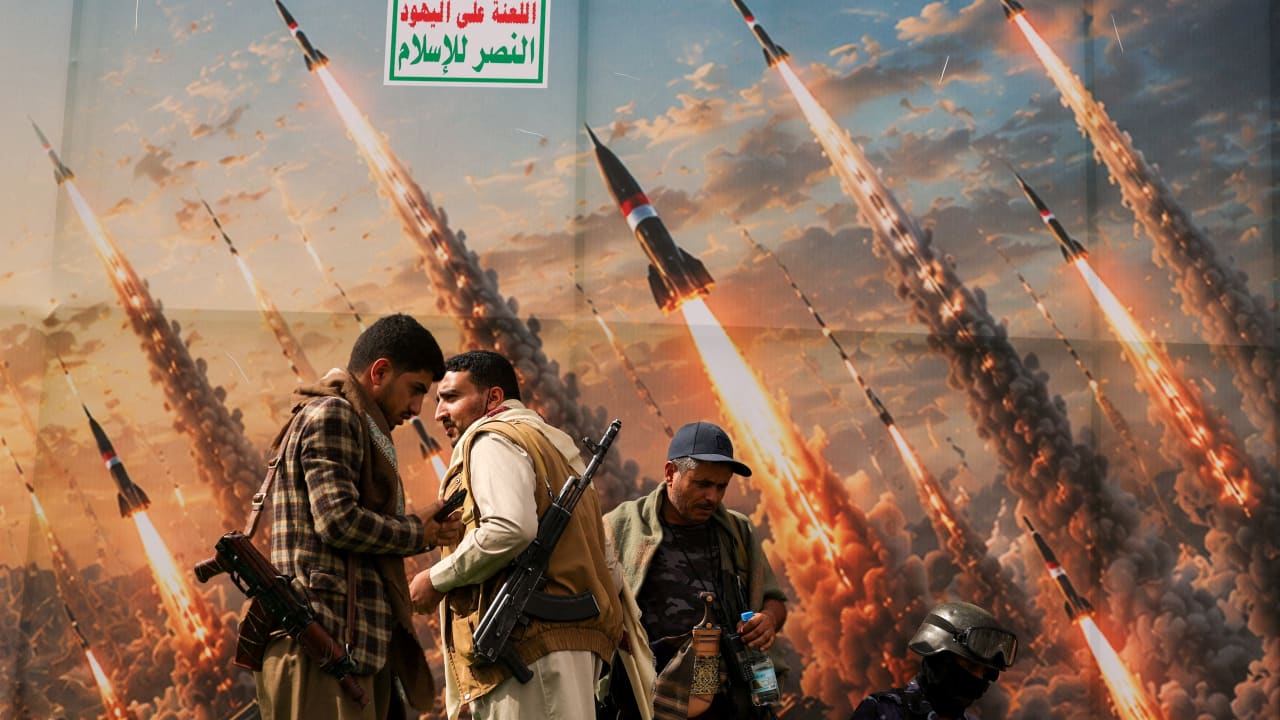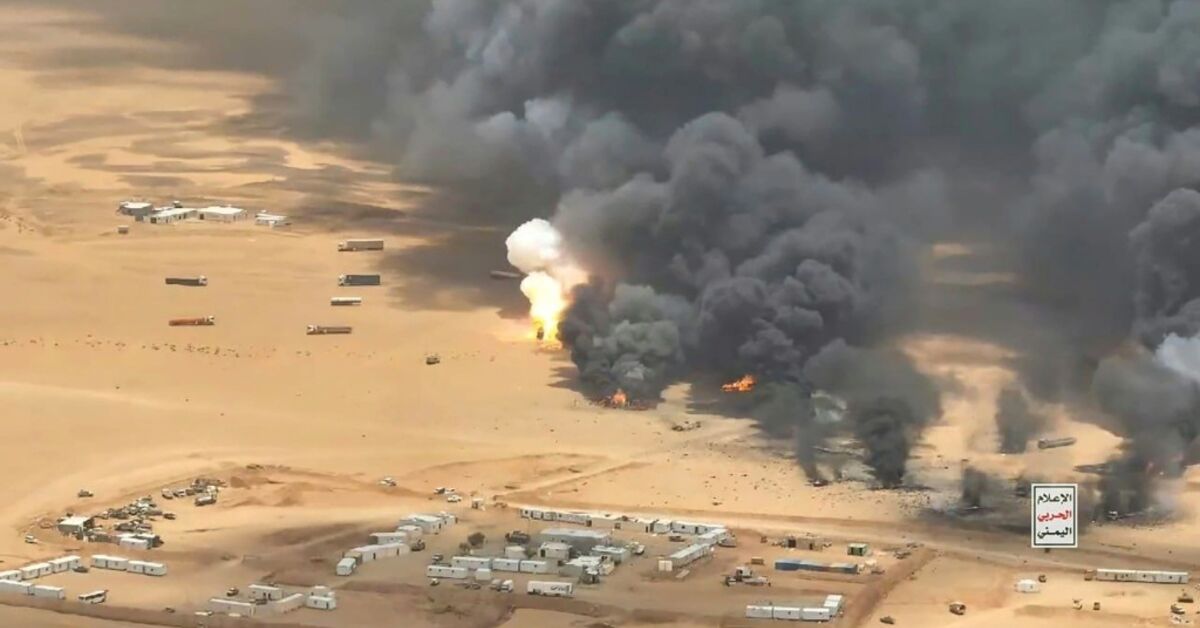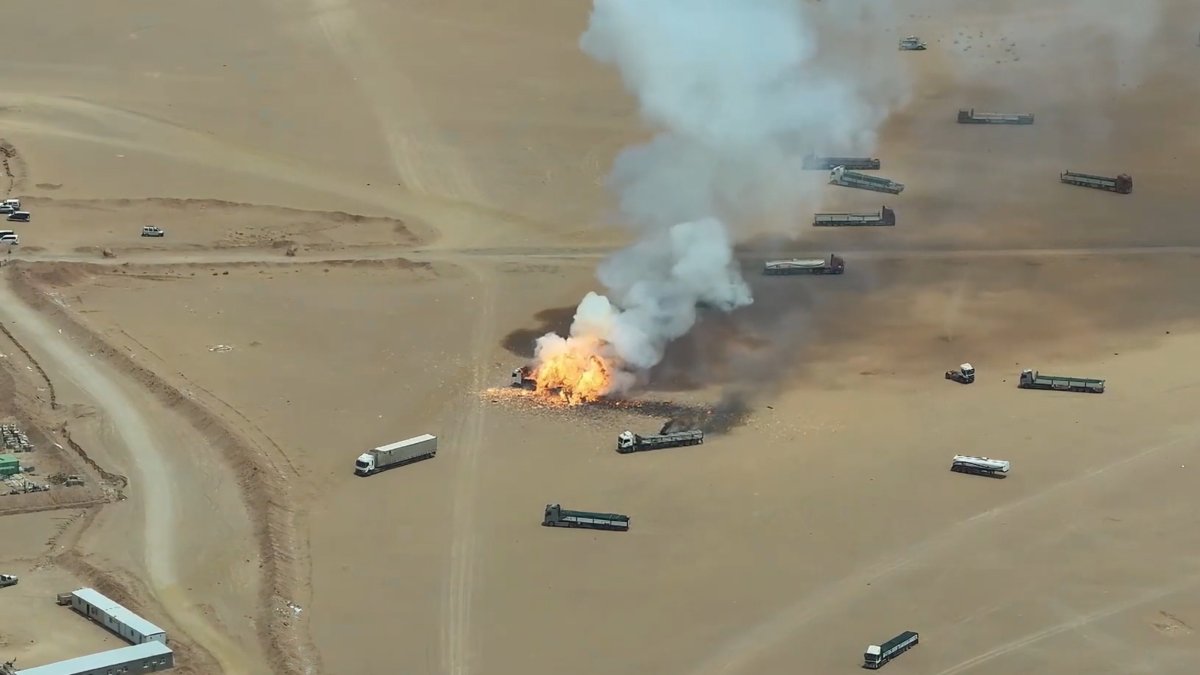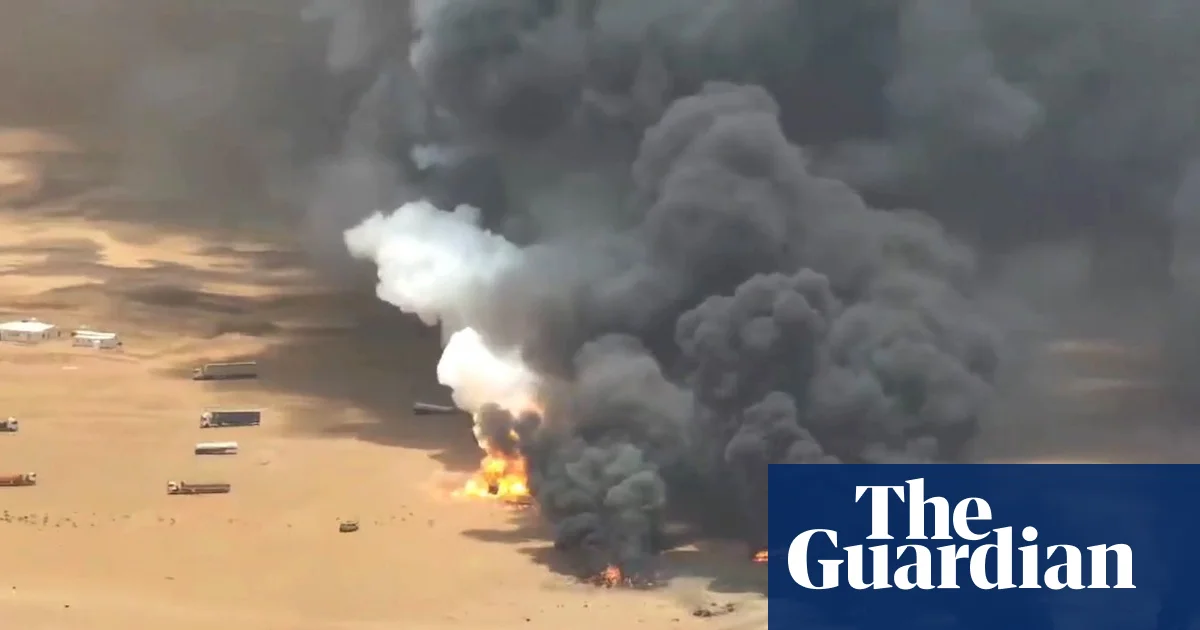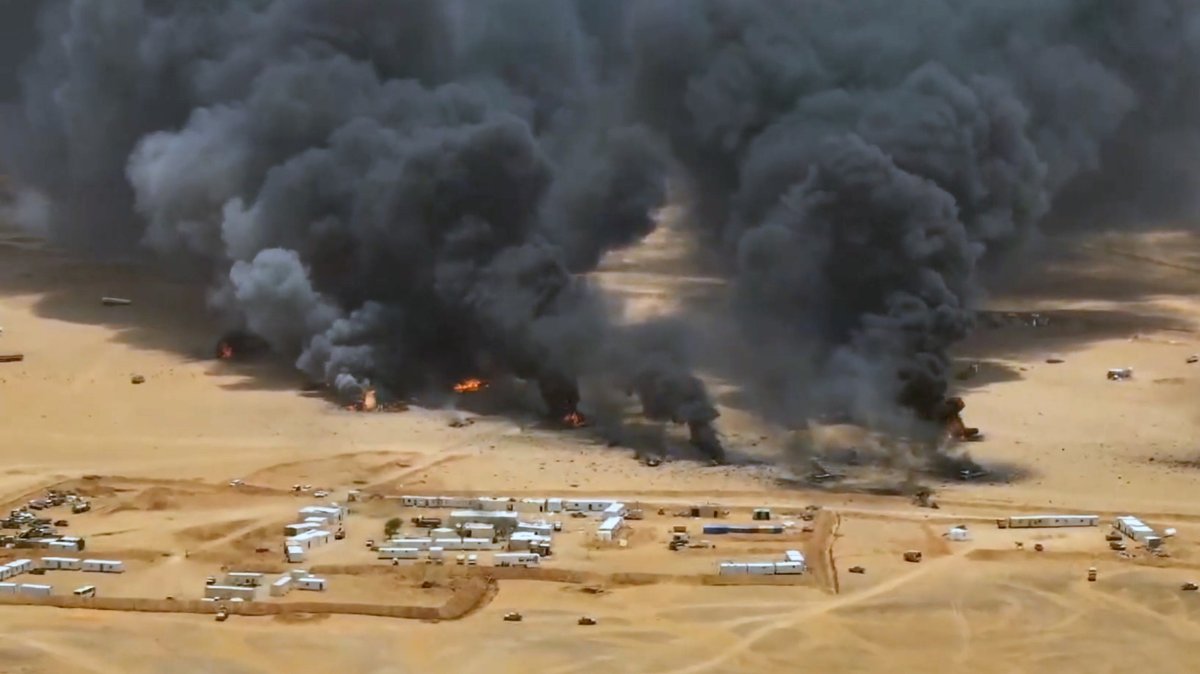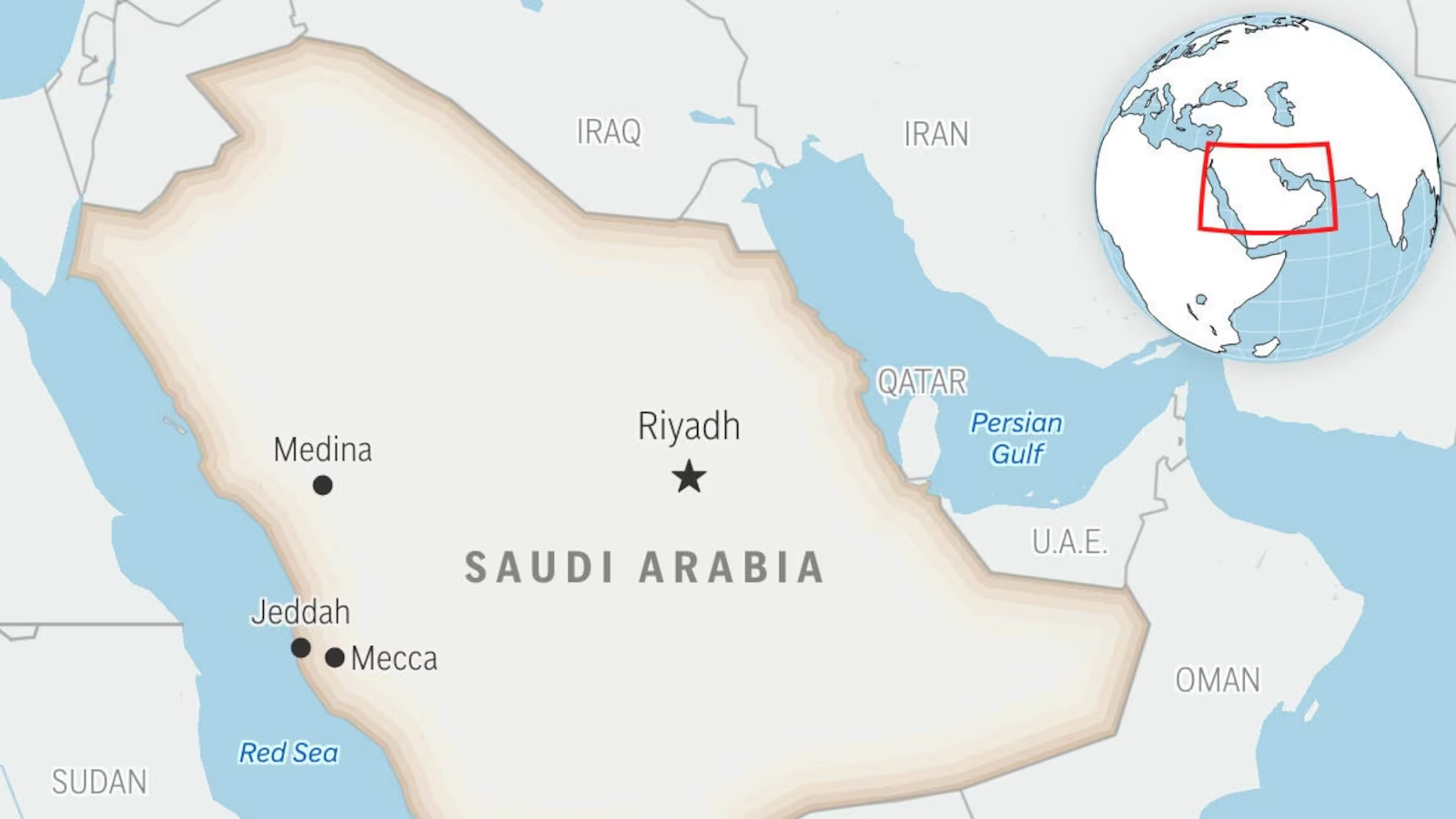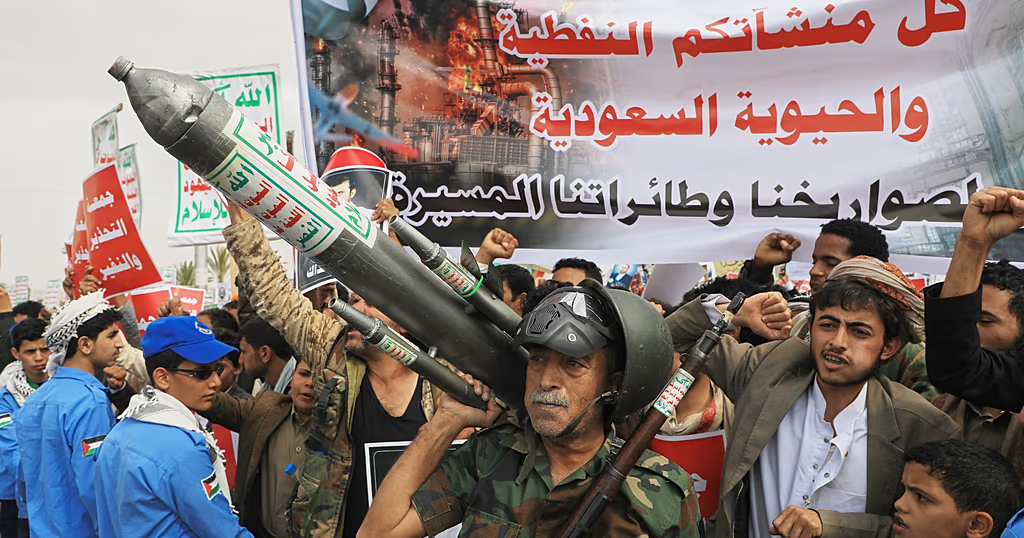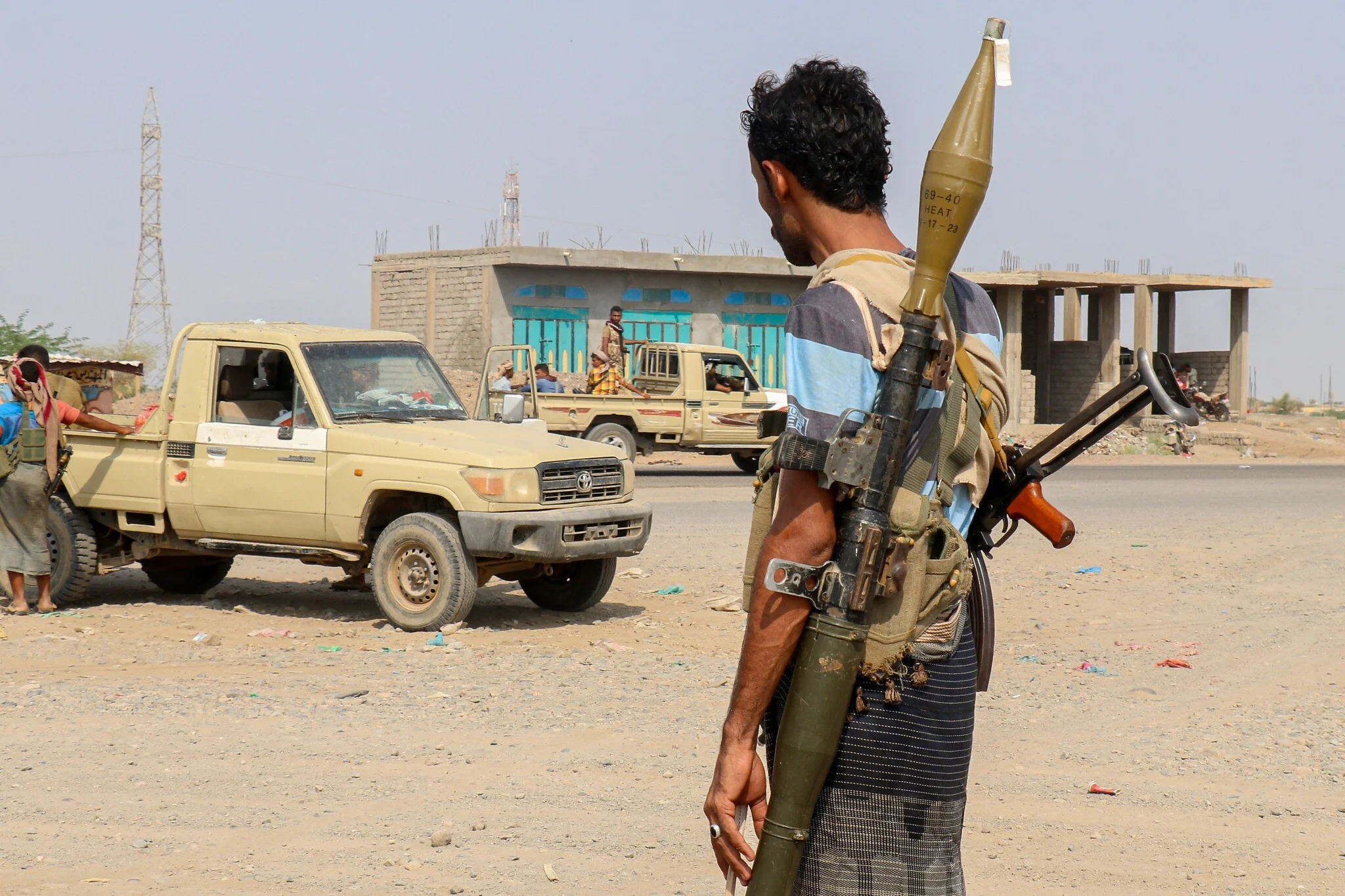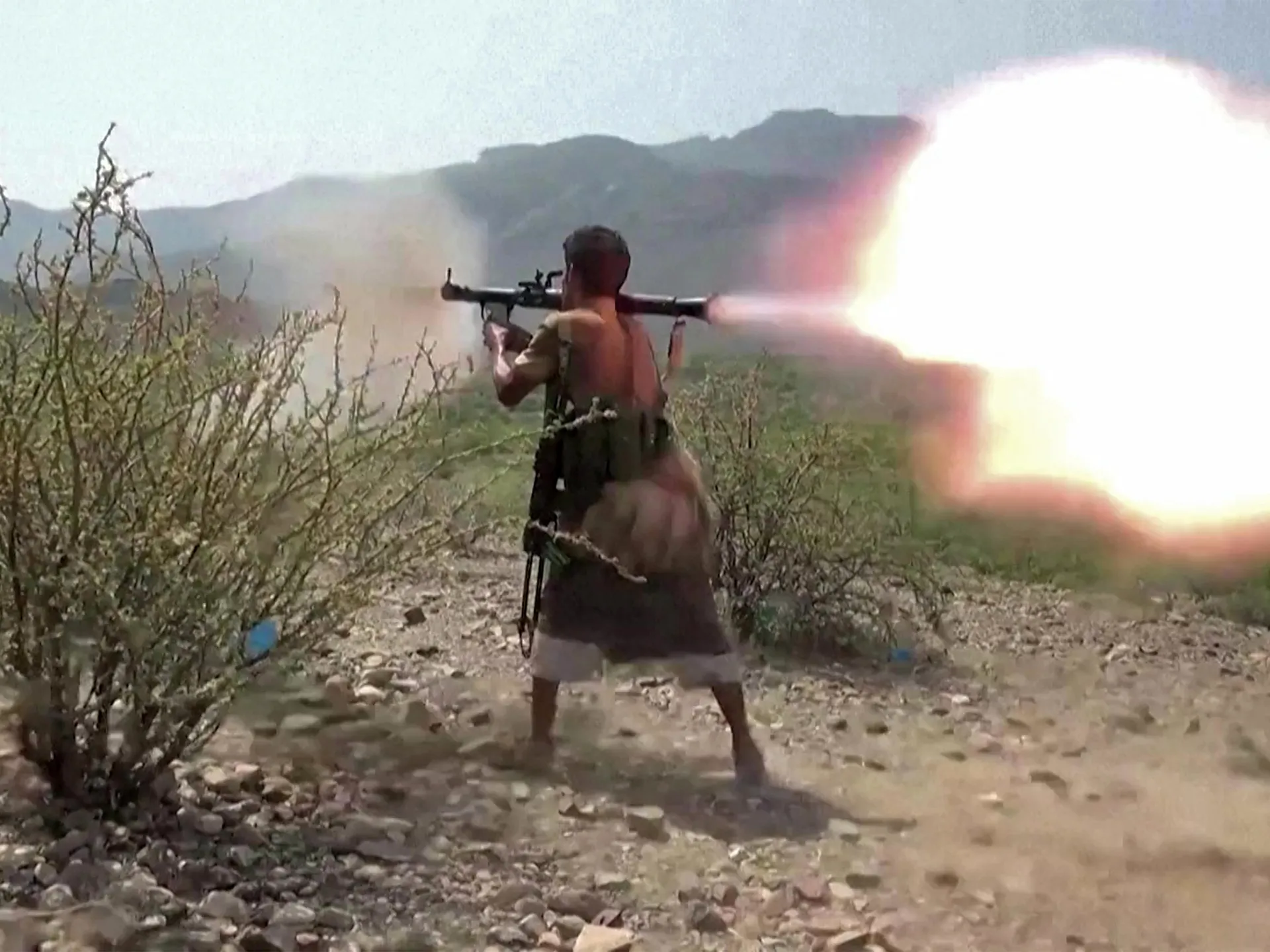
Yemen’s Houthi group has carried out attacks in southern Saudi Arabia, with Riyadh saying that dozens of people have been wounded, as fighting between the Iran-aligned group and pro-Saudi forces in Yemen sharply escalates.The Houthis on Tuesday said they targeted Saudi energy sites belonging to oil giant Saudi Aramco in southern areas, with the group’s military spokesperson calling it “a broad operation”.Recommended Stories list of 3 itemslist 1 of 3‘Breaks my heart’: Yemen jab shortages spark fears for millions of childrenlist 2 of 3How significant are the Yemeni government’s military gains against Houthis?list 3 of 3Yemen gov’t forces launch air strikes on Houthi targetsend of listSaudi authorities confirmed attacks on several facilities and installations related to the energy sector in the south of the country, vowing a firm response. Riyadh also accused the Houthis of wounding at least 73 people in the attacks.The conflict between the Yemeni armed group and Saudi Arabia is unfolding as the Houthis are currently fighting Yemen’s Riyadh-backed internationally recognised government, which announced that it was launching counteroffensives against Houthi-held positions across several provinces on Monday.The renewed hostilities are the most serious since a United Nations-brokered truce halted large-scale fighting in 2022, after eight years of a full-blown conflict that killed tens of thousands of people in one of the world’s poorest countries.The escalation also comes as the strategic importance of Yemen’s Bab al-Mandeb Strait grows amid Iran’s effective closure of the Strait of Hormuz, a key passageway for global oil and gas supplies.The Houthis have sought to advance towards the vital Red Sea shipping route, while government forces say their campaign ultimately aims to retake the Houthi-held capital, Sanaa.So what do we know about the latest fighting, and what comes next?How did the fighting between Saudi Arabia and the Houthis unfold?The Houthis on Monday said Saudi Arabia launched multiple attacks on Houthi-held areas.The group said Saudi attacks using aircraft and cruise missiles struck al-Jawf, al-Bayda, Marib and Taiz provinces.Moreover, the Houthis accused Saudi Arabia of carrying out an air strike on a prison in al-Hazm, the capital of al-Jawf, killing seven people and injuring seven others. Riyadh did not immediately comment on the attacks.At the same time, the Houthis claimed to have shot down Saudi reconnaissance drones over al-Jawf and al-Bayda.Meanwhile, on Tuesday, Major-General Turki al-Malki, the Saudi spokesman for the Riyadh-led coalition in Yemen, said the Houthis carried out attacks on the Saudi cities of Abha, Khamis Mushait, Jizan and Najran, injuring at least 73 people, among them women and children.According to a statement from Saudi Arabia’s Energy Ministry, the strikes also triggered fires at multiple oil installations and utility sites across the kingdom’s southern provinces.Southern Saudi Arabia is home to key oil infrastructure, including the Jizan refinery, one of the kingdom’s largest, with the capacity to process 400,000 barrels of crude per day.Shortly after, the Houthis announced that they had targeted Saudi energy infrastructure operated by oil giant Aramco in the south using drones and ballistic missiles.The group’s military spokesman, Yahya Saree, said the attacks were retaliation for recent Saudi attacks on Houthi-controlled areas across Yemen. Later on Tuesday, Houthi-affiliated media Al Maisrah said Saudi forces had targeted the Al-Jubah district in Marib in the Houthi-controlled part of Yemen.Saudi Arabia’s Foreign Minister Prince Faisal bin Farhan al Saud said the kingdom “strongly condemns” the Houthis’ attacks.“The Houthis choose to prioritise their narrow interests over the interests of Yemen and resort to violence,” Prince Faisal said in a joint press conference with Russian Foreign Minister Sergey Lavrov in Moscow.However, Prince Faisal said diplomacy is still possible with the Houthis to end the fighting after heavy strikes on the country.“The road to diplomacy is not closed,” he said. “Saudi Arabia will always support diplomatic solutions, but the kingdom will never hesitate to defend itself and its interests. We will use every tool to do our job and our duties.”Why is this escalation taking place now?A key focus of the fighting is the Bab al-Mandeb Strait, the narrow waterway connecting the Red Sea to the Gulf of Aden.The Houthis declared a blockade against Saudi shipping in July. The Houthis have also pushed towards government-held areas near al-Makha (Mocha) and territory bordering the Bab al-Mandeb Strait amid reinforcements and counteroffensives from government forces.The strait’s strategic importance has increased dramatically because Iran’s restrictions on the Strait of Hormuz have forced Saudi Arabia to rely more heavily on its Red Sea export route. Between March and mid-July, Saudi seaborne crude exports through Bab al-Mandeb were eight times higher than during the same period in 2025.In 2024, about 4.1 million barrels of crude oil and petroleum products passed through the strait daily on average – about 5 percent of the global total.Internally displaced Yemeni women, who fled their homes with their families due to renewed clashes between Yemen’s Saudi-backed government forces and the country’s Houthi fighters, carry jerrycans after seeking shelter in al-Makha, on the Red Sea coast of Yemen, on September 7, 2026 [AFP]Ahmed Nagi, a senior analyst at the International Crisis Group, said the strait holds importance “when we look at the Houthis’ broader strategy”.“The move towards the western coast is not only about gaining territory on the ground. It also has a maritime dimension,” he told Al Jazeera.“The Houthis have already linked their military campaign to the Red Sea and the shipping routes around Bab al-Mandeb. So gaining more control over the … western coast could give them greater depth and allow them to sustain pressure on maritime traffic in the Red Sea. In that sense, the ground offensive and their maritime campaign are closely connected.”The latest escalation also follows fighting that resumed in July after an Iranian aircraft attempted to land in Sanaa without Saudi authorisation, followed by strikes on Sanaa airport and Houthi retaliation.What has been the international reaction?
Saudi-Houthi fighting in Yemen escalates: What happened, and what’s next?
Saudi Arabia promises firm retaliation after Houthi strikes injure 73 and disrupt energy facilities in southern cities.
2,020 words~9 min read