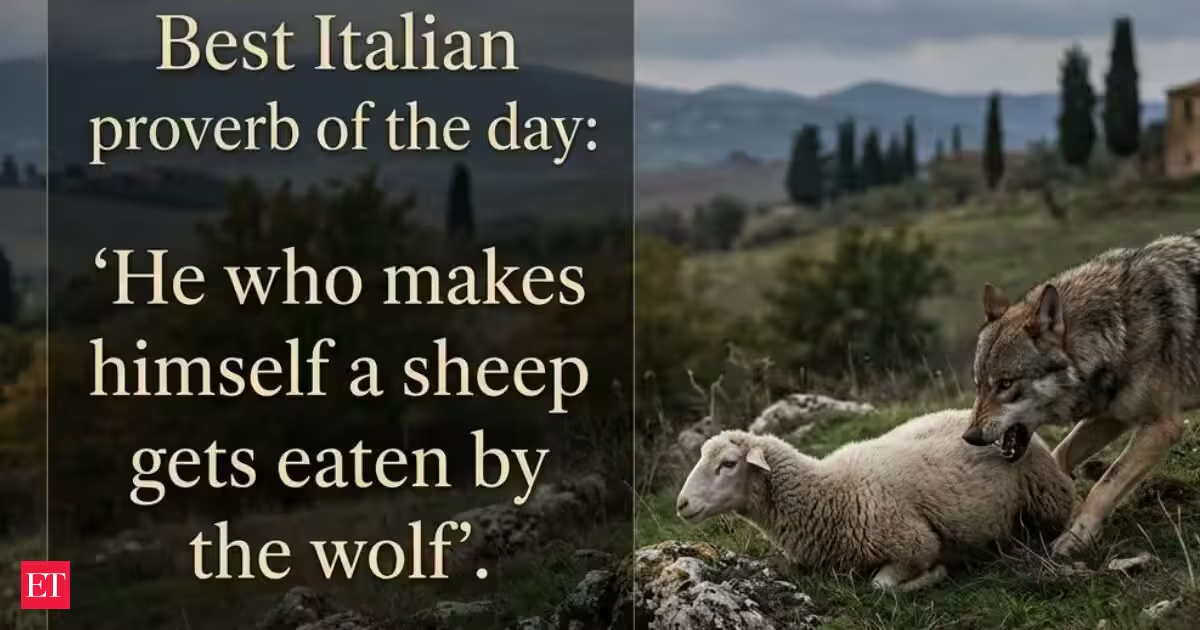
Italian proverbs are generally known for turning everyday observations into sharp lessons about human behaviour, relationships and practical wisdom. One such proverb is “Chi pecora si fa, il lupo se la mangia,” which translates as “He who makes himself a sheep gets eaten by the wolf.” The proverb uses the contrast between a vulnerable sheep and a predatory wolf to convey a warning about the risks of appearing too weak or submissive.“He who makes himself a sheep” and the danger of passivity“He who makes himself a sheep gets eaten by the wolf” presents a straightforward idea: people who repeatedly allow others to dominate them may eventually become vulnerable to exploitation. The sheep represents someone who does not resist, defend their interests or challenge unfair treatment, while the wolf represents those prepared to take advantage of such vulnerability.The proverb is not necessarily a criticism of kindness or gentleness. Instead, it warns against allowing passivity to become a permanent pattern, particularly when someone repeatedly accepts behaviour that harms or disadvantages them.When “making yourself a sheep” invites exploitationA person may avoid confrontation because they want to maintain peace, prevent an argument or avoid disappointing someone. But when this happens repeatedly, others may begin to expect compliance.“He who makes himself a sheep gets eaten by the wolf” captures the potential consequence of such behaviour. If someone continually gives in, remains silent when their boundaries are crossed or accepts unreasonable demands, those around them may become more willing to push those limits.Why “the wolf” sees weakness as an opportunityThe proverb's animal imagery makes its message particularly clear. The sheep symbolises vulnerability, while the wolf represents someone willing to exploit it. The contrast describes an unequal dynamic in which one person recognises that another is unlikely to resist.The lesson is therefore less about physical strength than about perception. Someone who consistently presents themselves as unable or unwilling to defend their position may encourage others to test how much they can demand from them.“Gets eaten by the wolf” as a lesson in boundariesThe proverb does not suggest that people should respond to every disagreement with aggression. Instead, it highlights the importance of knowing when to stand one's ground.Setting boundaries can involve refusing an unfair demand, expressing disagreement clearly or objecting when someone crosses a line. These actions do not require hostility. They simply communicate that cooperation has limits.In this sense, “He who makes himself a sheep gets eaten by the wolf” encourages a balance between being considerate and protecting one's own interests.Why “He who makes himself a sheep” still resonatesThe proverb remains relevant because situations involving unequal treatment can occur in everyday interactions. People may sometimes find themselves deciding whether to remain silent, compromise or assert themselves.Its message is ultimately about self-protection. Being kind, cooperative or accommodating does not mean surrendering the ability to defend one's boundaries. “He who makes himself a sheep gets eaten by the wolf” serves as a reminder that while gentleness has value, continually presenting oneself as powerless can create opportunities for others to take advantage.
Best Italian proverb of the day: ‘He who makes himself a sheep gets eaten by the wolf’ A life lesson on setting boundaries
Best Italian Proverb of the Day: “Chi pecora si fa, il lupo se la mangia” means “He who makes himself a sheep gets eaten by the wolf.” This Italian proverb warns against excessive passivity, suggesting that those who appear unable to defend themselves may be taken advantage of. Its message encourages people to recognise their worth, establish boundaries and avoid making themselves easy targets.
503 words~2 min read