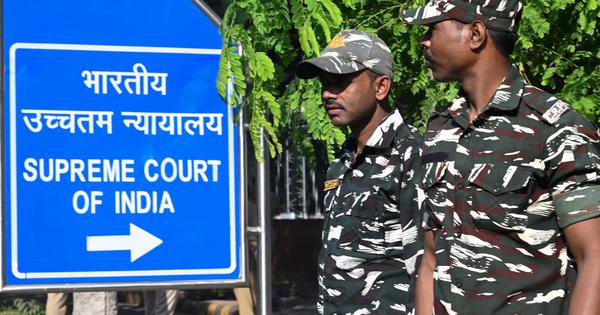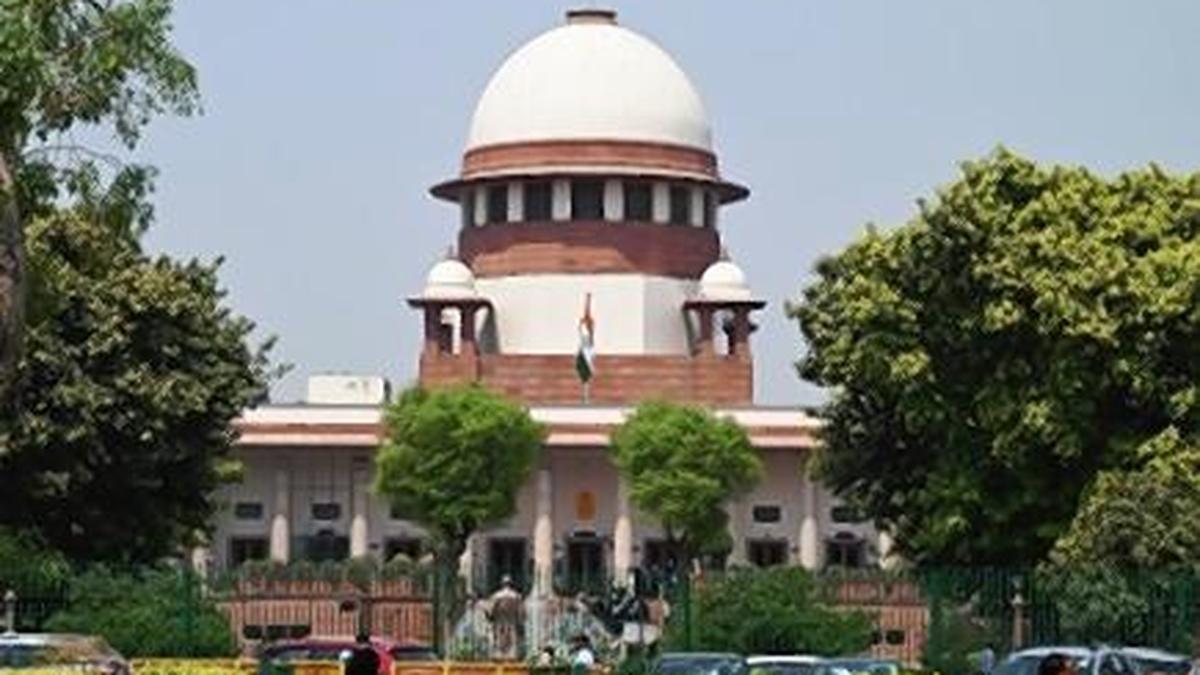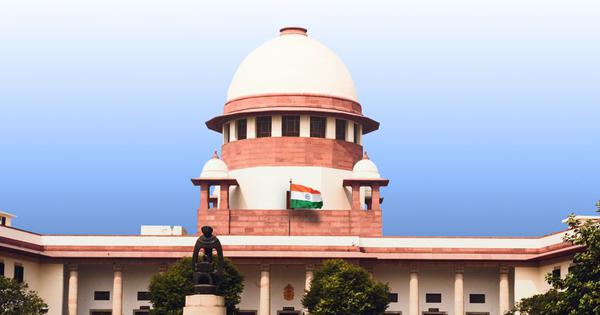
The Supreme Court on Tuesday asked the Uttar Pradesh government whether detentions under the National Security Act can be made based on a confession made by an accused person while they are in police custody, Live Law reported.The court was hearing a petition challenging the preventive detention of Mulla Afroz, the alleged “mastermind” behind the November 2024 Sambhal violence. Afroz had been arrested on the basis of a confession he made while he was in police custody, Live Law reported.The National Security Act allows authorities to detain a person without trial for up to a year.The Sambhal violence broke out on November 24, 2024, after a group of Muslims objected to a survey of the Shahi Jama Masjid in Chandausi town of Sambhal. The survey had been ordered in a suit claiming that the mosque was built in 1526 by Mughal ruler Babar on the site of an ancient Hindu temple. The violence left five persons dead, with locals alleging that four of them were killed in police firing.Although the Allahabad High Court had granted him bail, the Uttar Pradesh government passed an order to detain Afroz under the National Security Act on October 13, 2025.Afroz approached the Supreme Court after the High Court upheld the detention order.During Tuesday’s hearing, the bench questioned the relevance and value of the custodial confession.“Detention order is preventive, not punitive and it cannot be invoked as a mantra to be invoked before the court to defeat every challenge,” Live Law quoted the bench as saying. “Therefore, there has to be some material on the basis of which you are subjectively satisfied.”The Uttar Pradesh government defended the detention, saying that it relied on the alleged “likelihood” of Afroz causing violence or affecting public order. The state argued that where the available material indicates such a likelihood, it would be sufficient to justify preventive detention, Live Law reported.On the custodial confession, the state argued that whether it was relevant or not was a matter to be considered during legal proceedings.The Supreme Court reserved its order on Afroz’s plea.Edited by Sneha.
Can NSA be invoked based on confession in police custody, SC asks UP in Sambhal violence case
‘Detention order is not punitive and cannot be invoked as a mantra before court,’ said the bench.
344 words~2 min read