Free daily briefing on global business news.
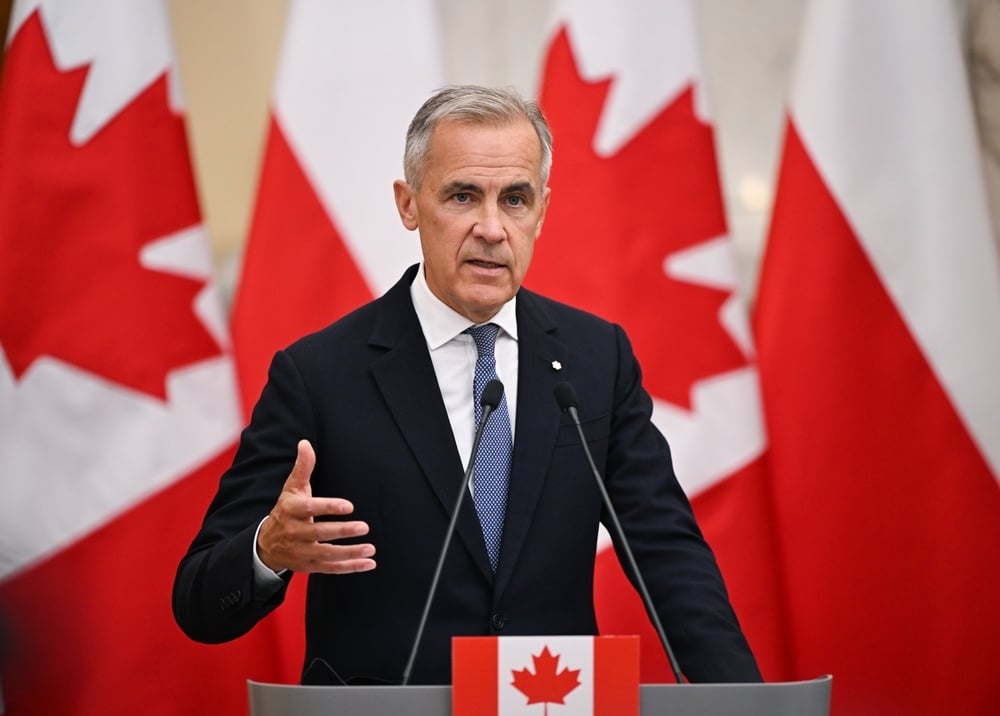
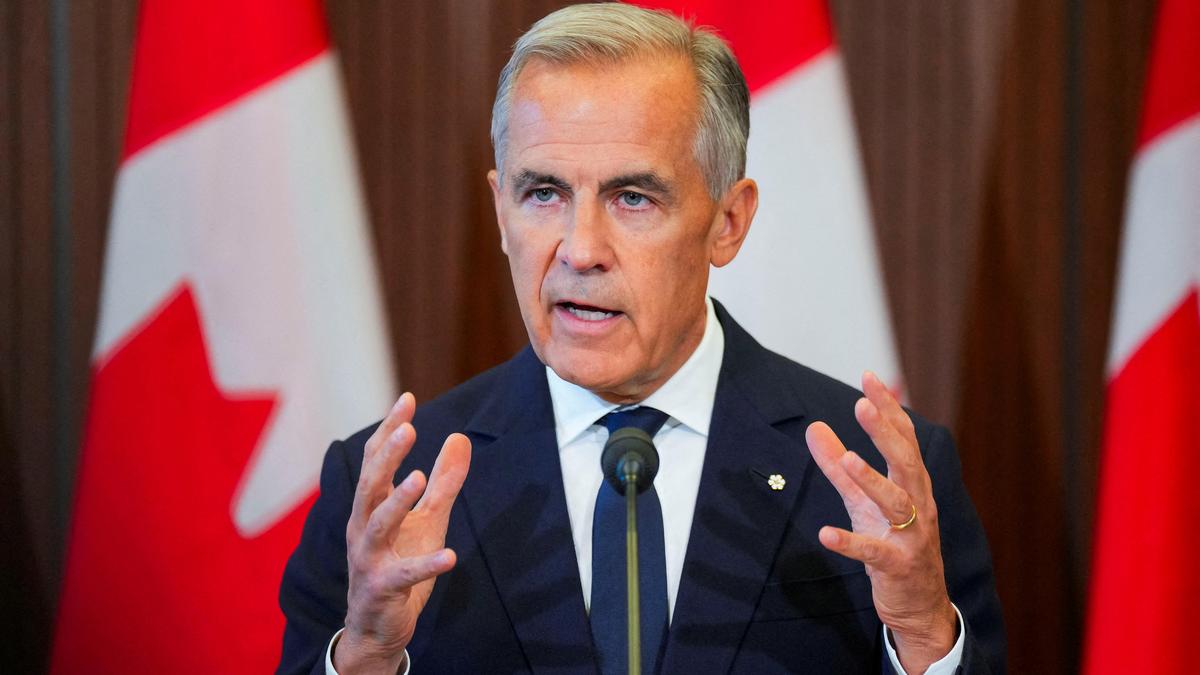
The move follows the collapse of trade negotiations late last month, when Canadian Prime Minister Mark Carney suspended talks after saying U.S. negotiators introduced terms he described as "unfair"
Canada imposed counter-tariffs on $27.6 billion worth of American goods on Tuesday, with duties ranging from 15% to 50% across hundreds of product categories including steel, dairy, appliances, agricultural equipment, pulp and paper, and electronics.
The measures took effect at 12:01 a.m. Tuesday, applying only to goods originating from the United States. Ottawa described the action as a "dollar for dollar" response to U.S. Section 338 tariffs on Canadian exports. Individual product rates were set to match the corresponding U.S. rate for the same goods. Steel, aluminum, and iron products from the U.S. now face a 50% Canadian tariff, and furniture, motorcycles, clothing, and certain beauty products were likewise placed in the top-rate bracket, according to CNBC. Existing Canadian counter-tariffs on U.S. autos, including a 25% rate on that sector, remain in place.
Canada's Department of Finance framed the tariffs as a tool to strengthen the competitive position of Canadian workers, producers, and manufacturers against American goods entering the domestic market. Goods already in transit to Canada when the tariffs came into force were exempt.