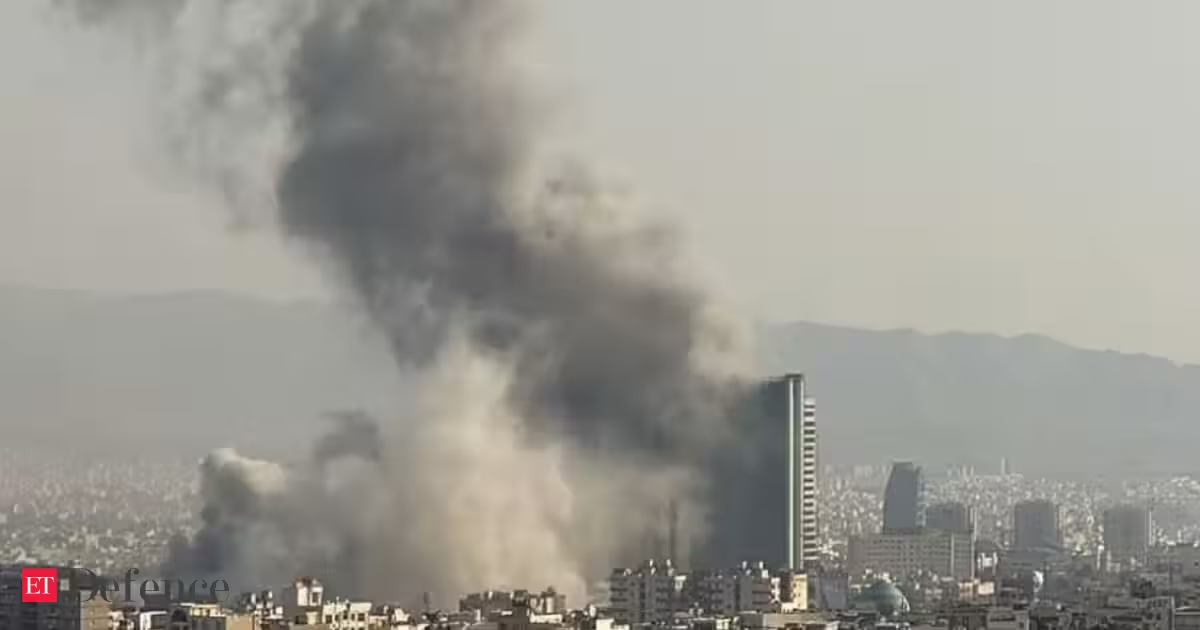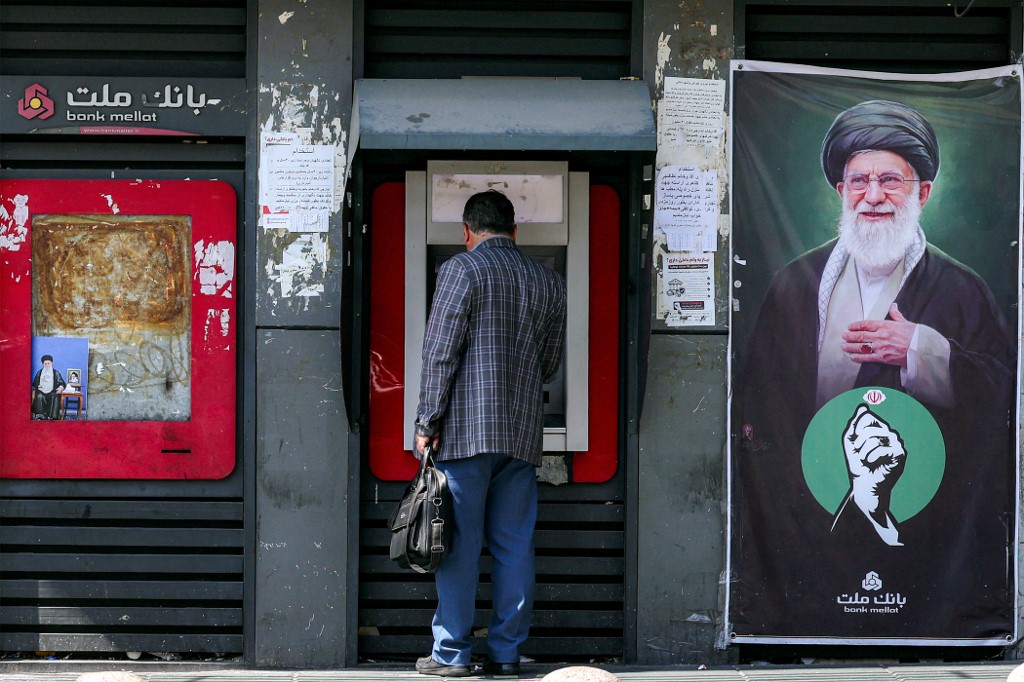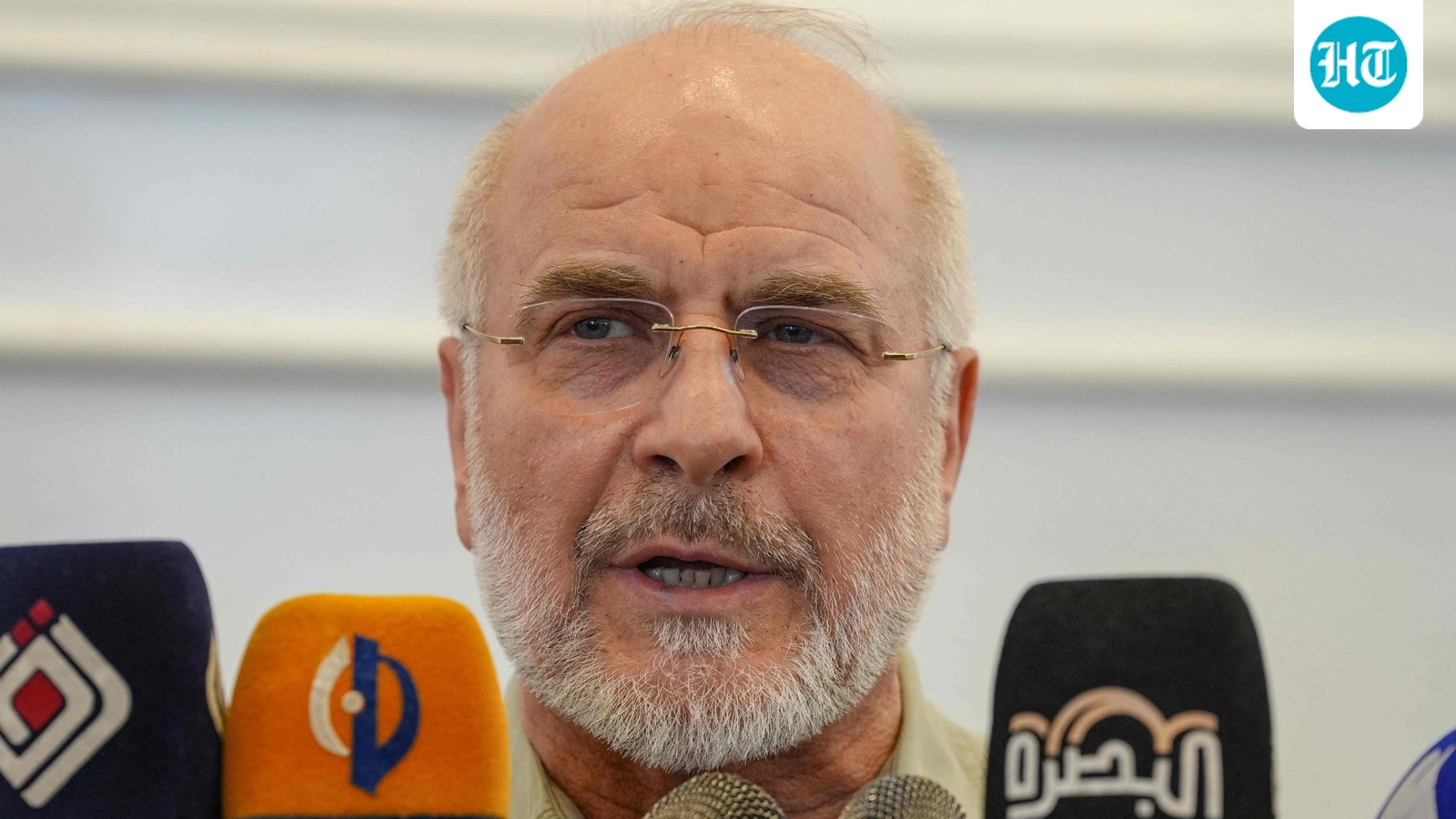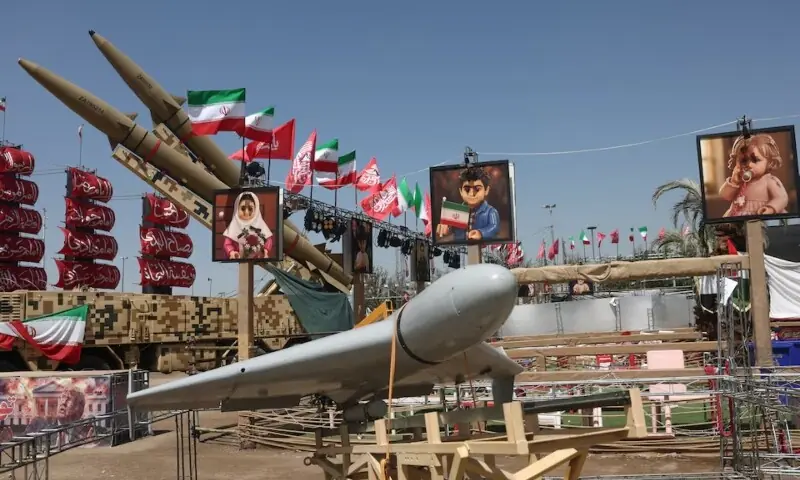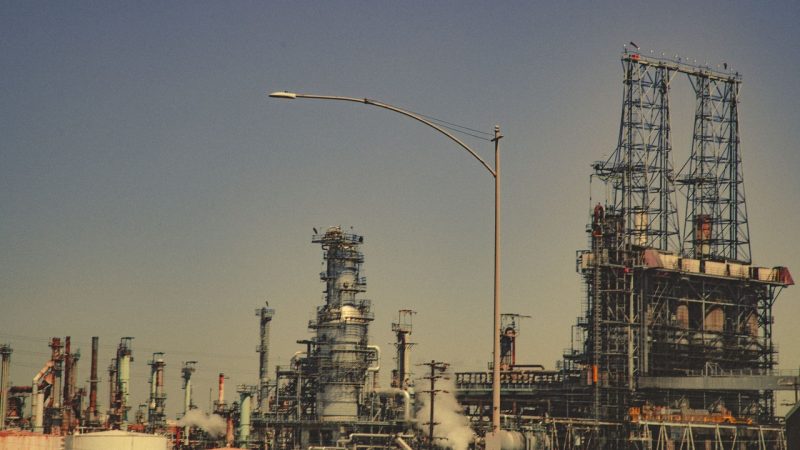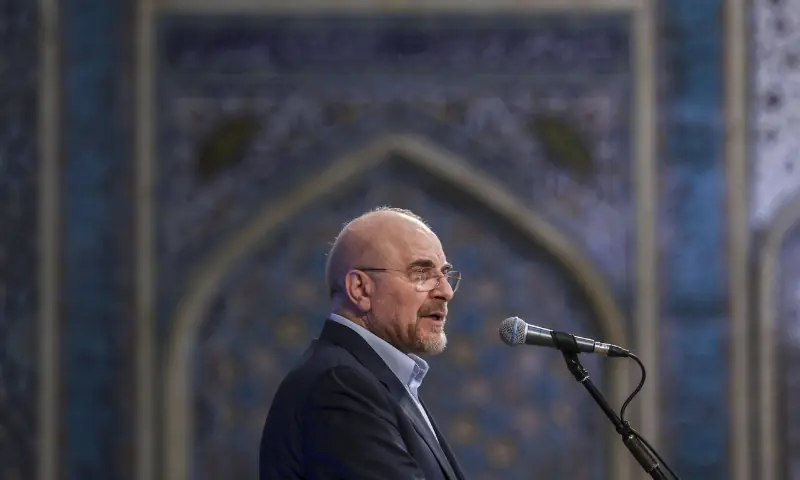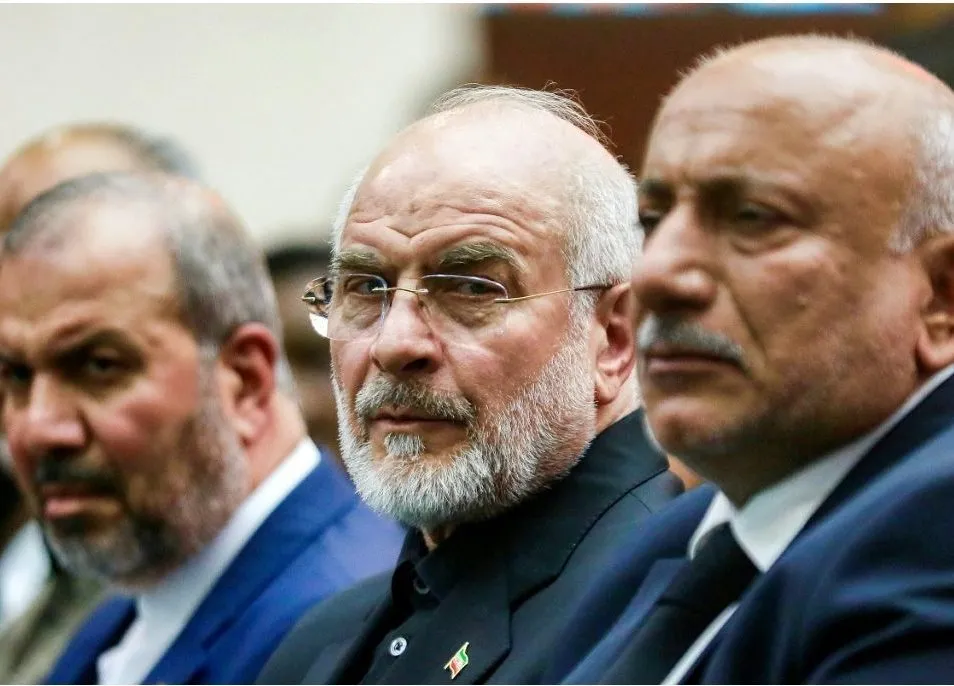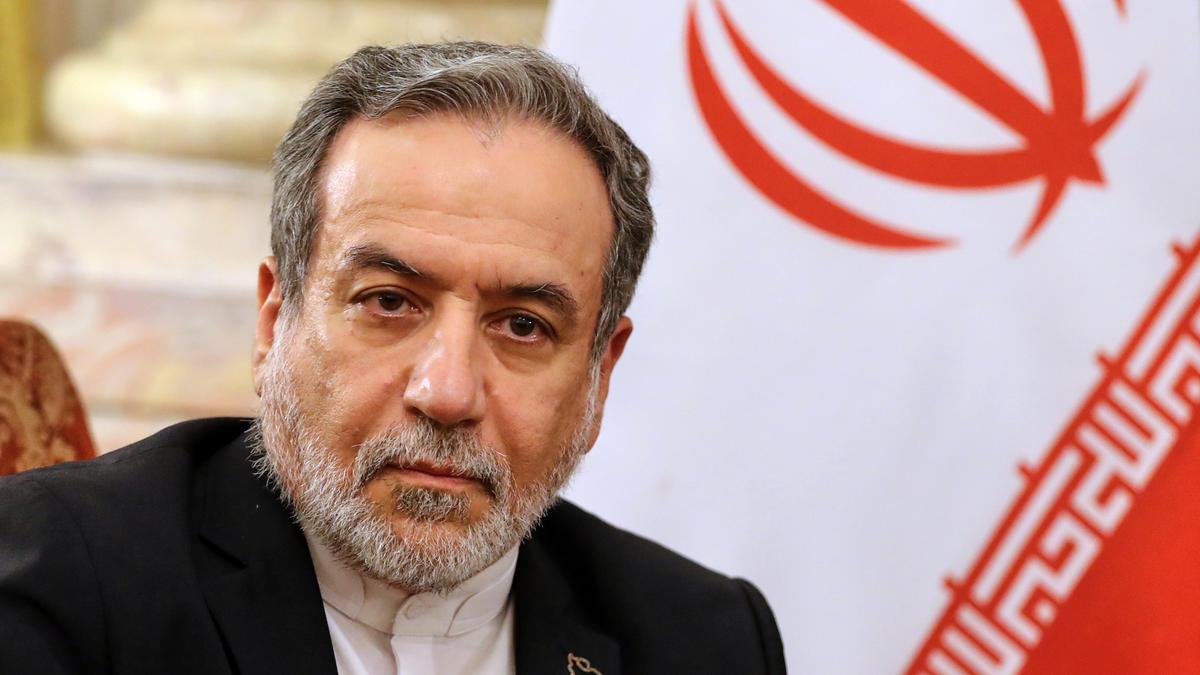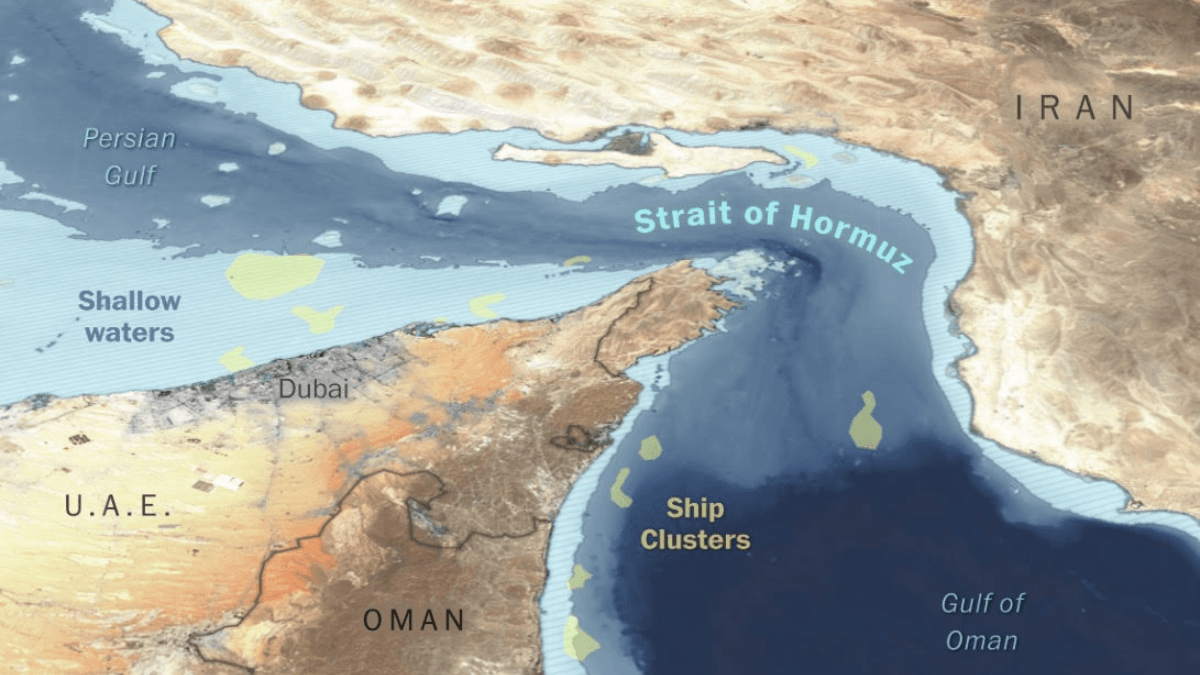
Responding to U.S. Defense Secretary Pete Hegseth’s warning that “if Iran shoots at U.S. ships, we will destroy (and sink) their oil tankers,” Iranian Parliament Speaker Mohammad Bagher Ghalibaf said: “It’s simple: the oil and gas production chain here is sprawling, accessible, and exposed. American oil and gas companies across these waters and facilities share that exposure. Strike our assets and you get struck."Mohsen Rezaei, Iran’s Supreme National Security Council Secretary, said Monday that "economic warfare will be met by a maritime exclusion zone across the Persian Gulf to the blockade perimeter." The "exclusion zone” in the Persian Gulf and Gulf of Oman would begin at the blockade line, extend through the Strait of Hormuz, and continue into the Persian Gulf, Rezaei said. Vessels entering the zone to transit the Strait would be placed on an Iranian sanctions list. The latest flare-up began Saturday, when Iran’s Islamic Revolutionary Guard Corps (IRGC) attacked U.S. warships in the region. The U.S. responded by striking three Iranian oil tankers, including one near Kharg Island, Iran’s main oil export hub. The U.S. and Iran have for the past week exchanged a flurry of attacks, ending a brief respite in active hostilities. Oil prices reached near six-week highs on Monday as commercial traffic through the Strait of Hormuz, a narrow waterway through which a fifth of global oil and liquefied natural gas shipments flowed before the war, has fallen sharply.Negotiations remain at a standstillAfter a commercial vessel was struck in the Strait in late June, the U.S. attacked Iranian missile storage and radar sites, prompting Iran to retaliate against U.S. military installations in the region. Intermittent attacks continued in July, and fighting resumed in late August after a brief, informal pause.The Trump Administration has said it is investigating a U.S. strike last week on a family compound in southern Iran where a wedding celebration was underway, killing at least five people and wounding more than 60, according to Iranian state media.No new formal negotiations have been announced since the MOU’s 60-day deadline expired on Aug. 17. Although some of Iran’s top officials, including President Masoud Pezeshkian, have signaled a willingness to return to the MOU and resume talks with the U.S., the two countries’ positions remain far apart. The U.S. wants to significantly restrict or dismantle Iran’s nuclear program and guarantee unrestricted commercial passage through the Strait of Hormuz. Iran has called for broad sanctions relief, access to frozen assets, an end to the U.S. naval blockade of Iranian ports, and a role in managing the Strait.“The Iranian nation accepts neither threats nor coercion, nor negotiations whose outcome would be the weakening of the country’s rights,” Hossein Taeb, head of the IRGC’s Basij paramilitary force, said on Monday. “Negotiations are for securing the nation’s rights, not surrendering them.”While Trump faces domestic pressure to rein in gas prices and avoid an open-ended war in the Middle East ahead of the November midterms, he has also appeared determined to secure an outcome he can present as a victory.“I’m not trying to force Iran to the bargaining table,” Trump posted on Truth Social last week. “I like our position now much better, with almost total control of the Hormuz Strait, and their economy totally collapsing. They are just playing out the inevitable.”Iran considers new tacticsIran is planning to establish a new restricted zone to amp up global economic pressure and force an end to the U.S. blockade. At the same time, Iran and Oman have agreed on a temporary shipping corridor through the Strait of Hormuz and are in talks on its future administration—an arrangement that could formalize Tehran’s role in managing the waterway against U.S. opposition.But Ghalibaf acknowledged in parliament on Sunday that Iran is struggling with sharp inflation, a collapsing rial, and high unemployment.Washington’s economic pressure campaign, which includes the naval blockade, sanctions on Iran, and the threat of secondary sanctions on Iran’s trading partners, has squeezed Tehran. The International Monetary Fund estimates that inflation in Iran is near 70%.Oil prices near $100 as hostilities flare The strikes represented a significant regional escalation, adding further pressure to crude prices.Meanwhile, traffic via the Strait of Hormuz remains severely disrupted.Kpler, a commodities data and analytics firm, shared data with TIME that shows only 12 ships crossed the Strait on Monday, significantly lower than the 138 vessels that typically passed through the vital trade waterway during a 24-hour period before the war.Meanwhile, President Donald Trump on Monday said that “oil prices will drop precipitously" when the U.S. "win[s] the war," but he did not provide a timeline or address the likelihood of energy markets remaining volatile even after the conflict is said to have ended. Iran faces mounting international pressureThe U.K. is reimposing major economic sanctions against Iran in line with the European Union and the United States, it was announced Tuesday.The legislation expands trade prohibitions against Iran to additional goods, technology, and services. Financial measures will "further reduce the government of Iran’s ability to access the U.K. financial system and raise funds in support of its nuclear programme," according to Minister for the Middle East Stephen Doughty.Additionally, British Foreign Secretary Ed Miliband announced the U.K. will take action this week to "report Iran to the U.N. Security Council for its nuclear violations, alongside our allies."
Iran Threatens to Target U.S. Energy Assets in Gulf If U.S. Strikes Again
The warning comes as Washington has dealt heavy economic blows to Iran amid renewed hostilities.
877 words~4 min read