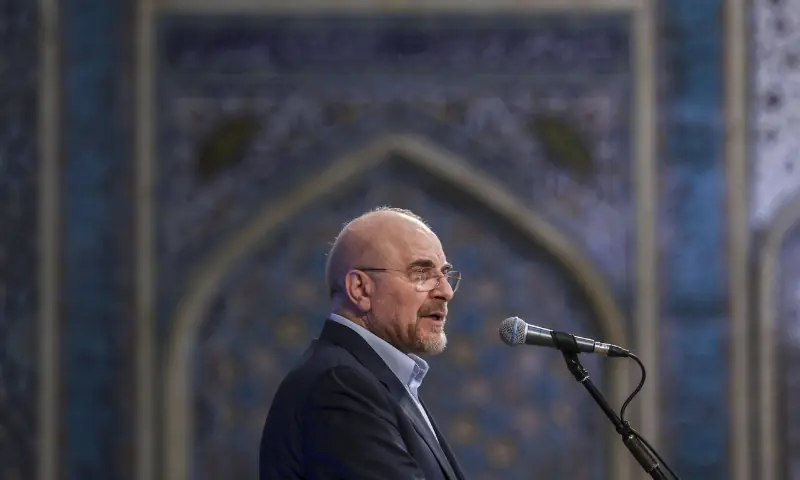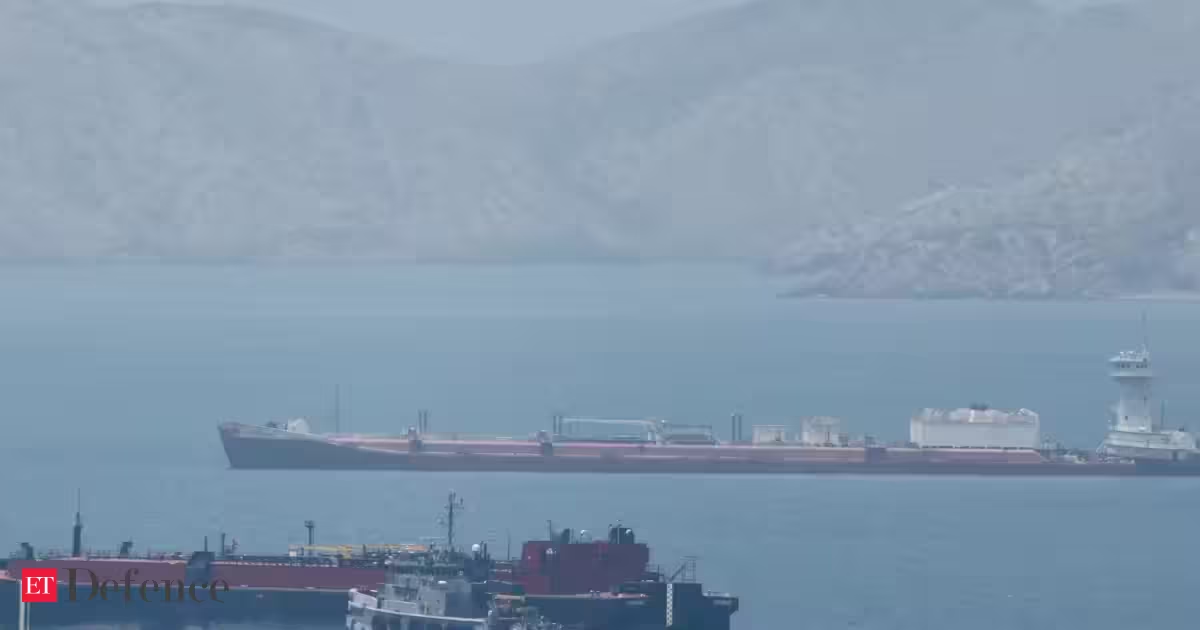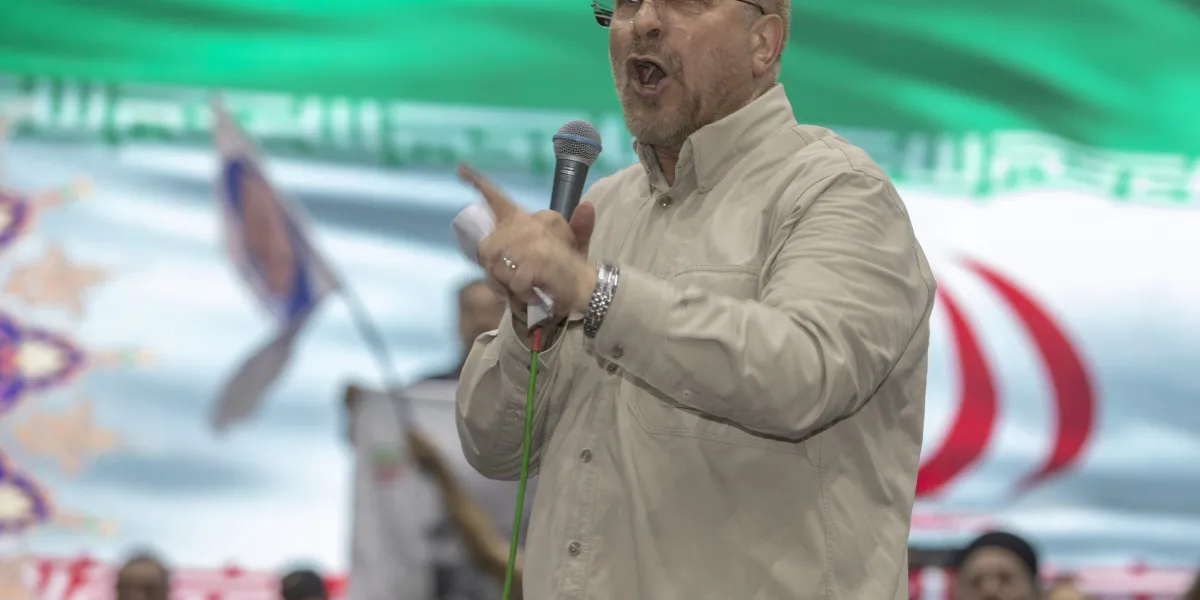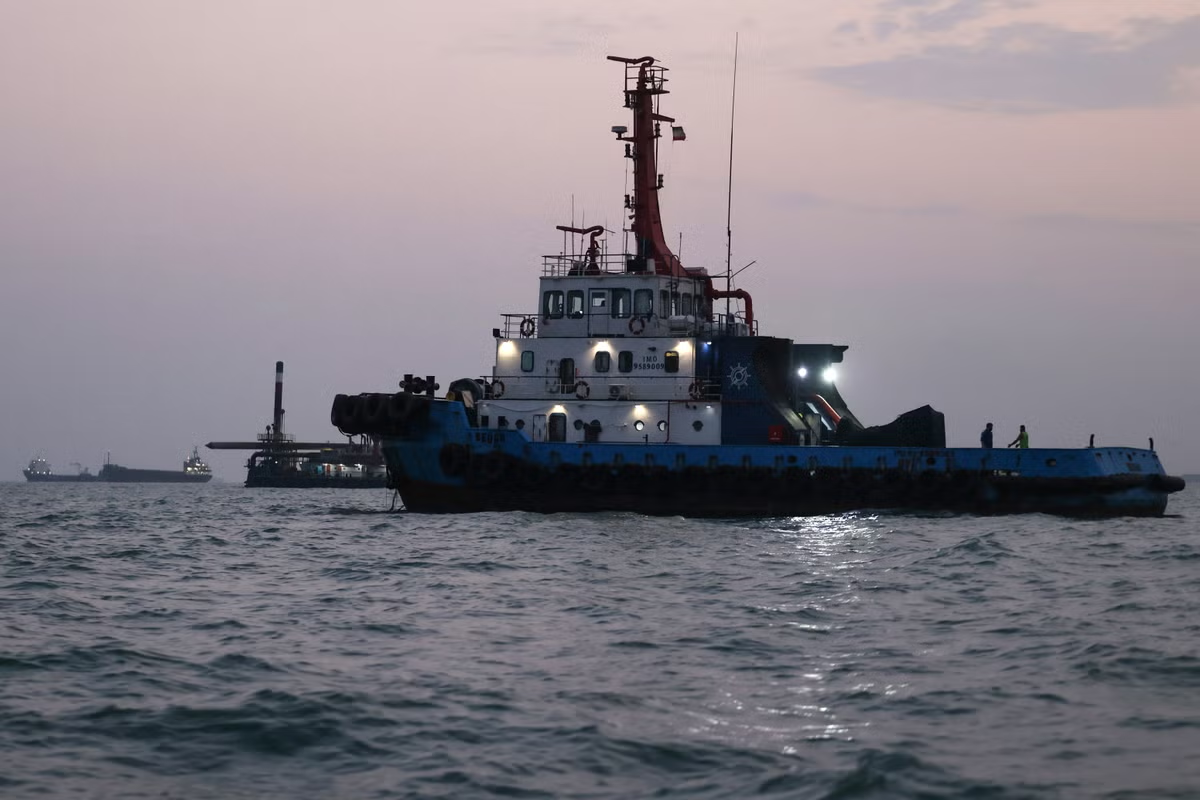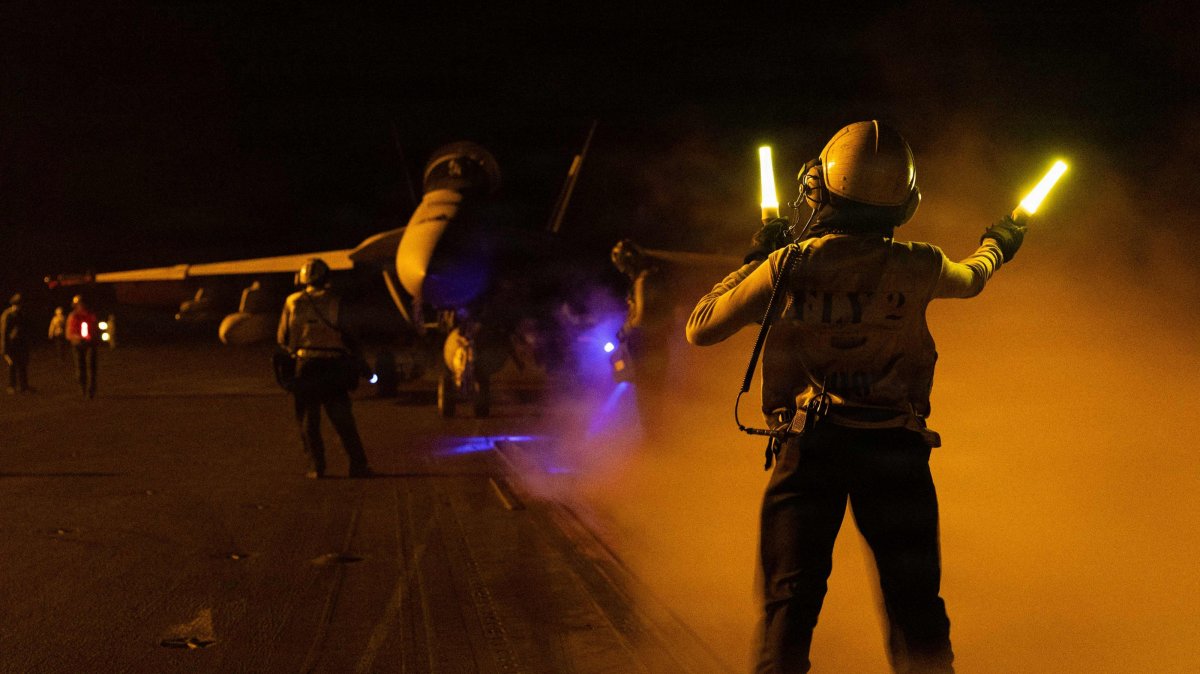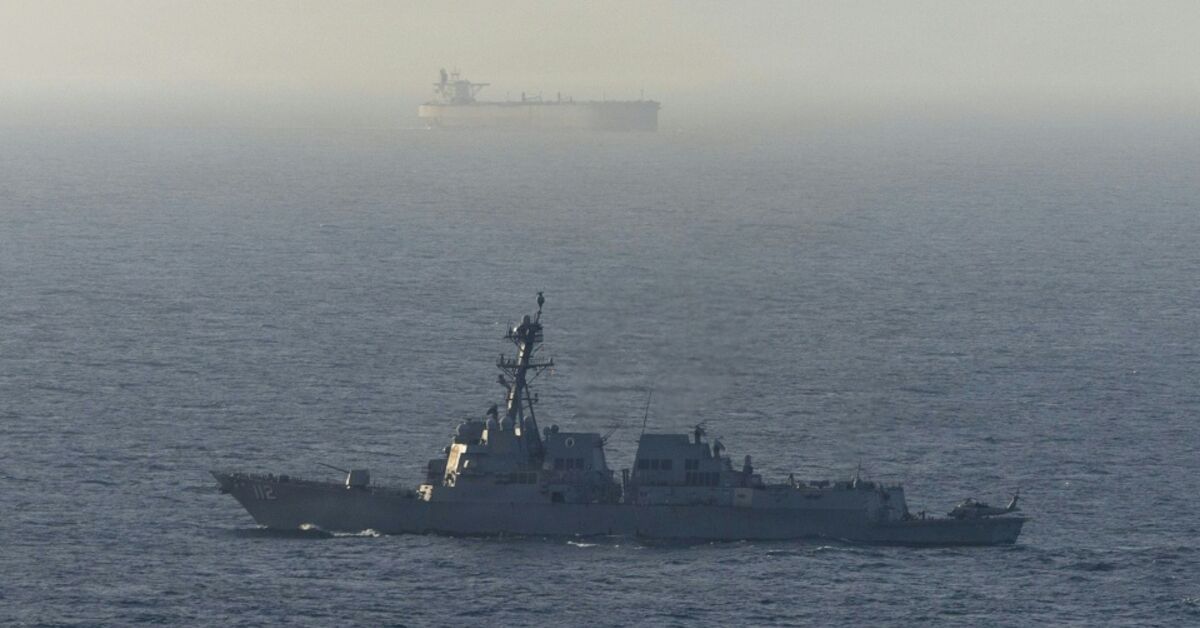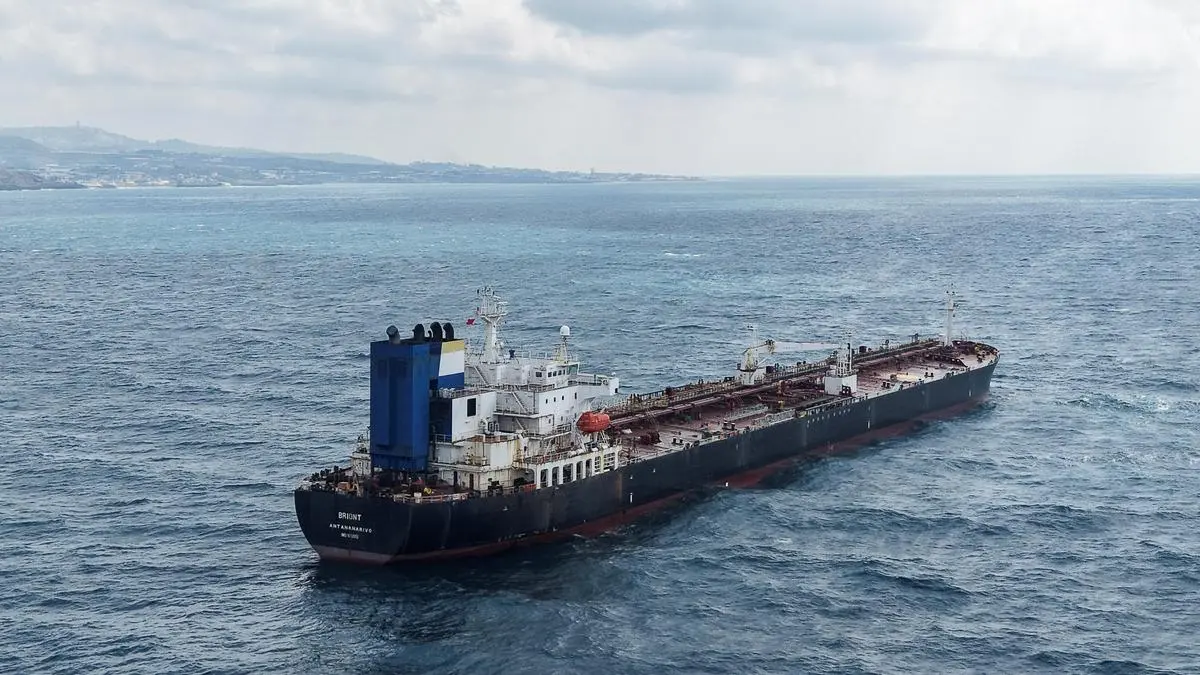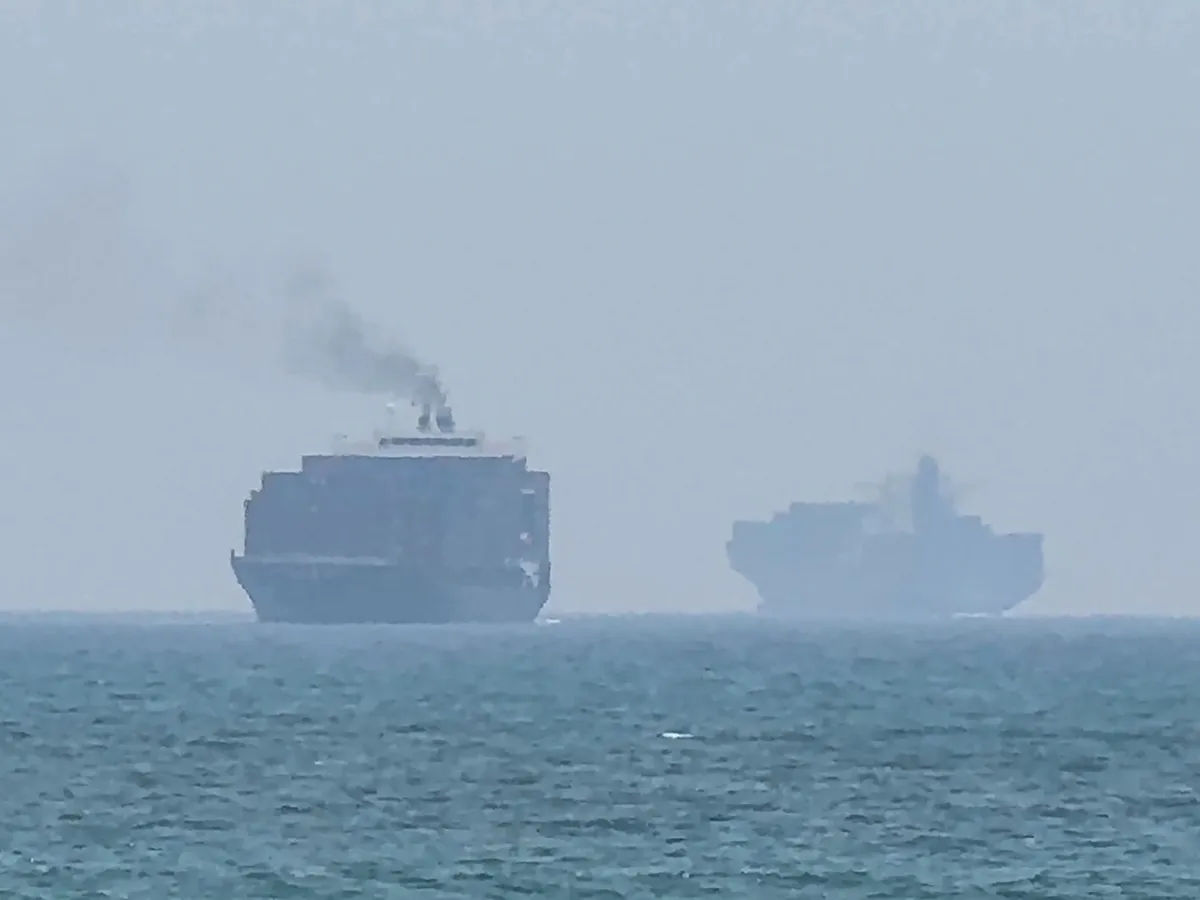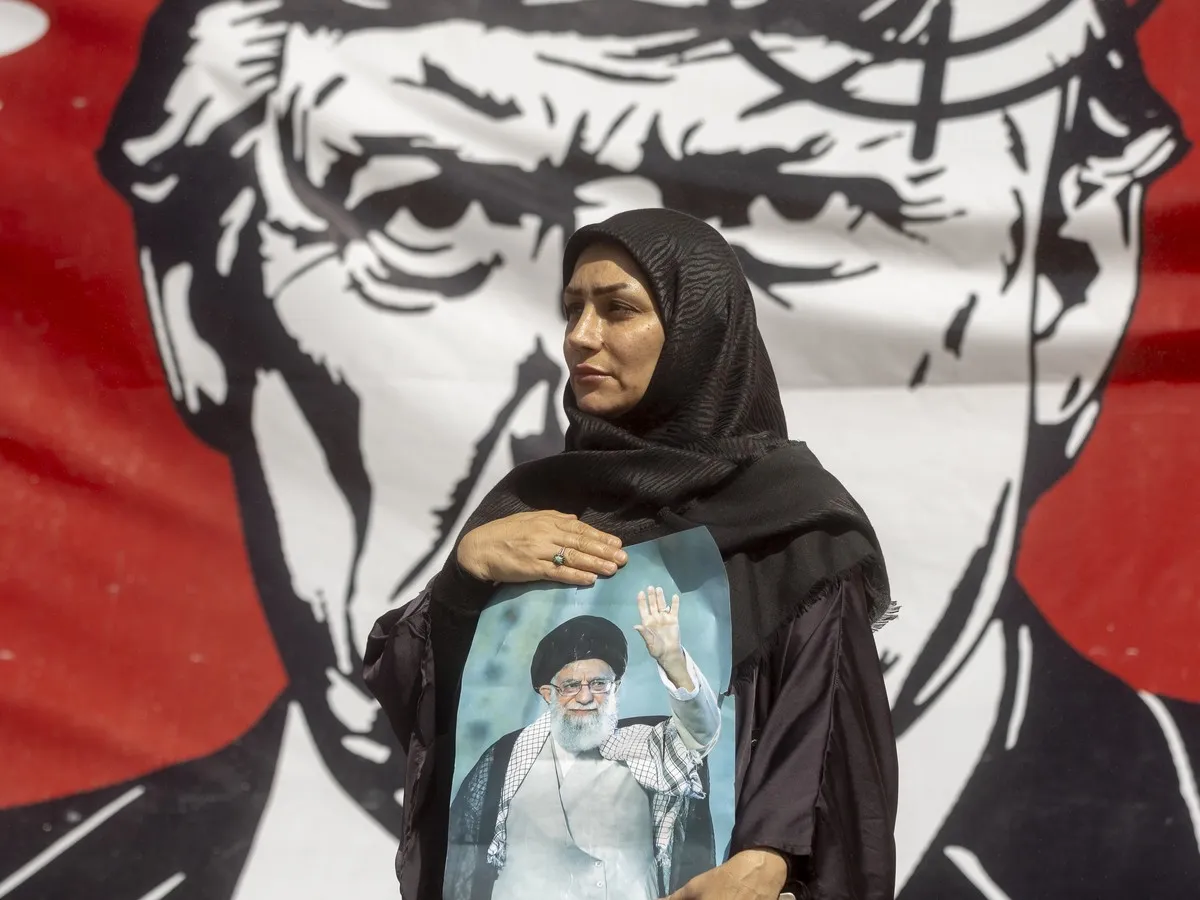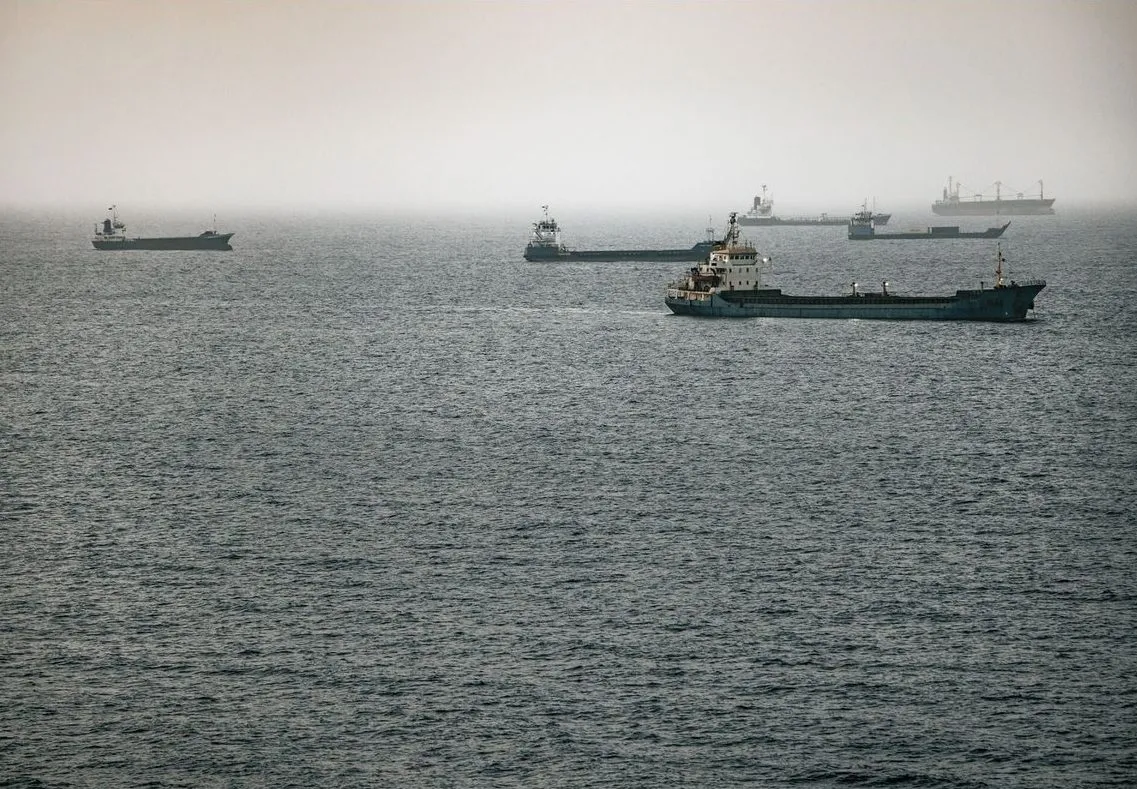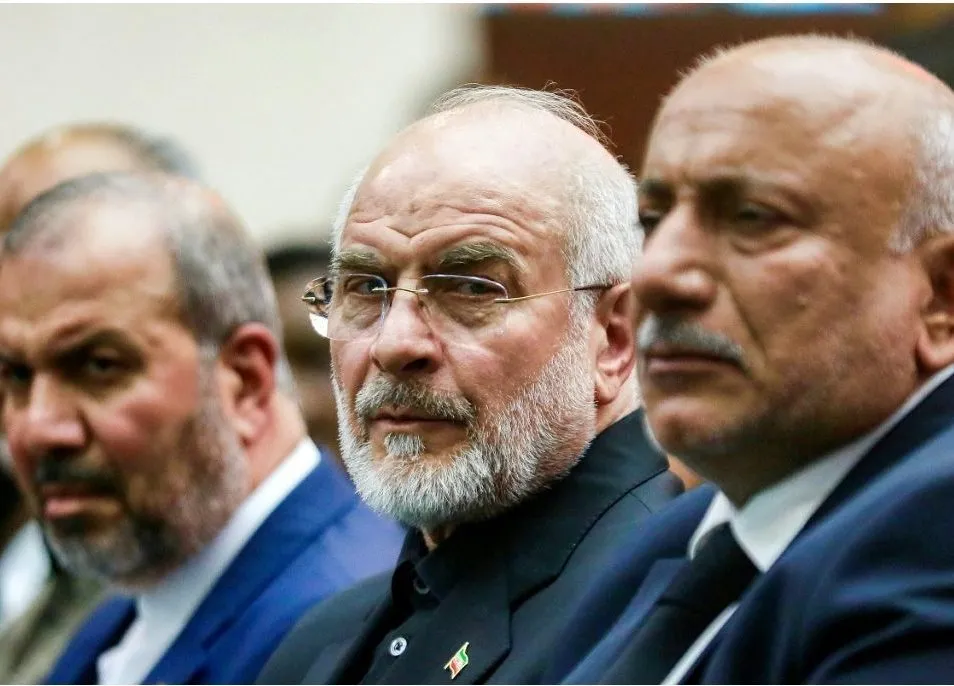
Skip to Content Subscribe My Account Manage My Subscriptions FAQ Newsletters Canada Canadian True Crime Canadian Politics Health World Israel & Middle East Financial Post NP Comment Longreads Puzzmo Diversions Comics NP News Quiz New York Times Crossword Horoscopes Modern Life Eating & Drinking Style Sponsored Play for Ontario Travel Travel Canada Travel USA Travel International Cruises Travel Essentials Culture Books Celebrity Movies Music Theatre Television Business Essentials Advice Lives Told Tails Told Shopping Buy Canadian Home Living Outdoor Living Kitchen & Dining Tech Style & Beauty Personal Care Entertainment & Hobbies Gift Guide Travel Guide Deals Savings National Post Store More Sports Hockey Baseball Basketball Football Soccer Golf Tennis Driving Vehicle Research Reviews News Gear Guide Obituaries Place an Obituary Place an In Memoriam Classifieds Place an Ad Celebrations Working Business Ads Archives Healthing Epaper Manage Print Subscription Profile Settings My Subscriptions My Offers Newsletters Customer Service FAQ Newsletters Canada World Financial Post NP Comment Longreads Puzzmo Diversions Modern Life Shopping Epaper Manage Print Subscription HomeNewsWorldIsrael & Middle EastIran warns U.S. of 'more painful response' after oil tanker strikes'The Americans must have understood that the era of proportionate responses has come to an end,': Iran's parliament speaker Mohammad Bagher GhalibafAuthor of the article:Last updated 2 days ago Iran's Parliament Speaker Mohammad Bagher Ghalibaf, middle, threatened to up the intensity of Iranian strikes. Photo by Karar Jabbar /AFPIran’s top negotiator on Sunday threatened a more forceful response to any further U.S. attacks after Tehran targeted American warships in its latest round of clashes.Enjoy the latest local, national and international news.Exclusive articles by Conrad Black, Barbara Kay and others. Plus, special edition NP Platformed and First Reading newsletters and virtual events.Unlimited online access to National Post.National Post ePaper, an electronic replica of the print edition to view on any device, share and comment on.Daily puzzles including the New York Times Crossword.Support local journalism.Enjoy the latest local, national and international news.Exclusive articles by Conrad Black, Barbara Kay and others. Plus, special edition NP Platformed and First Reading newsletters and virtual events.Unlimited online access to National Post.National Post ePaper, an electronic replica of the print edition to view on any device, share and comment on.Daily puzzles including the New York Times Crossword.Support local journalism.Create an account or sign in to continue with your reading experience.Access articles from across Canada with one account.Share your thoughts and join the conversation in the comments.Enjoy additional articles per month.Get email updates from your favourite authors.Create an account or sign in to continue with your reading experience.Access articles from across Canada with one accountShare your thoughts and join the conversation in the commentsEnjoy additional articles per monthGet email updates from your favourite authorsSign In or Create an AccountorThe exchanges of fire, which began with U.S. raids last week, come amid a deadlock in the six-month war between the two foes.Iran has maintained its stranglehold on the strategic Strait of Hormuz while Washington continues a counter-blockade of Iranian ports.Washington is also seeking to choke Iran’s economy, rolling out sanctions on entities with financial links to the Islamic republic in a bid to force it into submission.Columnist Jesse Kline keeps you up to date with what’s happening in Israel and the effects of antisemitism on life here in Canada. Friday mornings.By signing up you consent to receive the above newsletter from Postmedia Network Inc.A welcome email is on its way. If you don't see it, please check your junk folder.The next issue of Channel Israel will soon be in your inbox.We encountered an issue signing you up. Please try againIranian parliament speaker Mohammad Bagher Ghalibaf, who has acted as chief negotiator in talks to end the war, said Sunday that “the era of proportionate responses has come to an end.”“Any aggression against Iran’s interests and security will receive a faster, more intense and more painful response,” he added, in a speech carried by state media.Tehran’s top security chief, meanwhile, said Iran would establish a “prohibited zone” near the Strait of Hormuz in the coming days.“This zone will start from the U.S. Navy’s blockade line and include areas of the Persian Gulf. Any ship entering this new zone will be placed on the sanctions list” of Iran, Mohsen Rezaei told state TV.Vessels targetedOn Saturday, U.S. Central Command (CENTCOM), which oversees American military operations in the region, said Iran had unsuccessfully fired at two American warships — an aircraft carrier and a destroyer.In response, the U.S. struck three oil tankers it said were linked to Iran’s Revolutionary Guards (IRGC).Thanks to the precision and professionalism of American service members, the M/T Kylo sank in the Gulf of Oman today and joined Iran’s navy at the bottom of the sea. pic.twitter.com/OwSDMl8SSQ— U.S. Central Command (@CENTCOM) September 6, 2026Video posted by the military showed large fireballs and billowing flames after projectiles slammed into the ships.The three vessels were “part of a multibillion-dollar shadow network that funds the IRGC and its regional proxies,” CENTCOM said.Iran quickly retaliated, with the Guards saying their naval forces “targeted three oil tankers on the unauthorized route of the Strait of Hormuz and three vessels affiliated with the child-killing America in other areas”.It warned ships not to attempt to transit the key trade waterway via routes not approved by Tehran.Early on Sunday Iran’s Guards also said they attacked a U.S. naval drone trying to enter the strait, according to a statement carried by state television.CENTCOM spokesman Captain Tim Hawkins, however, called the claim “a complete lie.”‘Clinging on to power’CENTCOM commander Admiral Brad Cooper had said after the exchange of strikes: “If you shoot at two of our ships, we will impose an even higher economic cost — taking out three of yours.”The Iranian foreign ministry condemned the attacks on its oil tankers as “illegal and aggressive actions.”“Let the message to the IRGC be clear: If you shoot at two of our ships, we will impose an even higher economic cost —taking out three of yours. We will not hesitate to defend American forces, and if necessary, destroy Iran’s limited and exposed oil fleet.” — Adm. Brad Cooper,… pic.twitter.com/UGGcSGsUtd— U.S. Central Command (@CENTCOM) September 5, 2026The administration of U.S. President Donald Trump has tried to downplay the significance of the six-month conflict, which has proven increasingly unpopular at home as midterm elections near.U.S. Vice President JD Vance has gone so far as to say that he “wouldn’t call it a war.”Trump reiterated that view on Friday, calling the war “small potatoes” for Washington.Iranian officials have maintained their defiant tone, but U.S. Energy Secretary Chris Wright told ABC’s “This Week” programme on Sunday that Iran was “doing everything they can to cling on to something.”“They know their nuclear programme’s coming to an end. Their navy has come to an end. Their air force has come to an end. They’re clinging on to power,” he said.A fragile ceasefire between the two sides collapsed in July after attacks on commercial ships in the Hormuz strait, through which one-fifth of world oil supplies previously flowed.Trump has in recent weeks repeatedly threatened to claim sovereignty over the strait, even posting a map showing it as “new U.S. territory.”Vance has insisted the U.S. will not reopen talks with Iran until it ends attacks on commercial shipping in the strait.Our website is the place for the latest breaking news, exclusive scoops, longreads and provocative commentary. Please bookmark nationalpost.com and sign up for our newsletters here. Join the Conversation This website uses cookies to personalize your content (including ads), and allows us to analyze our traffic. Read more about cookies here. By continuing to use our site, you agree to our Terms of Use and Privacy Policy.
Iran warns U.S. of 'more painful response' after oil tanker strikes
Iran warned of a stronger response after U.S. strikes on Iranian oil tankers, escalating tensions over the Strait of Hormuz.
1,267 words~6 min read