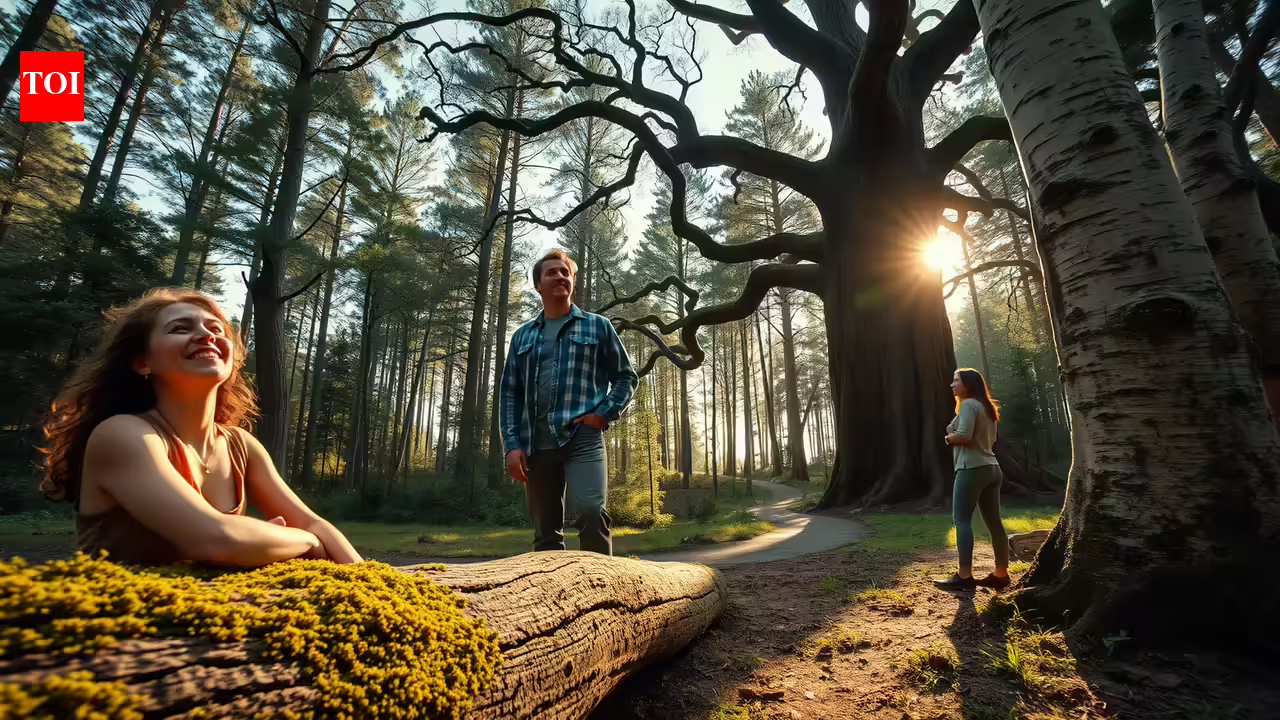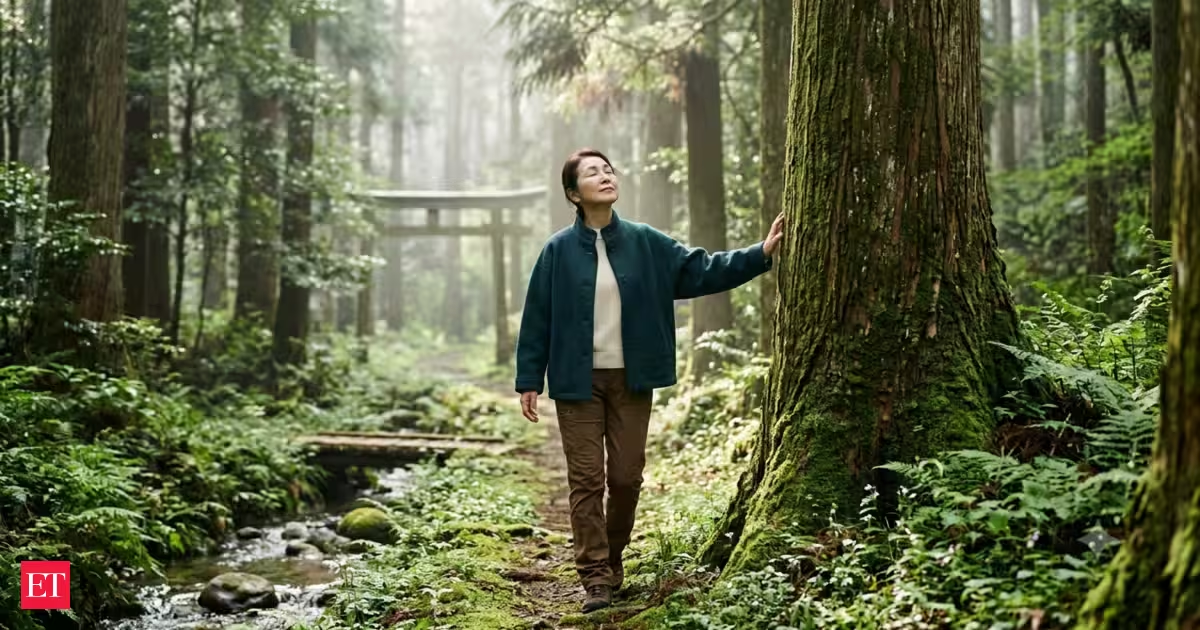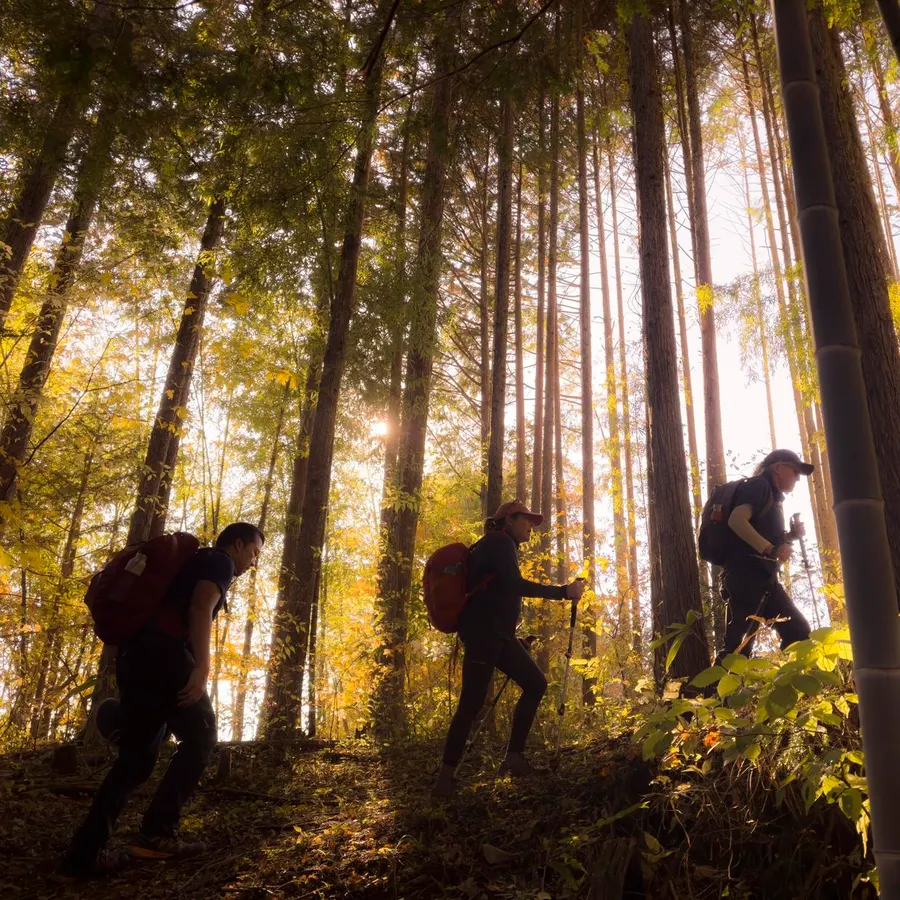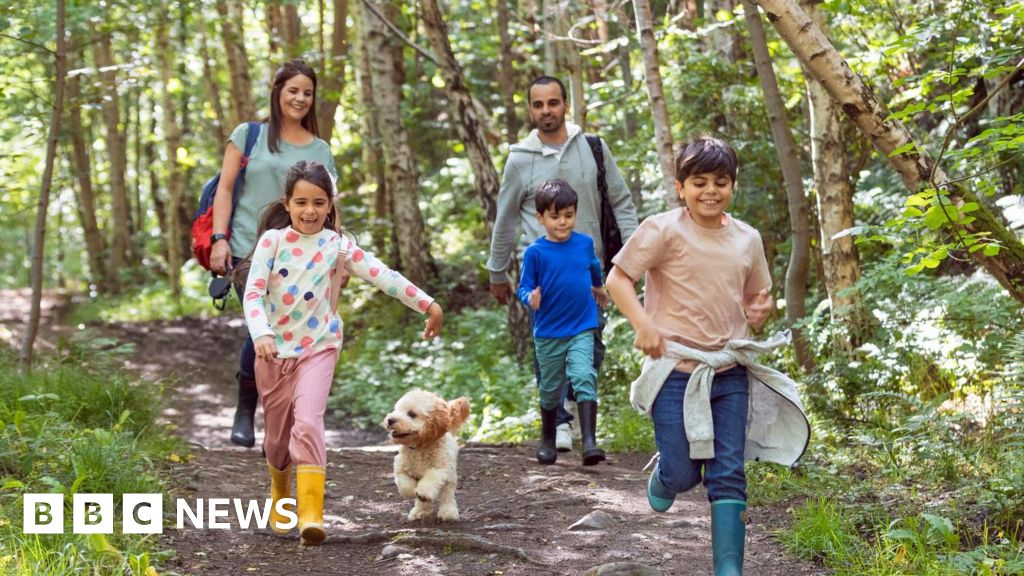
When the U.S. media began reporting on the phenomenon of “forest bathing” as a therapy for mental and physical health, the online commentariat—as it will—mocked the concept relentlessly as yet another pretentious, bourgeois repackaging of something thoroughly mundane. Didn’t we just used to call it “going outside”?
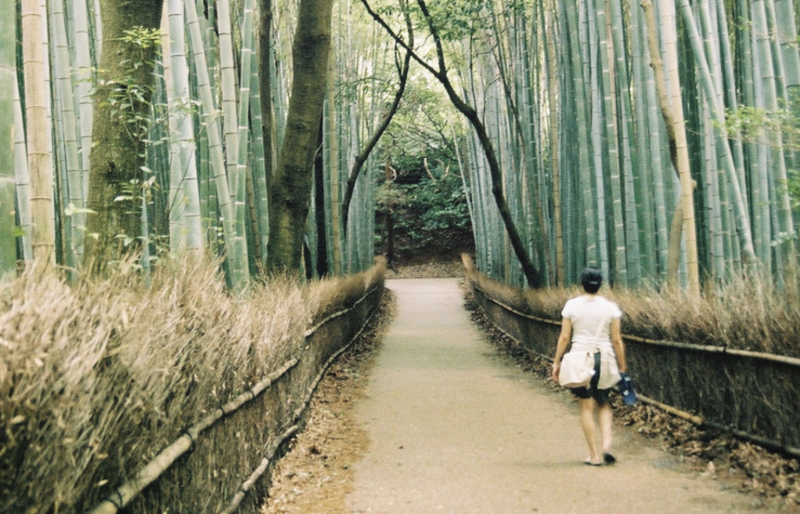
Well, yes, if all “forest bathing” means is “going outside,” then it does sound like a grandiose and unnecessary phrase. The term, however, is not an American marketing invention but a translation of the Japanese shinrin-yoku. “Coined by the Japanese Ministry of Agriculture, Forestry and Fisheries in 1982,” writes Meeri Kim at The Washington Post, “the word literally translates to ‘taking in the forest atmosphere’ or ‘forest bathing’ and refers to the process of soaking up the sights, smells and sounds of a natural setting to promote physiological and psychological health.”
So what? We already have the examples of thousands of years of Buddhist monks (and Thich Nhat Hanh), of Henry David Thoreau, and the saints of the Sierra Club. But the oldest and most useful ideas and practices can get carelessly discarded in the frantic pursuit of innovation at all costs. The pushing of hi-tech outdoor gear, wearable activity trackers, and health apps that ask us to log every movement can make going outside feel like a daunting, expensive chore or a competitive event.