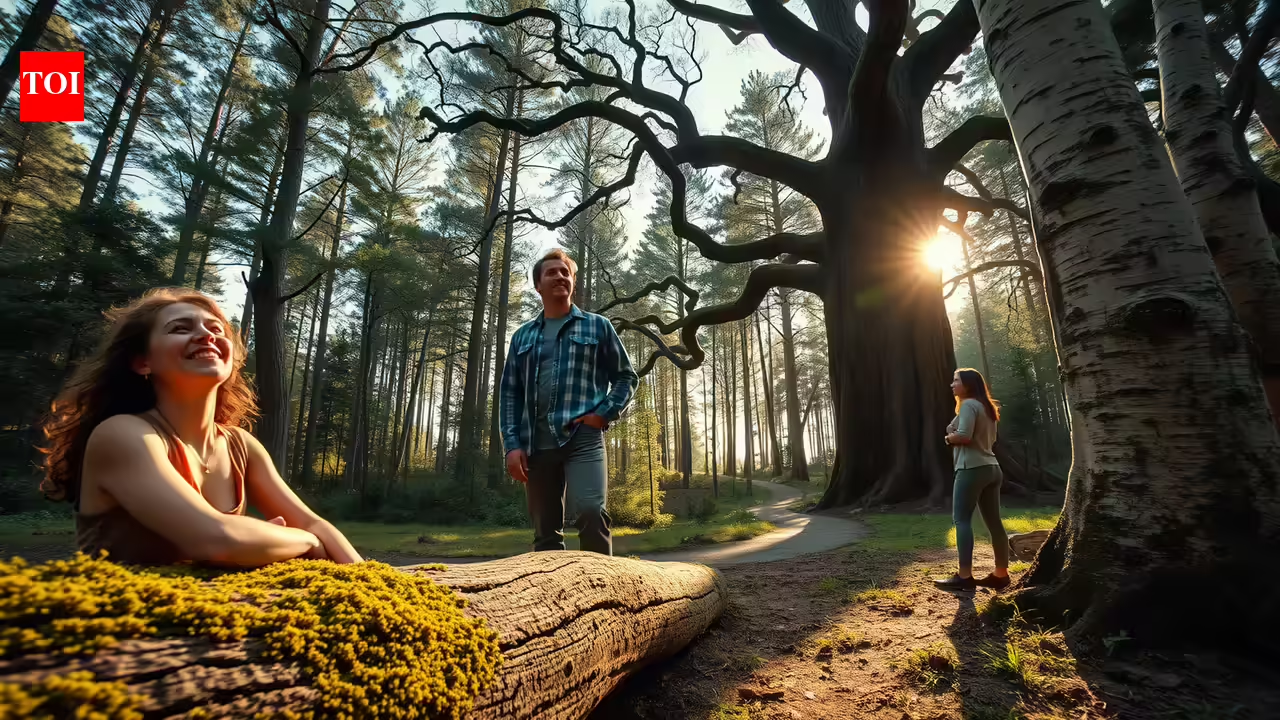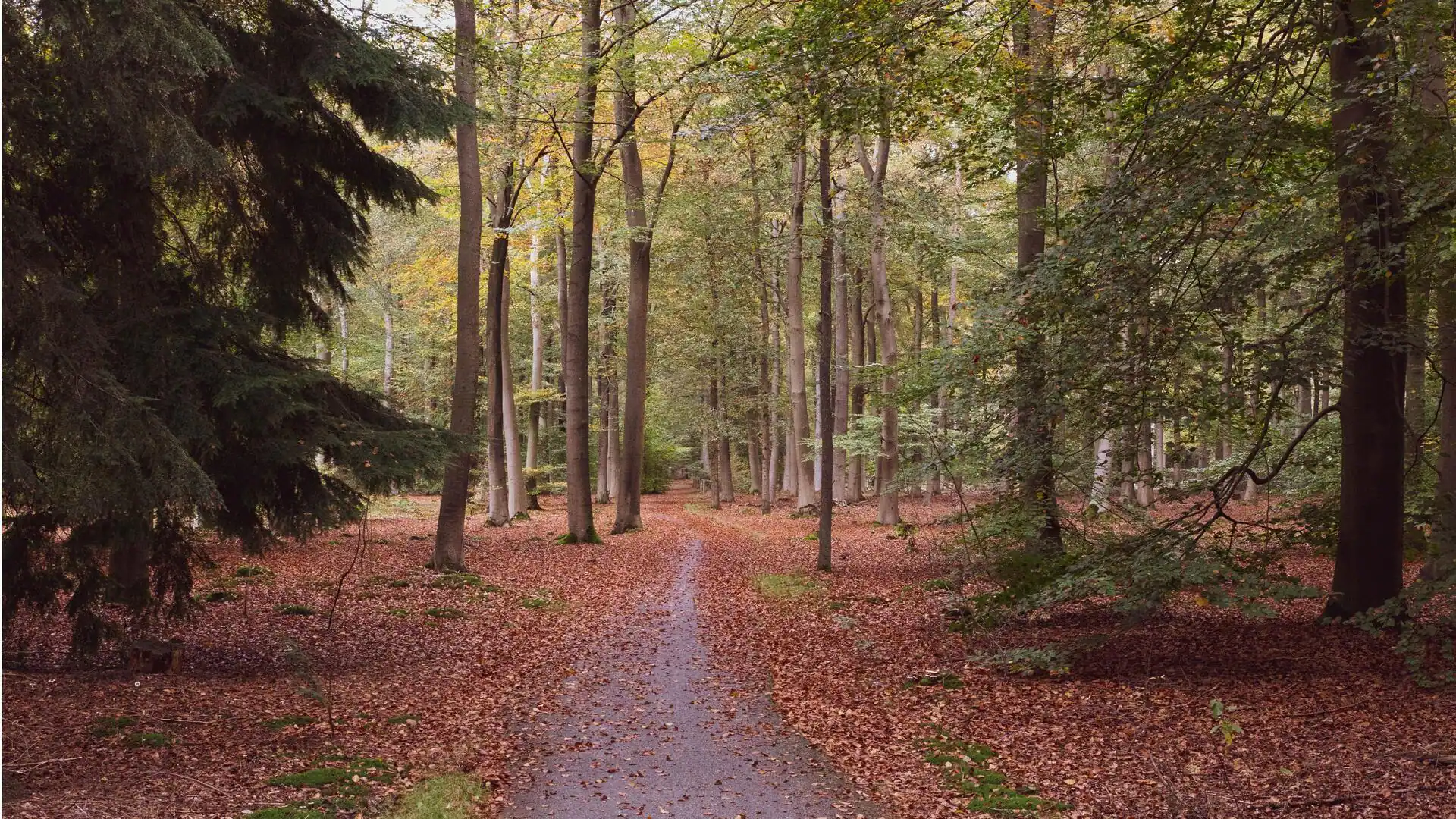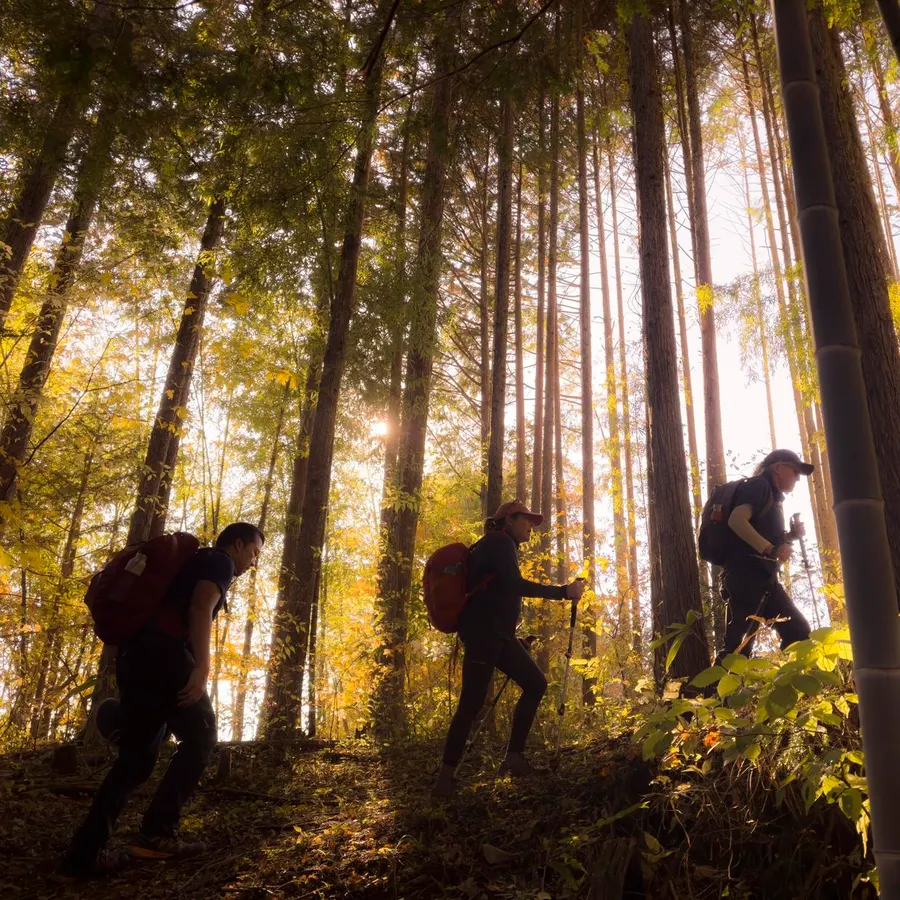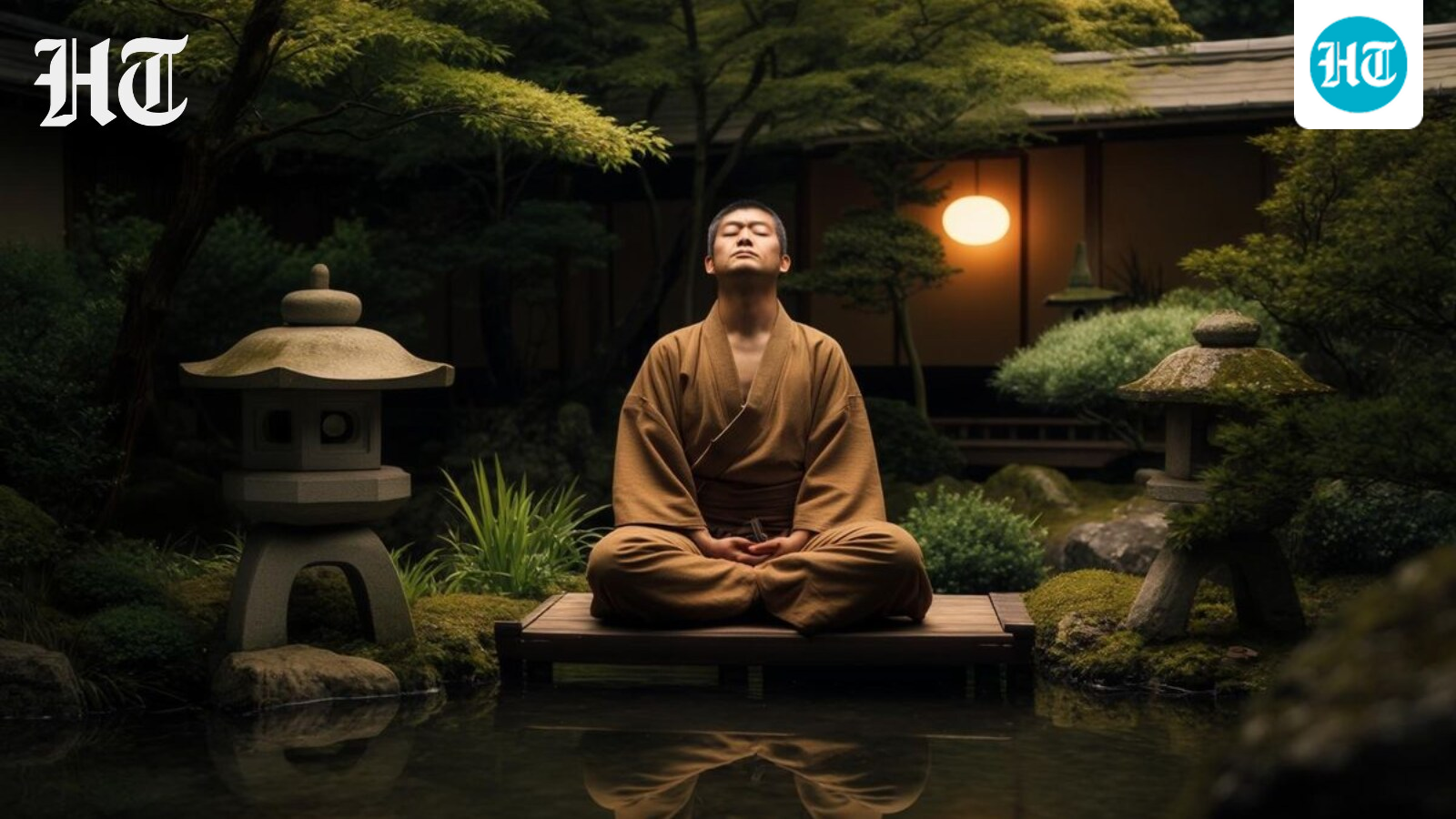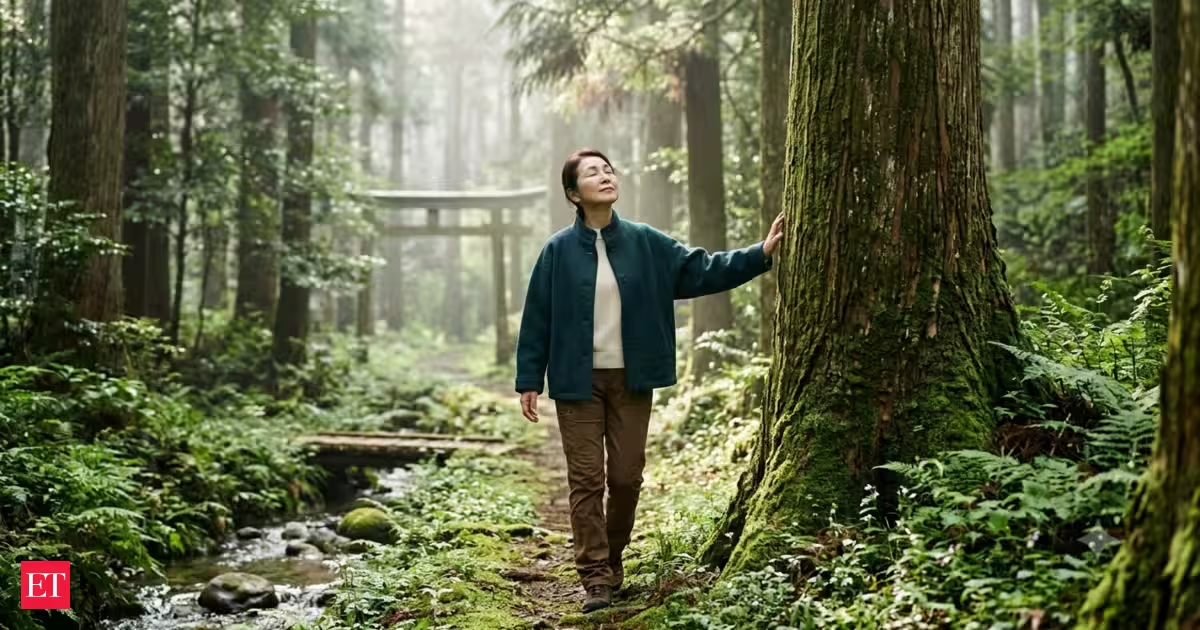
Japanese Mindset: When life feels overwhelming, our first instinct is often to scroll through our phones, binge-watch a show, or book a vacation. But Japan has a much simpler remedy, one that doesn't require expensive retreats or intense exercise. It's called Shinrin-yoku (森林浴), or "forest bathing."Japanese Mindset: Shinrin-YokuDespite its name, Shinrin-yoku doesn't involve water. Instead, it is the mindful practice of immersing yourself in the atmosphere of a forest using all five senses. There are no fitness goals, no hiking challenges, and no destination to reach. The purpose is simply to slow down, reconnect with nature, and allow the mind and body to reset, as per National Geographic and JNTO.Introduced in Japan during the 1980s as a response to increasing urban stress and burnout, Shinrin-yoku has since gained worldwide attention, with scientific studies supporting its benefits for both mental and physical well-being.You Might Also Like:What Is Shinrin-Yoku?Shinrin-yoku literally translates to "forest bathing." Rather than exercising in the woods, it means bathing your senses in the natural environment.The practice encourages people to move slowly through a forest while consciously experiencing everything around them.The sound of birds singing. The scent of pine trees. The texture of tree bark. The warmth of sunlight filtering through the leaves. The gentle movement of the wind. Instead of rushing from one place to another, Shinrin-yoku asks us to pause and simply be present.You Might Also Like:How Shinrin-Yoku BeganThe concept was officially introduced in Japan during the 1980s as part of a preventive healthcare initiative. At a time when rapid urbanization and demanding work cultures were contributing to rising levels of stress and exhaustion, health experts encouraged people to spend more mindful time in forests as a simple way to restore balance. The goal wasn't recreation or adventure. It was prevention. By reconnecting people with nature before stress became overwhelming, Shinrin-yoku offered a natural approach to supporting long-term health and emotional well-being.Over the years, the practice has spread far beyond Japan and continues to attract growing scientific interest.More Than a Walk in the WoodsYou Might Also Like:One of the biggest misconceptions about Shinrin-yoku is that it's simply another name for hiking. The two couldn't be more different. Hiking often focuses on reaching a destination, covering distance, or completing a physical challenge. Shinrin-yoku has no finish line. There is no pressure to walk quickly or burn calories. Instead, the experience becomes a form of moving meditation, encouraging you to engage every one of your senses and fully absorb the surrounding environment. The slower you move, the more you notice. And the more you notice, the more present you become.Why Shinrin-Yoku Matters TodayModern life keeps many of us indoors for most of the day. We move between offices, cars, shopping centers, and screens, often without spending meaningful time outdoors. Shinrin-yoku offers a gentle reminder that nature isn't simply a place to visit. It can also become a place to heal, reflect, and recharge. Even a quiet walk beneath trees can provide a rare opportunity to disconnect from constant notifications and reconnect with ourselves.In a culture that often celebrates being busy, Shinrin-yoku reminds us that slowing down can be just as productive.The Lasting Wisdom of Shinrin-YokuThe beauty of Shinrin-yoku lies in its simplicity. You don't need expensive equipment. You don't need athletic ability. You don't even need to travel far. All you need is a willingness to slow down and experience nature with your full attention. By listening more carefully, breathing more deeply, and appreciating the quiet rhythms of the natural world, we often discover something we've been missing all along. Sometimes, the best way to move forward isn't to work harder. It's to step into the forest, take a deep breath, and simply be present.You Might Also Like:
Japanese Mindset: 'Shinrin-Yoku'- The Japanese practice that helps you reduce stress by simply spending time in nature
Japanese Mindset: Shinrin-yoku, a Japanese practice, involves immersing oneself in forest atmospheres. This mindful approach uses all five senses to reconnect with nature. Introduced in the 1980s, it combats urban stress and burnout. Scientific studies now support its mental and physical health benefits. This simple practice encourages slowing down and being present in nature.
619 words~3 min read