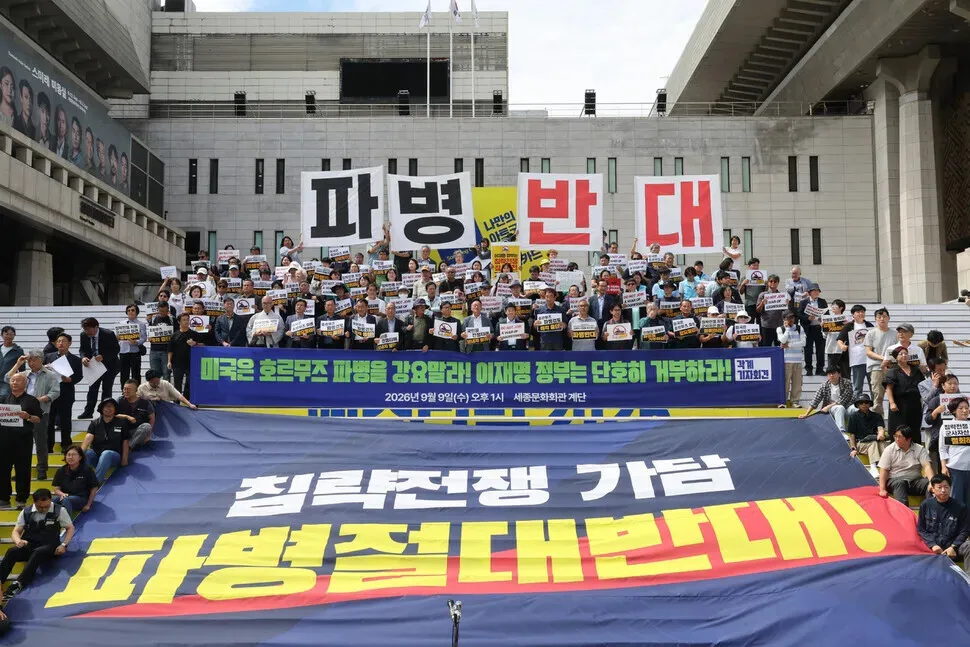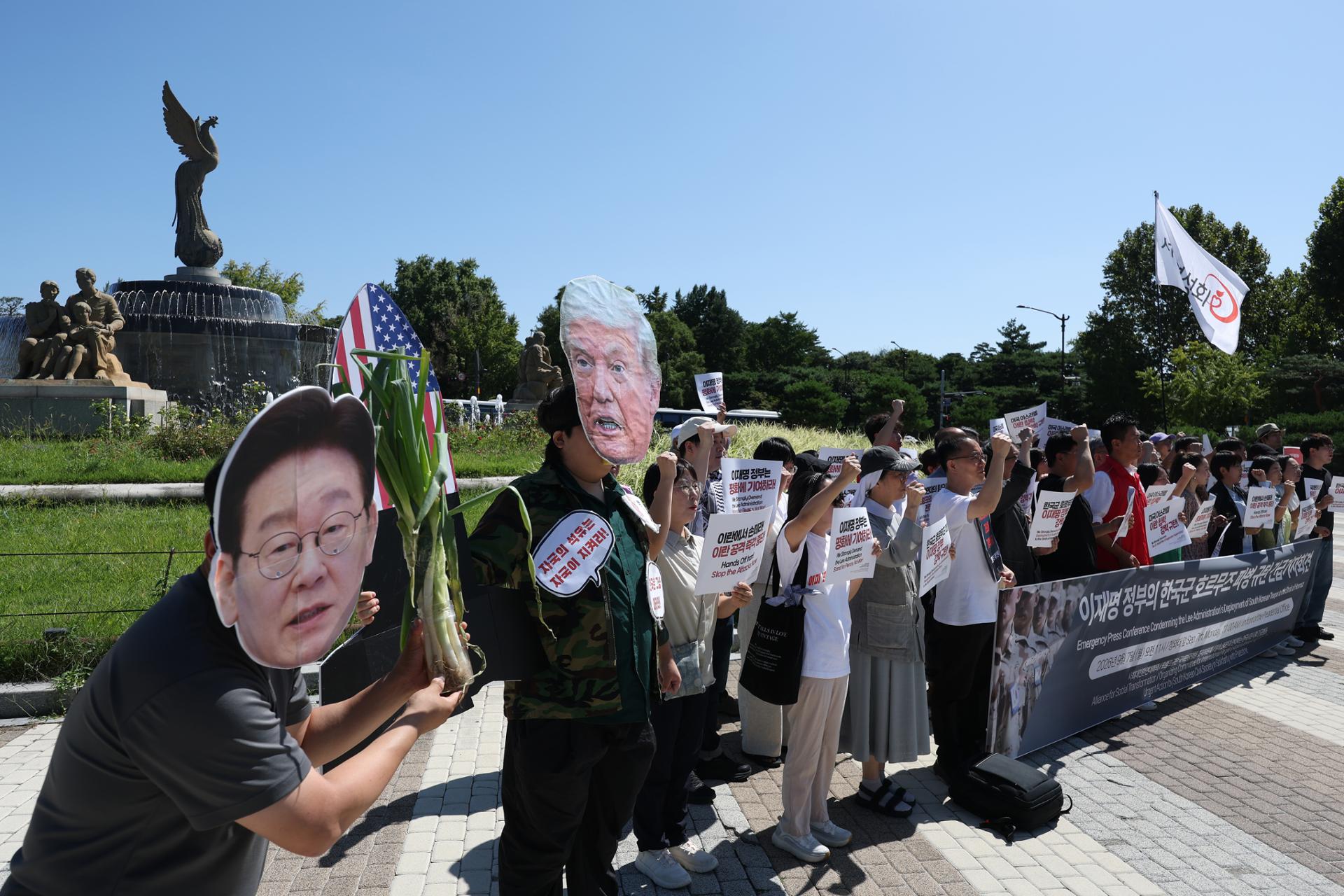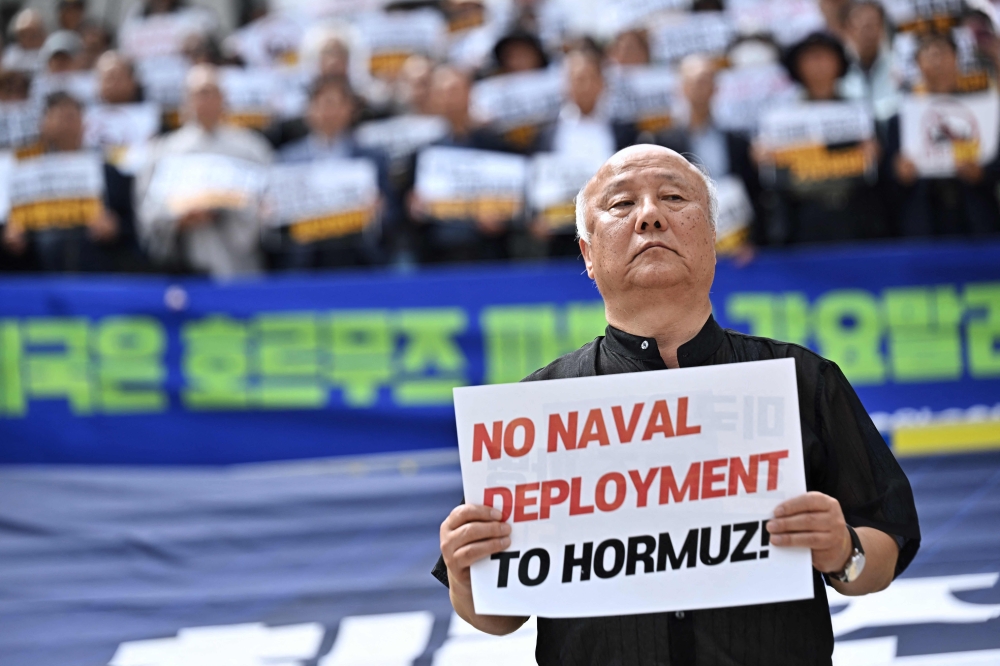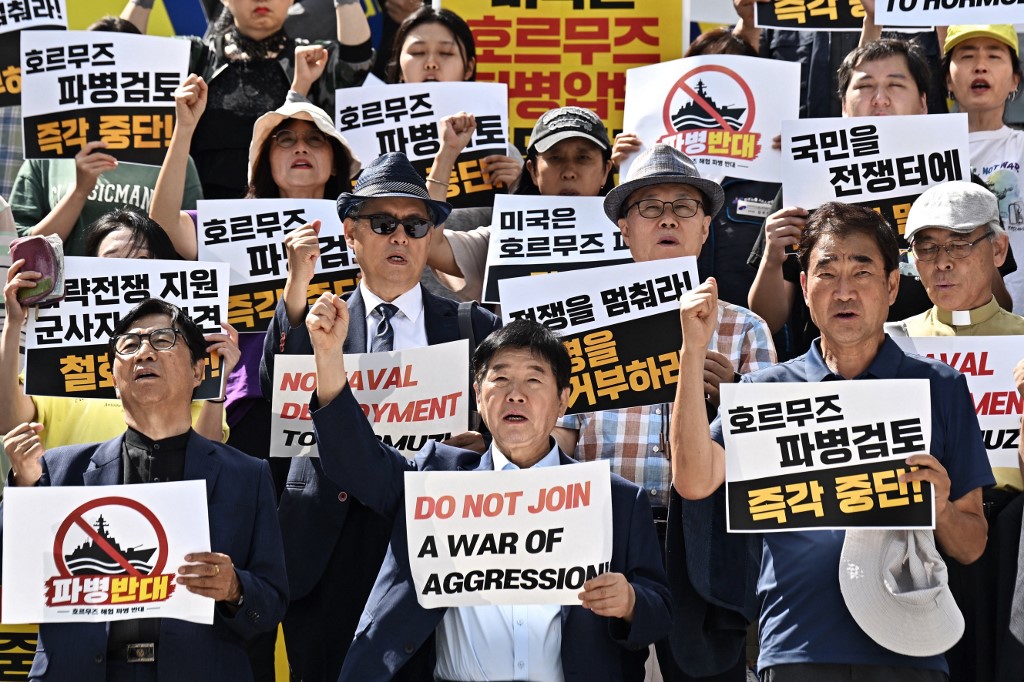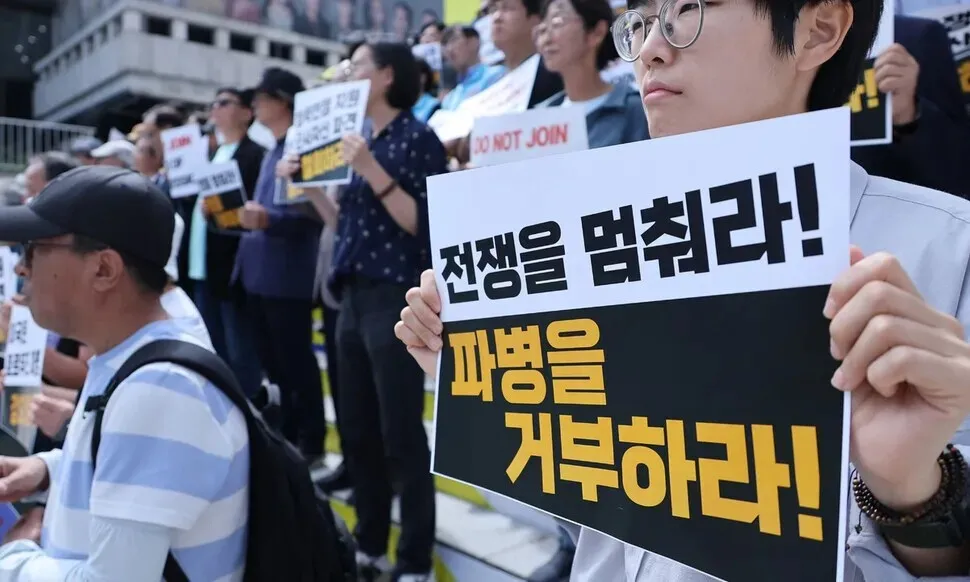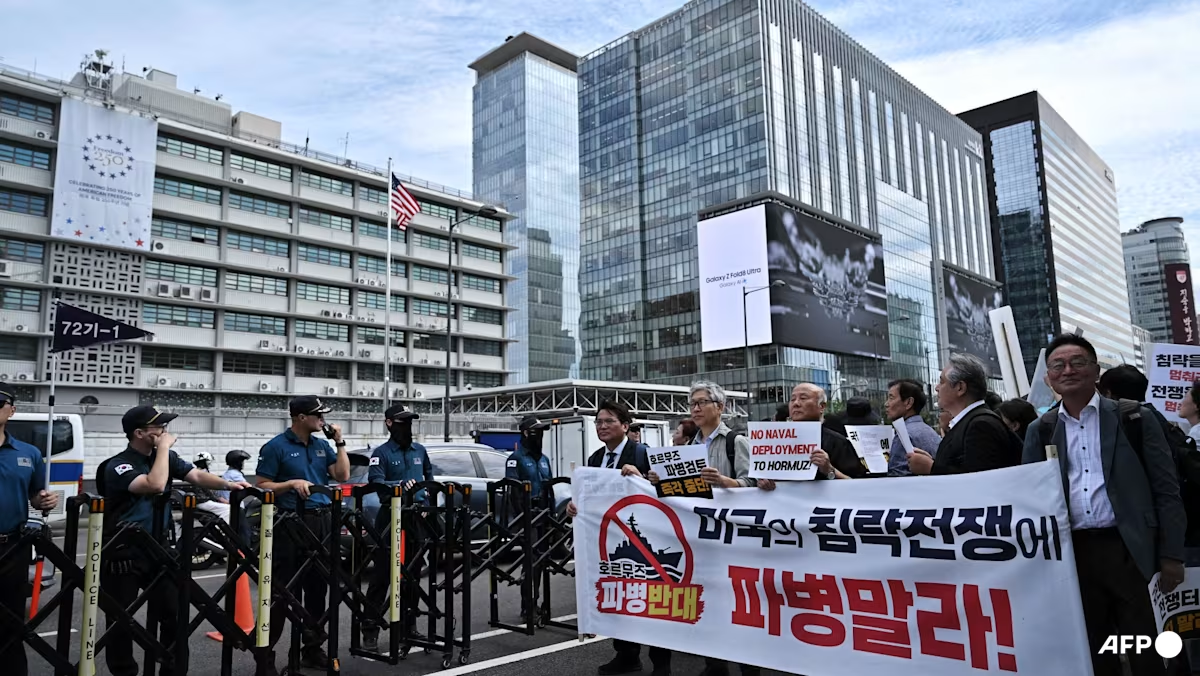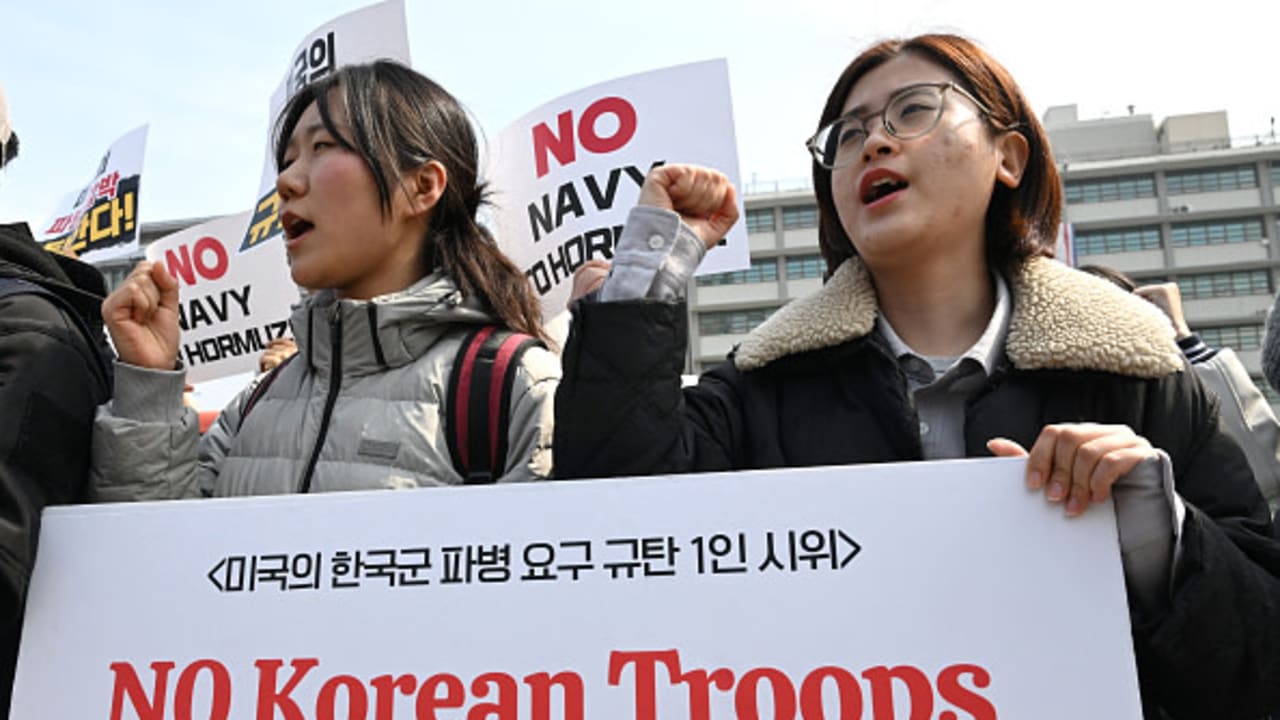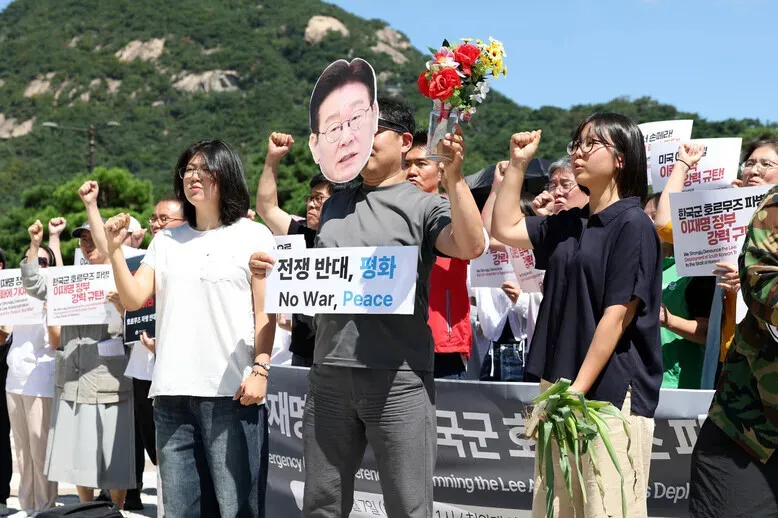
: Representatives of numerous civic groups gather in front of the Blue House fountain in Jongno District, Seoul, on Sept. 7, 2026, to oppose potential Korean deployments to the Strait of Hormuz. (Kim Young-won/Hankyoreh)
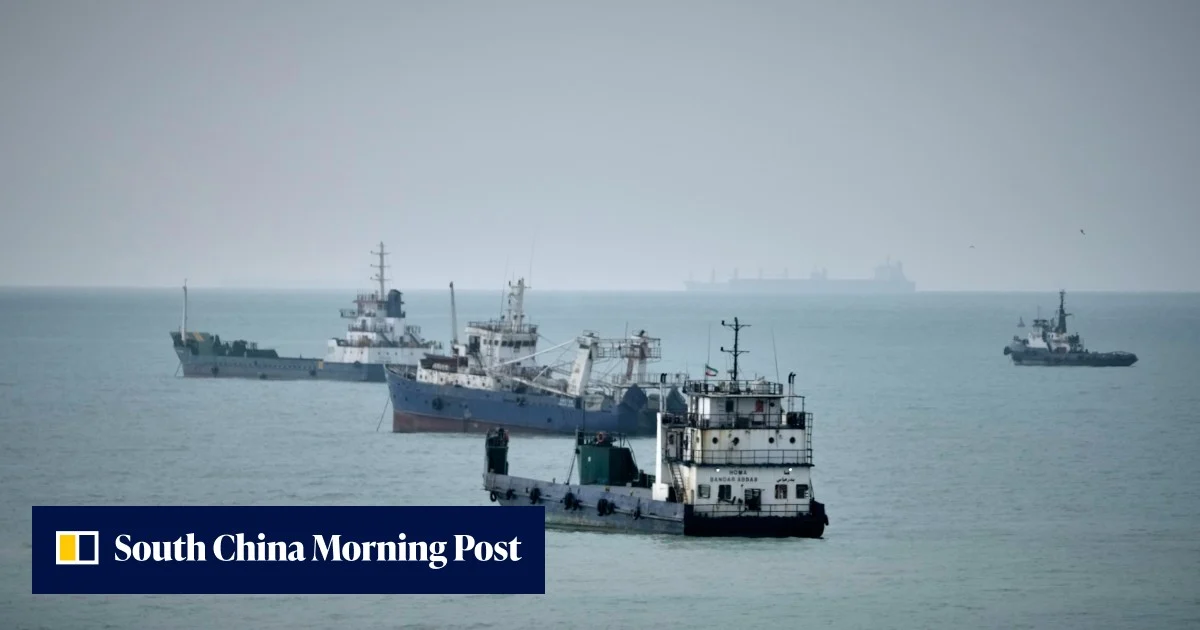
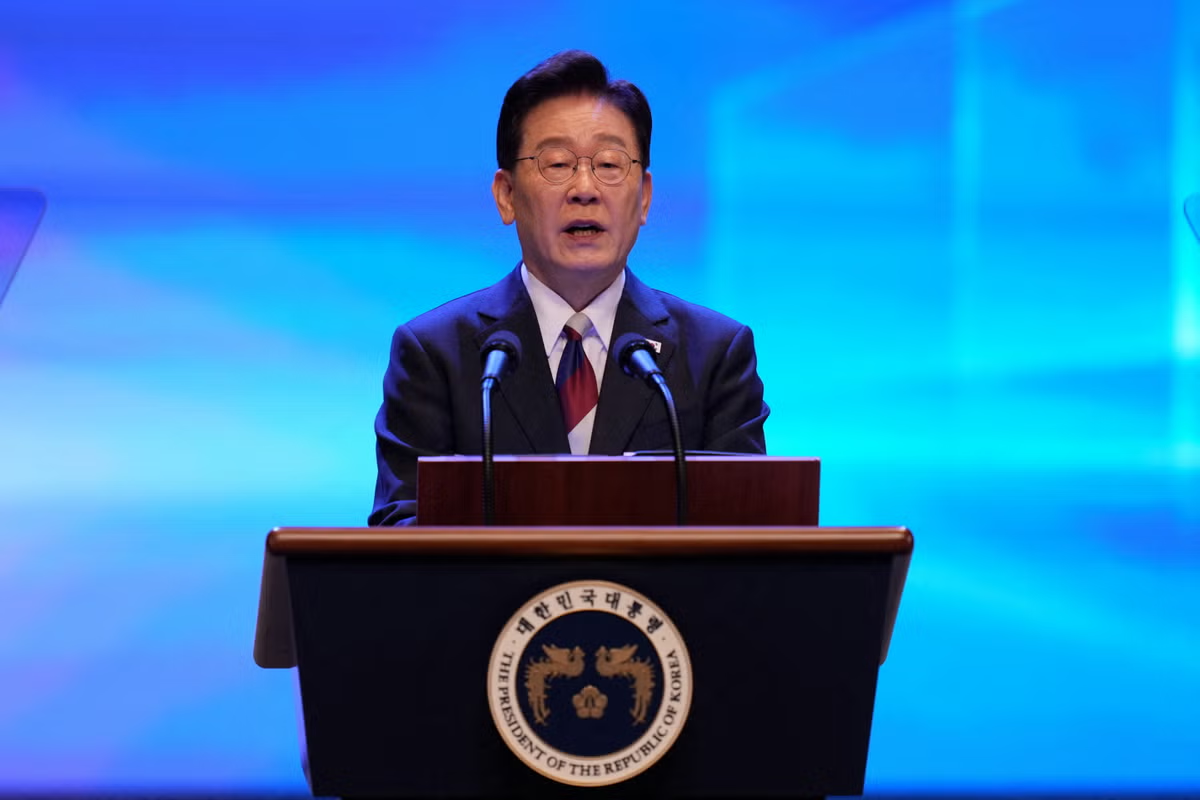
With the Korean government mulling a military deployment to the Strait of Hormuz, opposition to intervention in the US’ war against Iran is growing among Korean civic groups and politicians.While the ruling Democratic Party has yet to release its official position, some party members have suggested that a noncombat deployment may be unavoidable.The Coalition for Social Transformation was among 108 organizations that held a press conference in front of the Blue House fountain in Seoul’s Jongno District on Monday morning urging the government to stop considering a deployment.Another press conference opposing the potential deployment on Monday was held by an assortment of civic groups in Gyeonggi Province, including the region’s chapter of Korean Peace Solidarity for Sovereignty and Reunification.The Korean Confederation of Trade Unions appears to be organizing a wider campaign after holding its own press conference on Saturday, Sept. 5.Civic groups have staked out their opposition to any kind of military support, including the deployment of noncombat personnel, for the US campaign.“The moment that Korea takes part, in whatever form, in military operations led by the US, we would become part of the machinery of war,” said Hwang Jeong-eun, the general secretary of the International Strategy Center.Civic groups from Gyeonggi Province joined the chorus by saying, “Rather than unconditionally going along with the US’ military strategy, the government needs to prioritize the lives of Koreans and peace on the Korean Peninsula.”The Rebuilding Korea Party and the Progressive Party have also publicly called for an end to the discussion of a deployment.Rep. Shin Chang-sik, the leader of the Rebuilding Korea Party, said during a meeting of the party’s Supreme Council that day that the party would “clearly state its opposition at all stages” of the push for a deployment. “Deployment could draw a target on the backs of our troops, our compatriots, businesses and ships in the Middle East, as well as make the territory of the Republic of Korea, which hosts US bases, a target for retribution and terror,” the Progressive Party said. Back in March, minor progressive parties including the Rebuilding Korea Party and the Progressive Party, as well as the Basic Income Party and the Social Democratic Party, submitted a joint resolution to the National Assembly opposing all deployments and military intervention in conflict zones in the Middle East, including the Strait of Hormuz. The Democratic Party, on the other hand, has yet to release an official position on the potential for Korean deployments, saying that it was awaiting a decision by the administration. However, Rep. Park Jie-won, a veteran lawmaker for the party, said in an interview with SBS Radio that day that Korea needed to “accept the inevitability” of a deployment. “For now, considering protection of our ships and our relationship with the US, we don’t have much of a choice other than to deploy them if they’re noncombatants,” he said. By Cho Hae-yeong, staff reporter; Lee Jung-ha, Incheon correspondent; Kim Chae-woon, staff reporterPlease direct questions or comments to [english@hani.co.kr]