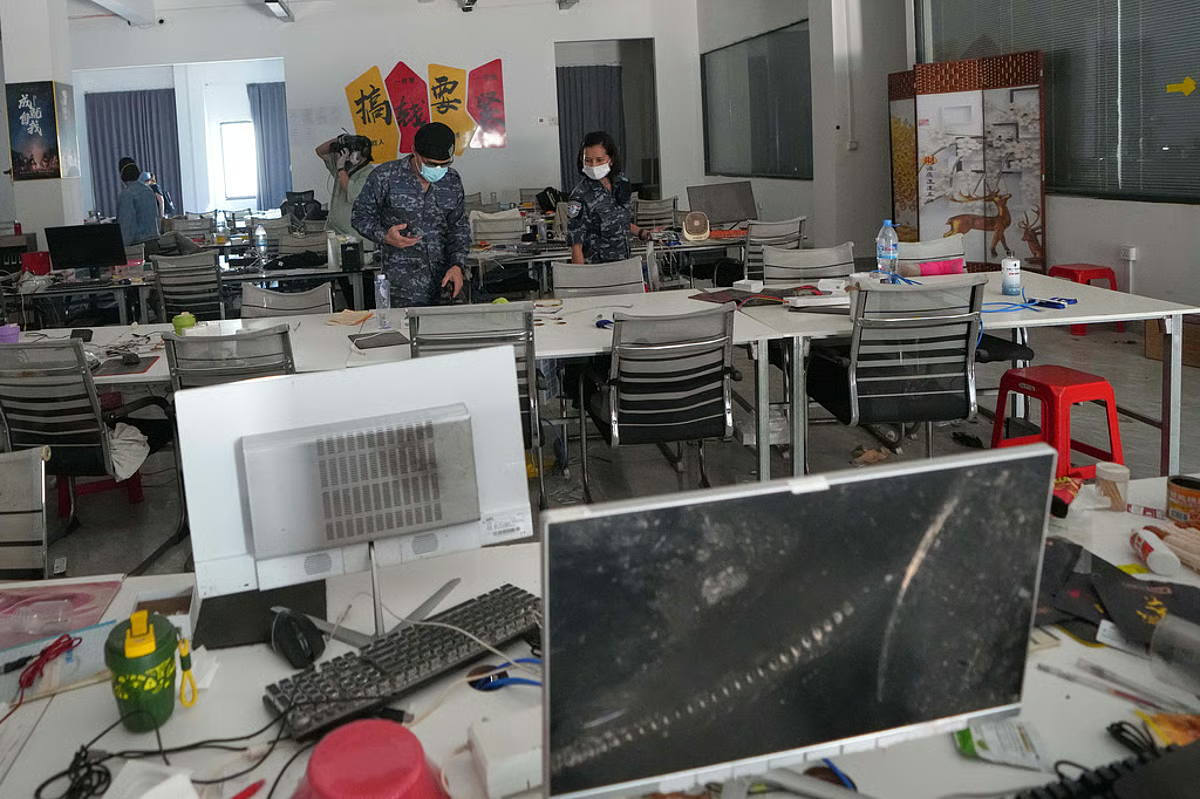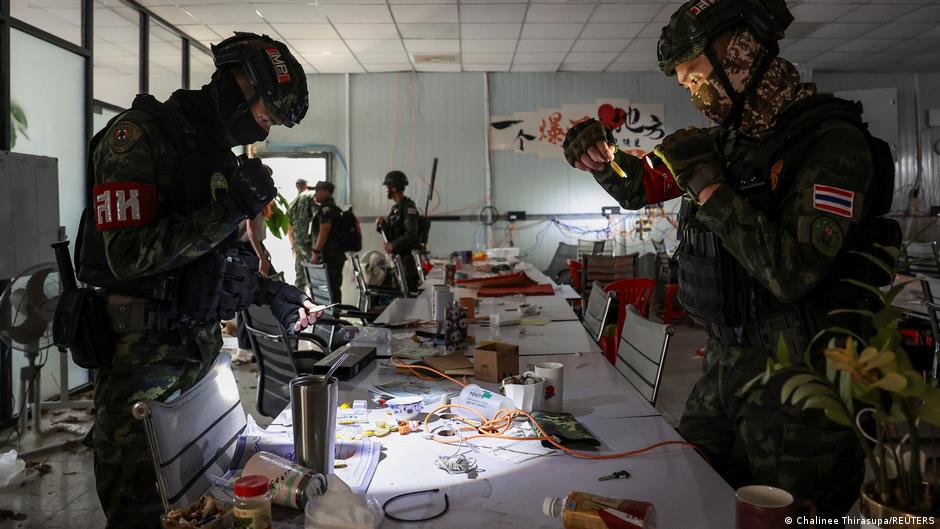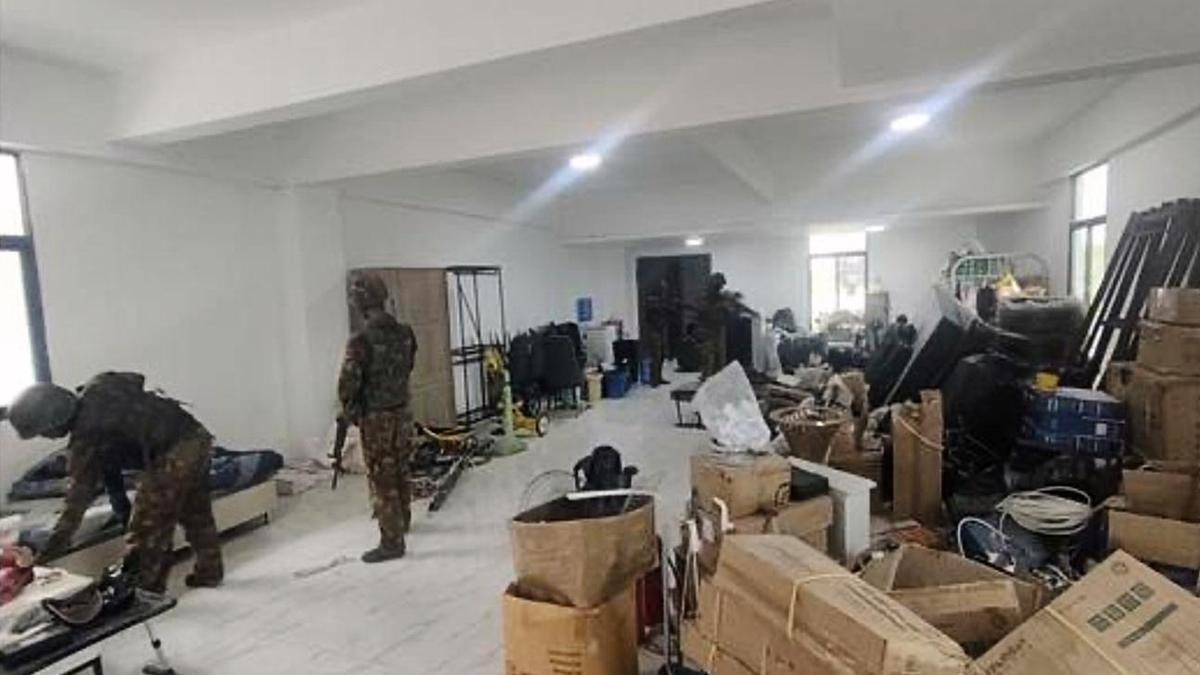
South and Southeast Asia are central to the global cyberscam crisis because they supply both workers and money channels for scam compounds. The article says India and Indonesia sit at the center of those pipelines, while U.S. and regional crackdowns have targeted foreign operators, domains and payment nodes. It argues that seizures and repatriations are necessary but insufficient unless domestic recruiters and mule networks are also addressed.
The American response to Southeast Asia's industrial-scale scam compounds has been vigorous, even theatrical at times, yet it remains incomplete. A coordinated crackdown announced in May restrained $701 million in cryptocurrency, seized 503 domains built to impersonate trading platforms and closed a Telegram channel with 6,500 followers recruiting for Cambodian compounds. In June, the Treasury added 35 targets to its Prince Group sanctions and FinCEN moved to sever the payment platform H-Pay from the American financial system. The numbers show capacity and political will. They also reveal the limits of an approach that still treats the problem as an offshore enterprise operating on Burmese or Cambodian soil.
Designations and seizures have focused on foreign operators and a few Cambodian financial nodes. That framing is convenient and partly accurate. It is also insufficient. The labor that staffs the compounds and the corridors that move the proceeds after they leave a victim's account both run through economies that export workers and fail to police domestic mule networks. India and Indonesia sit at the center of both pipelines.