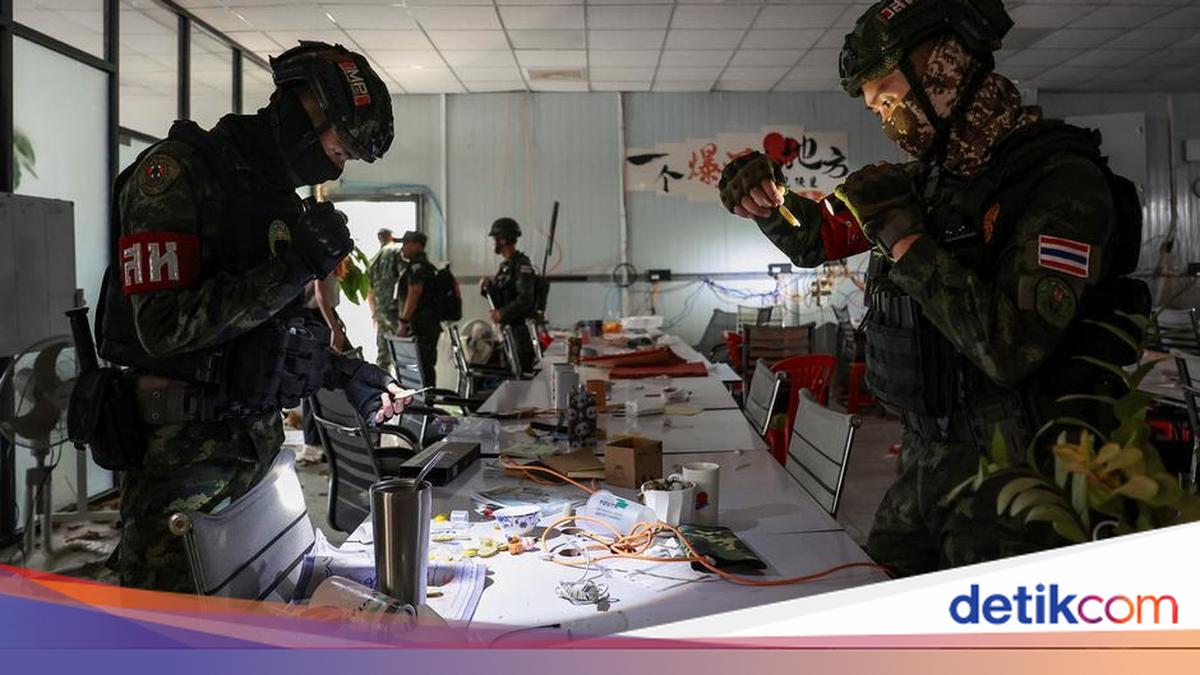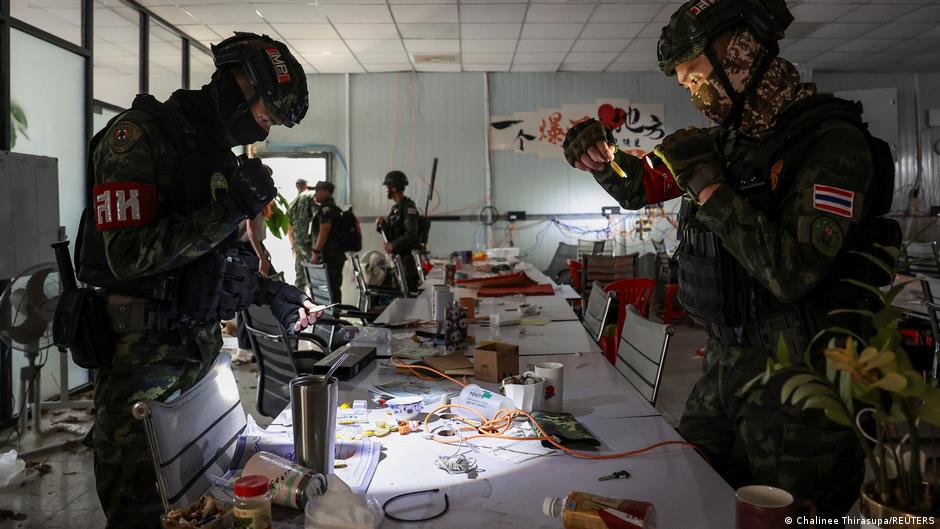
For years, governments across Southeast Asia largely approached the region's online fraudsters as a matter for the police, anti-trafficking agencies and border authorities.
But these bodies have appearently failed to stem the rise of international cyberscam cartels. The illicit industry is increasingly using international banking systems, cryptocurrencies, telecommunications networks, shell companies and trafficking routes, with some of its centers operating under the protection of armed or politically connected groups.
Now, ASEAN governments seem increasingly willing to tackle the threat as a united bloc.
Myanmar approves death penalty for cyberscam bosses
Signs of this shift were visible at the controversial meeting in Bangkok on August 6 between Thai Prime Minister Anutin Charnvirakul and President Min Aung Hlaing, the head of Myanmar's military government.