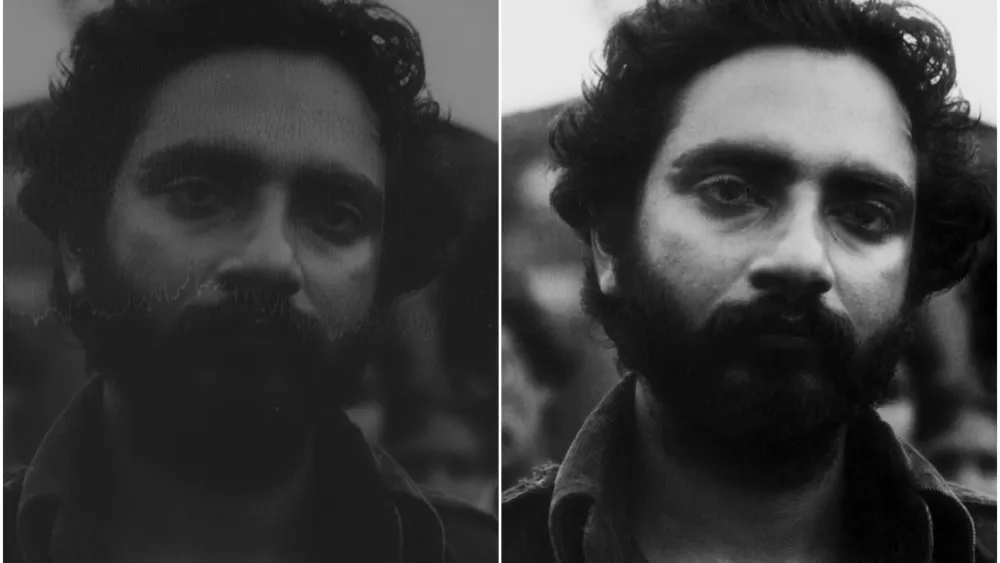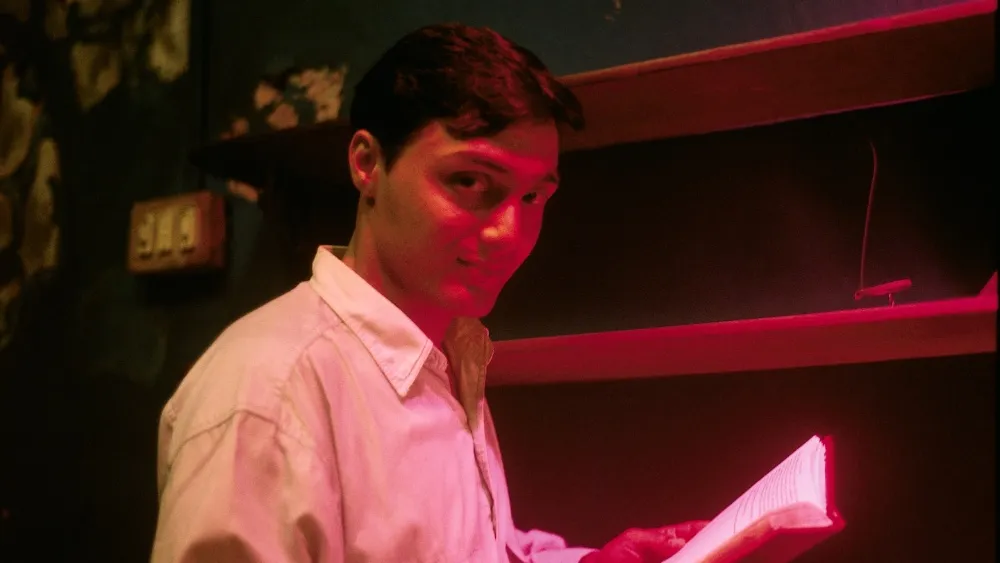
Dev Benegal‘s “English, August” almost didn’t survive to be restored. Its original camera negative had melted. The dupe was gone too. All that was left were two surviving 35mm prints – and, it turned out, a box of DAT tapes nobody expected to matter three decades later.
“It’s really sad that when I saw the original camera negative, it had melted. It was in terrible condition,” says Shivendra Singh Dungarpur, founder of the Film Heritage Foundation (FHF), the organization that took on the restoration. FHF was left to rebuild the film from whatever prints remained.
What remained were two 35mm release prints: one Benegal had personally kept and donated to FHF, the other preserved by the NFDC-National Film Archive of India, the government body that houses India’s official film archive. “There was no other material, so we had to look at both these materials, do the comparison and use these particular prints,” Dungarpur says. Both prints, he says, were in decent condition – a stroke of luck given how little else of the film had survived.
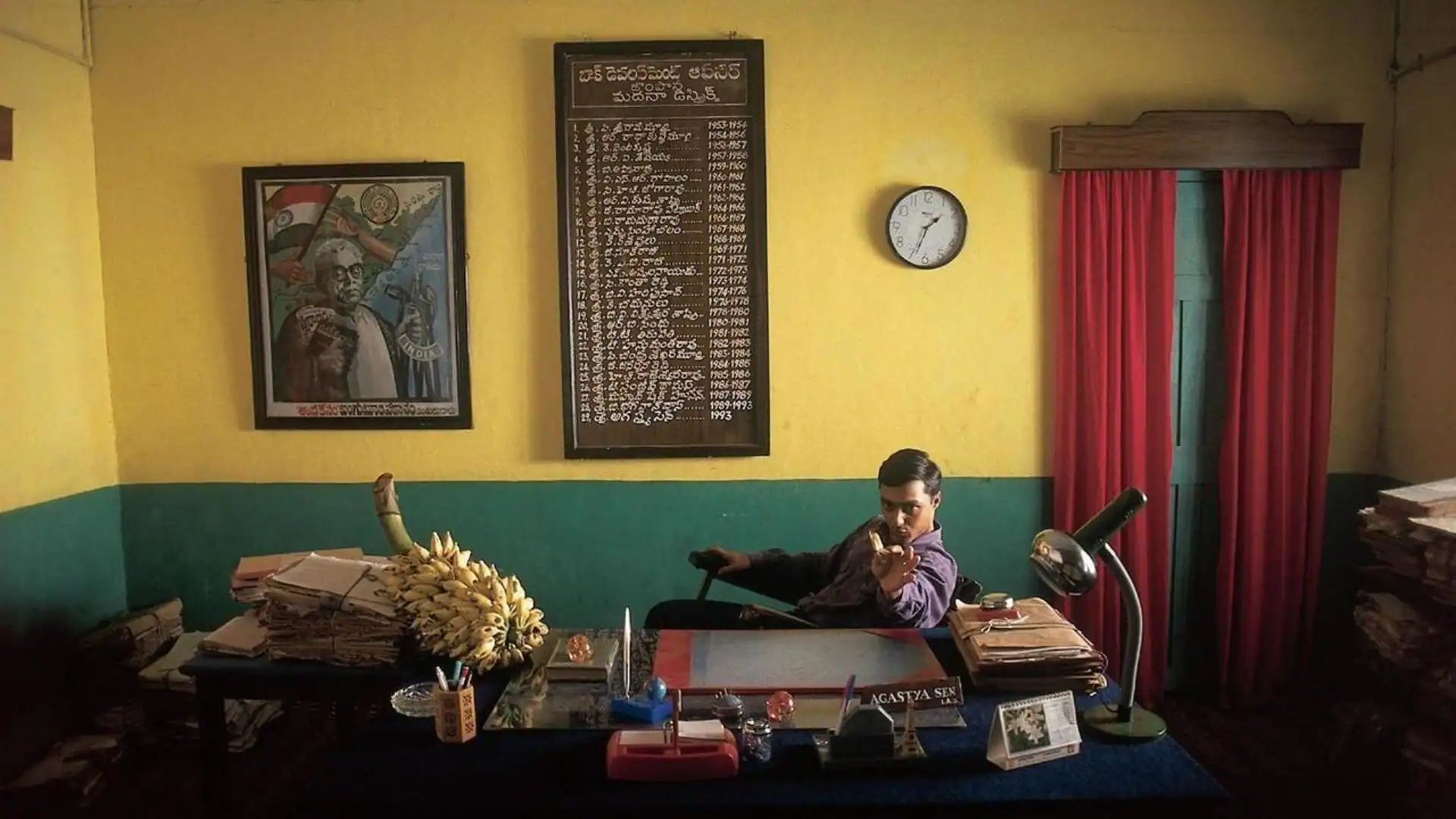
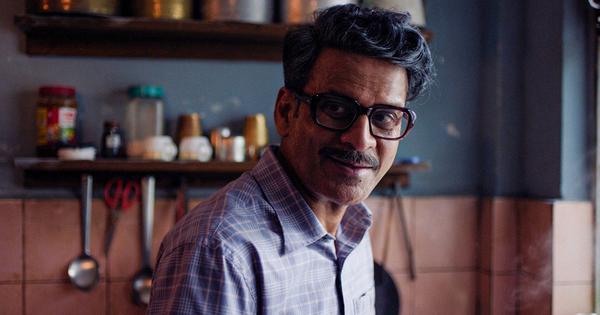
Released in 1994, “English, August” follows Agastya Sen, a young, Westernized trainee nicknamed “August,” sent to a remote provincial town for a year of civil-service training in India’s elite administrative cadre. Adrift among Bob Dylan records, Marcus Aurelius and a bureaucracy he can barely stomach, Agastya finds himself a stranger in a country that is technically his own. The film is adapted from Upamanyu Chatterjee’s 1988 novel of the same name, a book that became a defining portrait of a certain post-colonial, urban Indian generation.