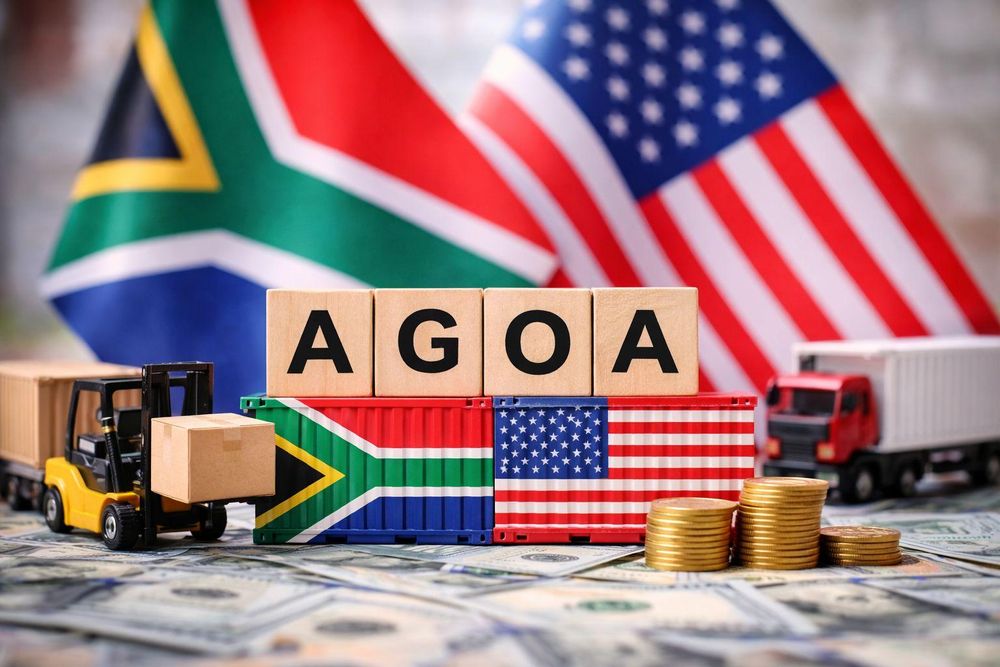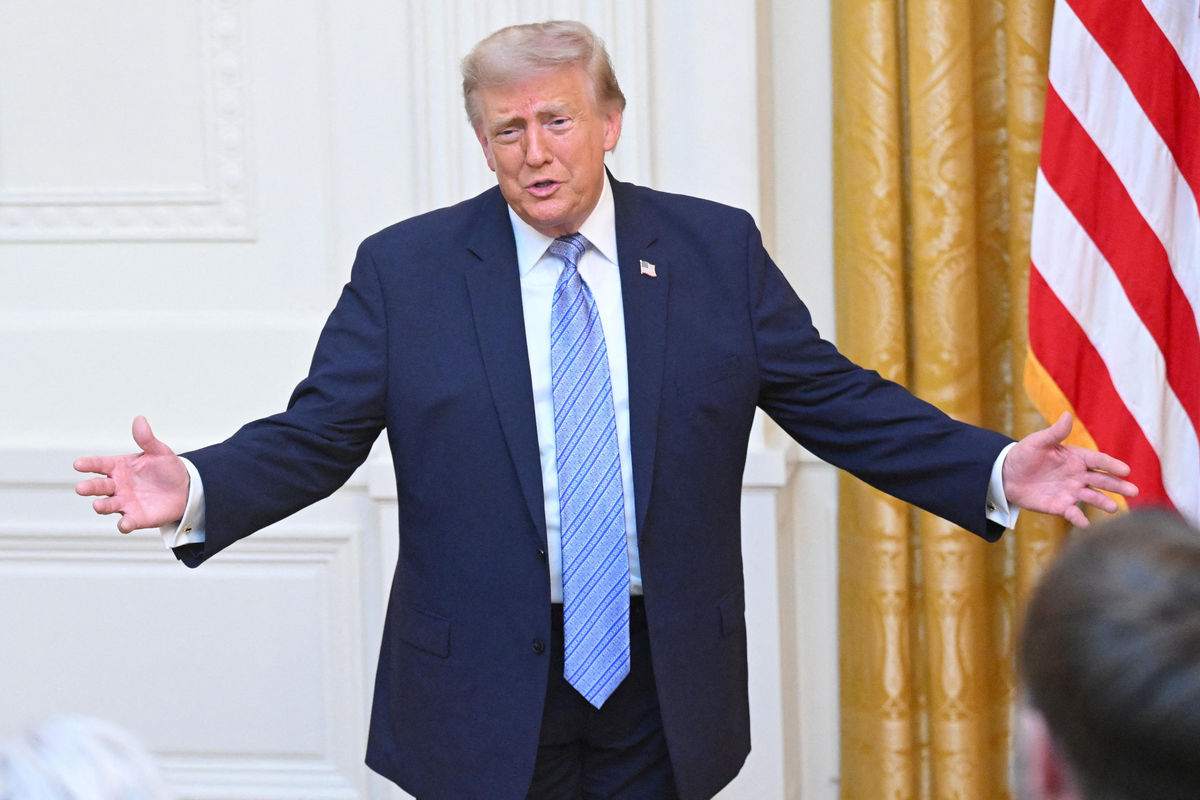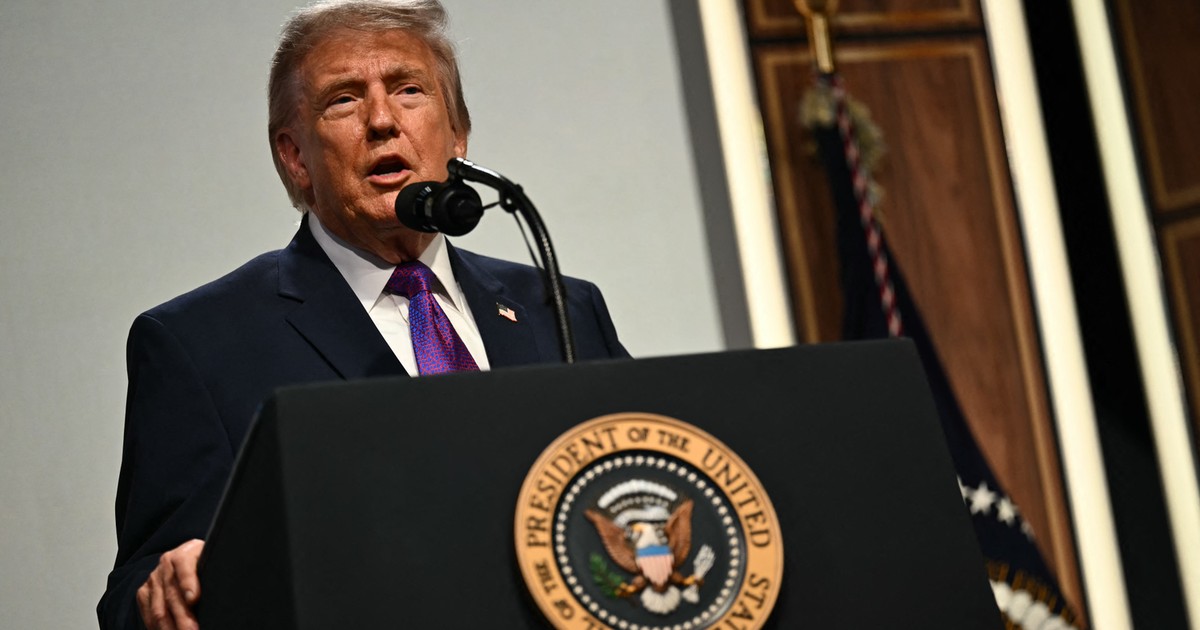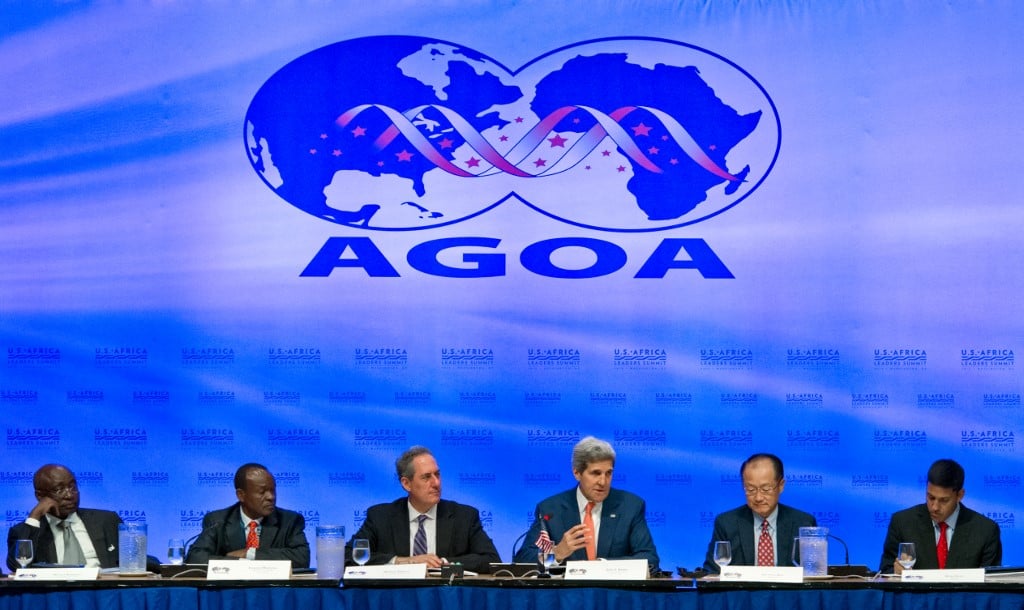
U.S President Donald Trump’s decision to extend the African Growth and Opportunity Act (AGOA) through December 2028 hands Nigeria a narrow two-year window to boost its non-oil export strategy.
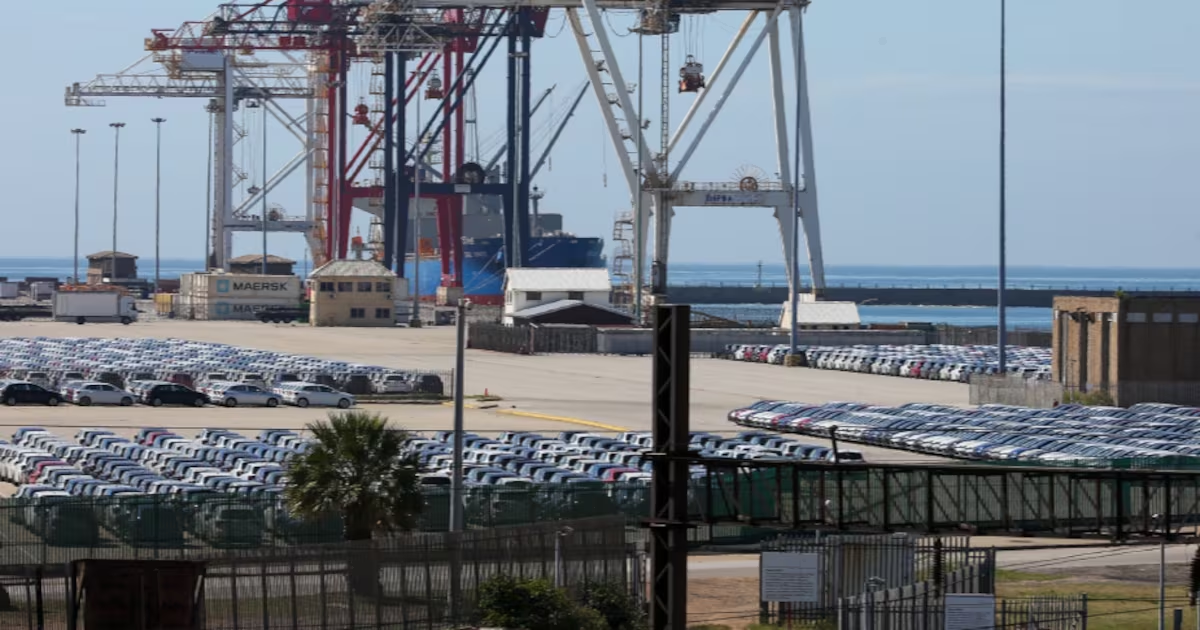
The legislation preserves duty-free access to the world’s largest economy for up to 6,700 sub-Saharan African goods, including apparel, motor vehicles, agricultural produce, and machinery. This is the third time the 26-year-old trade pact has been extended since 2015.
However, the extension brings Nigeria’s structural export flaws back into focus. While AGOA was designed to incubate non-oil industrial capacity across the continent, Nigeria essentially uses the duty-free window as a pipeline for petroleum, with little evidence of the broad-based non-oil export industries the scheme was intended to encourage.
What the data shows
Nigeria has taken more absolute dollars out of AGOA than any other of the over 30 beneficiaries in most years, but upward of 95 percent of that value has consistently been crude oil, a product that would have found its way to the US market on normal Most Favoured Nation (MFN) terms.