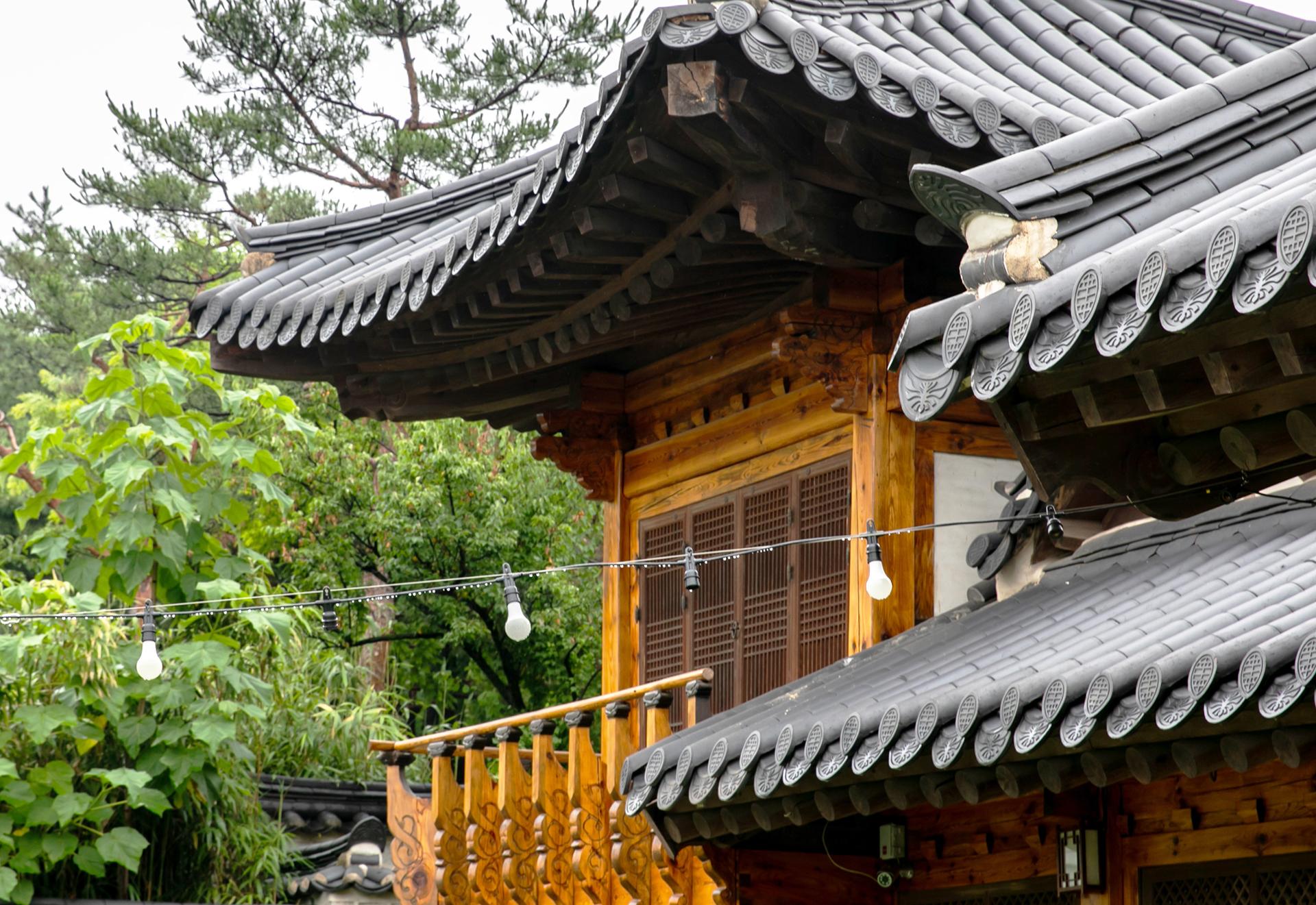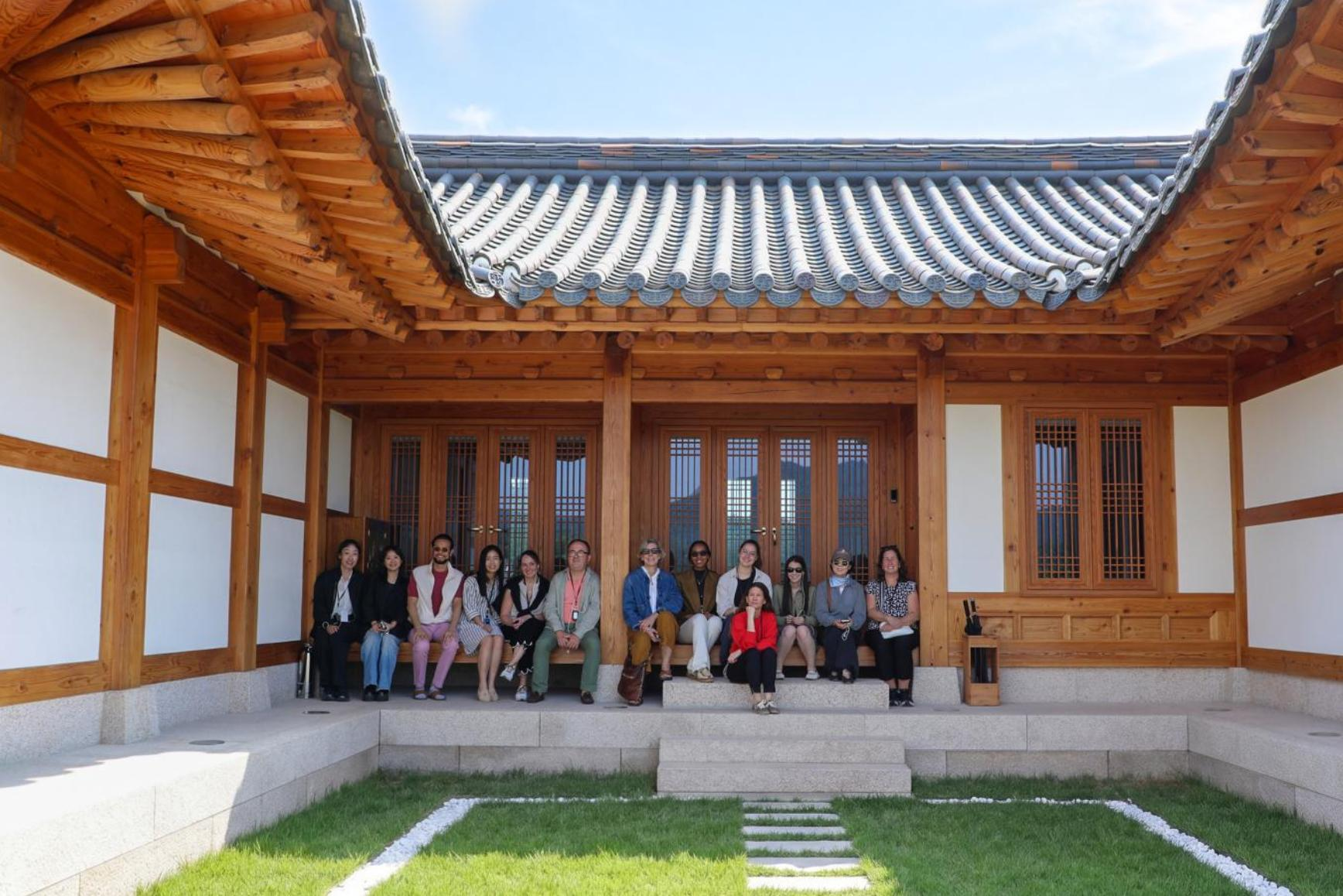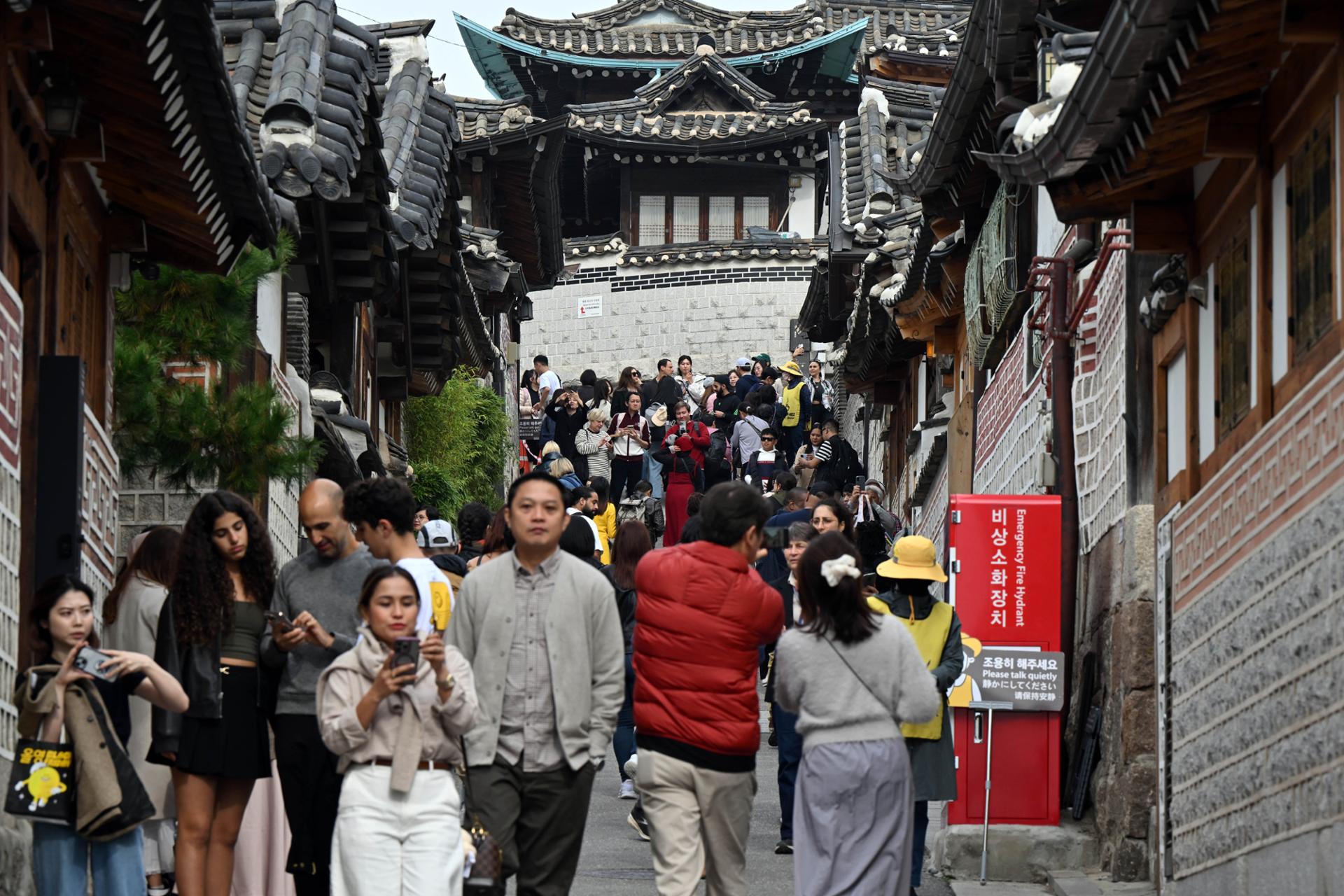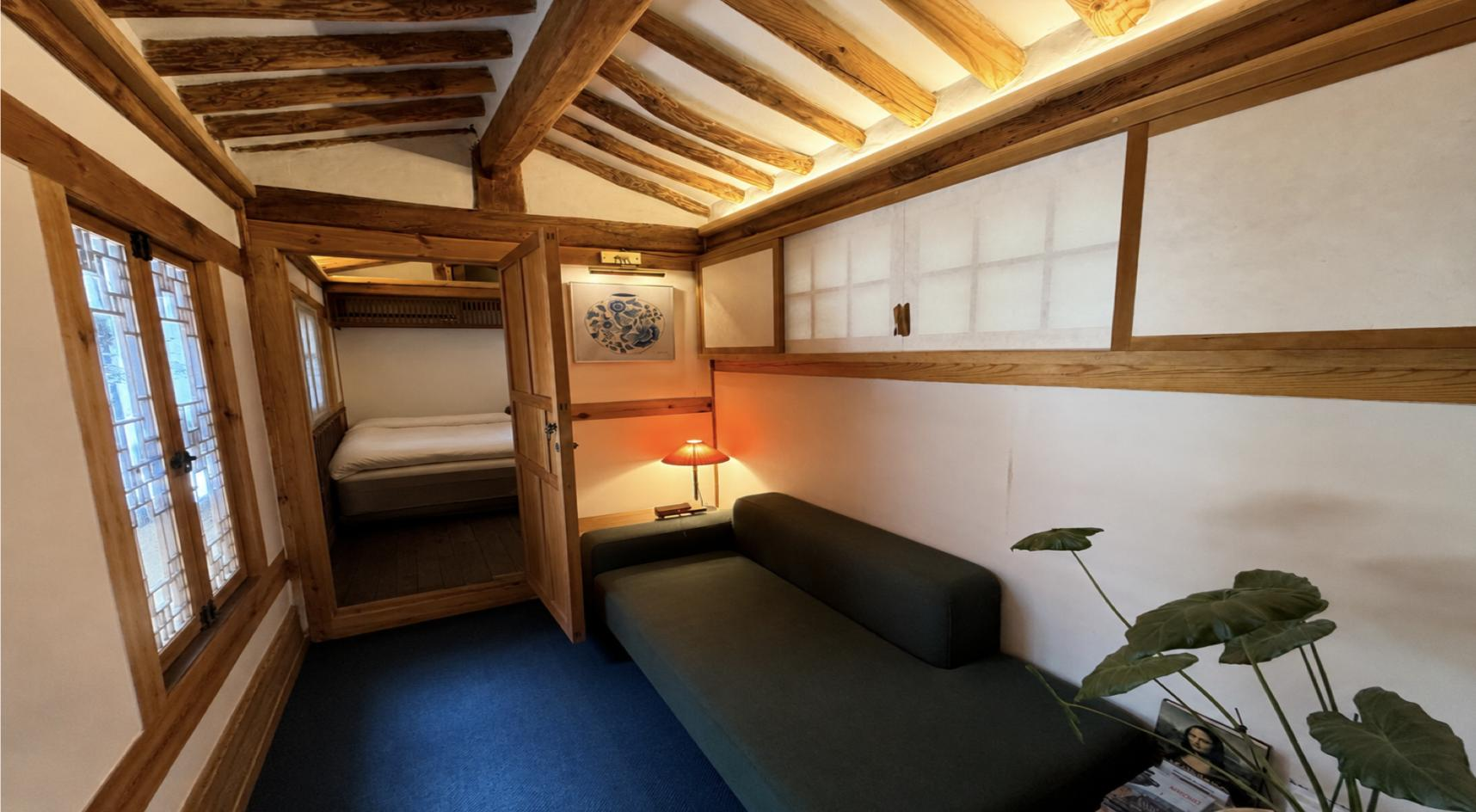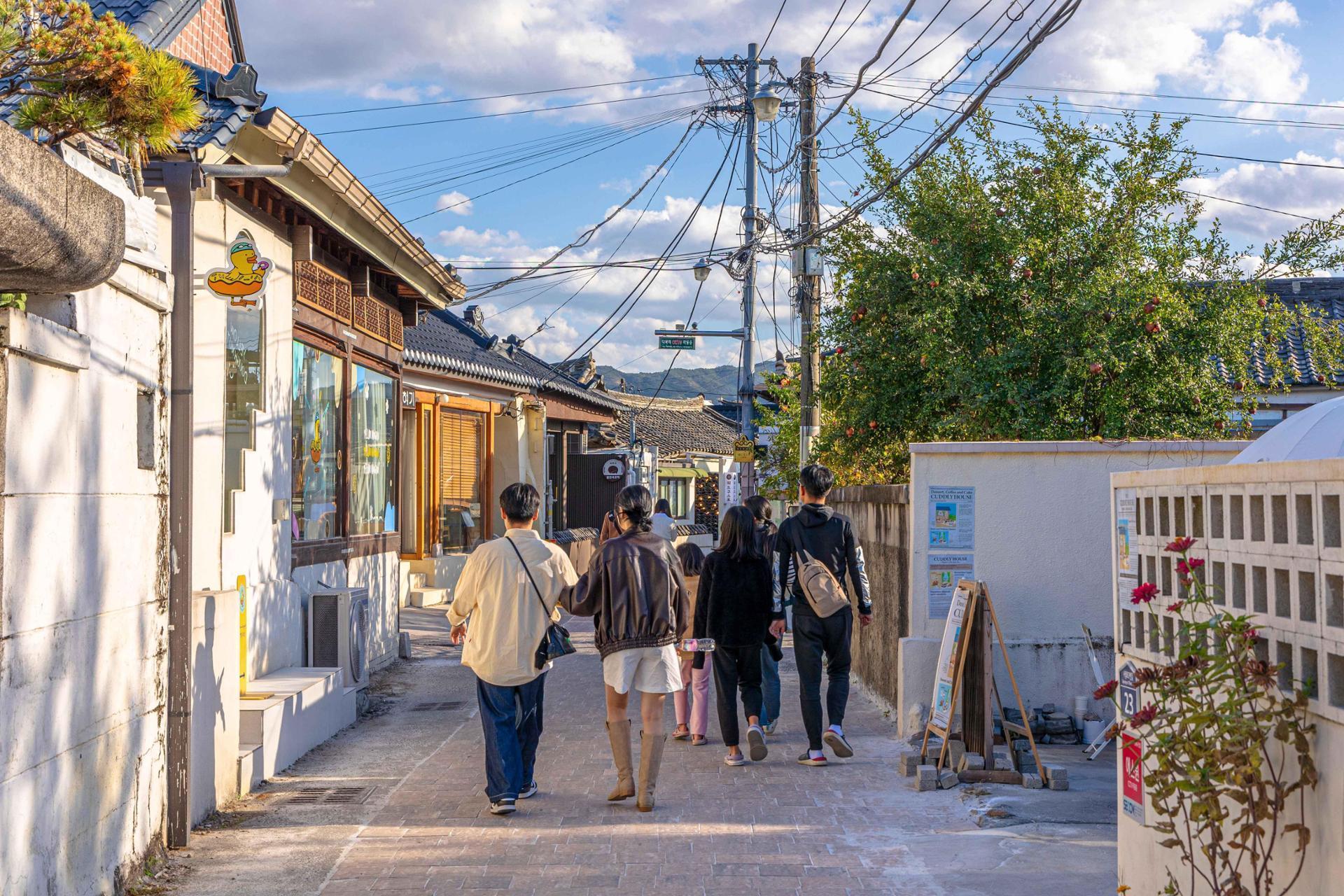
Hwangnidan-gil, a street lined with hanok, or traditional Korean homes, that became a popular shopping and cafe district, in Gyeongju, North Gyeongsang Province / Korea Times fileKorea is looking to breathe new life into its historic estates, transforming centuries-old architecture into boutique accommodations to drive regional tourism and revitalize struggling local economies.The National Heritage Service announced Tuesday a pair of ambitious initiatives to turn quiet historical sites into vibrant cultural hubs: “National Heritage Stay” and “Heritage-Based Destination Regeneration.”Under the lodging proposal, government authorities will select roughly 10 historic residences to undergo modern renovations. These noble family estates, often tied to aristocratic families of the 1392-1910 Joseon Dynasty, will be outfitted with essential amenities, such as heating, air conditioning and modern plumbing, without altering their foundational woodwork or architectural integrity.The strategy draws inspiration from Spain’s Paradores, a network of state-run luxury hotels established in 1928 that converted historic castles, monasteries and fortresses into revenue-generating destinations. Korea aims to build a cohesive national hospitality brand around its heritage stays, pairing historic lodging with curated cultural activities, regional cuisine, and guided tours of nearby traditional markets.For decades, Korea’s preservation framework focused almost exclusively on strict protection, often prohibiting commercial development near registered heritage assets. However, demographic shifts, rural depopulation and economic stagnation in provincial towns have prompted officials to reimagine these cultural assets as engines for economic renewal rather than untouchable relics.“This initiative marks a fundamental shift from merely observing heritage sites to creating destinations where visitors can stay, experience local culture, and return,” said Huh Min, head of the National Heritage Service.In addition to the boutique lodging project, the agency plans to foster 10 commercial districts modeled after Hwangridan-gil in Gyeongju, North Gyeongsang Province.Once a sleepy neighborhood constrained by strict building height limits due to surrounding ancient royal tombs, Hwangridan-gil transformed over the past decade into a thriving hub of trendy cafes, craft shops and guesthouses housed within hanok, or traditional Korean homes.To support the projects, the national government has allocated 5.1 billion won ($3.8 million) for the heritage stay initiative, splitting the costs equally with local municipalities. Municipal applications close in late October, with winning locations slated for announcement in December ahead of a planned rollout.This article was published with the assistance of generative AI and edited by The Korea Times.
Turning historic houses into boutique hotels - The Korea Times
Korea is looking to breathe new life into its historic estates, transforming centuries-old architecture into boutique accommodations to drive regio...
380 words~2 min read