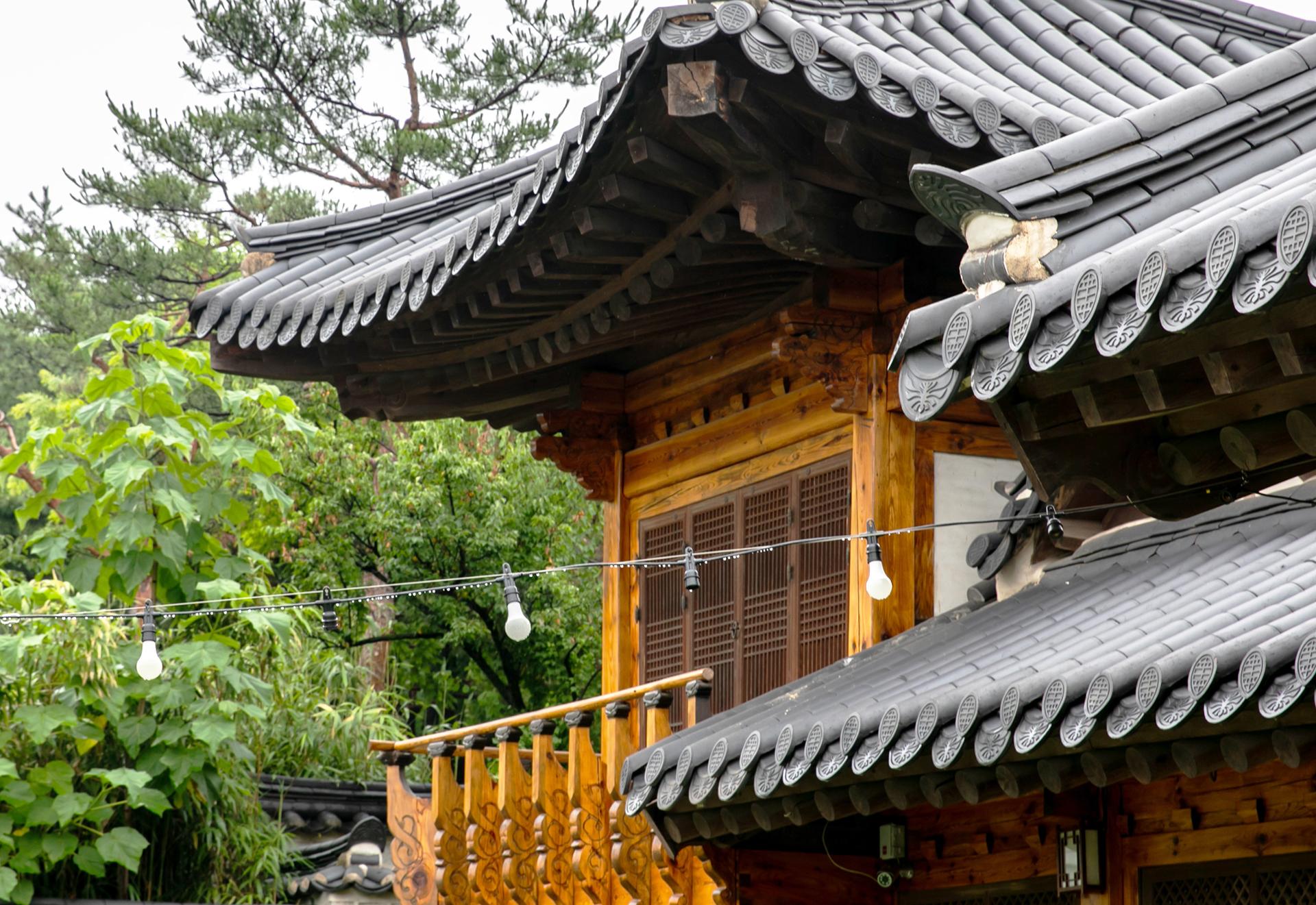
Rain falls on the roof of Dalgang Cafe at Namsangol Hanok Village in Seoul, Aug. 9, 2024. Courtesy of the Seoul Tourism Organization
In Jongno District, the historical heart of Korea’s capital, centuries-old heritage lives alongside the messy realities of modern urban living.
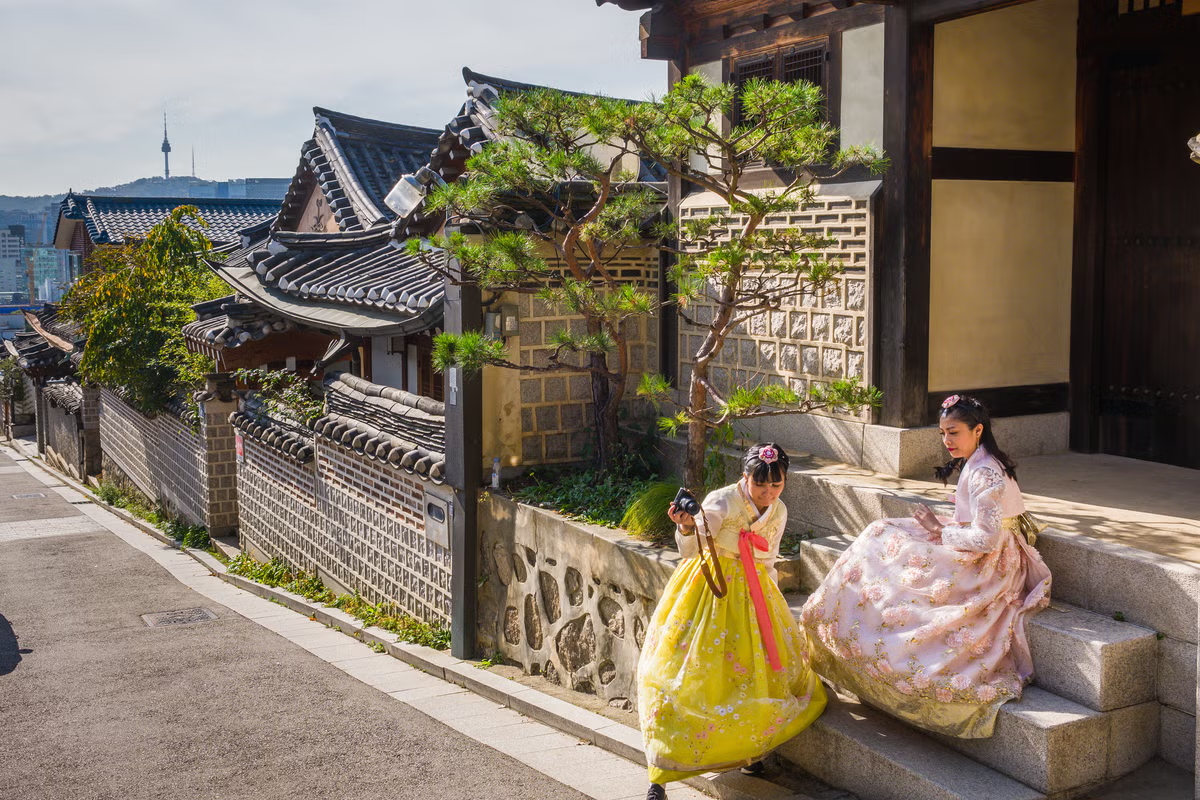
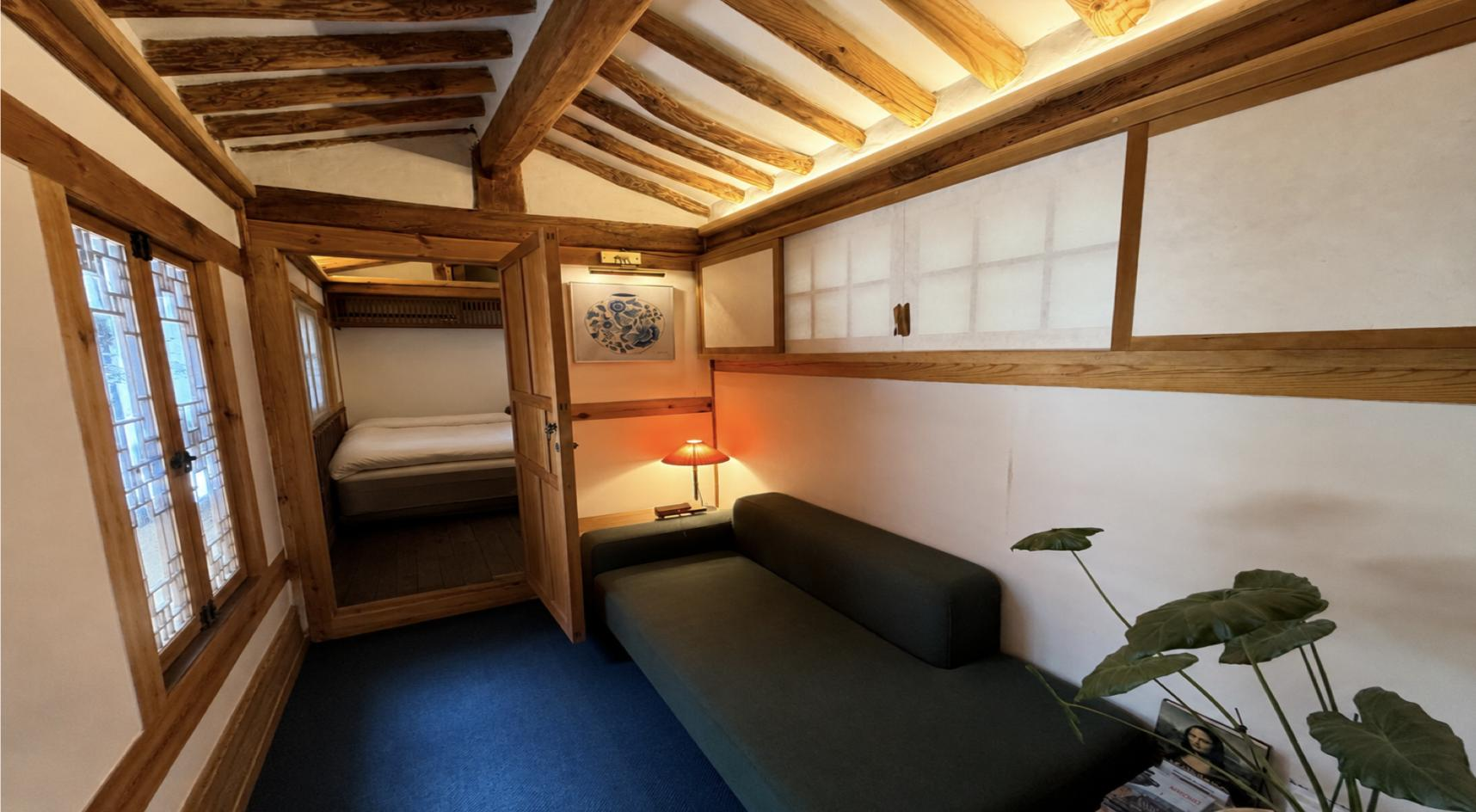
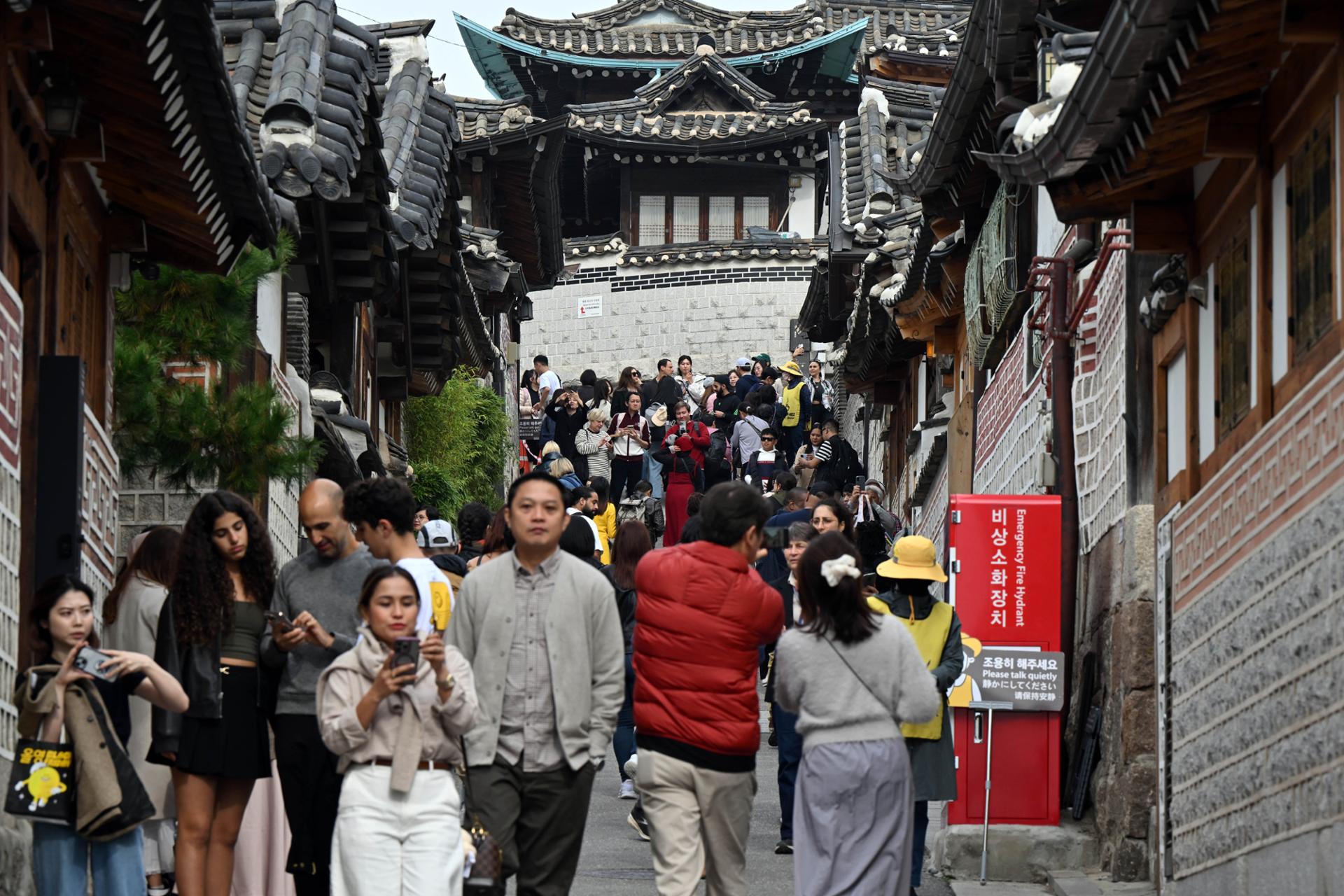
High-rise office towers share narrow alleyways with sprawling neighborhoods of hanok — traditional Korean houses. Reconciling urban regulation with the preservation of these architectural treasures has long presented a challenge for municipal authorities.
Jongno District took a decisive step recently to balance safety with historical preservation. District Mayor Yoo Chan-jong announced a landmark partnership with the Jongno Association of Architects to streamline the legalization of structures that violate building codes while actively protecting and expanding the district’s cherished hanok footprint.
The initiative centers on the creation of a specialized "Unsanctioned Building Support Center" at the Jongno District Office. Operating ahead of a national special law set to take effect on Dec. 17, the center will pair professional architects directly with property owners. The goal is two-fold: helping residents safely bring unpermitted structural modifications into legal compliance without exorbitant costs, and ensuring that historical hanok residences are meticulously preserved rather than abandoned or illegally altered.