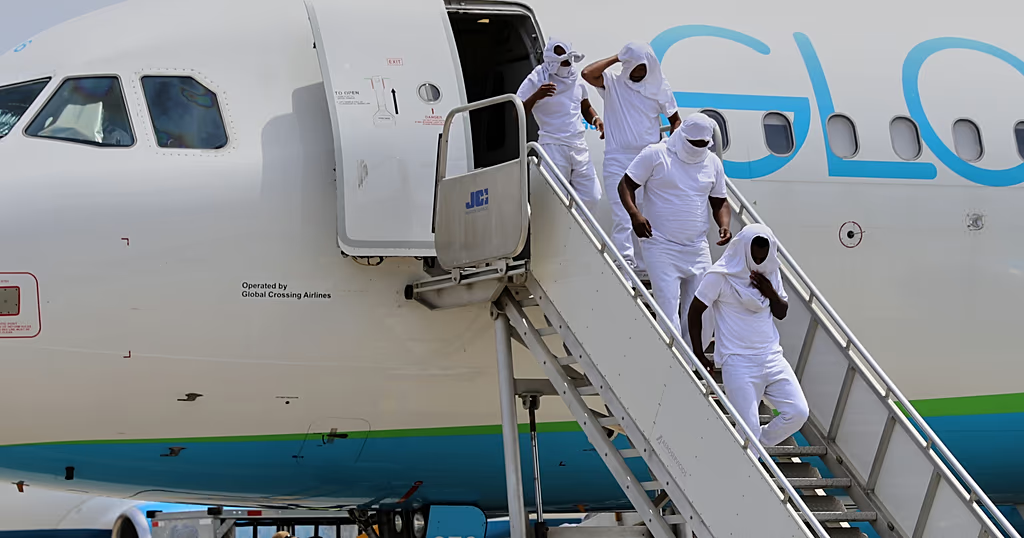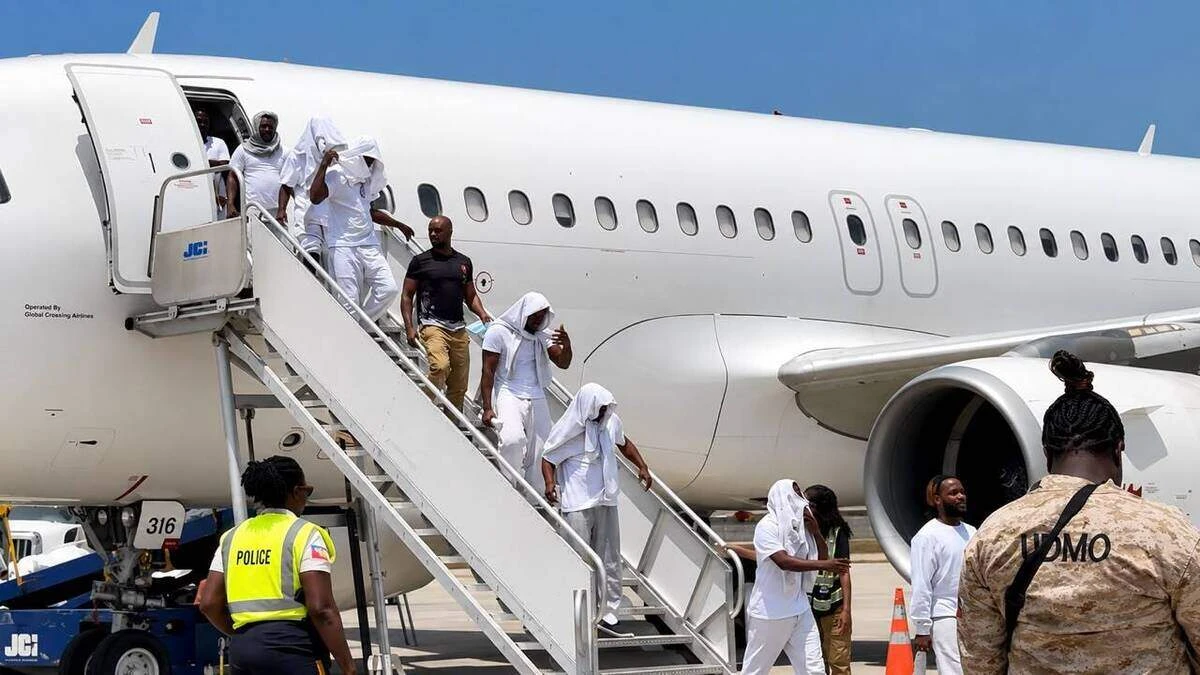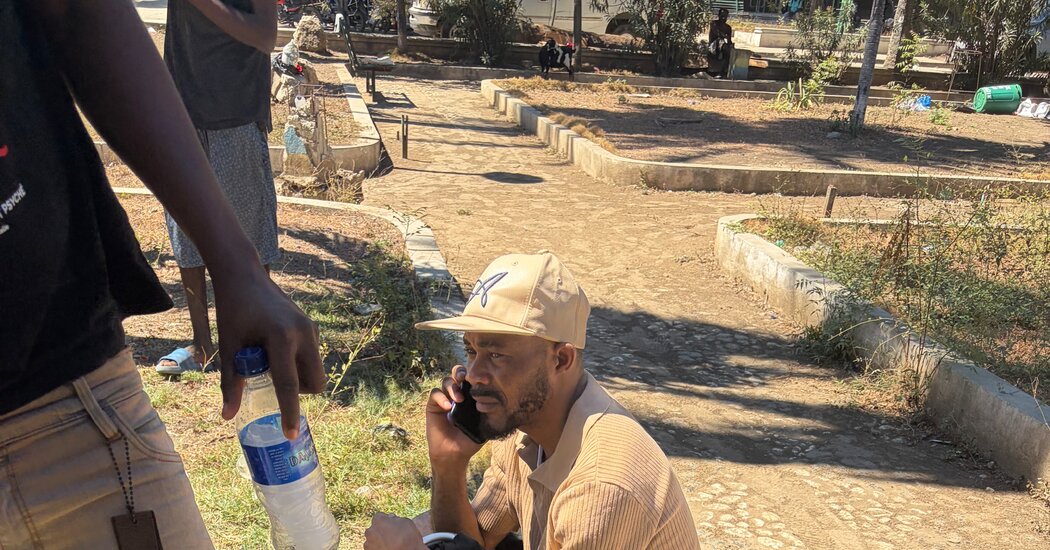
AdvertisementSKIP ADVERTISEMENTYou have a preview view of this article while we are checking your access. When we have confirmed access, the full article content will load.Hundreds have been deported to Haiti in recent weeks, and some say they have been left with no money, no protection from gangs and no place to go.Listen · 8:42 min Reginald Dorvilma, 36, who was arrested in Orlando, Fla., two months ago and arrived in Haiti on Thursday.Credit...Frances Robles/The New York TimesSept. 6, 2026Dozens of deportees are arriving in the Haitian city of Cap Haitien weekly as the Trump administration pushes to remove Haitians who lack legal immigration status in the United States, and some are now marooned in an unfamiliar place.More than 80 people were returned last week, often with only the U.S. government-issued sweatpants and T-shirts, and with immigration court documents stuffed in their pockets. Many returned broke, saying their valuables had disappeared during the trip and they now lacked the cash to get home.The road out of Cap Haitien, on Haiti’s northern coast, is controlled by gangs that extract tolls from drivers and kidnap travelers. Five police officers who tried the trip by bus recently were murdered.A day after being deported, Reginald Dorvilma, 36, sat stranded on Friday outside the Cap Haitien police station, making phone calls. He needed to find his way through gang territory to Les Cayes, his hometown on the other side of the country.The Haitian immigration authorities had given him and the other adults who arrived on the latest deportation flight 10,000 Haitian gourdes — the equivalent of about $80. On his first night back, he said, he had spent about $20 at a low-end hotel and then bought a change of clothes. He had less than $40 left.“I don’t have the money to go,” Mr. Dorvilma said.In June, the U.S. Supreme Court allowed the Trump administration to terminate the Temporary Protected Status program that had shielded 330,000 Haitians nationwide from deportation. Under T.P.S., people already in the United States were granted permission to live and work legally there if they came from countries considered too dangerous to return to. The program had been repeatedly extended because of the turmoil in Haiti, resulting from natural disasters and extreme gang violence.Thank you for your patience while we verify access. If you are in Reader mode please exit and log into your Times account, or subscribe for all of The Times.Thank you for your patience while we verify access.Already a subscriber? Log in.Want all of The Times? Subscribe.AdvertisementSKIP ADVERTISEMENT
Deported From the U.S., Some Haitians Are Left Broke and Stranded
Hundreds have been deported to Haiti in recent weeks, and some say they have been left with no money, no protection from gangs and no place to go.
420 words~2 min read