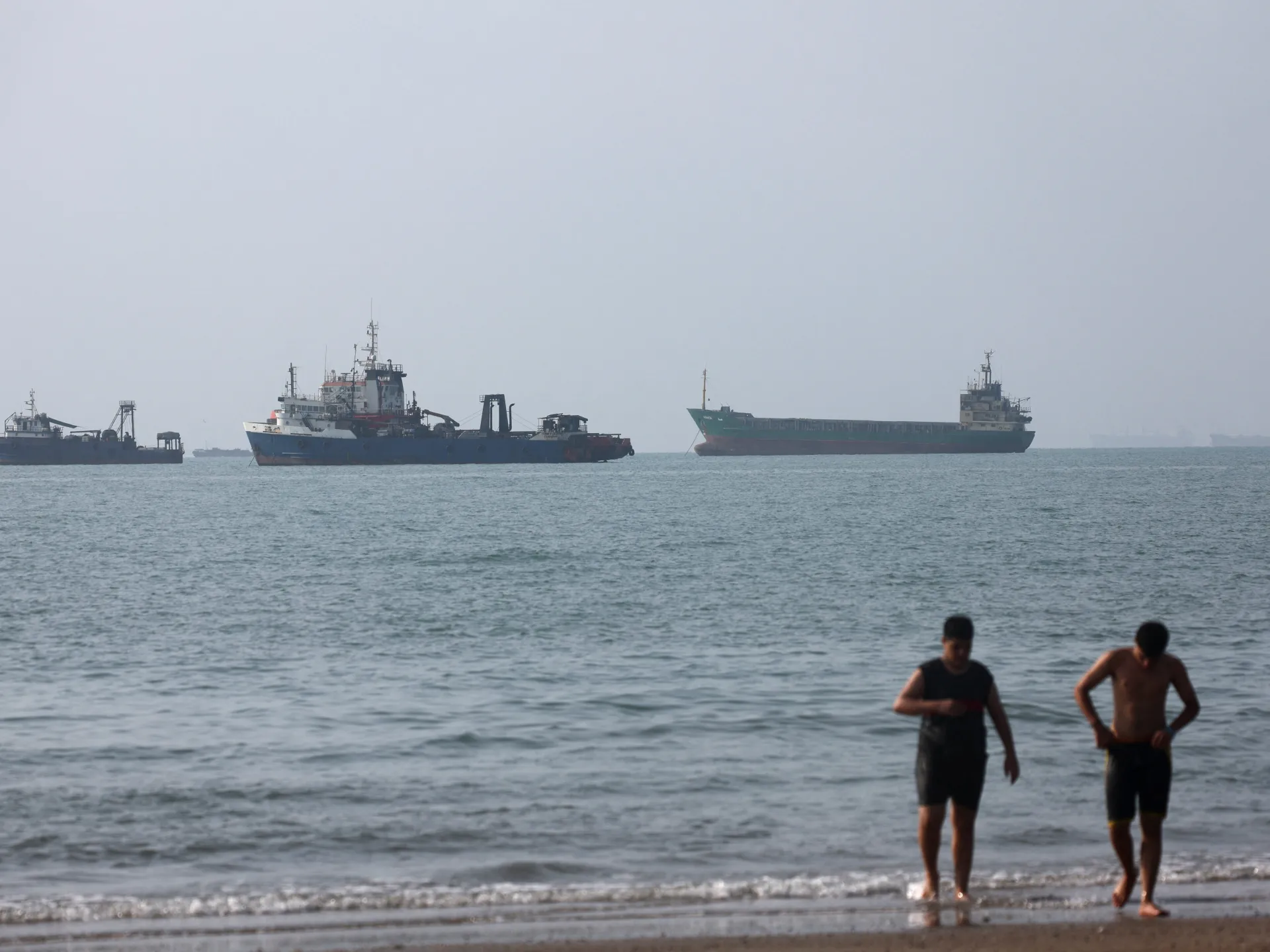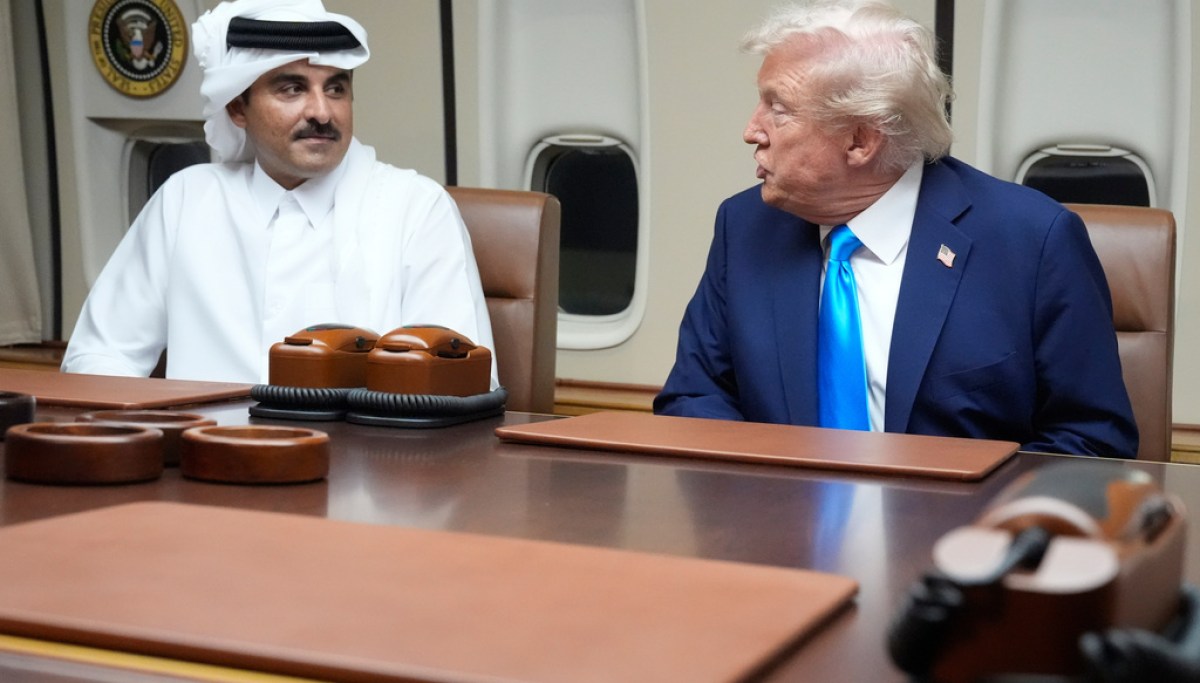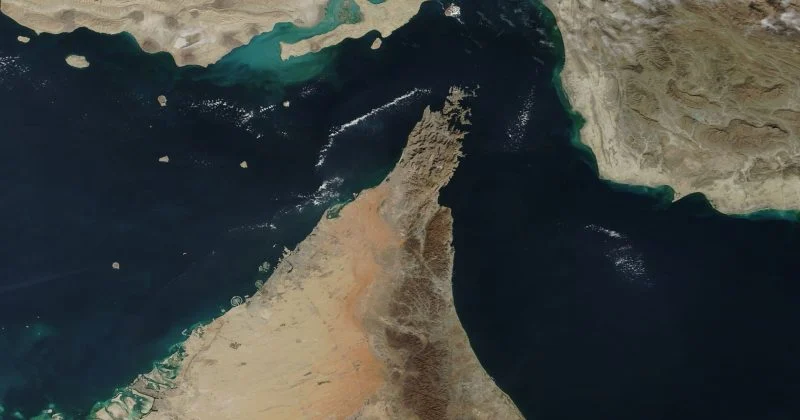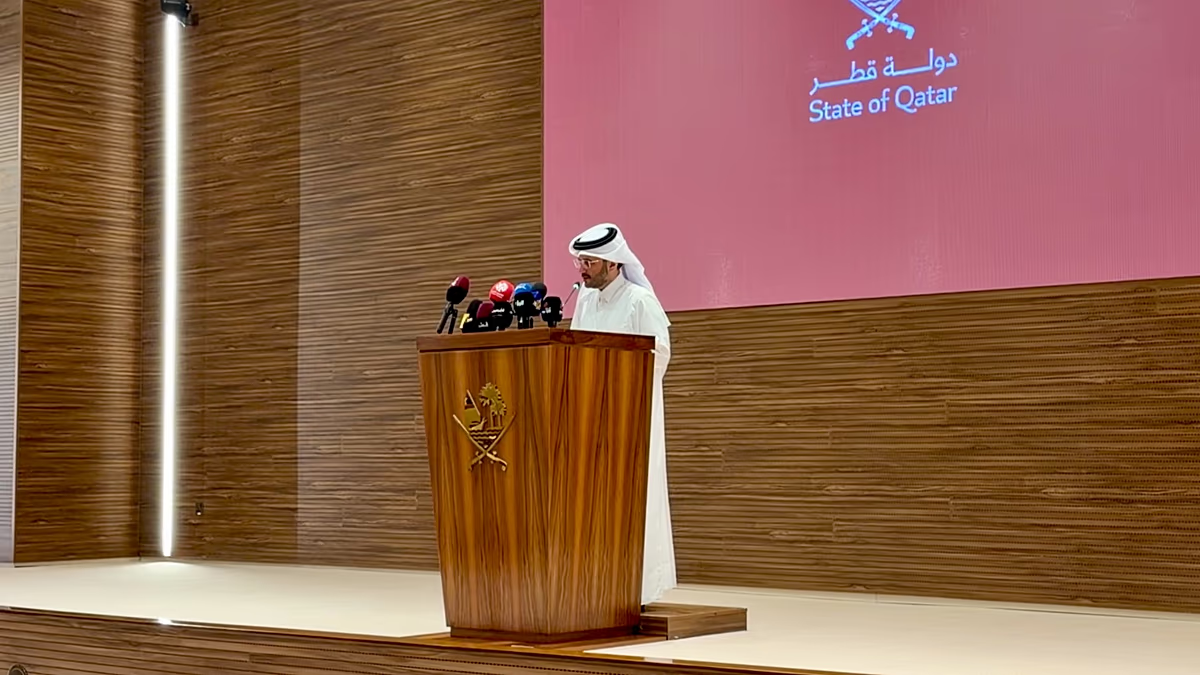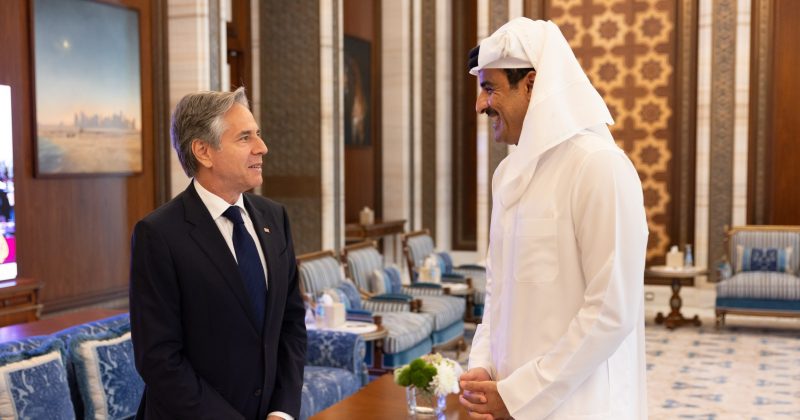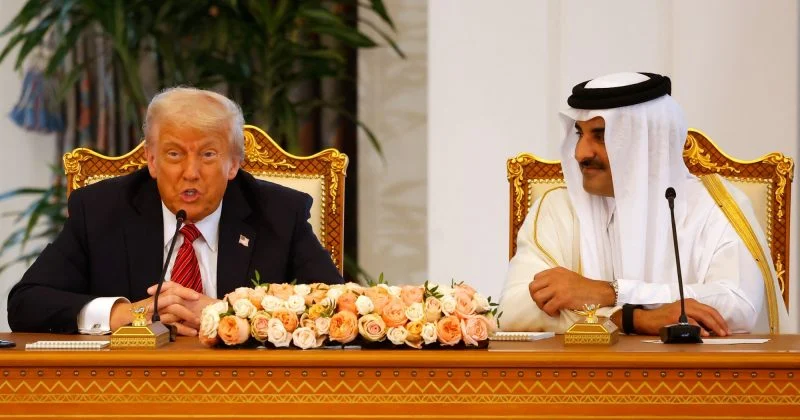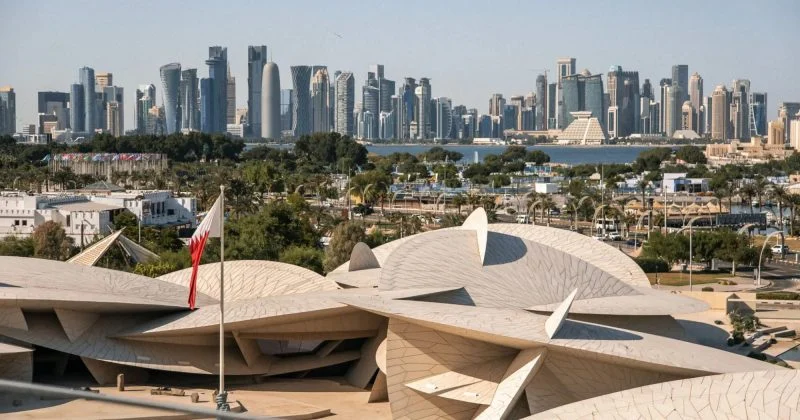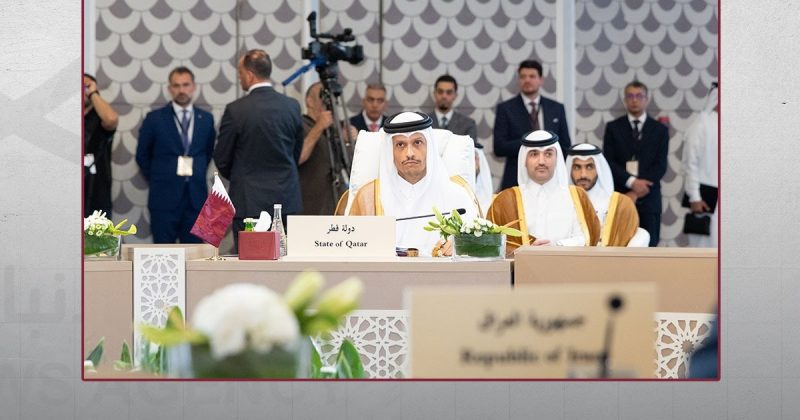
Qatar is working towards a phased approach to reduce the regional crisis, as stated by Foreign Ministry spokesman Majed Al-Ansari in an interview with CNN. Doha’s strategy emphasizes creating conditions for a sustainable settlement rather than seeking a quick resolution. This approach highlights Qatar’s focus on maintaining open waterways and encouraging negotiations amid ongoing tensions in the Gulf. The backdrop includes heightened conflict in the region, especially following recent strikes on Iran and disruptions in the Strait of Hormuz.
The implications of Qatar’s diplomatic strategy are being reflected in prediction markets surrounding US-Iran peace talks. Markets appear to view this as supportive of scenarios where increased diplomatic engagement could occur. Currently, the probability of Mojtaba Khamenei attending a US-Iran diplomatic meeting by the end of the year is priced at 4.2% in one active market, showing a slight increase from previous days. This cautious optimism may be tied to Qatar’s ongoing mediation efforts and the potential for more conducive negotiation environments.
In the broader context, regional dynamics remain complex, with Israel continuing military actions in Gaza and broader Gulf tensions persisting. However, Qatar’s efforts to mediate and de-escalate tensions, as well as to ensure the free navigation of critical waterways, suggest a strategic focus on long-term stability rather than immediate conflict resolution.