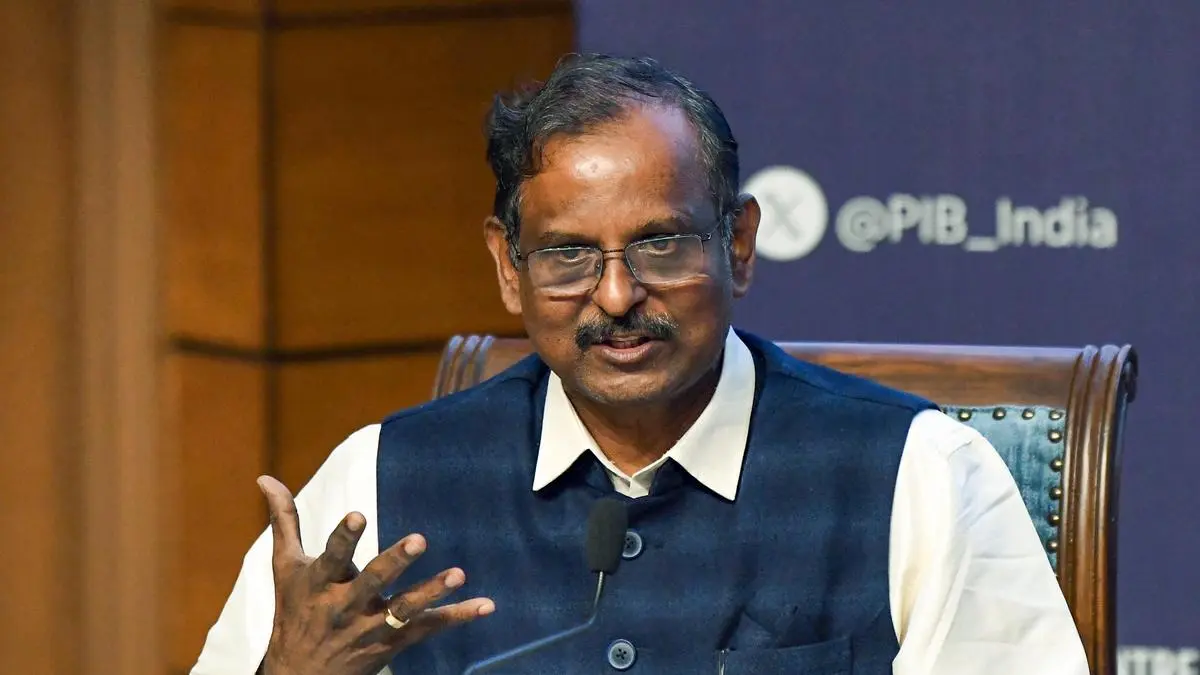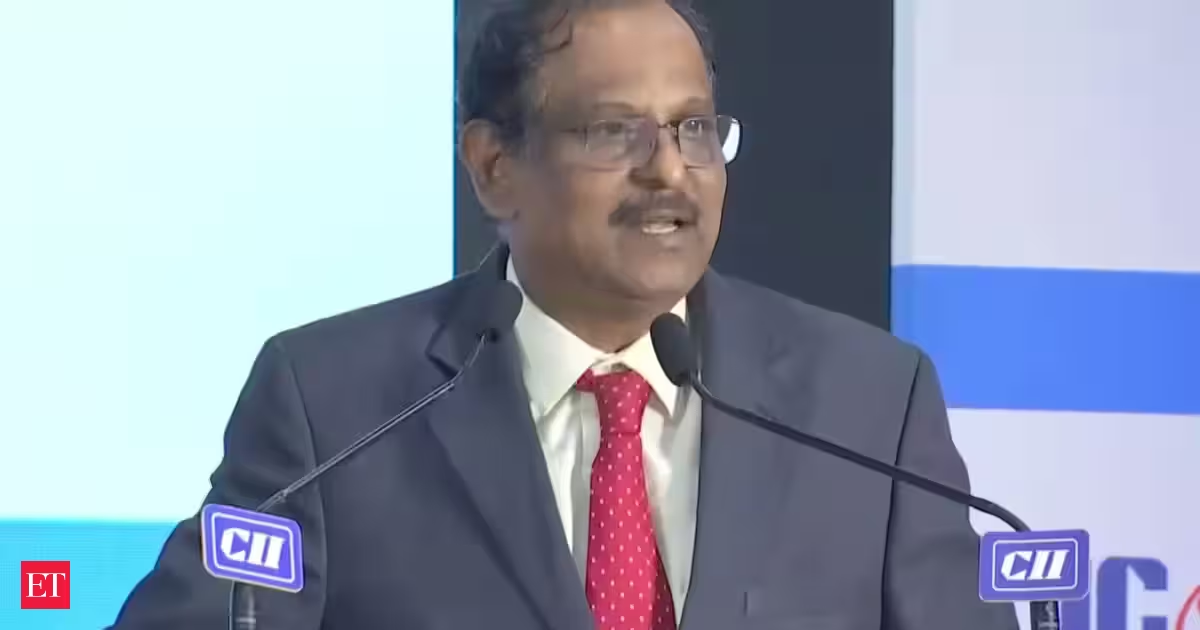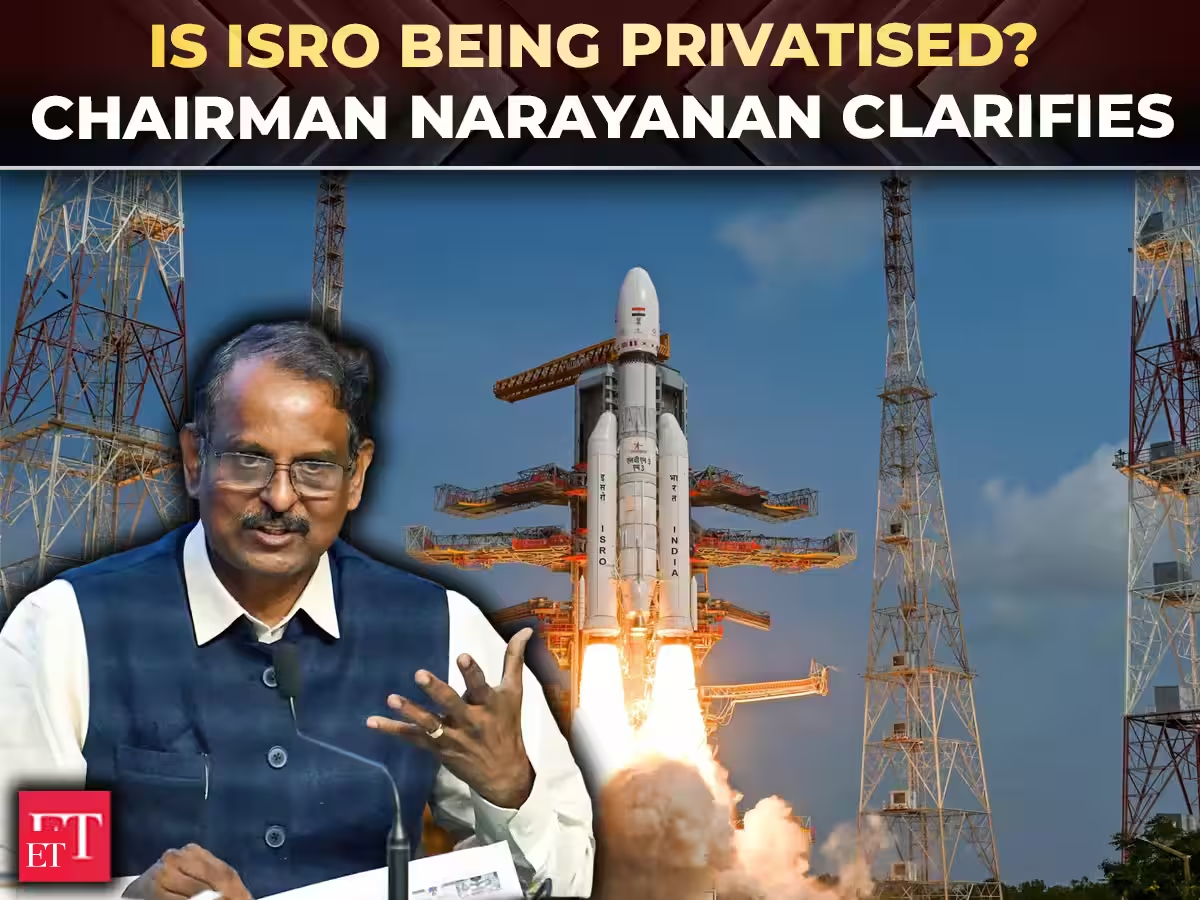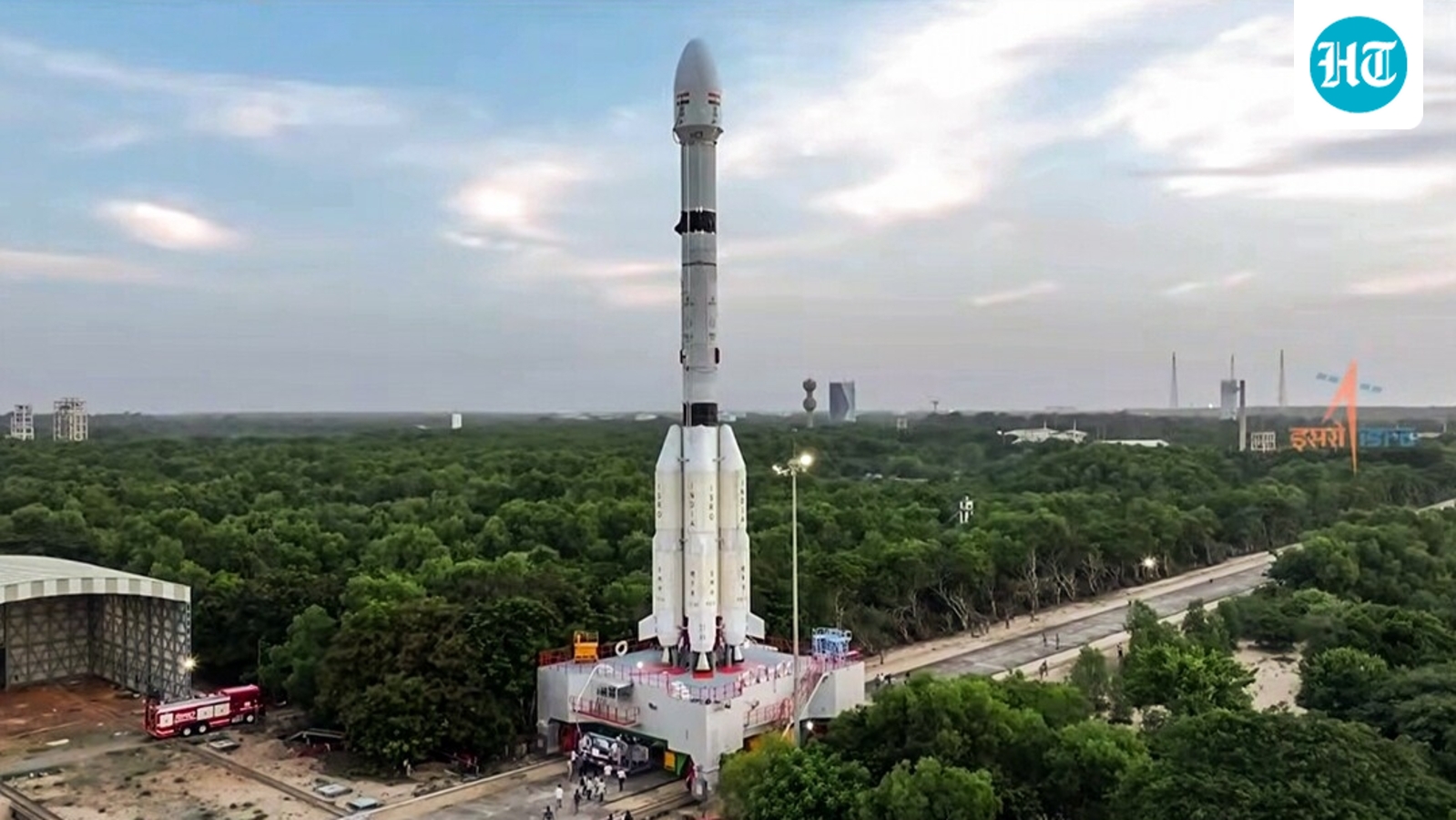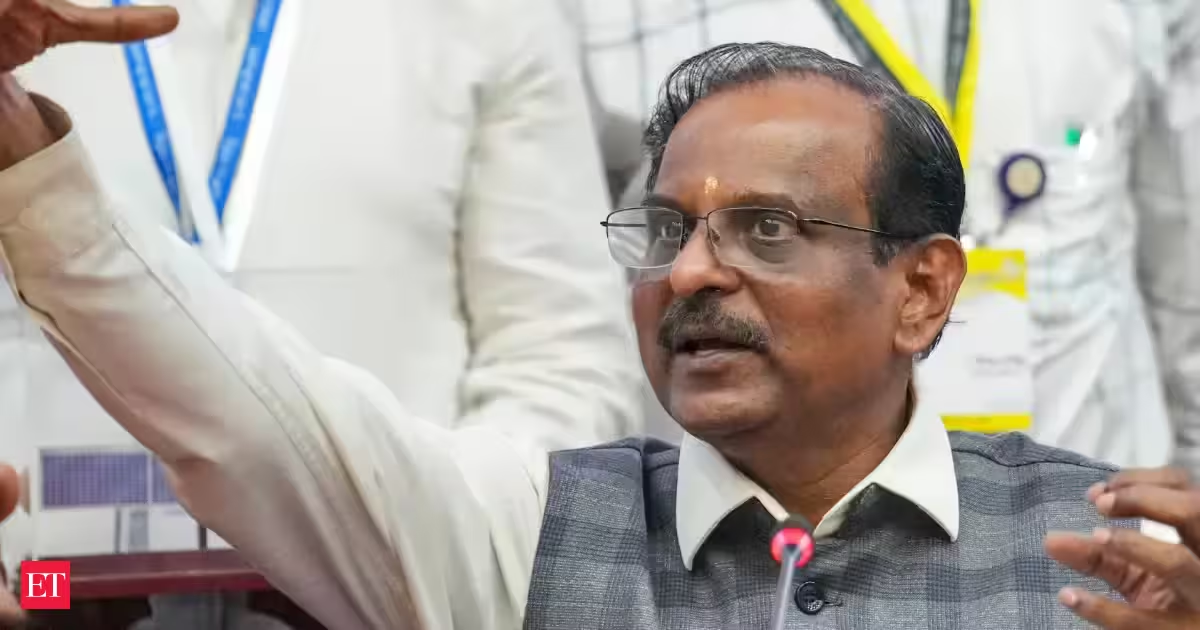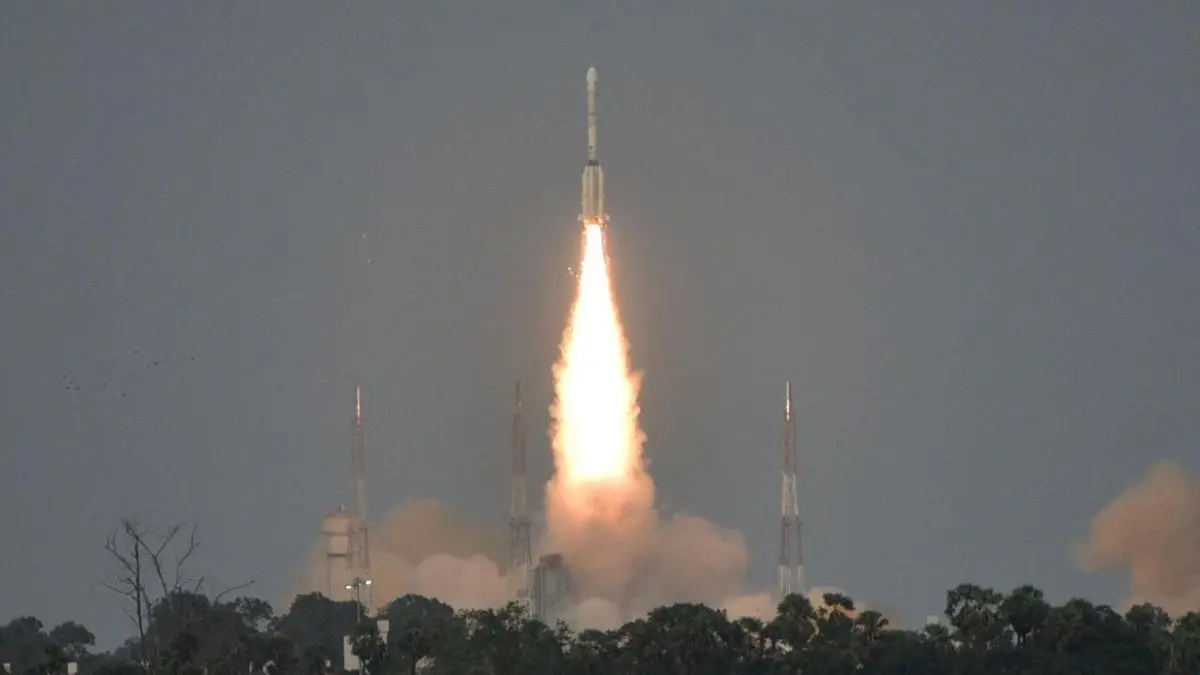
India’s space ambitions are beginning to outgrow the capacity of its national space agency, putting private industry at the centre of the next phase of growth.The country is targeting 50 launches a year and is expected to need 200–300 satellites over the next six to seven years, forcing ISRO to increasingly rely on industry, startups and academia to expand capacity.Dr V Narayanan, Chairman, ISRO, said the shift was already underway, pointing to the scale of industry’s contribution to India’s launch programme.“Whenever a PSLV or a GSLV is lifting off, don’t think that everything is done by ISRO,” Narayanan said at the ninth edition of the Bengaluru Space Expo. Almost 80% of the budget is invested by Indian industries, with around 450 industries working with ISRO, he said.The expansion is also visible in the startup ecosystem. From just one space startup in 2014, India now has more than 440 startups, while over $160 million in private equity capital has entered the sector this year, Narayanan said. Yet India accounts for only around 2% of the global space market — a small share for a country with a space programme spanning more than six decades.6 missions plannedISRO is also preparing for a busy year, with six more missions planned, including the country’s first uncrewed mission as part of its human-spaceflight programme.The government is now seeking to turn that ecosystem into a much larger industrial base. Dr Pawan Goenka, Chairman, IN-SPACe, said India’s ambition of building a $44-billion space economy by 2033 and raising its global share to 7–8% could not be achieved by ISRO and startups alone. Greater participation from established industrial houses, spanning manufacturing, joint ventures, licensing and global supply chains, would be needed.Deep tech focusInside ISRO, the agency is continuing to push technologies that could eventually feed that ecosystem. M Ganesh Pillai, Scientific Secretary, ISRO, said it was pursuing around 2,000 R&D projects, including reusable launch vehicles, in-orbit refuelling and in-situ resource utilisation, while nearly 440 technologies have already been transferred to industry.For industry, the growing private role need not mean competition with ISRO. Ashish Taneja, Founder and CEO, GrowX Ventures, said ISRO should focus on deep science, exploration, strategic missions and hard technology development, while private companies take proven technologies to scale, lower costs and build commercial markets.That distinction is also important as private participation raises concerns within ISRO’s own workforce. Narayanan sought to reassure its roughly 20,000 employees, saying, “ISRO is not privatised” and that employee concerns would be addressed.Published on September 7, 2026
India’s space ambitions push ISRO to lean on private sector
ISRO is increasingly collaborating with over 450 private firms to achieve India's ambitious space launch goals and expand its satellite capacity.
416 words~2 min read