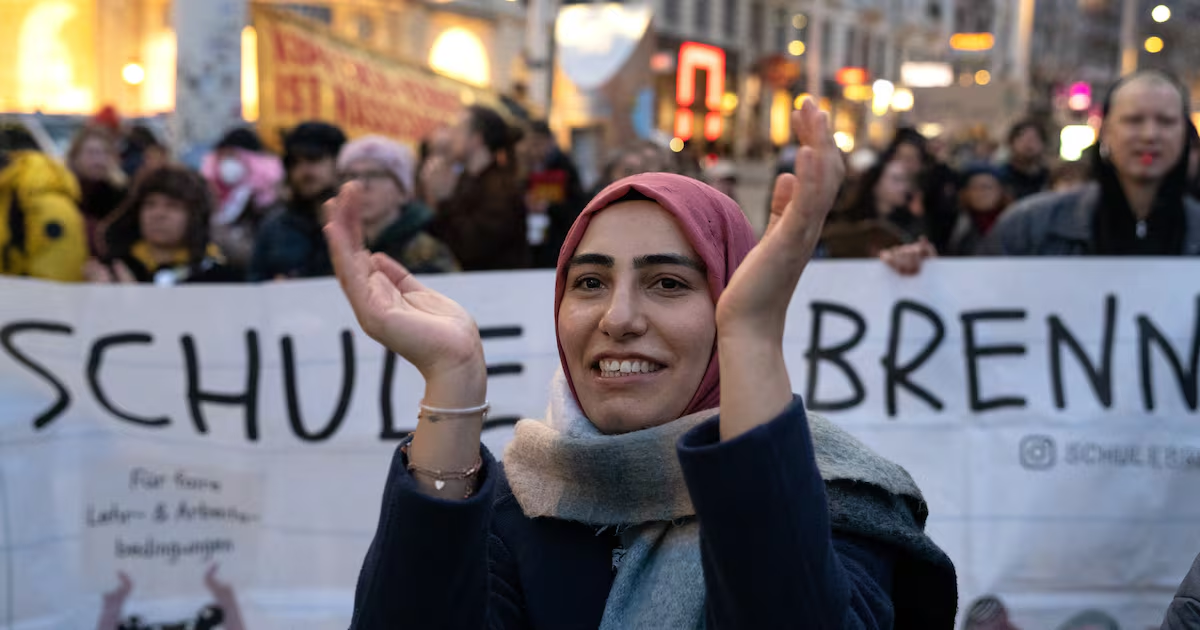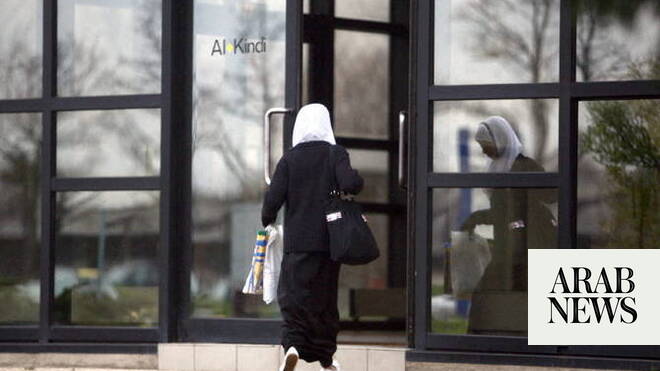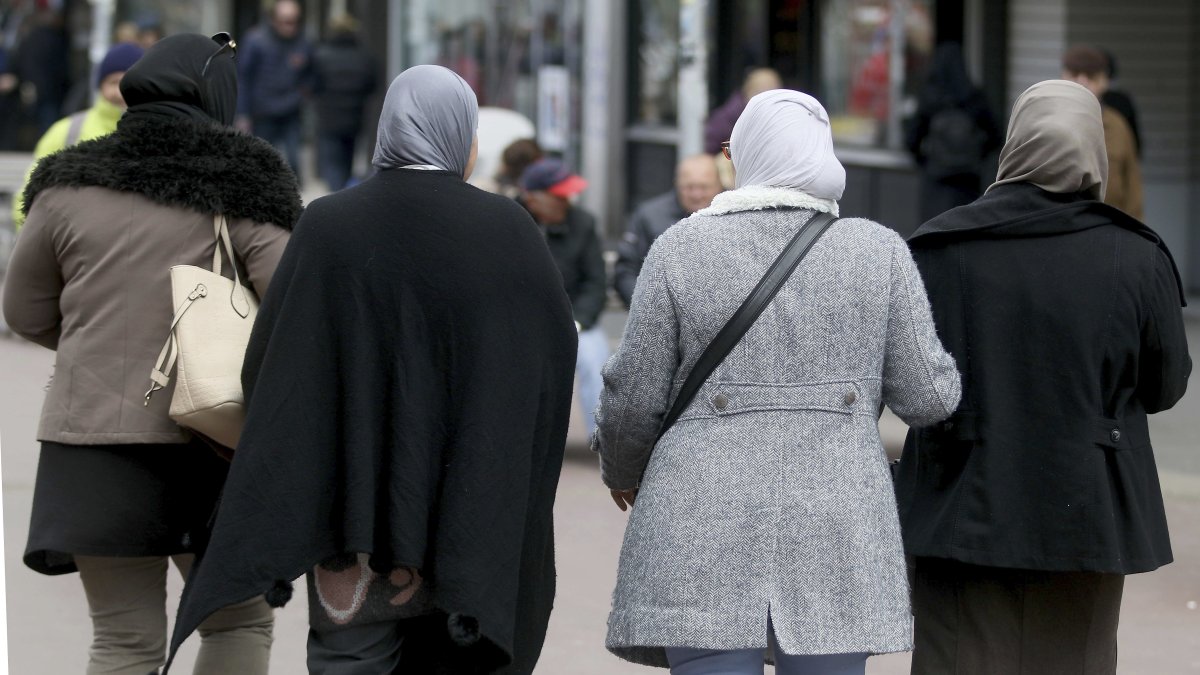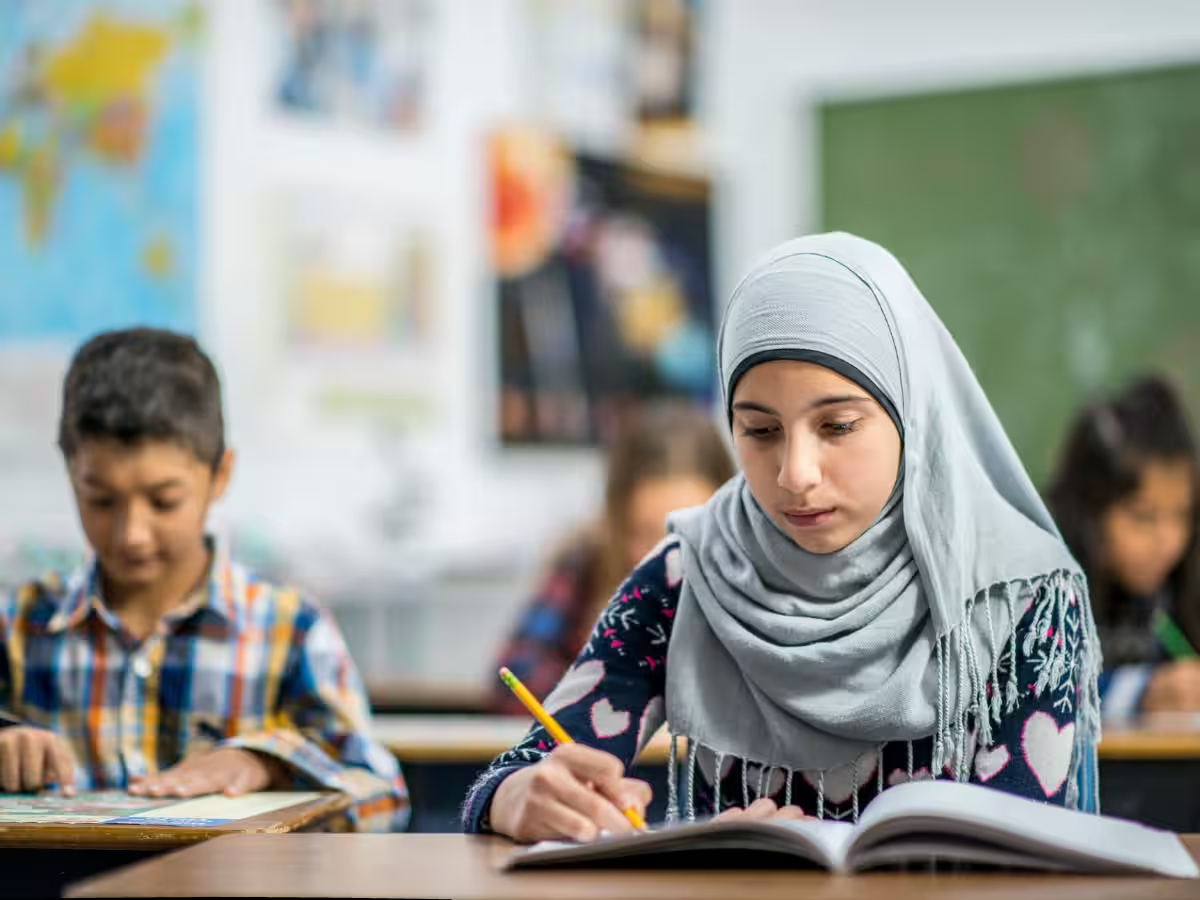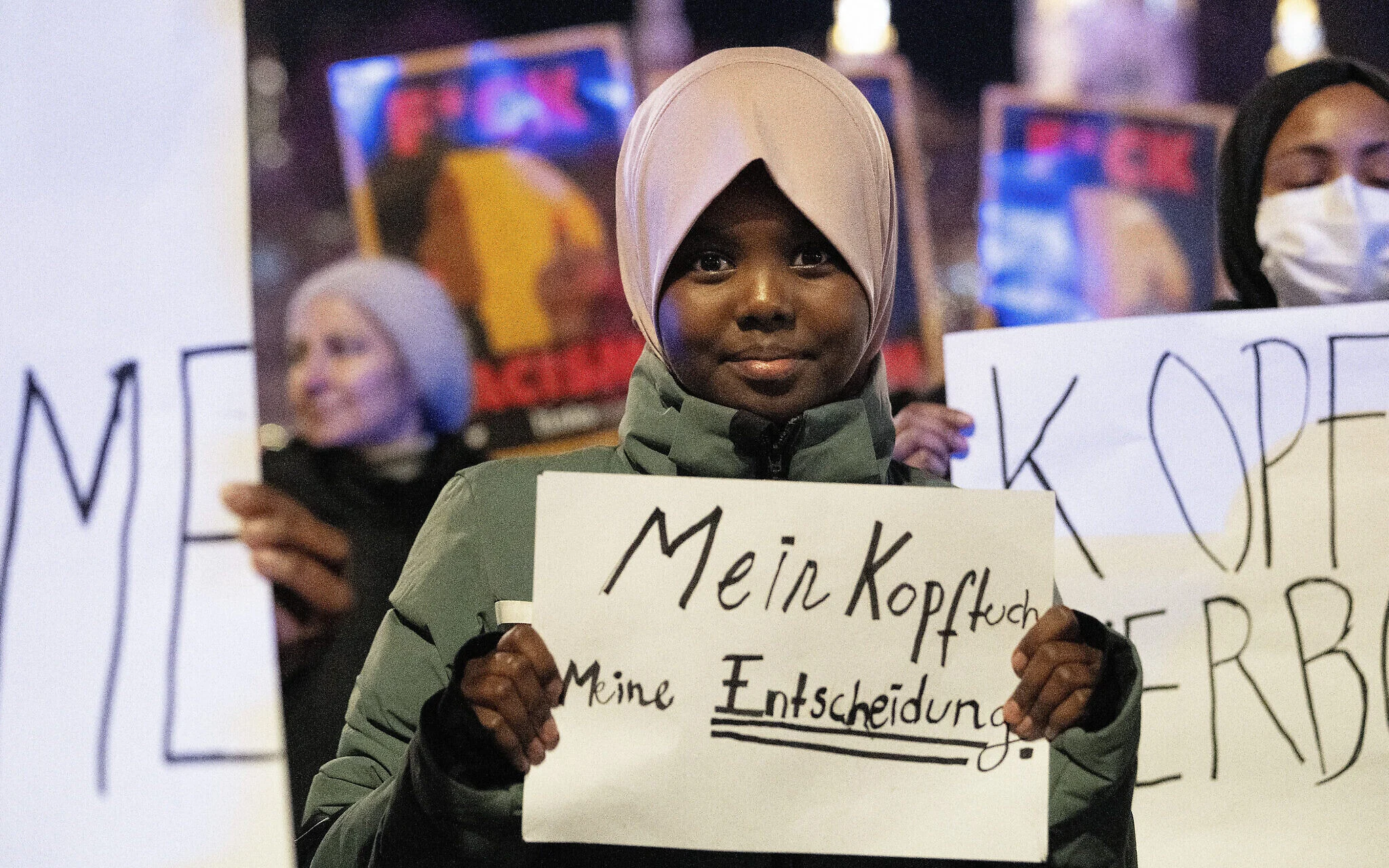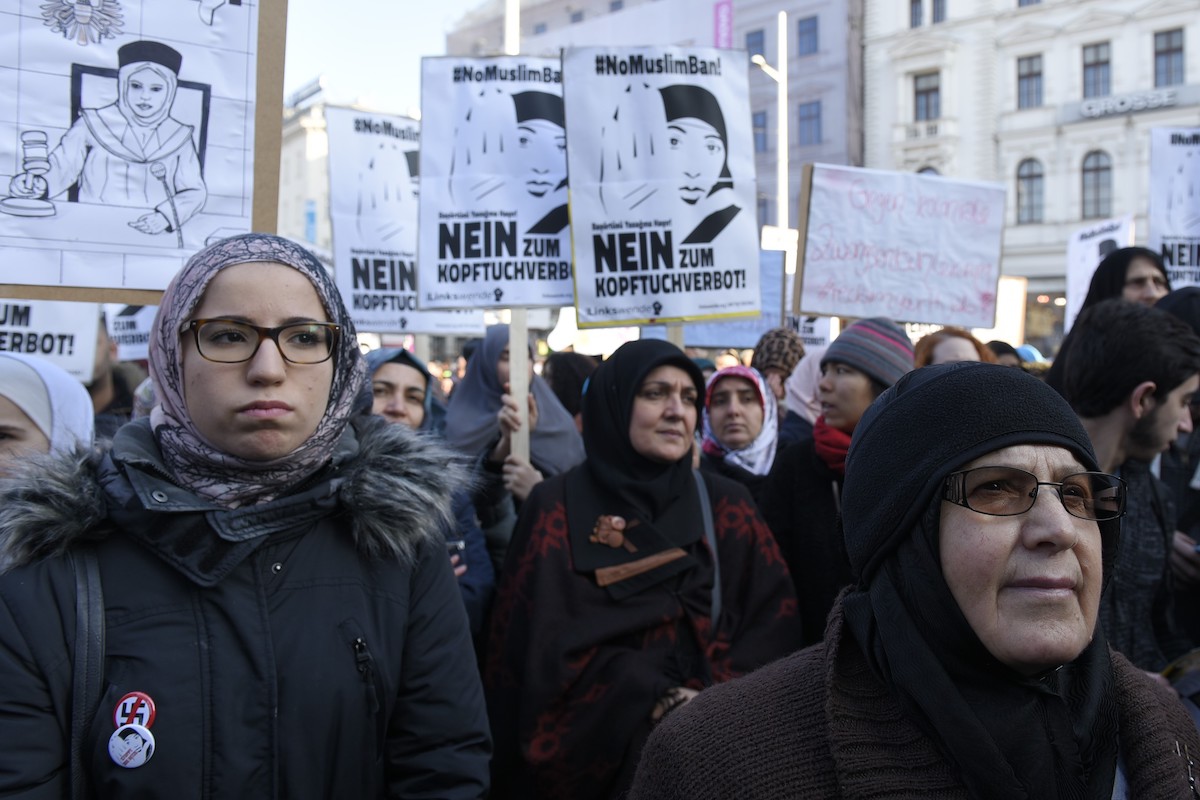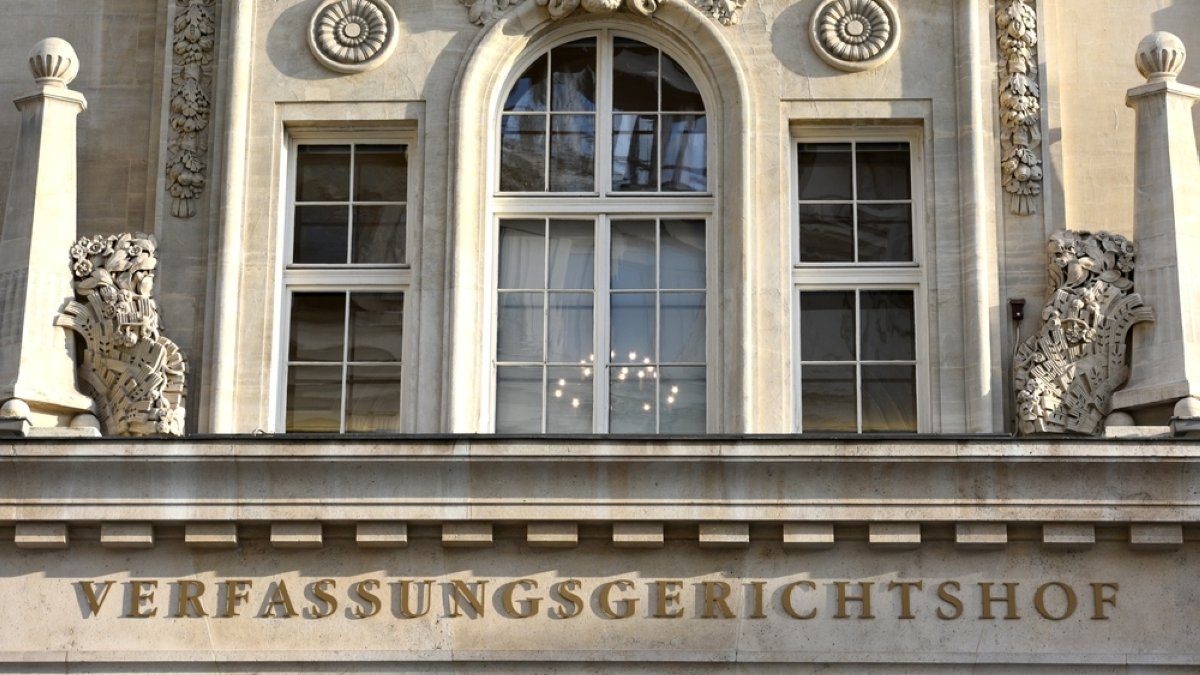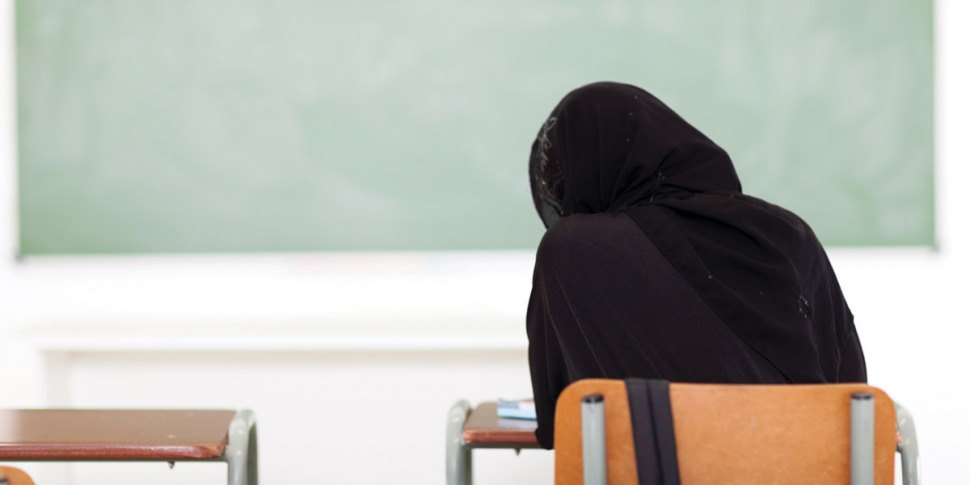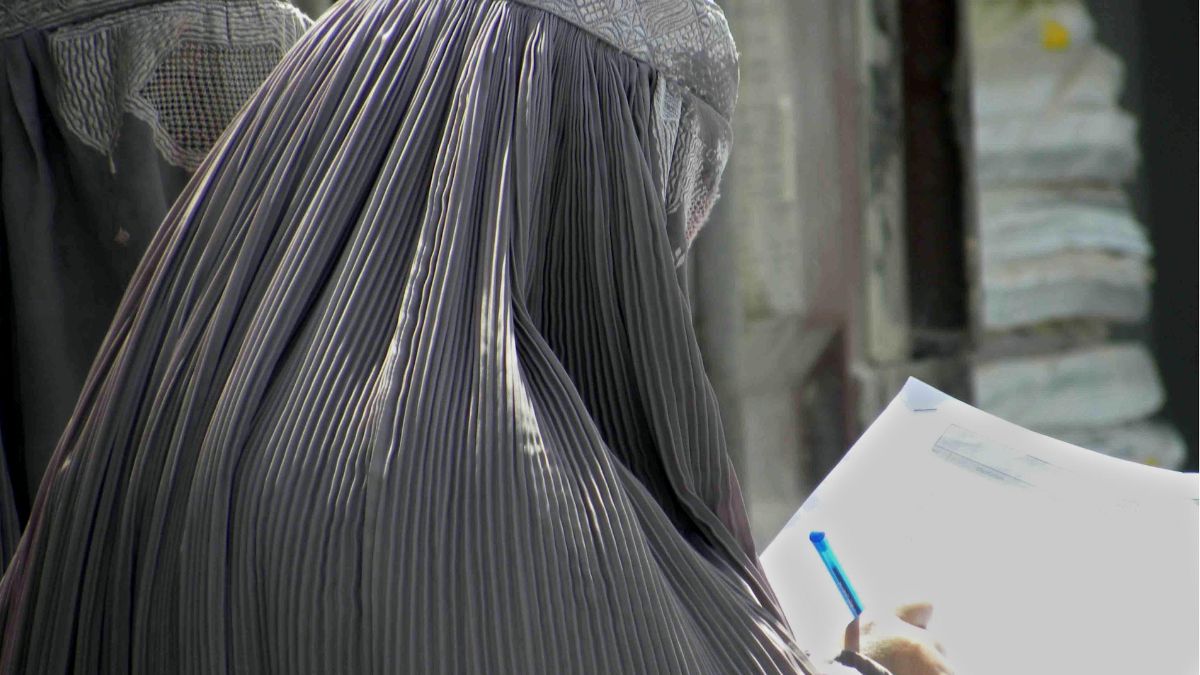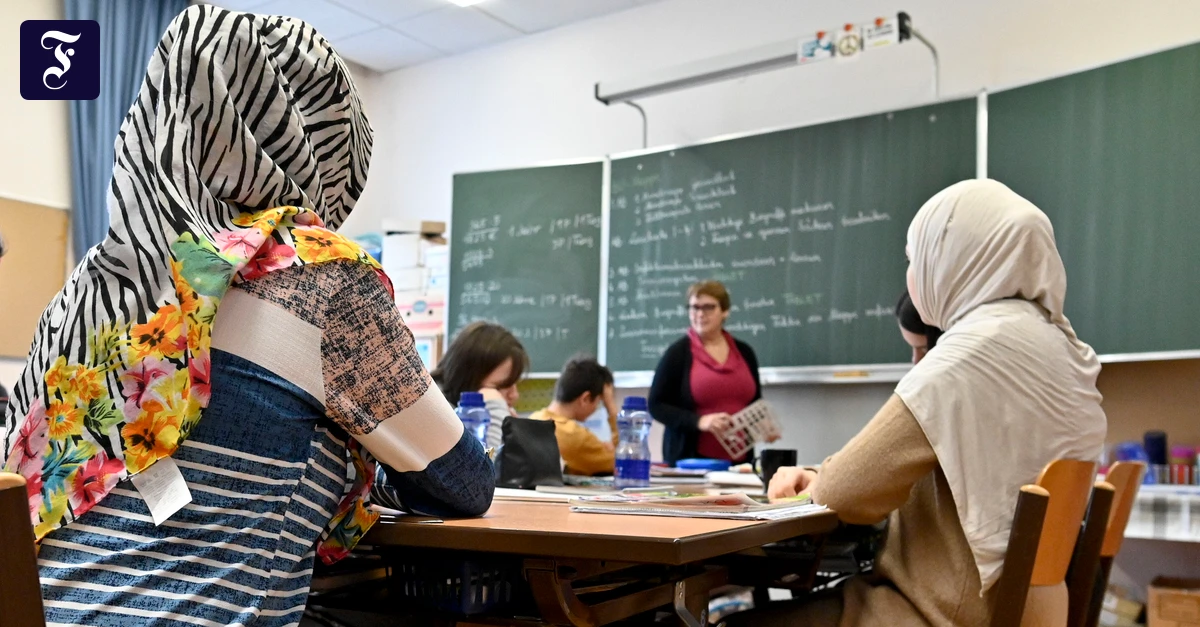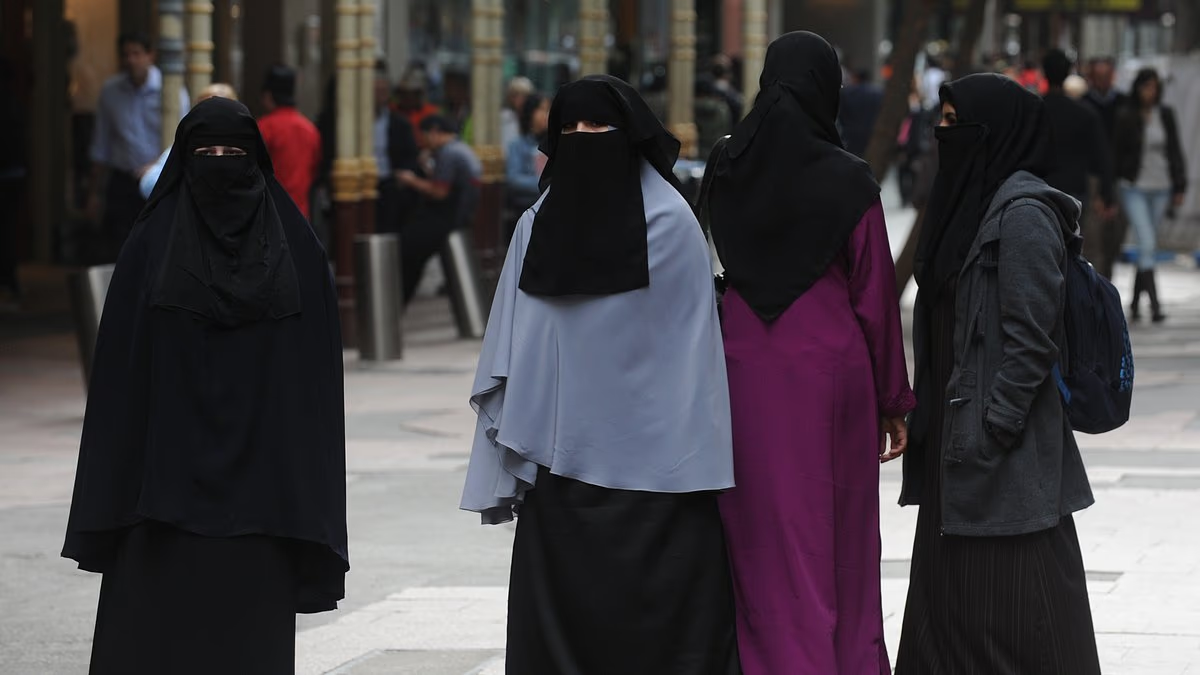
Austria's ban on headscarves for under-14s faces an initial test on Monday as schools reopen in Vienna and other states, with groups including the country's main Muslim organization denouncing it as discriminatory and legal challenges likely.Austria's ruling coalition of three centrist parties proposed the ban in schools, arguing it was acting to protect girls' freedom. The legislation was passed in parliament in December with the support of the far-right Freedom Party. Only the smallest party in parliament, the left-wing Greens, opposed it.The group that formally represents Austria's Muslims, the Islamic Religious Community in Austria (IGGO), has said the move was an infringement of fundamental rights, pledging to fight it before the Constitutional Court, which rejected challenges in July because the legislation had not yet gone into force.Carla Amina Baghajati, from the IGGO, told the BBC that the organisation 'firmly opposes the ban'.'We believe it unjustifiably restricts the fundamental right to freedom of religion and disproportionately affects Muslim girls,' she said.'Rather than protecting children, it singles out a specific religious practice and risks excluding the very children it claims to support.' Austria's ban on headscarves for under-14s faces an initial test on Monday (File pic)The court ruled in 2020 that a previous ban, which applied to under-10s in schools, was illegal because it discriminated against Muslims and the state had a duty to be religiously neutral. Going against that principle requires special justification, it held.Asked by national broadcaster ORF if the court would overturn the new ban, Education Minister Christoph Wiederkehr said: 'You can never be completely certain.''We in the government carried out very intensive consultations and we in the education ministry tried very hard to write a law that complies with the constitution,' Wiederkehr said in the interview broadcast on Monday. Left-wing pupils' organizations have called for protests. The new school year starts on Monday in three of Austria's nine states - Vienna, the surrounding state of Lower Austria, and Burgenland, all in the east - with the rest following next week.The legislation stipulates a school must hold discussions with any pupil defying the ban, after which a fine of between €150 and €800 can be imposed.Austria's move comes as other European countries such as Denmark have begun the process to ban burkas in schools.A ban on full-face coverings was introduced in Denmark in 2018, with those found to break the rule forced to pay a £1,300 fine, and now burkas will be banned in schools and universities.The government's move was revealed by centre-Right newspaper Berlingske, citing a statement from the Danish immigration ministry.'The government will present a number of legislative proposals that were not adopted before the election,' the statement said.'This includes, among other things, the bill on strengthened efforts against parallel societies and negative social control,' it added, in reference to the burka ban policy.In addition to introducing the famous 'burka ban', new rules came in compelling all newcomers and their children to learn Danish or lose asylum-seeker benefits.Immigrants were also moved around the country to stop a 'parallel' foreign society growing up under a so-called 'ghetto law'.Meanwhile, Portugal last month banned the use of full-face veils under a so-called 'burka law' that the government says will protect 'human identity.' The country's president enacted the law banning the concealment of faces in public, a measure that has been widely seen as targeting Muslim women wearing a full-face veil.'The face must be considered a central element of human identity and communication,' President Antonio Jose Seguro said in a statement.The law prohibits the wearing of garments designed to conceal the face or prevent identification in public spaces, as well as any coercion forcing a person to cover their face for reasons related to gender, religion, age or origin.Rights campaigners have long pointed out that such bans also effectively erode women's rights by telling them what to wear.Seguro acknowledged that the issue was one of 'great social and cultural sensitivity'.In Portugal, violators face fines ranging from 150 to 3,000 euros.Exemptions are provided for reasons such as health, professional, artistic or weather-related needs, as well as within places of worship, diplomatic missions and on aeroplanes.
Austria rolls out ban on Islamic headscarves in schools
Austria's ruling coalition of three centrist parties proposed the ban in schools, arguing it was acting to protect girls' freedom.
683 words~3 min read