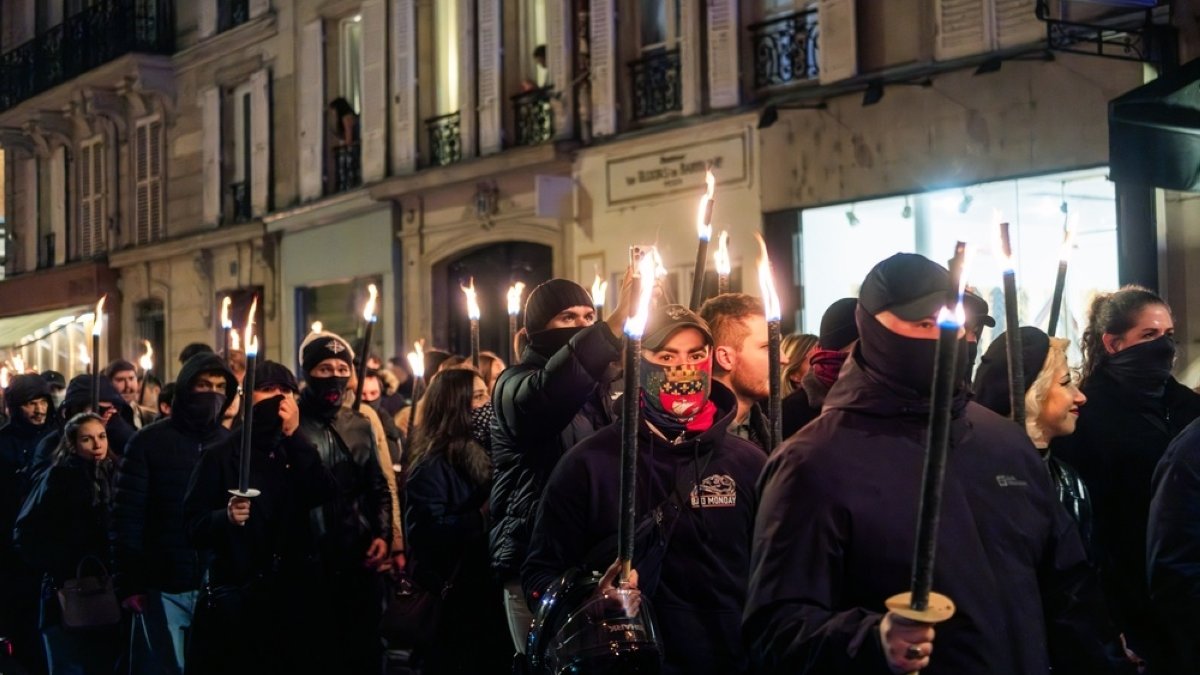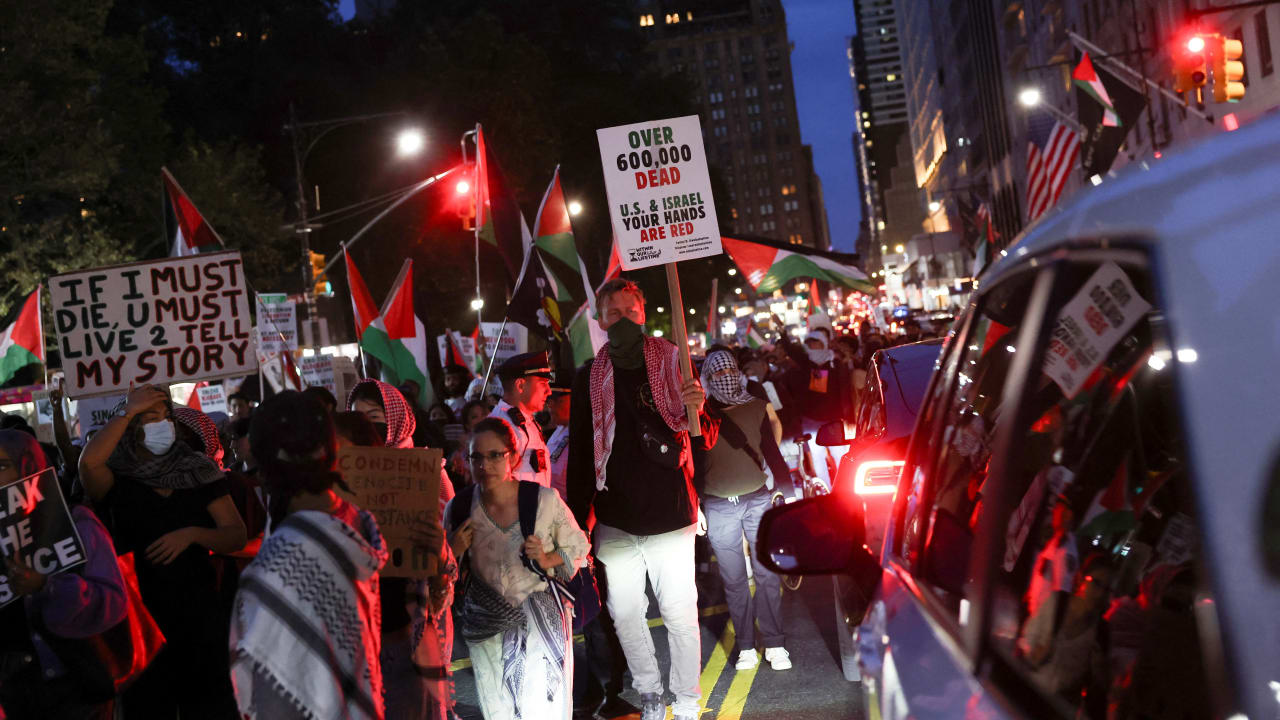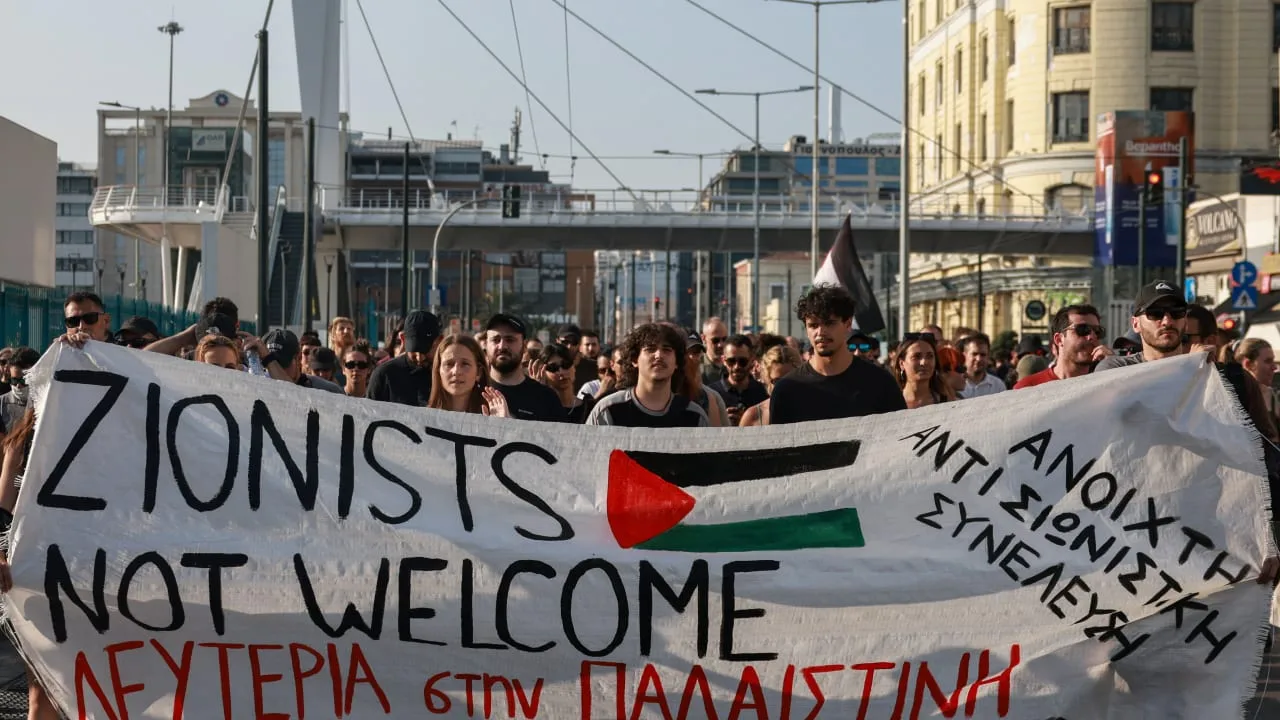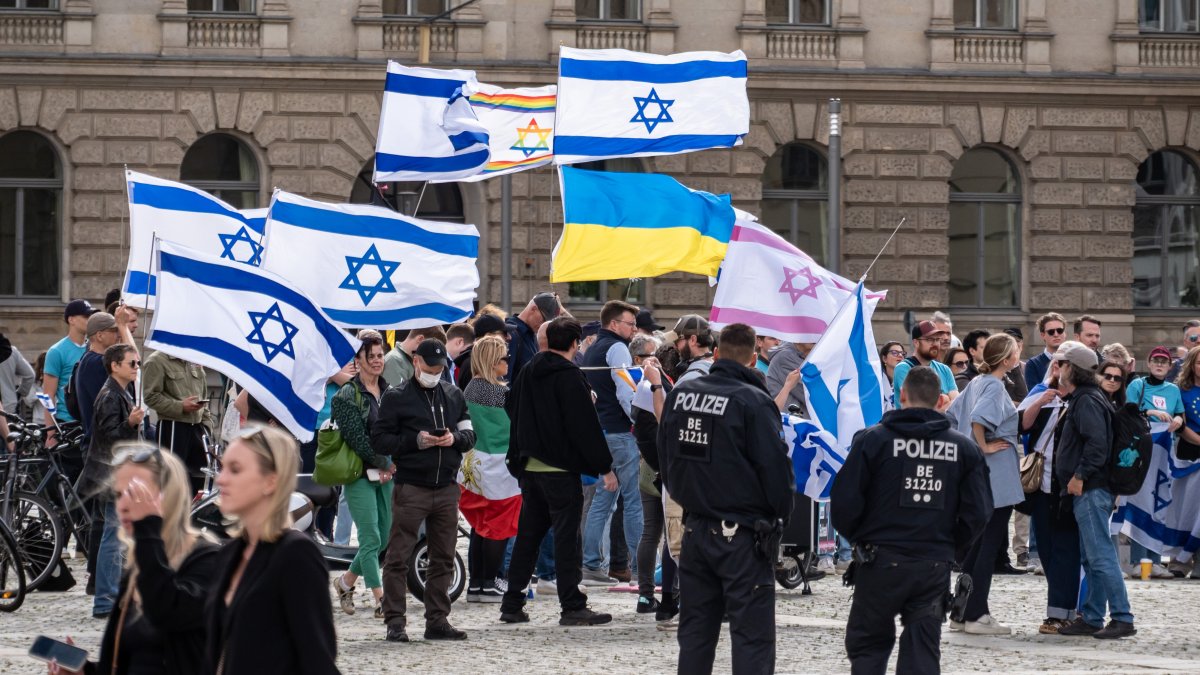
In the final quarter of the 20th century, the far-right was primarily associated with antisemitism and racism. By the end of the first quarter of the 21st century, however, its exclusionary rhetoric had increasingly shifted toward immigrants, while its traditional antisemitic positions had, in significant parts of the European radical right, been replaced or reframed through Islamophobic discourse. Zionism and pro-Americanism, once regarded as two major ideological enemies, increasingly became part of its own political identity.
The U.S.-Israel alignment that accompanied this sharp paradigm shift contributed to the transformation of the far-right from a marginal movement with limited electoral support into a significant actor in mainstream European politics.
To understand the transformation of the far-right and its contemporary political position, it is useful to examine the three major radical-right groups within the European Parliament.
The strongest and most influential of these is Patriots for Europe (PfE). It is an anti-immigration and strongly pro-Israel political group that frequently employs anti-Muslim rhetoric. France, Spain, Hungary, Italy and the Netherlands are among its principal national components, while Santiago Abascal, Marine Le Pen, Viktor Orban, Geert Wilders and Matteo Salvini are among its best-known political figures.