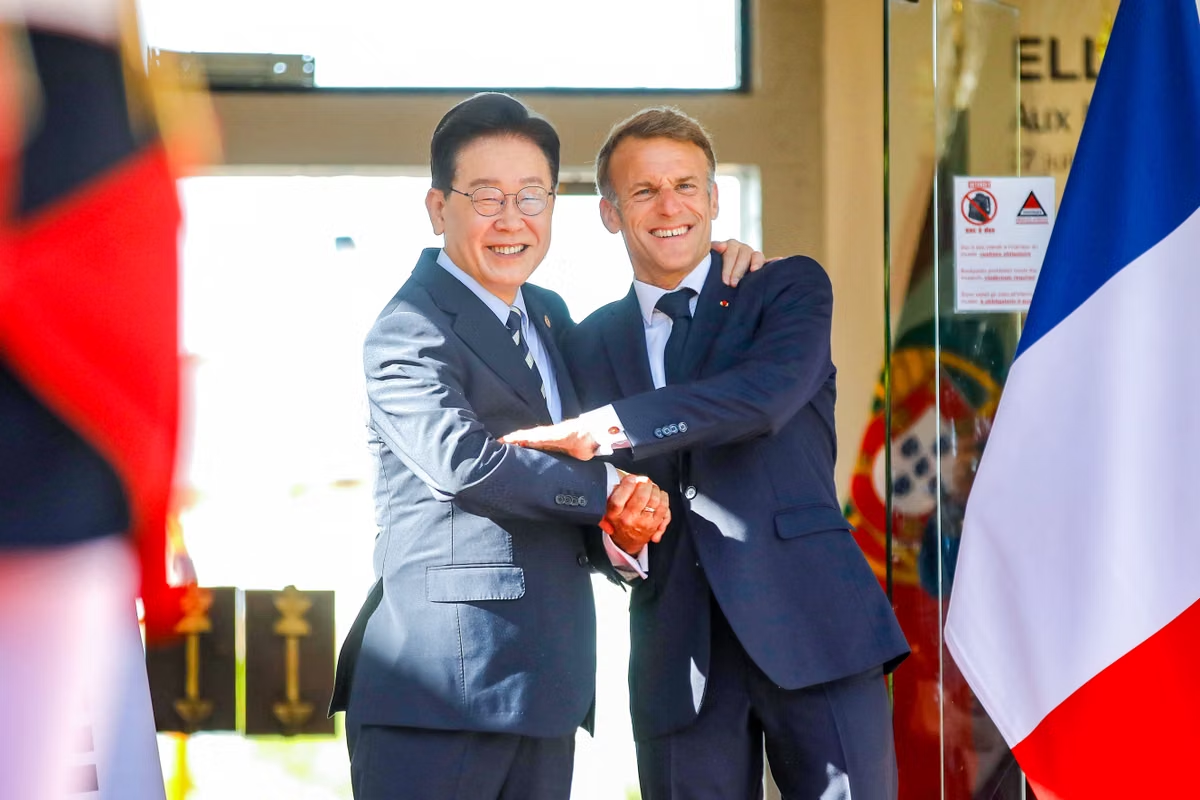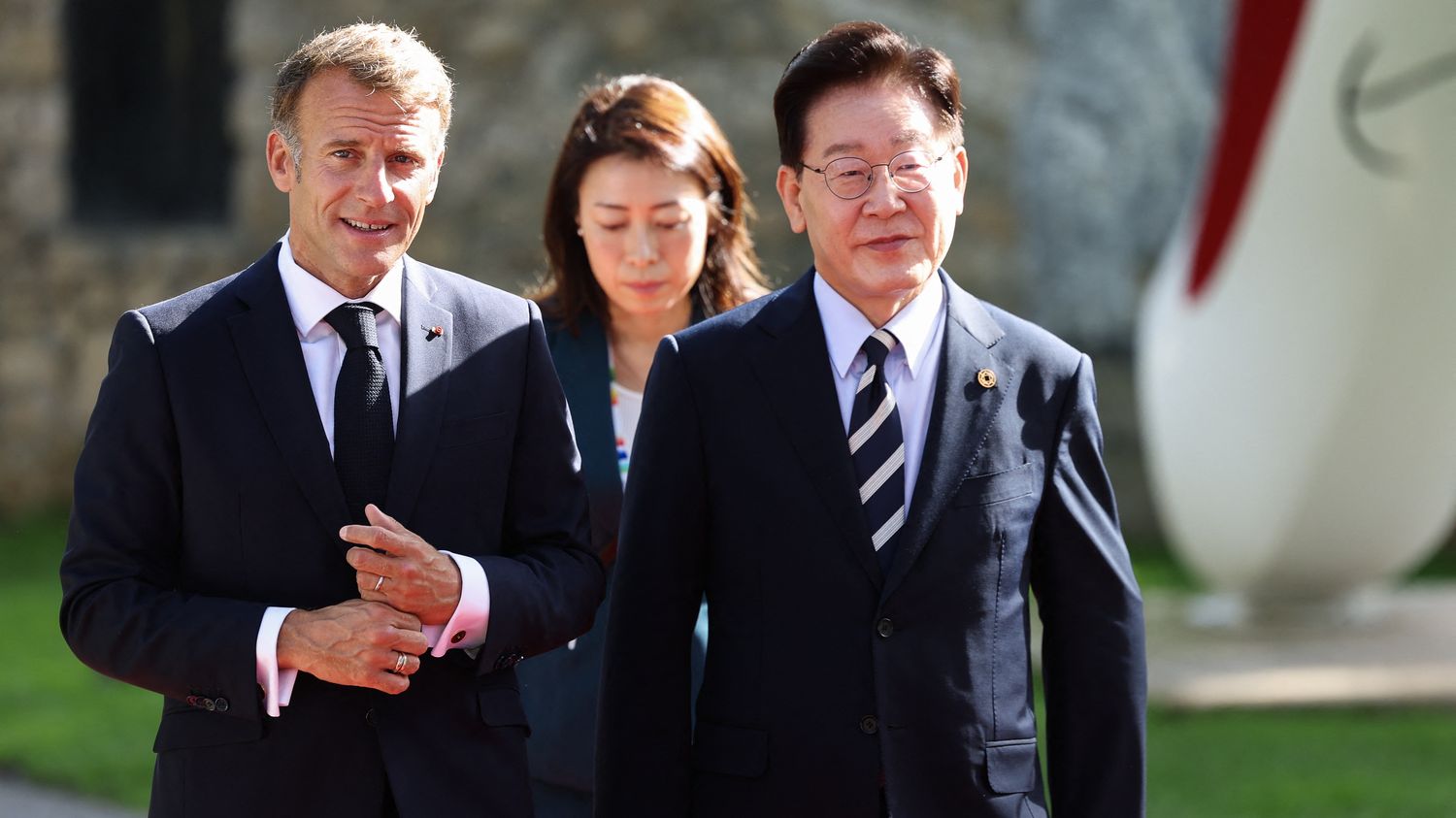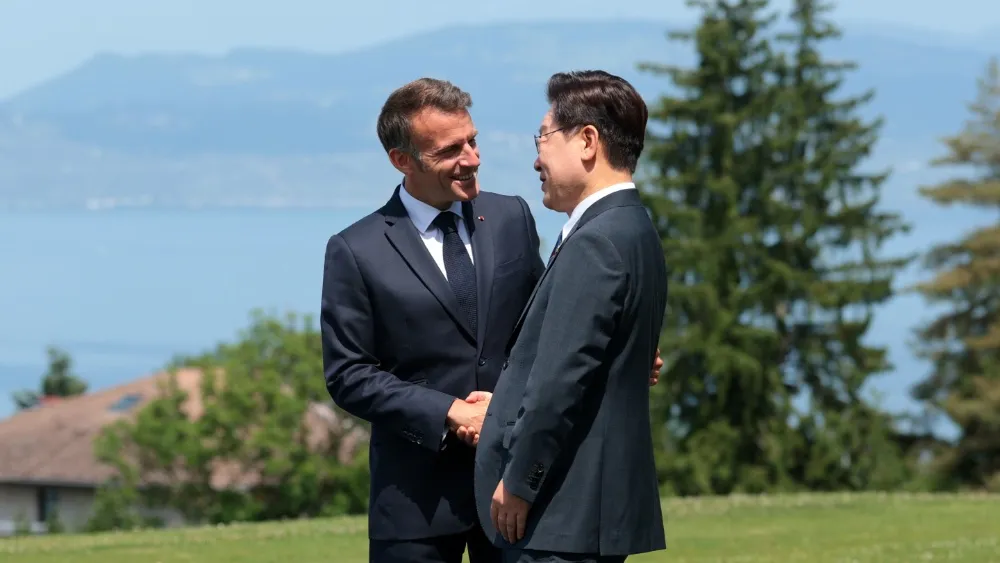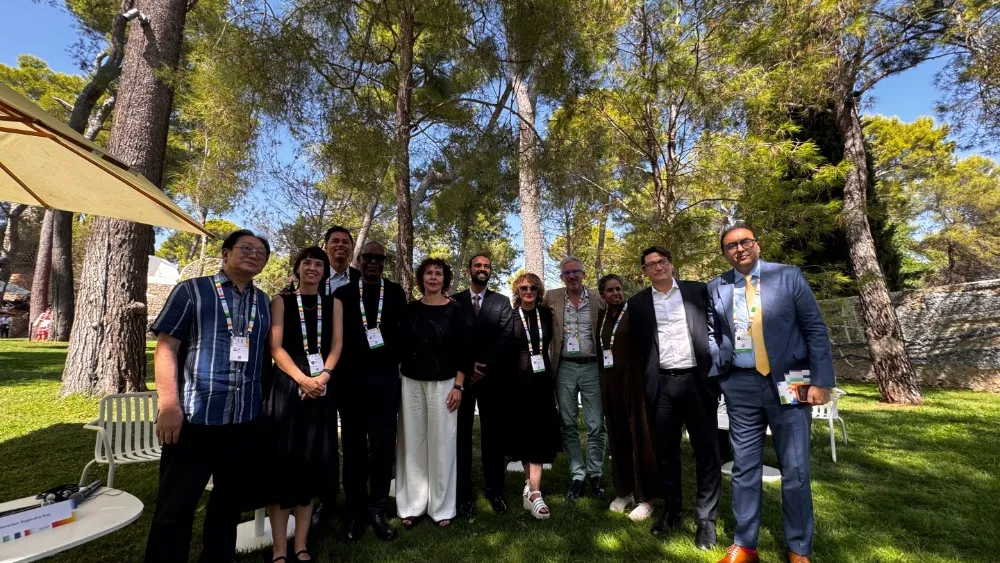
Countries, screen industry bodies and rights organizations adopted five thematic declarations at the Lumière Summit on Monday at the Fondation Maeght in Saint-Paul-de-Vence, France, establishing shared frameworks across artificial intelligence, piracy, image education, gender equality and environmental sustainability.
Among the signatories are France, the Republic of Korea, SACEM — the Société des auteurs, compositeurs et éditeurs de musique, France’s music authors and publishers rights society — and Adami, France’s collective management organization for performers’ rights. All five declarations remain open for signature.
AI is already embedded in screenwriting, previsualization, visual effects, editing, dubbing, localization and content recommendation across film, television, animation, video games and immersive work. The Saint-Paul-de-Vence Declaration on Artificial Intelligence does not ask whether the screen industries should use it — it sets out to determine on what terms, and who decides. Its six principles are intended to shape legislation, industry conduct and cross-border cooperation going forward.
The first principle places AI systems that produce, disseminate or transform cultural works — or that are trained on them — within the scope of the 2005 UNESCO Convention on cultural diversity. The second affirms that human-created works form the foundation on which generative systems depend, and that any use of protected works for training purposes must honor intellectual property law and result in fair payment to those who hold the rights. The third recognizes the preservation of human artistic and creative employment as an enduring public policy objective. On transparency, the declaration calls for revealing what training datasets contain and where the material comes from, clear identification of content that has been generated or altered by AI, and mechanisms that give rightsholders the means to identify uses of their work and enforce their entitlements. It also reaffirms the sovereign authority of nations and regions to design and update their own cultural policy frameworks as the technology landscape shifts.