Some 200 cinema and entertainment professionals from around the world are gathering in the south of France on Monday to discuss the future of creative sectors threatened by artificial intelligence, streaming and competition from online platforms.
Issued on: 07/09/2026 - 08:03
3 min Reading time
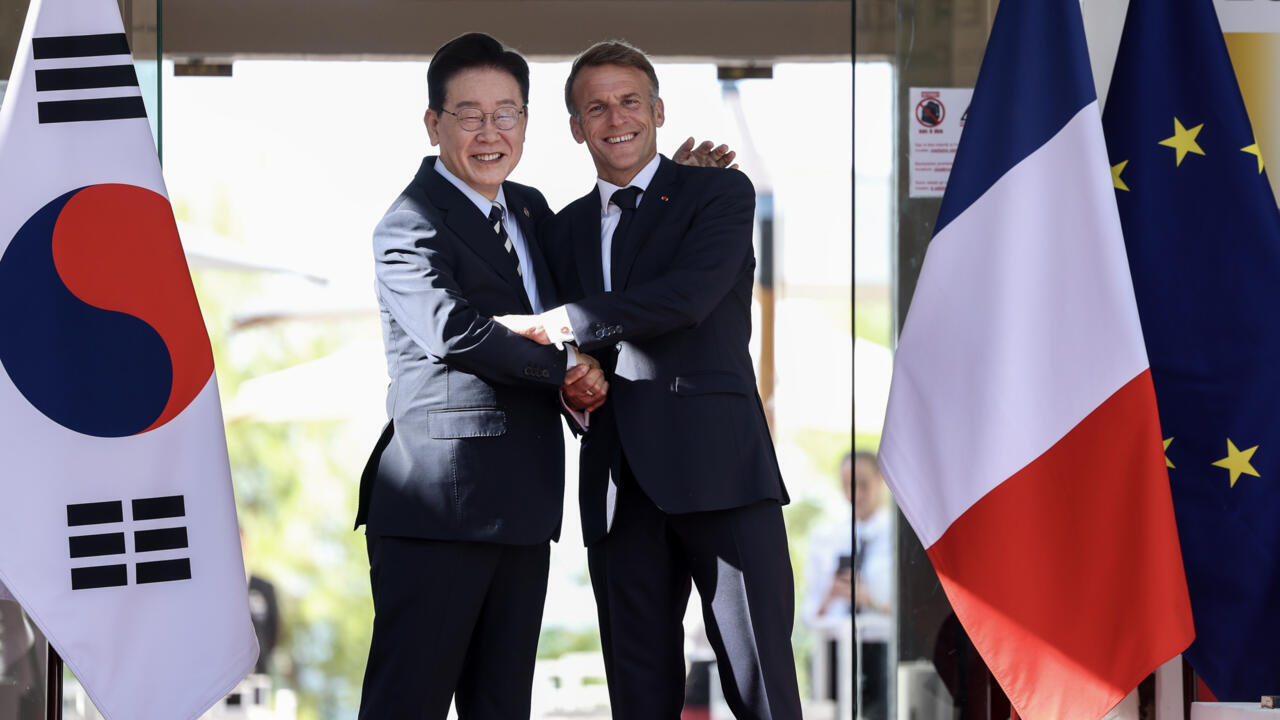
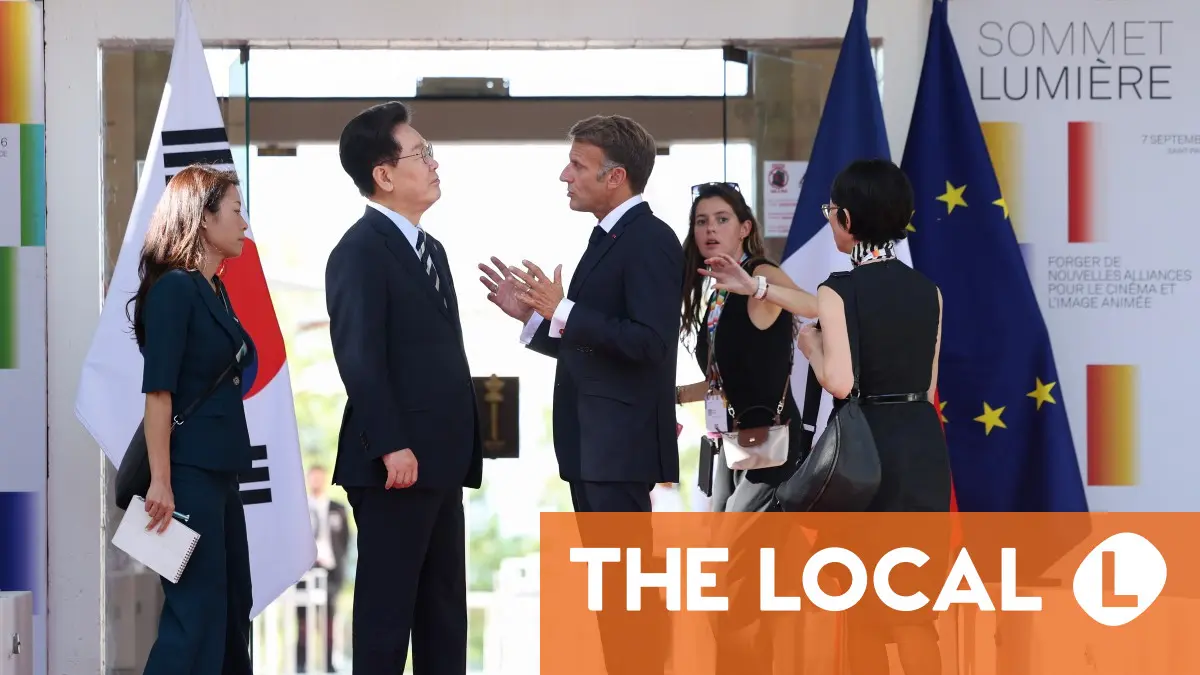
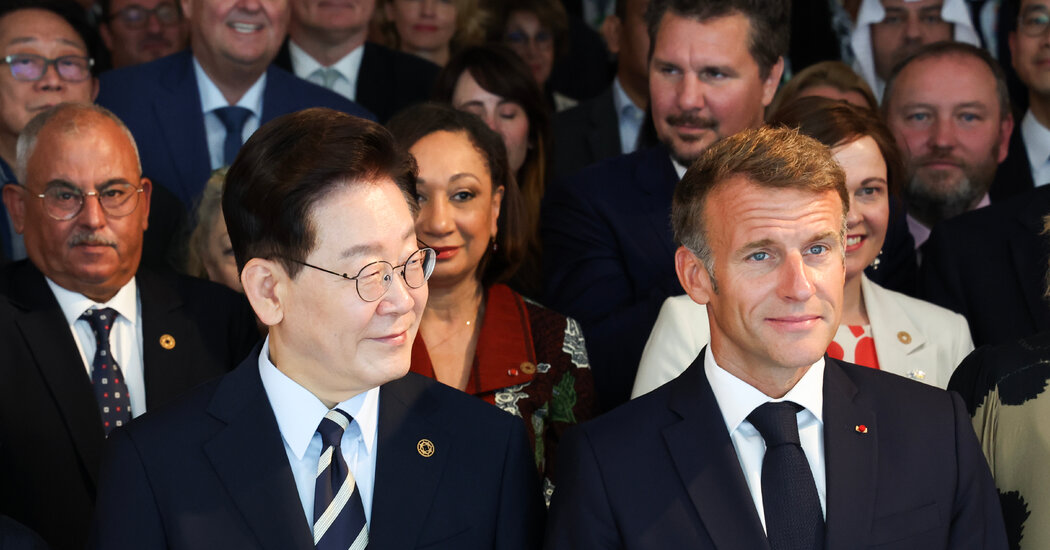
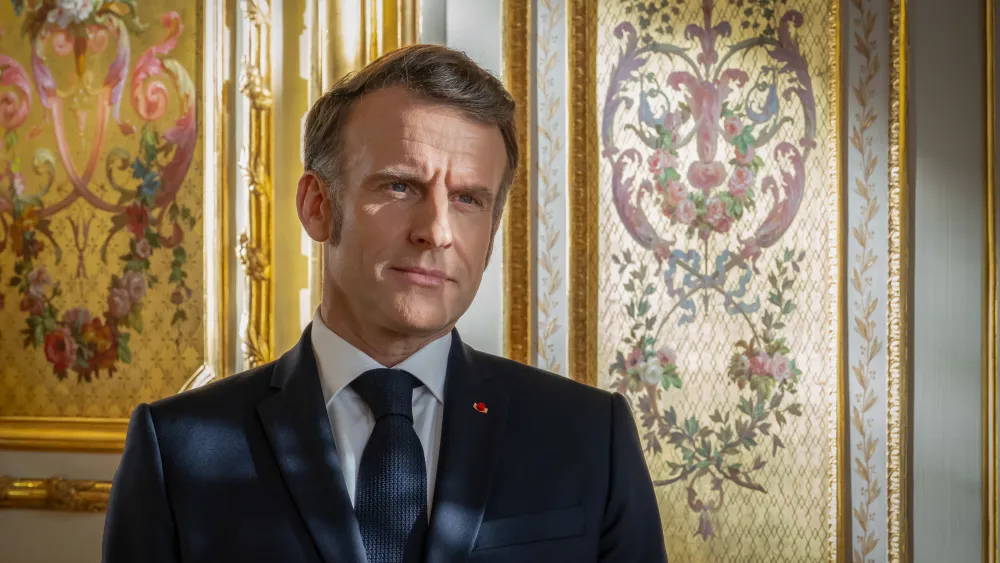
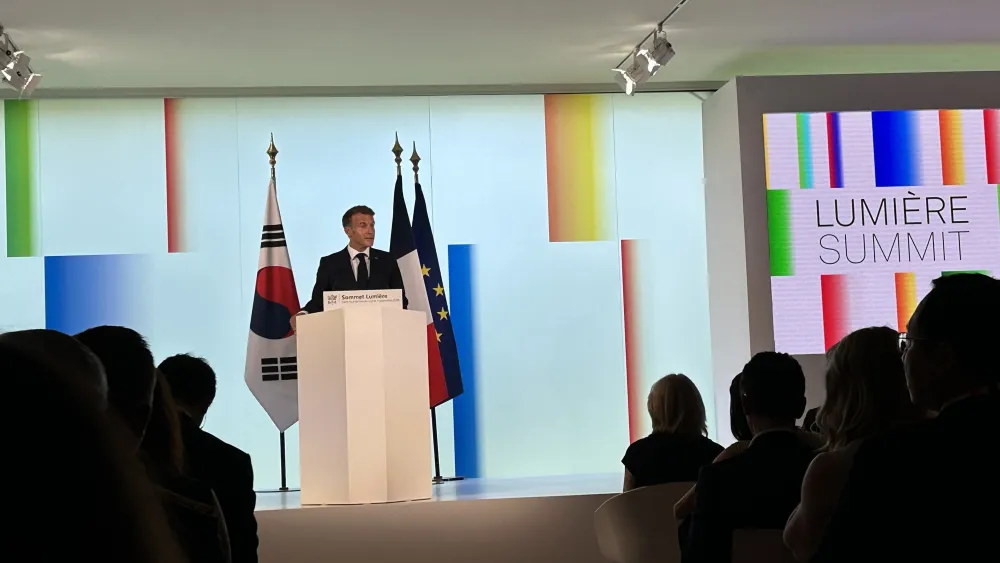
The Lumière Summit, an initiative of French President Emmanuel Macron and the French National Centre for Cinema (CNC), has set itself the ambitious goal of establishing a global governance framework for cinema, television and video game production in the face of what organisers call "unprecedented challenges". "Today, all premium models – cinema, television, streaming, and even video games – are facing competition from low-cost models and a shift in audiences toward free platforms" such as YouTube, the CNC said. The French presidency is also seeking new alliances in the wake of fresh threats from United States President Donald Trump, whose administration wants to target foreign films with tariffs to bring film production back to US soil. Despite the success of summer blockbusters The Odyssey and the latest Spider-Man movie, the global film industry is struggling, weighed down by a 40 percent drop in ticket sales over five years and the rise of streaming platforms, the CNC says. "We find ourselves in a paradoxical situation where, despite unprecedented challenges facing the future of these sectors, we are not seeing the kind of leadership from our American friends that we might reasonably expect," the centre noted. Global meeting The summit aims to define concrete actions to preserve a "common good of humanity", the organisers said. In total, 65 countries will be represented at the Fondation Maeght art centre in Saint-Paul-de-Vence near Nice, which is hosting the discussions. Some of the world’s biggest film distributors are among those invited, as well as culture ministers from several African nations, including Nigeria and South Africa. The project nurturing West Africa's new generation of women filmmakers The event is co-chaired by South Korean President Lee Jae-myung, whose country has produced world-famous filmmakers such as Bong Joon-ho and this year's Cannes Film Festival jury president, Park Chan-wook. "This is not a summit of the 'old world'," the CNC said. "It is a summit that brings together both established players and newcomers." While major US studios such as Sony Pictures, Universal and Disney are absent from this year's biggest film festivals – including the Venice Festival currently underway – they will be represented at the summit. Online platforms Netflix and TikTok will take part too. YouTube’s participation remains uncertain. Navigating an AI future The CNC says they will be announcing a "major initiative" for independent cinema, with the support of big names including Pedro Almodovar, Isabelle Huppert and Jafar Panahi. The summit will also address concerns over the rise of artificial intelligence – a technology that has sparked fears about the impact on jobs throughout the film and TV industries. One of the planned debates will look at how the sector can navigate this transformation "proactively rather than passively" by finding a balance between exploring the technology while respecting intellectual property. ‘By humans, for humans’: French dubbing industry speaks out against AI threat The Venice Film Festival's artistic director Alberto Barbera earlier this week acknowledged the danger but also the creative capabilities of the emerging technology. "There's both danger and advantage. The fact is that up to now we've seen a great many interventions on artificial intelligence driven by fear, by concern over the negative impact AI might have on the whole of humankind, on professional aspects, on copyright, on artists' image and so on and so forth," he said. But at the same time, the technology enables artists and directors "to achieve things that until now were not possible", he added. The closing session of the summit will see the launch of an international initiative to promote tools to train young generations on "visual literacy" and critical thinking skills. (with AFP)