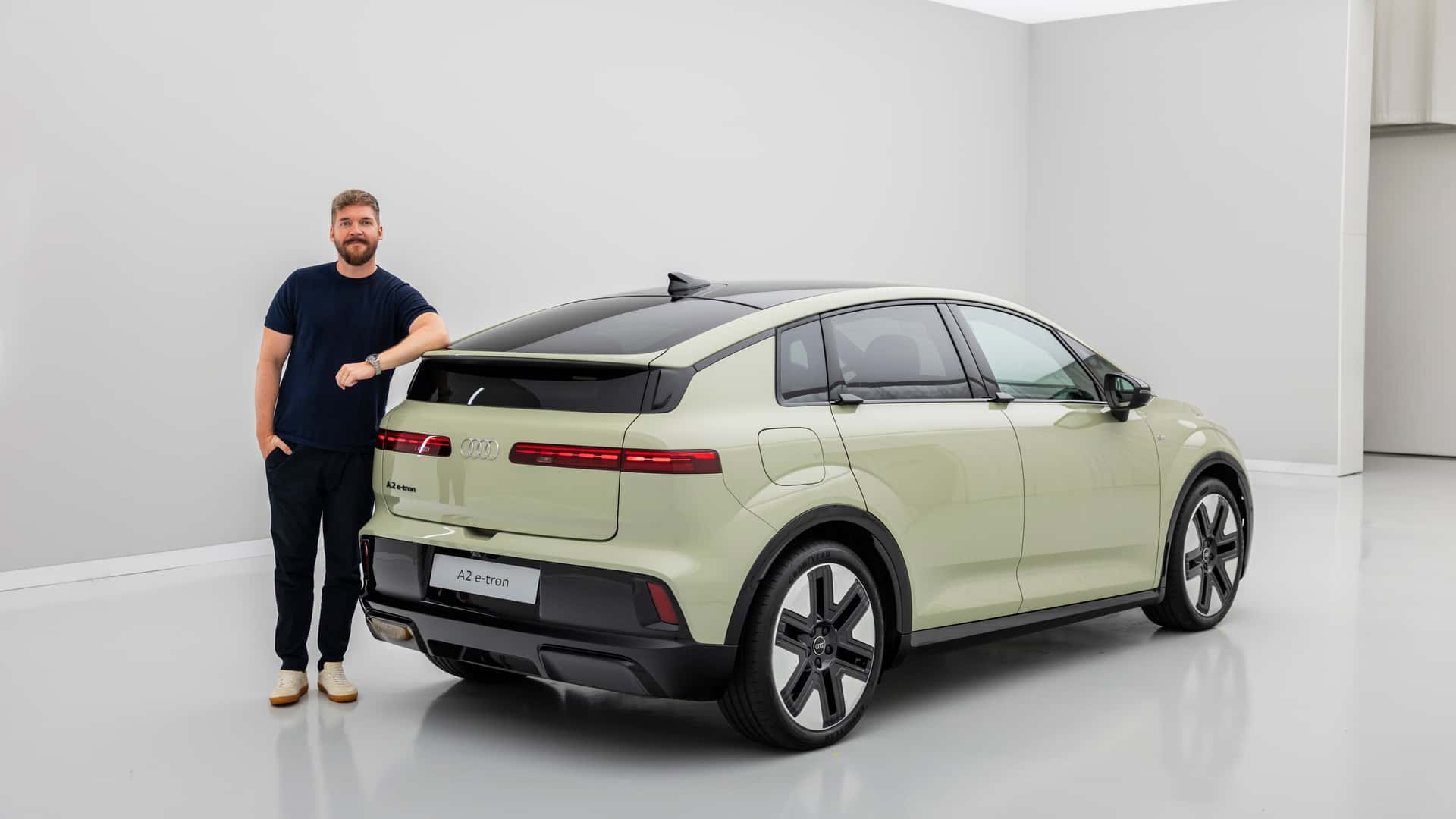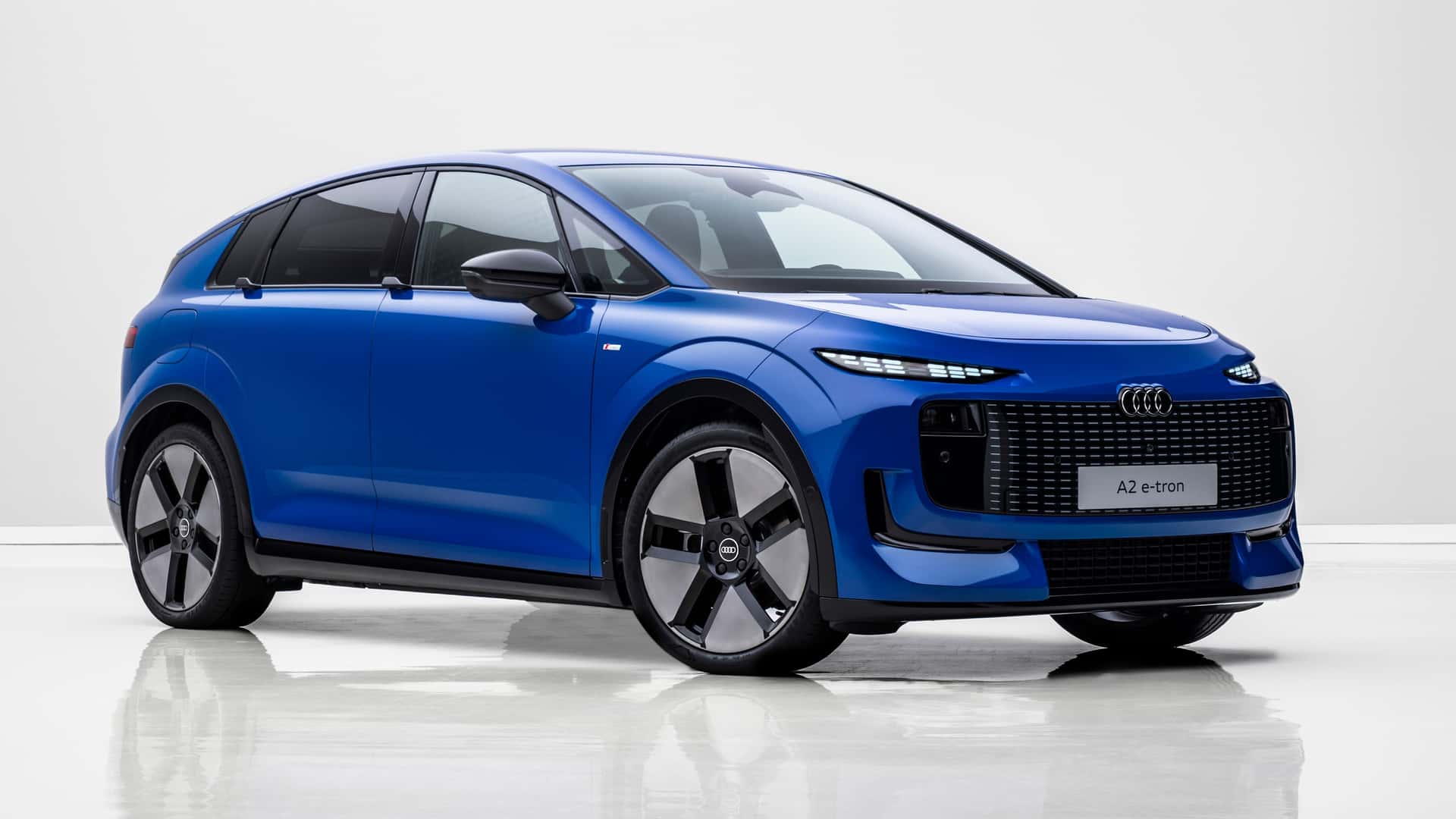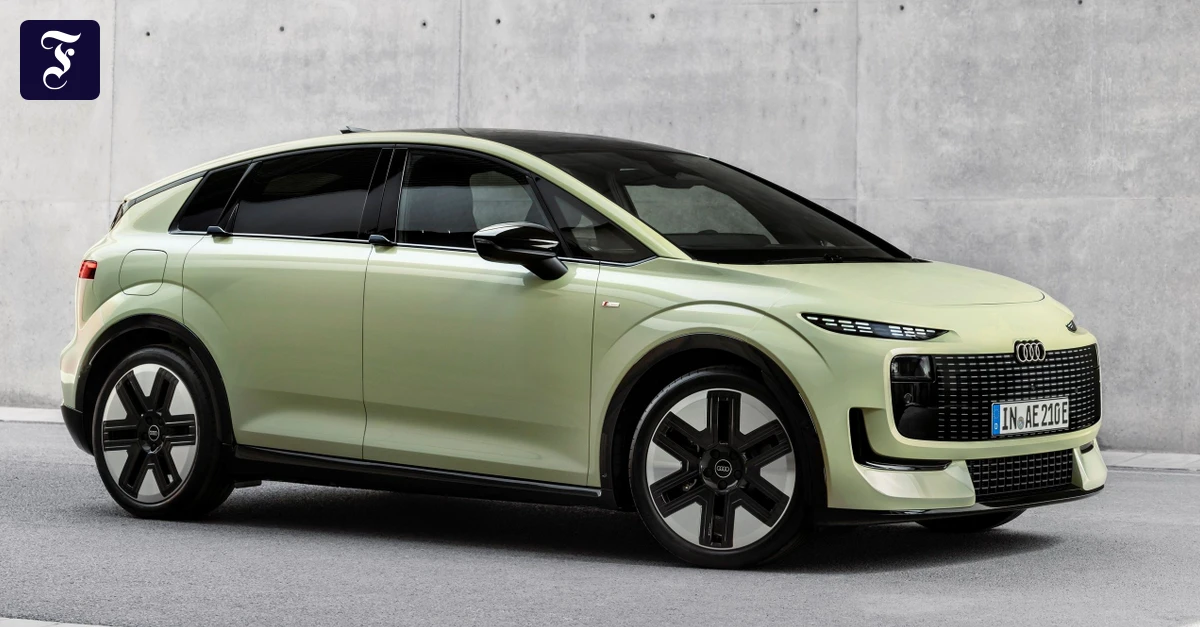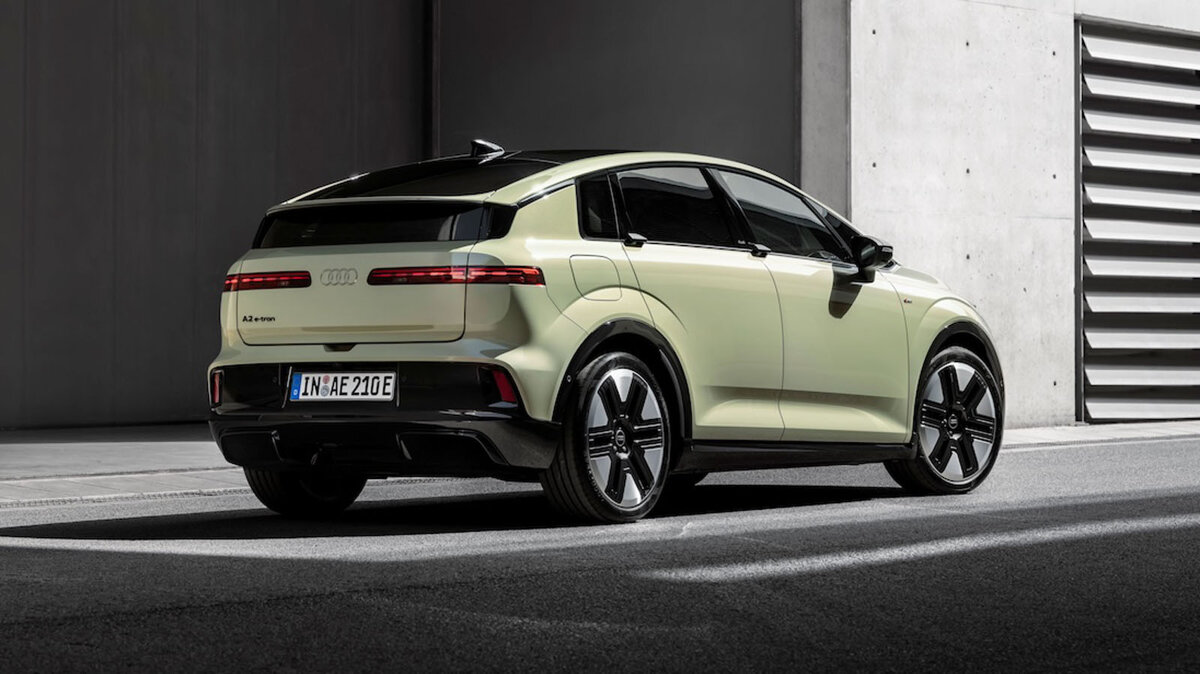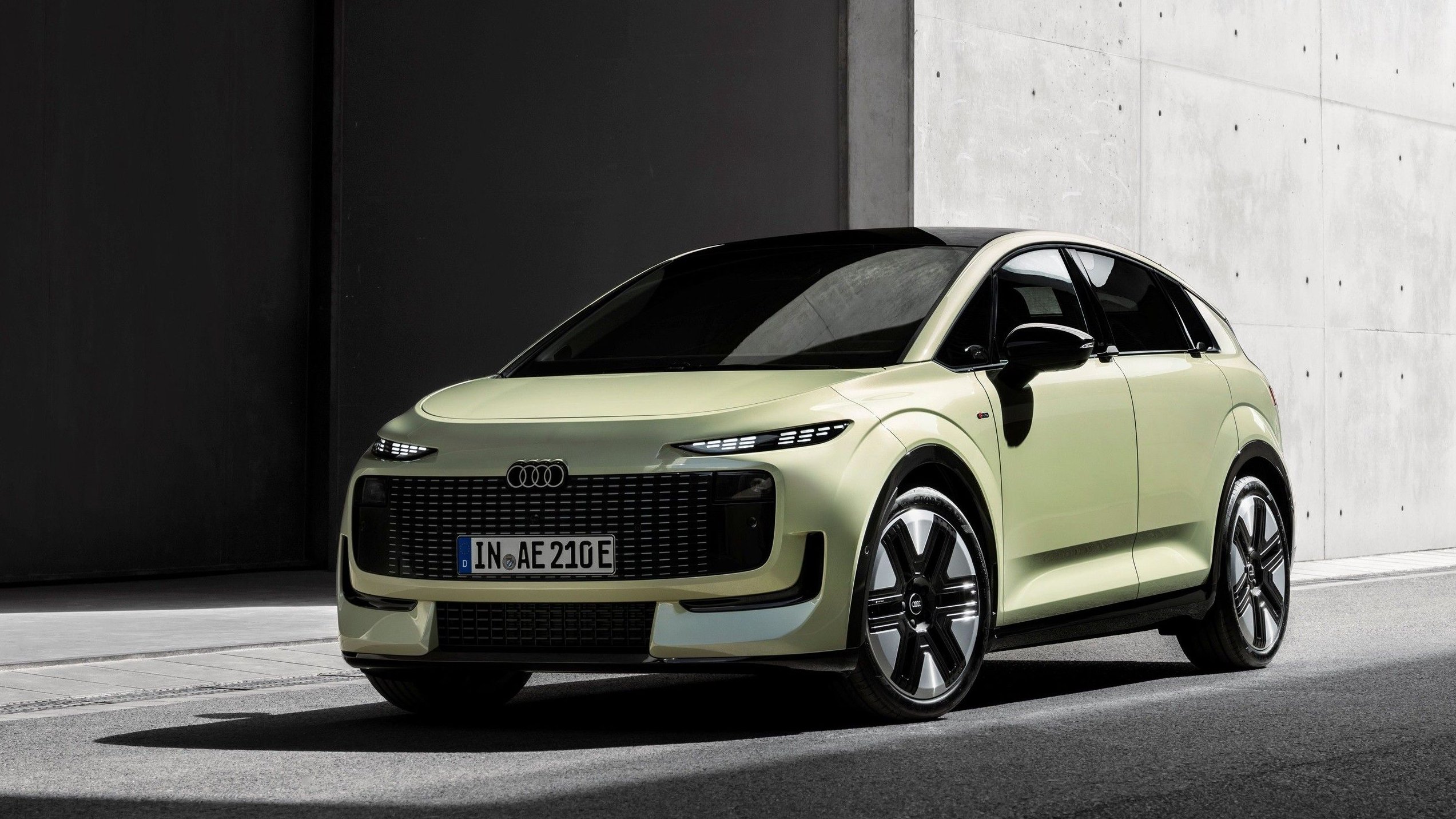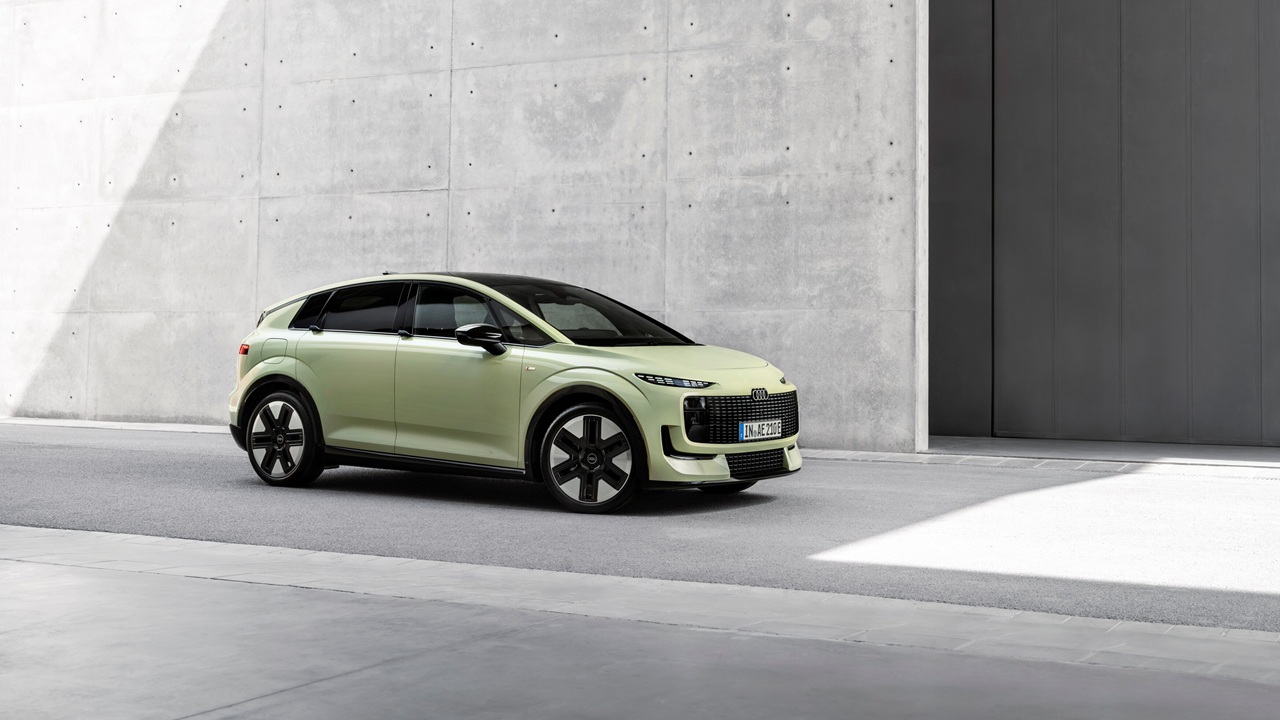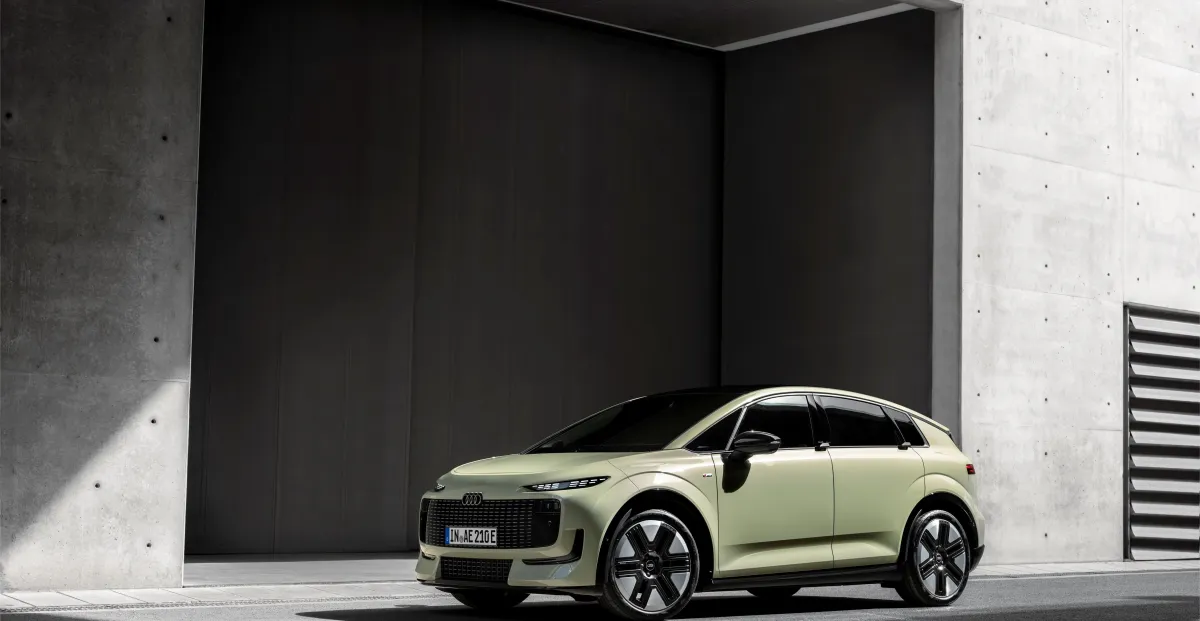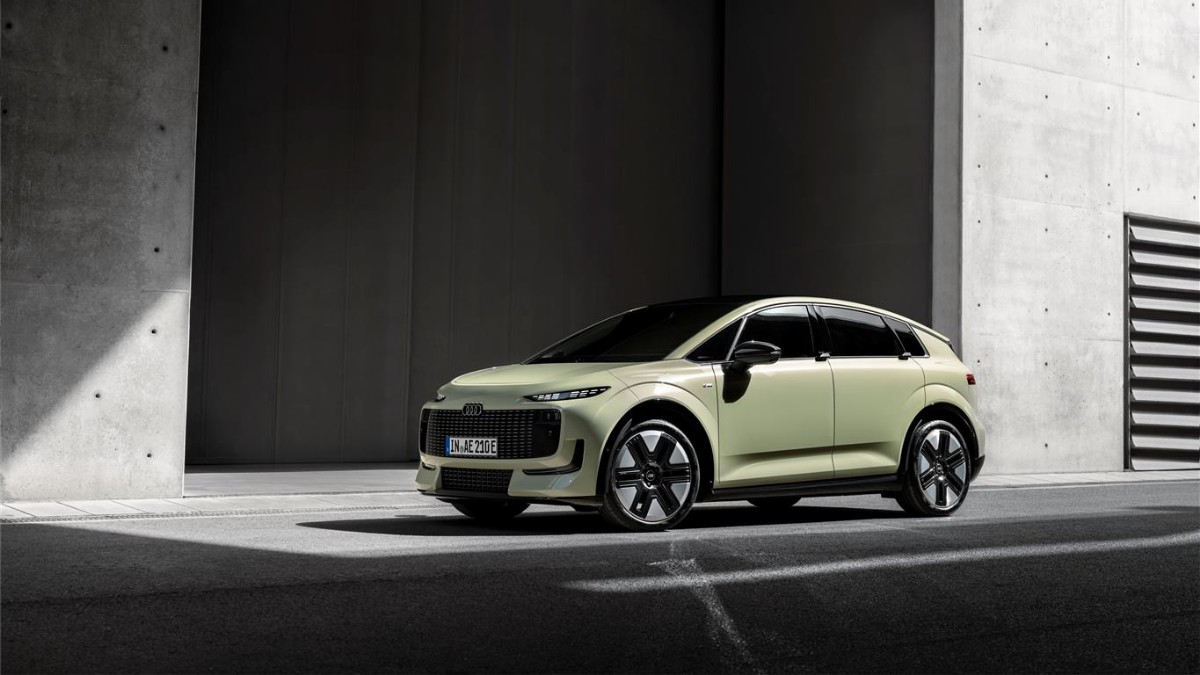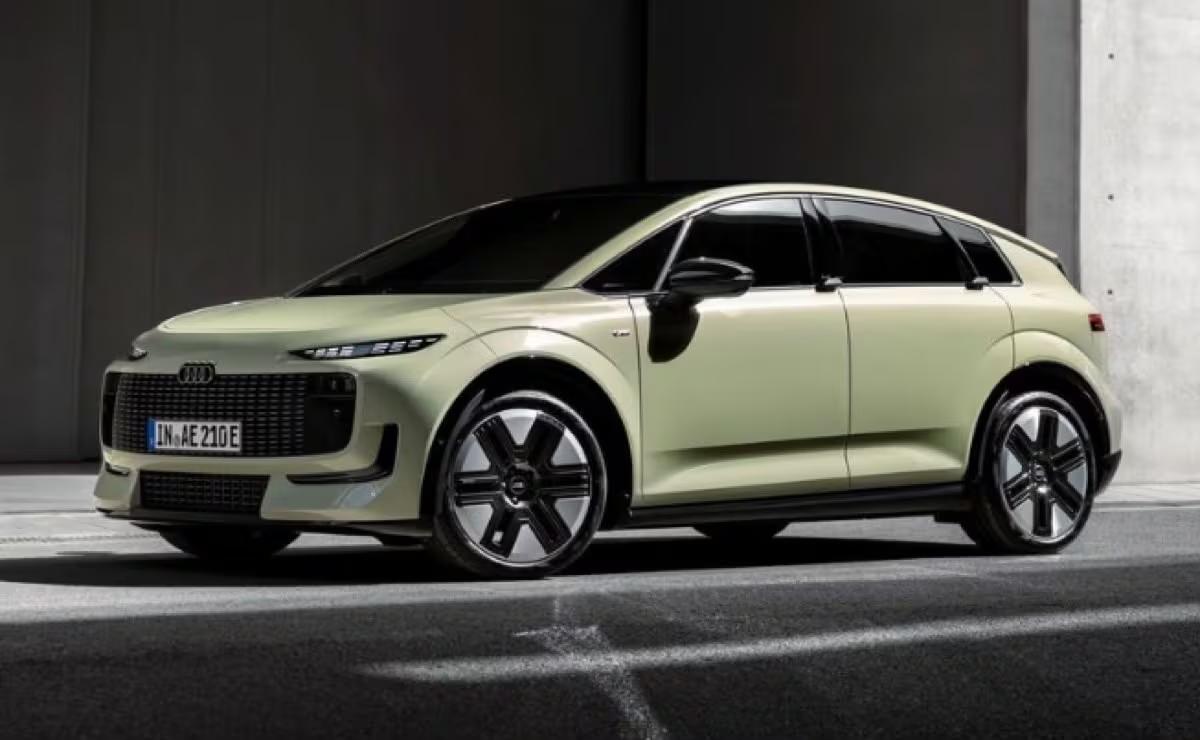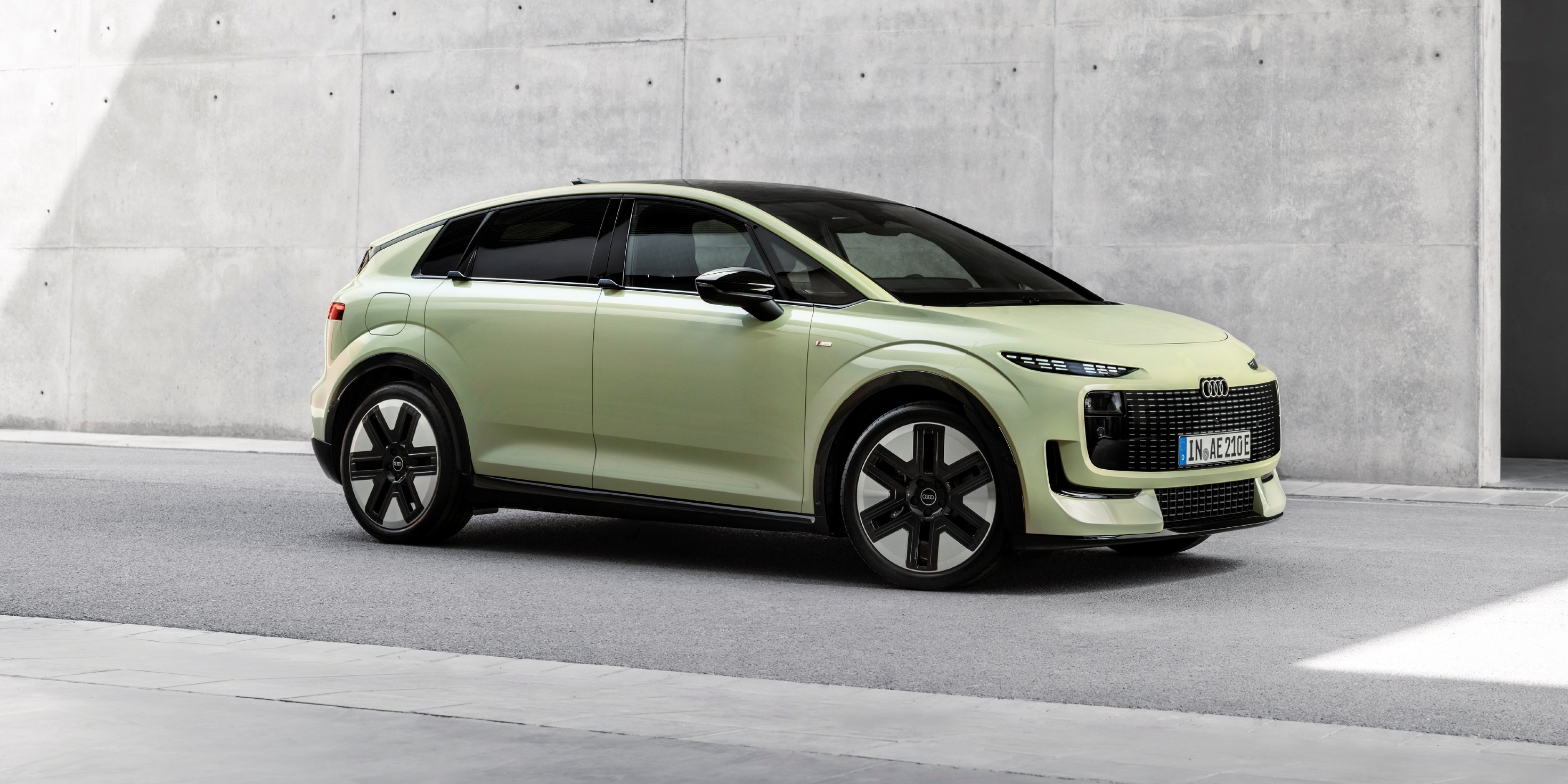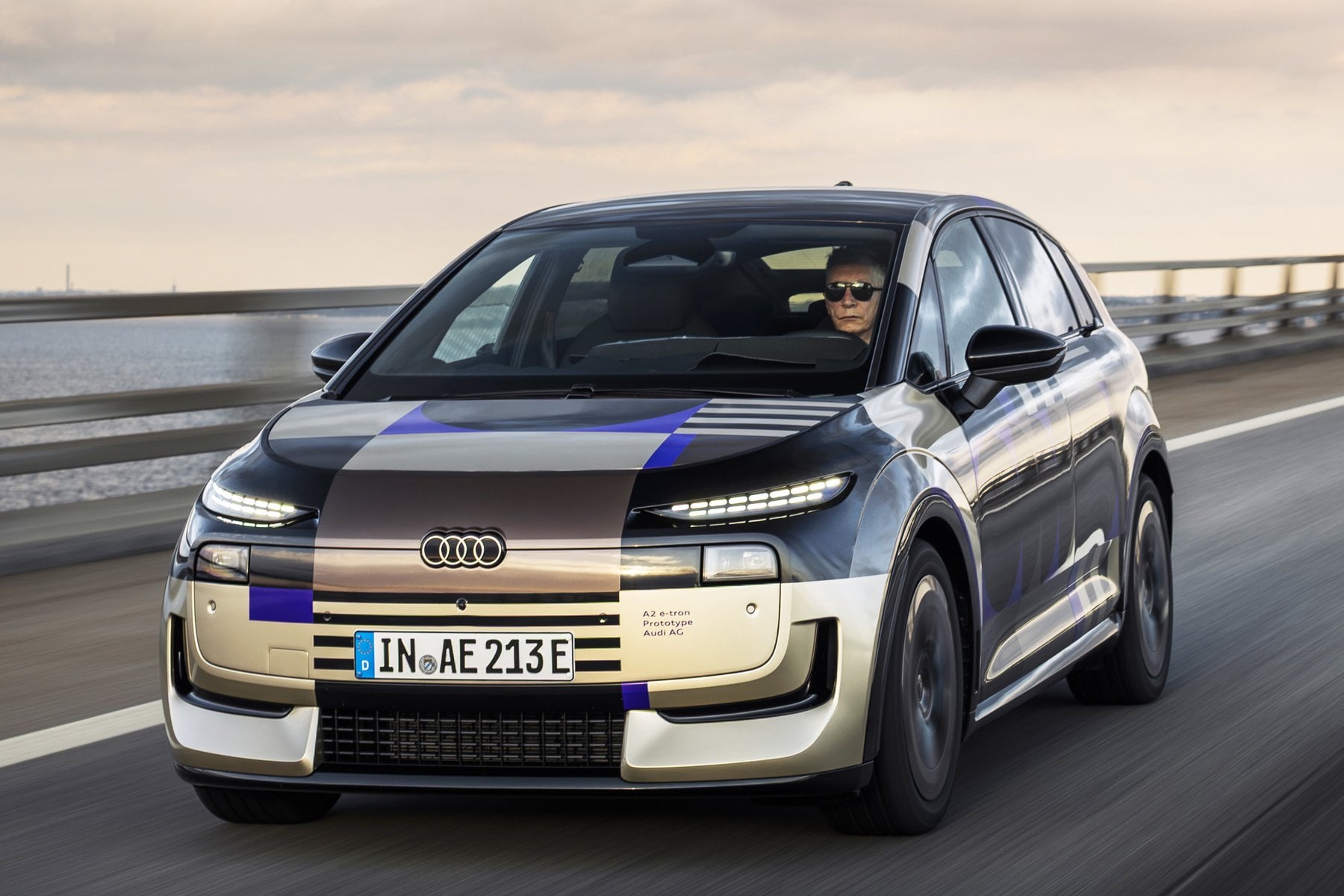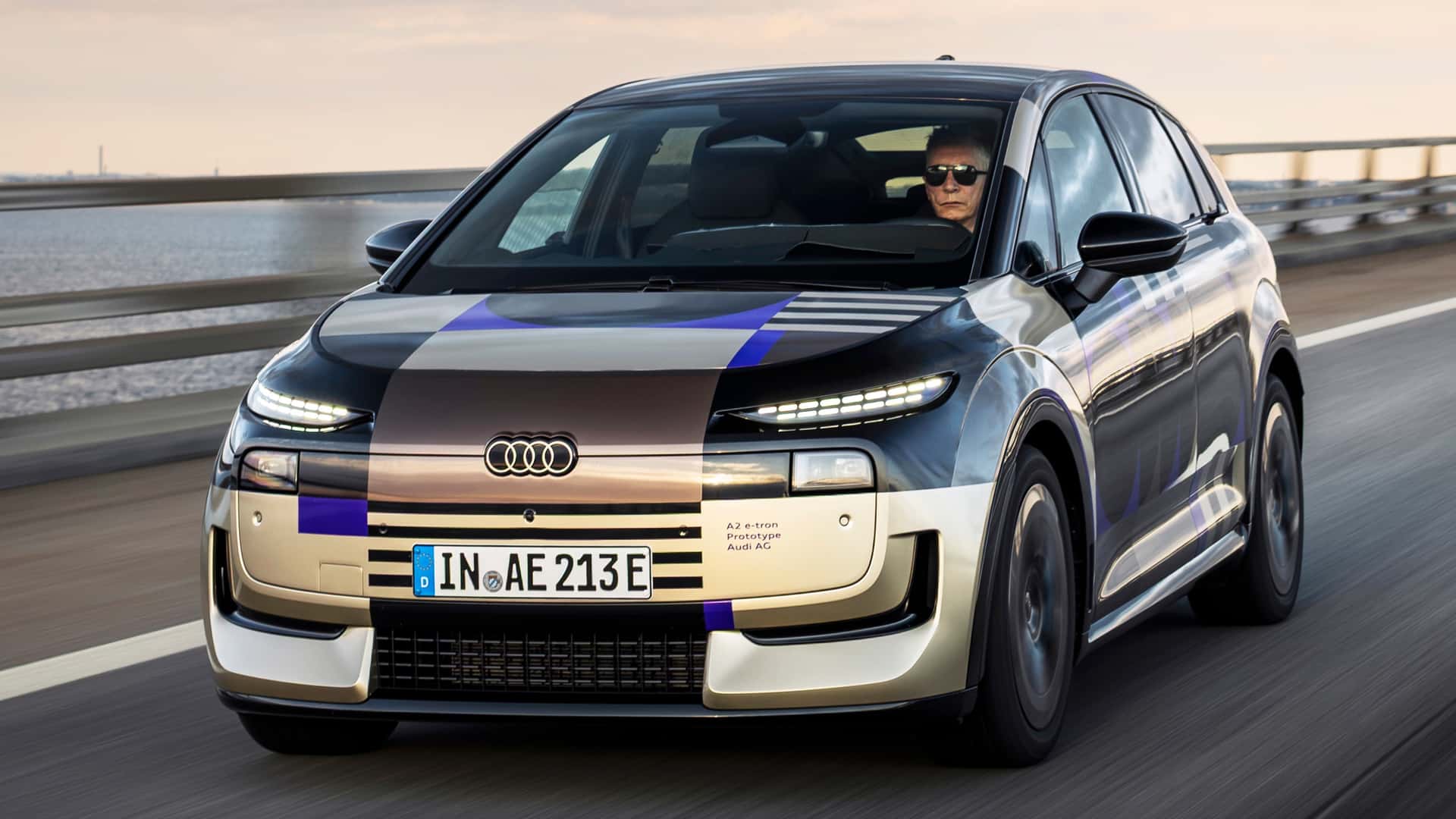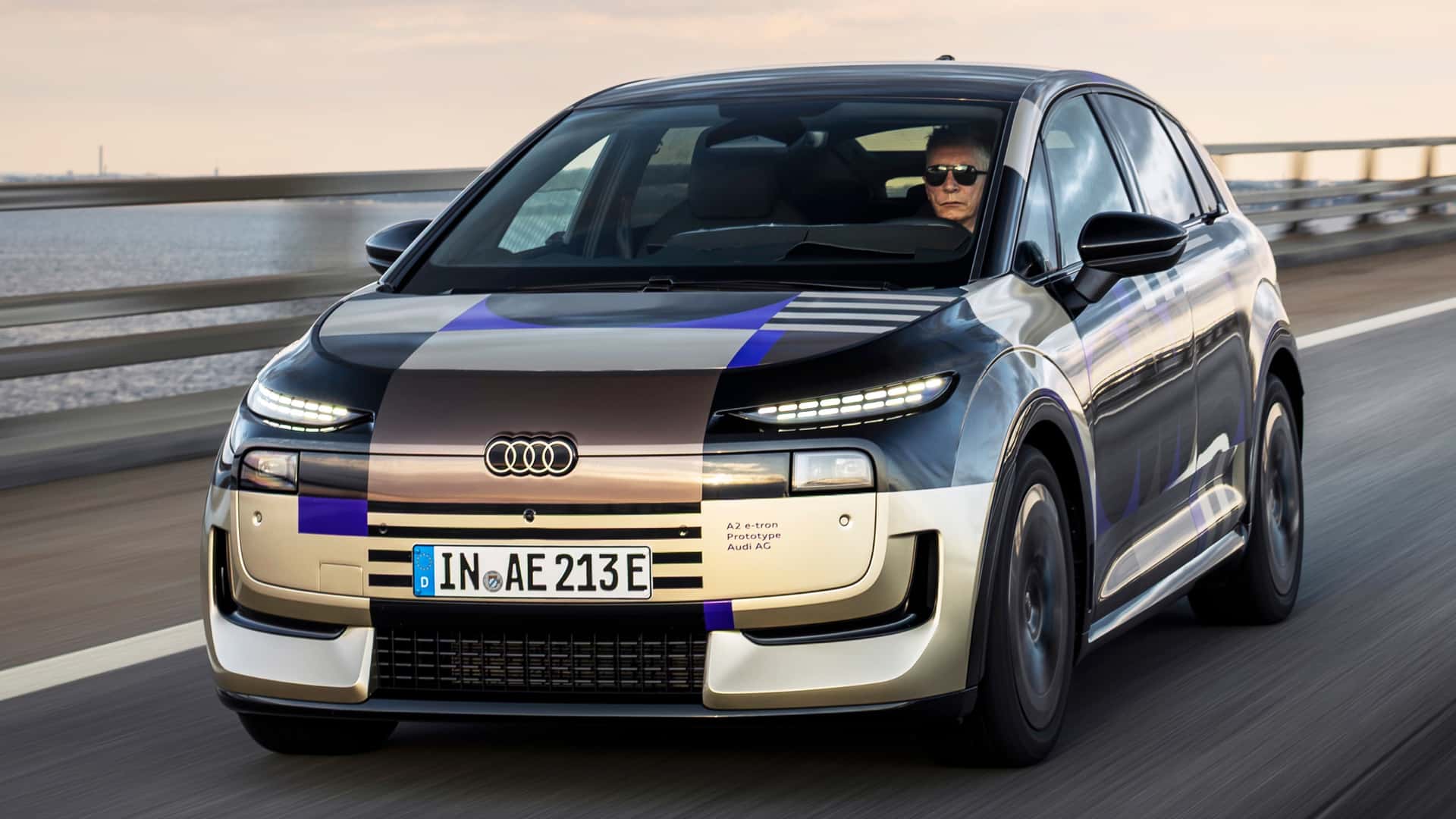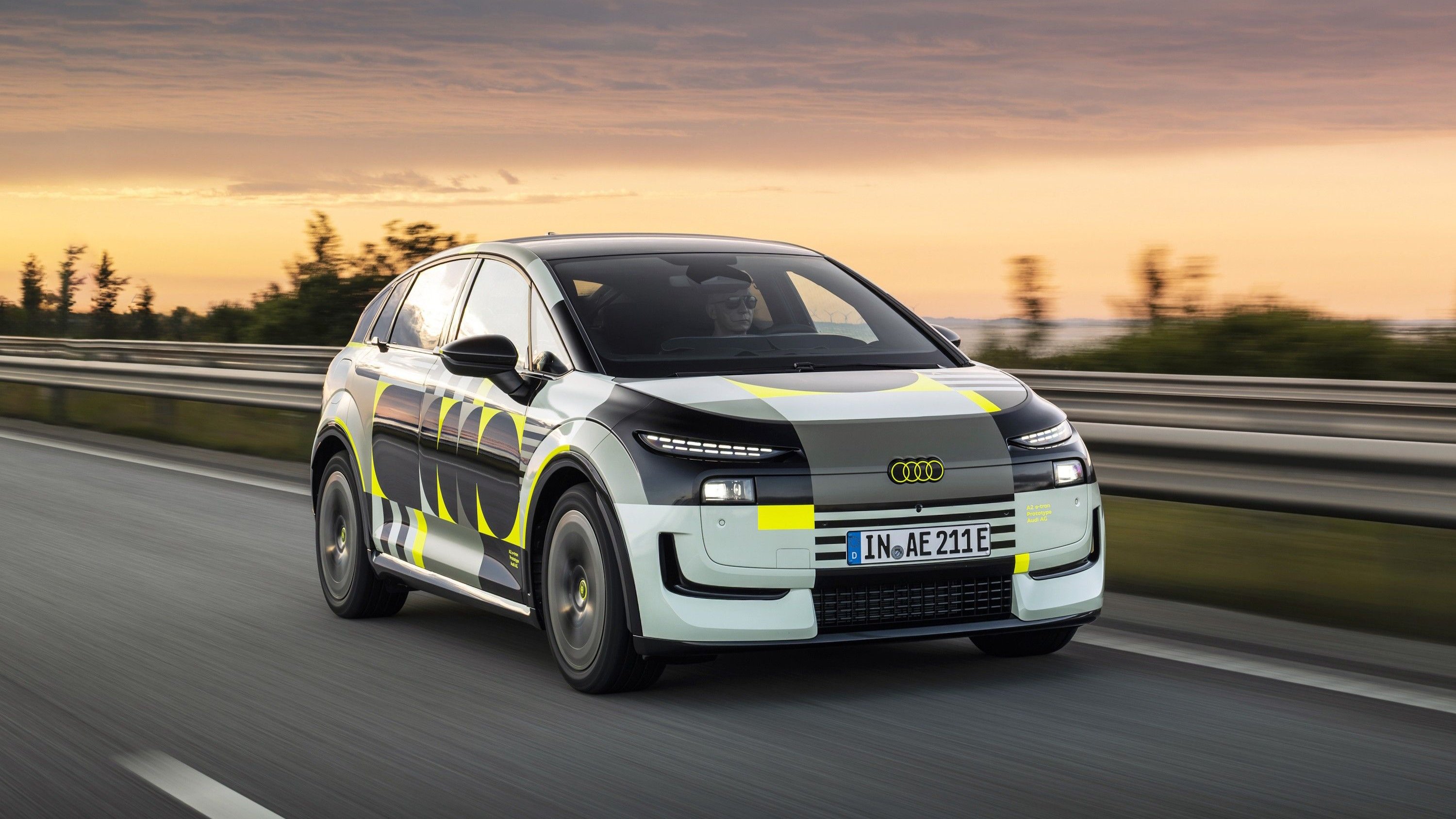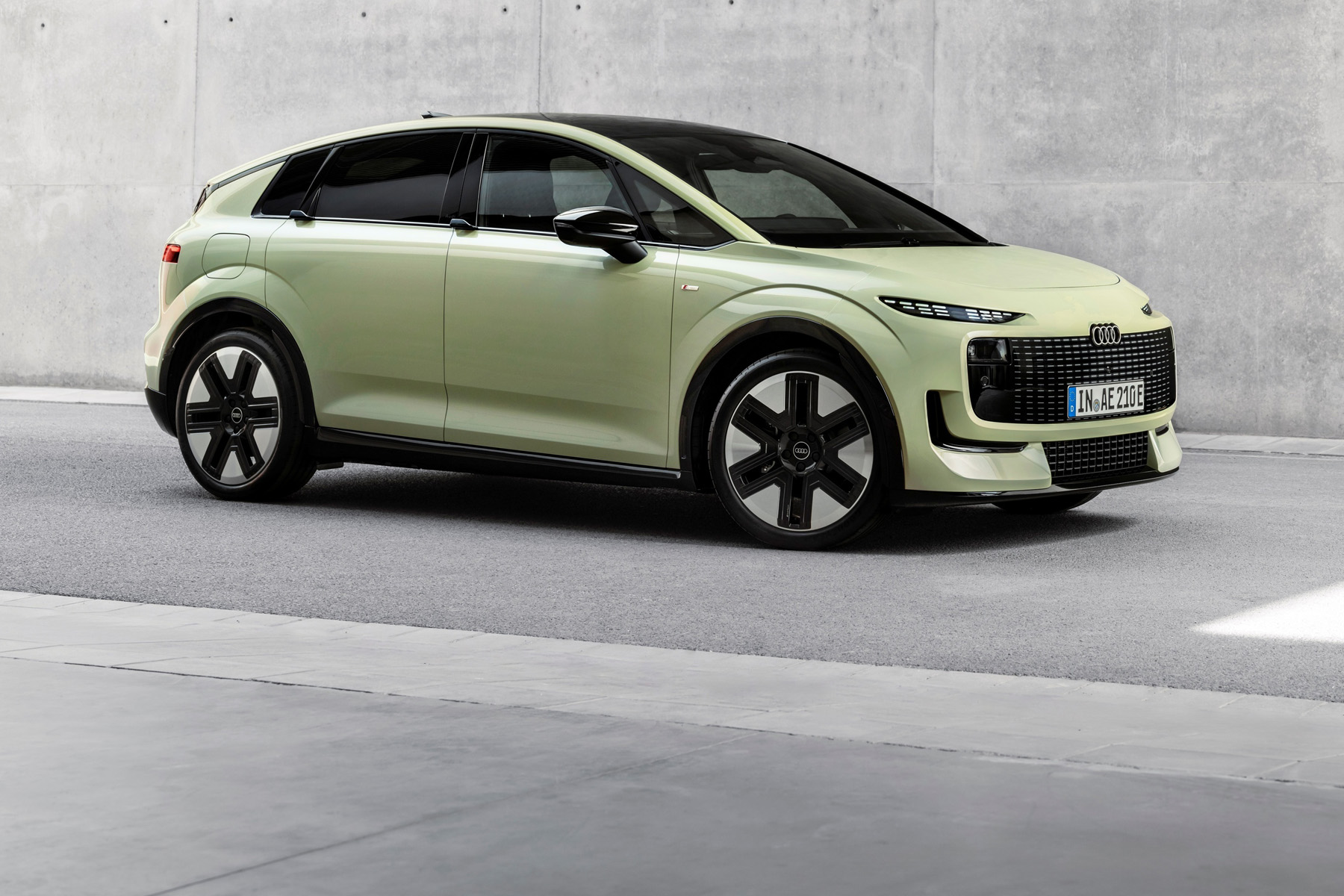
Economically, the Audi A2 compact car was a loss-making exercise for the German carmaker. Its aluminium body made production too costly, and its aerodynamic design proved too controversial. That said, the A2 became a symbol of an era when Audi’s brand claim, “Vorsprung durch Technik” – meaning “progress through technology” – still carried real weight. Now, unveiling the A2 e-tron over 20 years later, Audi has succeeded with a new design that still pays homage to the original compact car, especially from the side view. With its high efficiency and bidirectional charging, it also offers compelling practical benefits. In Germany, prices for the complete package start from 38,200 euros.
Audi urgently needed the A2 to expand its electric portfolio into the affordable price range. Exclusively focusing on premium vehicles can be problematic, as Mercedes has found out the hard way. Audi is fortunate enough to be able to leverage the MEB+ platform from Volkswagen Group. The manufacturer, however, omits any mention of this fact, as if it were somewhat embarrassing.
400-volt system, traction battery in three sizes
The framework data has already been made public and resembles that of the VW ID.3 Neo, offering batteries with 52, 61, or 84 kilowatt-hours (kWh). These figures are gross values, and the actual usable capacities, derived from the ID.3 Neo, are 50, 58 and 79 kWh. The small and medium versions feature the famously durable and safe LFP cells, which are directly integrated into the crash housing (cell-to-pack) to compensate for the lower energy density of this chemistry mix. The large version uses NMC cells with a cathode mixture of nickel, manganese, and cobalt.