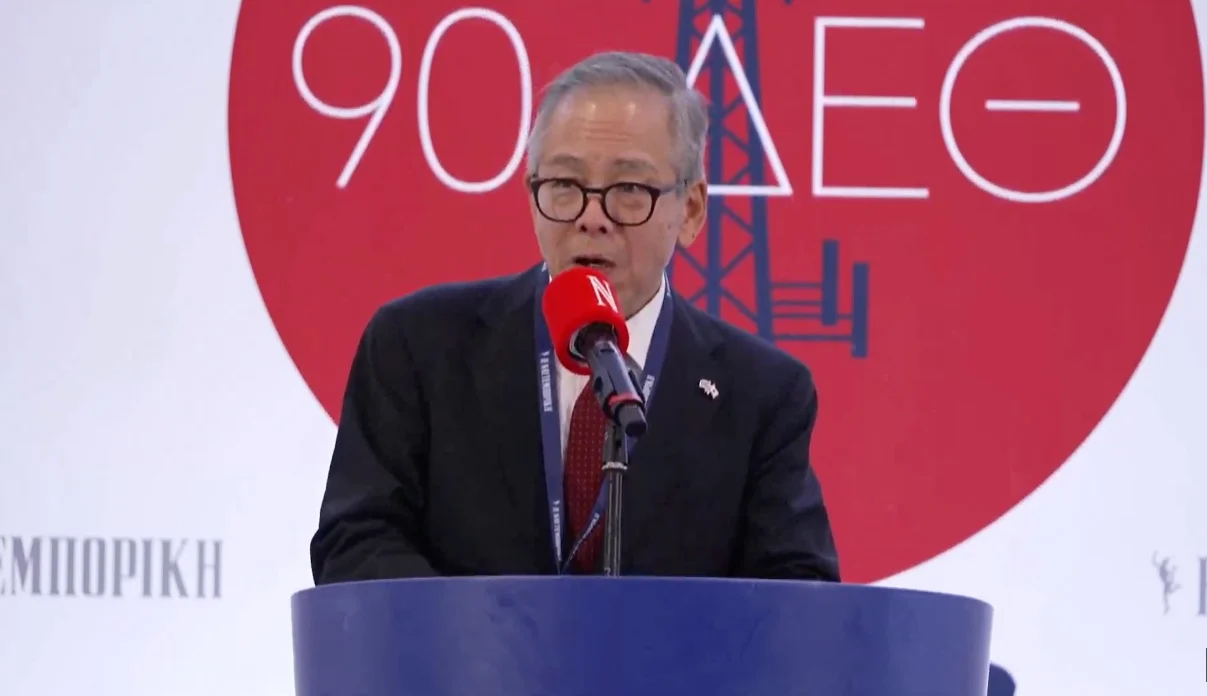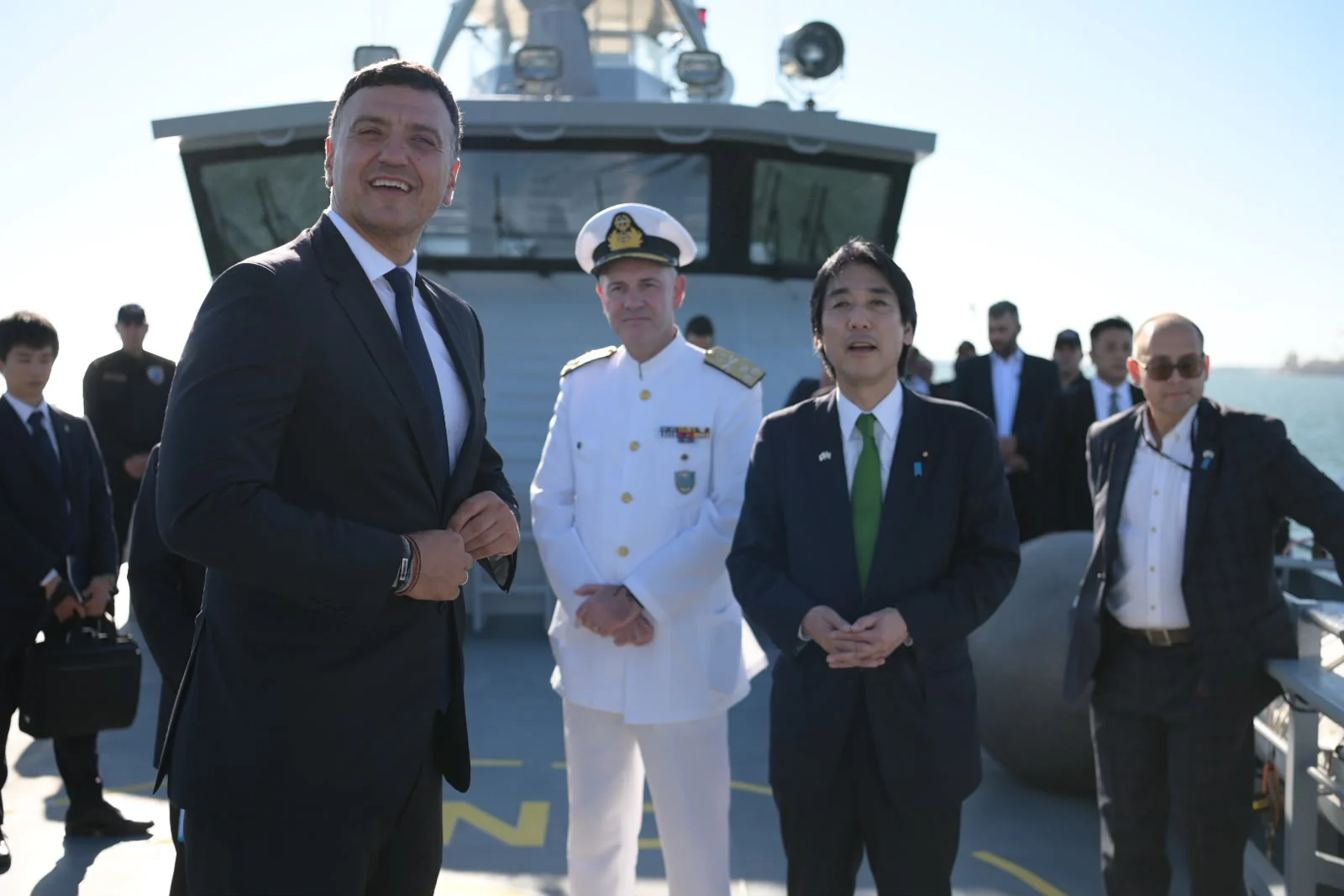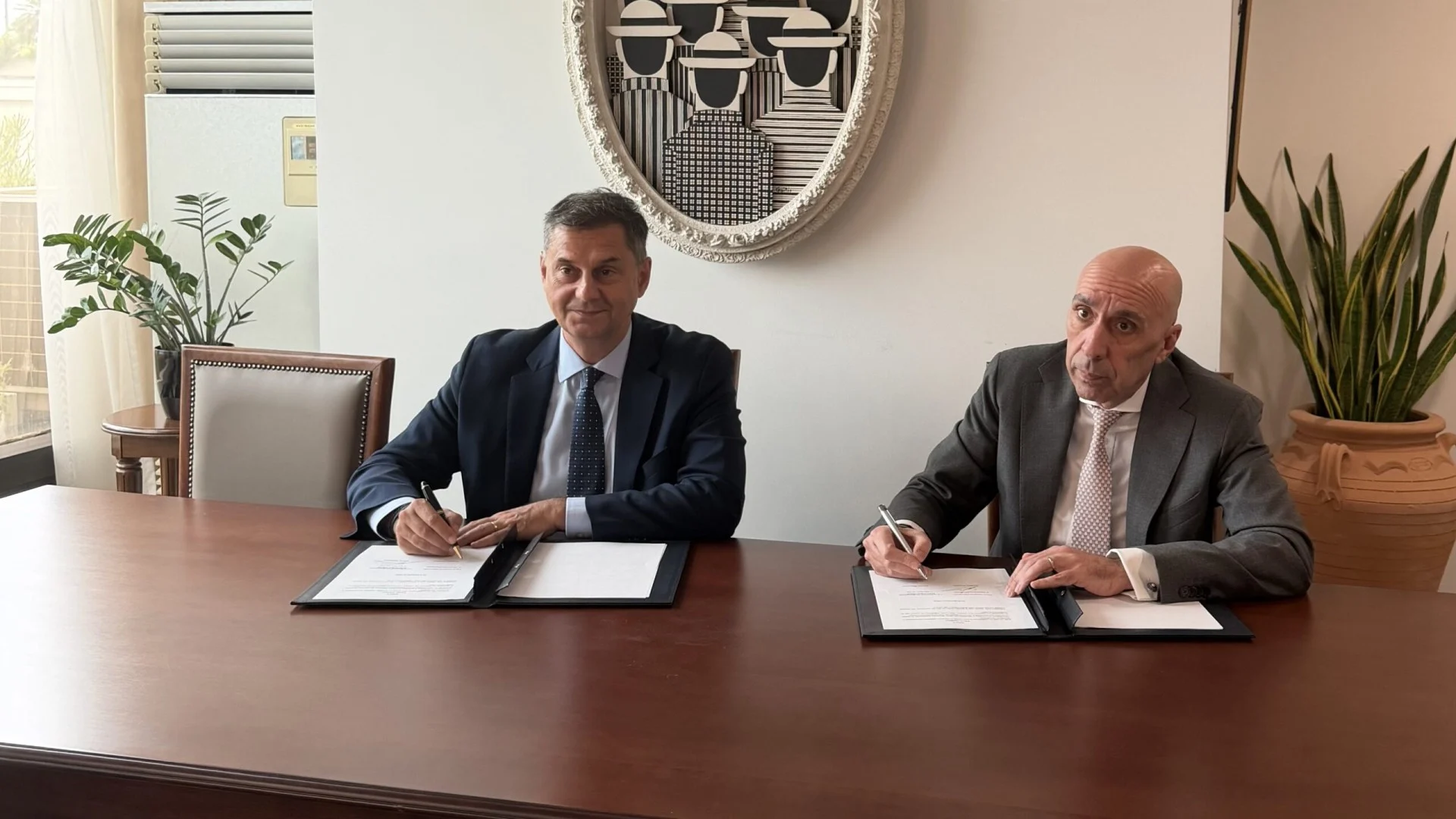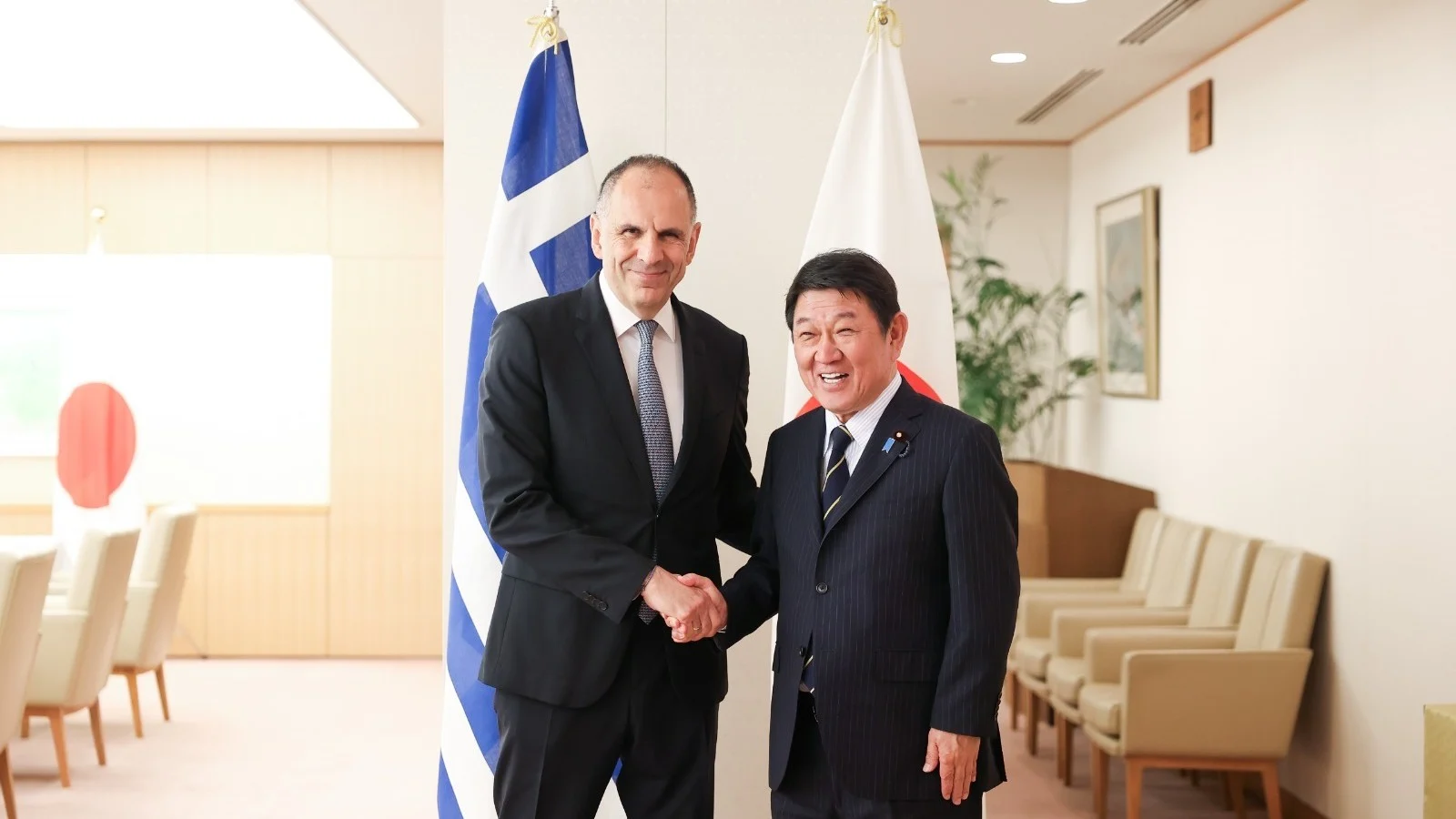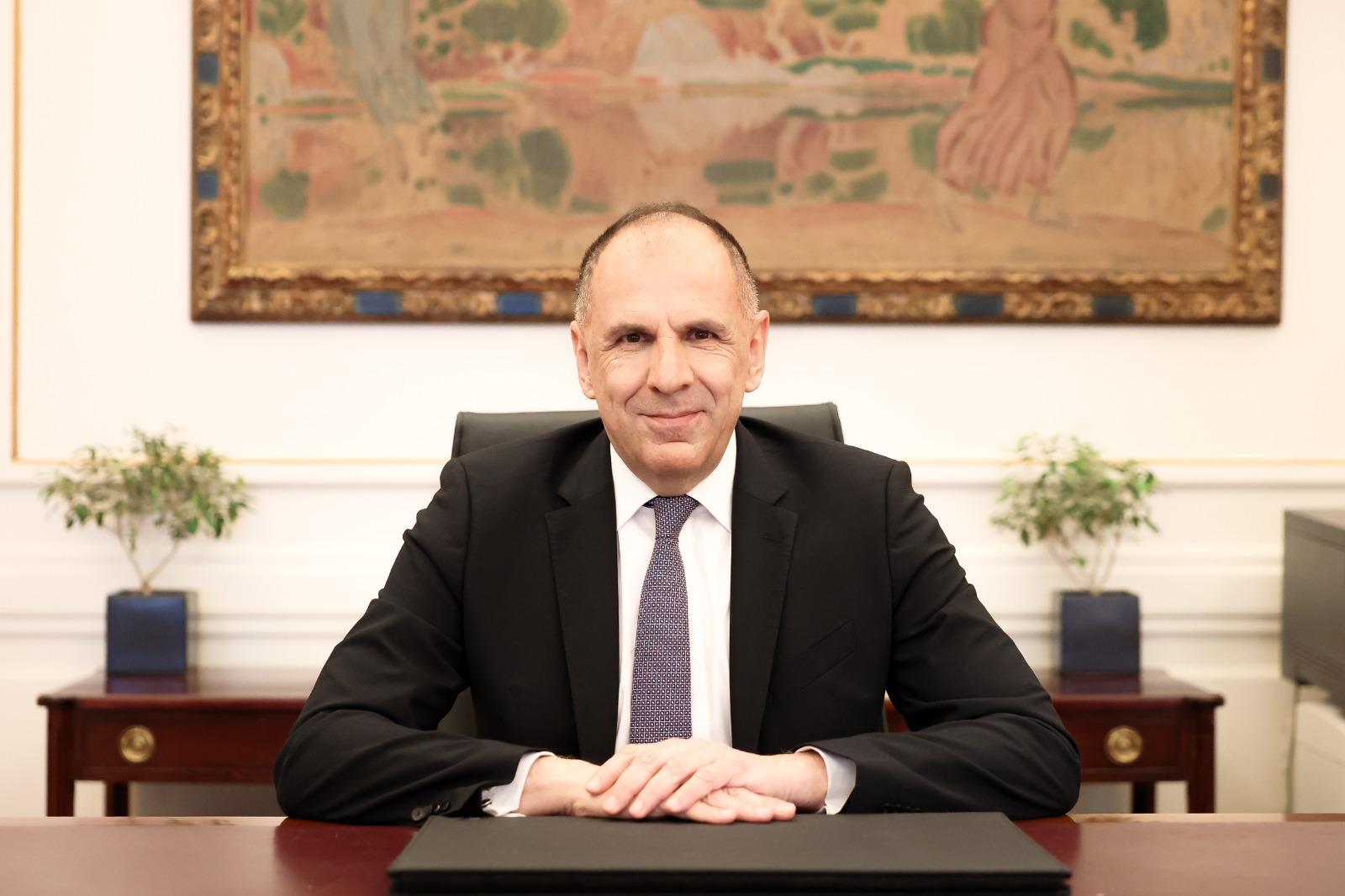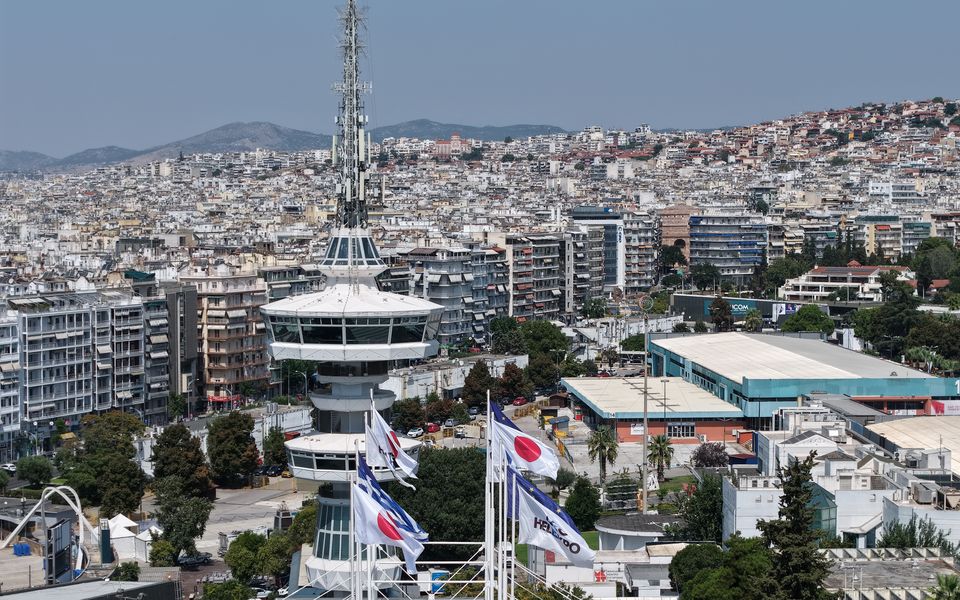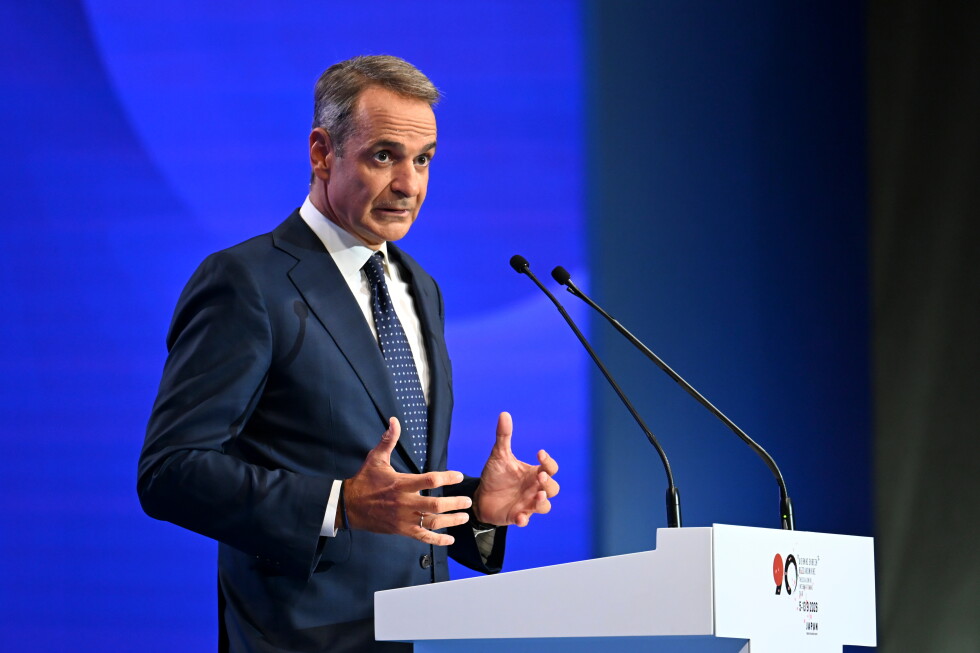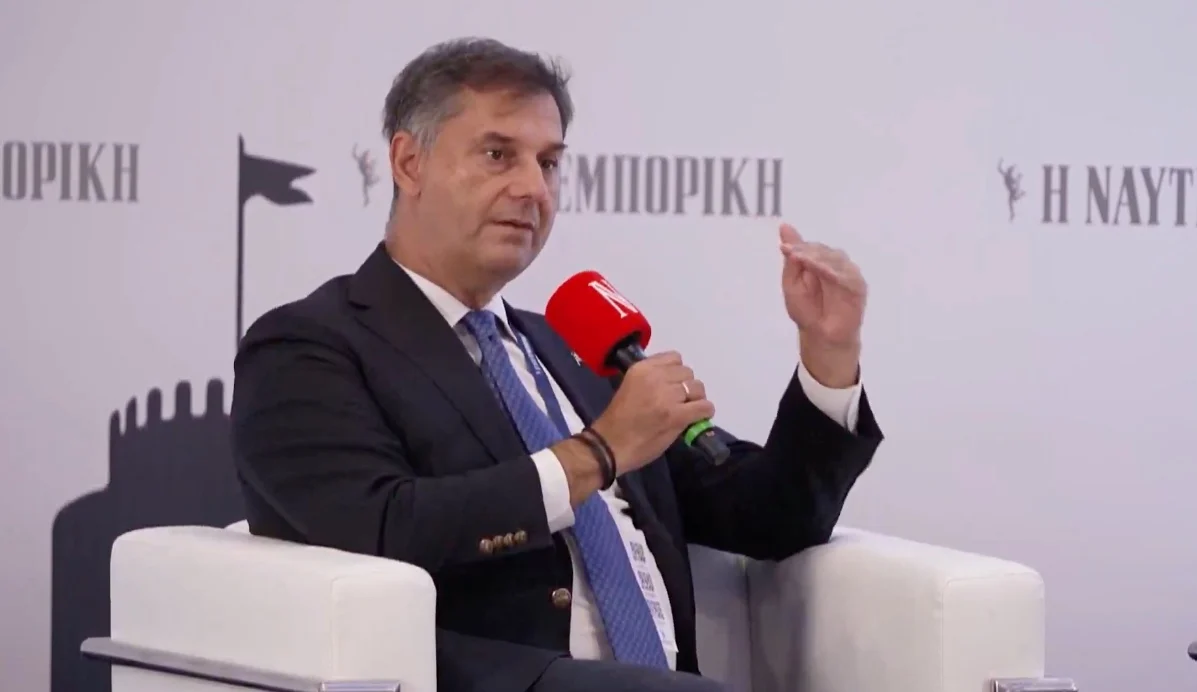
Deputy Minister of Foreign Affairs responsible for Economic Diplomacy and Extroversion Haris Theoharis highlighted the strategy to strengthen the outward orientation of the Greek economy and further develop economic and business ties between Greece and Japan at Naftemporiki’s 2nd N-TIF Forum.“Greece and the competent ministry created, for the first time, a specific five-year strategic plan aimed at strengthening the outward-oriented activity of Greek businesses and the Greek economy.”According to Theoharis, outward orientation is an important component of the productive transformation of the Greek economy. At the same time, he stressed the need to create stronger businesses capable of responding to the pressures and demands of international markets, remaining strong and sustainable, and seeking opportunities not only in Greece and Europe but across the wider world.As part of the preparation of the strategic plan, he explained, 70 countries with which Greece has trade and economic relations were assessed on the basis of a range of indicators. These included market compatibility, market size and growth prospects, as well as gaps identified in existing imports and exports.The assessment covered both investment and trade, with Japan, according to Theoharis, ranking among the top 10 countries on which greater emphasis should be placed. “Japan stood out as one of the countries on which we should focus and with which we should pursue more business activity,” he said. As he noted, as a result of this strategy, Japan is now the honoured country at the Thessaloniki International Fair, while the operations of the Greek embassy and economic offices in the country are also being strengthened. He made particular reference to the participation of Japanese high-tech companies in the event, noting that Greece has likewise highlighted a number of high-tech companies operating across different sectors. These include businesses in the defence sector, as well as the broader shipping and shipbuilding industries. As he clarified, cooperation is not limited to shipowners, but also extends to companies involved in the supply of materials, shipbuilding and related activities. He also referred to other sectors with significant potential for cooperation, including tobacco and pharmaceuticals, noting that there is scope for further strengthening bilateral ties. “Cooperation already exists, but we need to encourage the two countries and our two economies to create more connections,” Theoharis stressed, highlighting the need to further develop business and investment ties between Greece and Japan.Theoharis also referred to the importance of foreign investment for the Greek economy, with reference to JTI’s investment in tobacco company SEKAP, as well as the growing presence of Japanese companies in Greece. As he said, “SEKAP needed significant investment, not so much in terms of capital, but primarily in terms of know-how and people who would have confidence in the company’s potential, the local community and tobacco growers.” At the same time, the aim was to address the gaps created by the company’s prolonged period of stagnation.The Deputy Foreign Minister noted that since the investment was made, the local community has experienced significant development, while new innovations and new products have been created. As he explained, this development also gives JTI the opportunity to test new products and develop a new business segment. “It is to a large extent a win-win and important partnership between SEKAP and JTI,” he said, highlighting the positive contribution of investments of this kind.Referring specifically to Japanese investment in Greece, Theoharis noted that following the prime minister’s visit to Japan in 2023, there has been a significant increase in Japanese companies’ interest in the Greek market. As he explained, Japan has a larger economy and larger companies, meaning that the investment capital sought by Japanese businesses is not always easy for the Greek market to absorb.At the same time, he expressed optimism about the prospects for bilateral economic cooperation, noting that over the past six to seven years Greece has placed particular emphasis on economic growth, following a period of major economic difficulties. As he assessed, this trajectory “bodes well for the future” and could create the conditions for even greater economic cooperation between Greece and Japan, particularly in investment.
Theocharis sees strong Japanese investment interest in Greece
“Greece and the competent ministry created, for the first time, a specific five-year strategic plan aimed at strengthening the outward-oriented activity of
705 words~3 min read