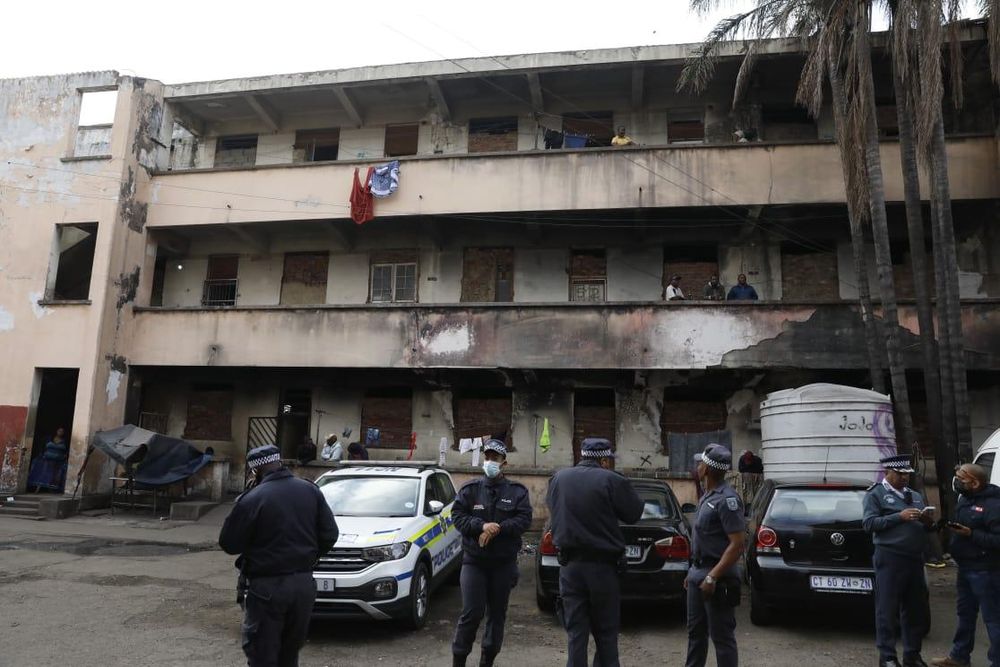
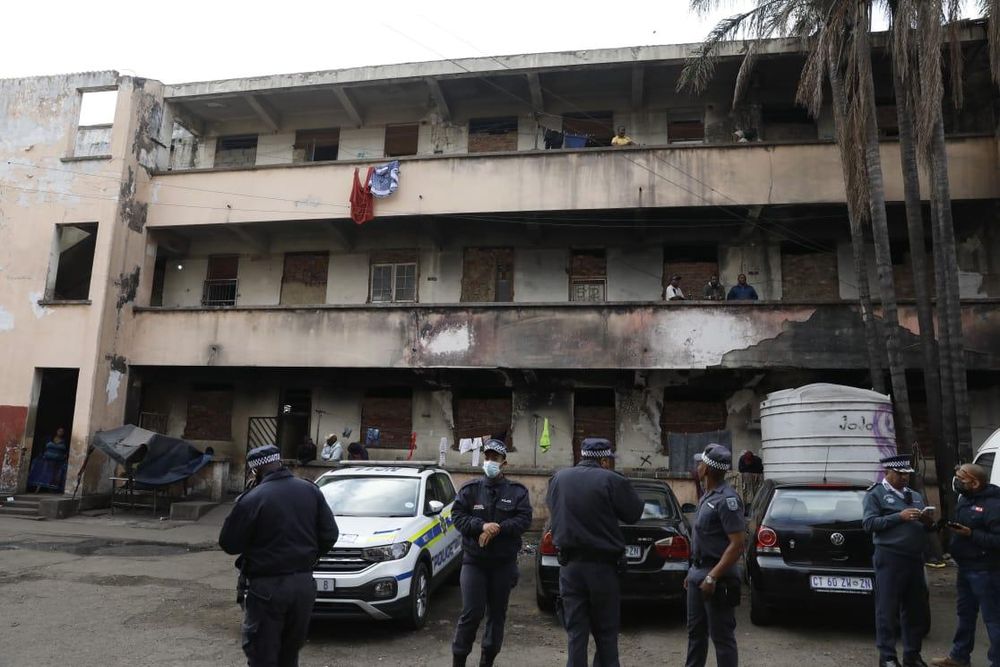
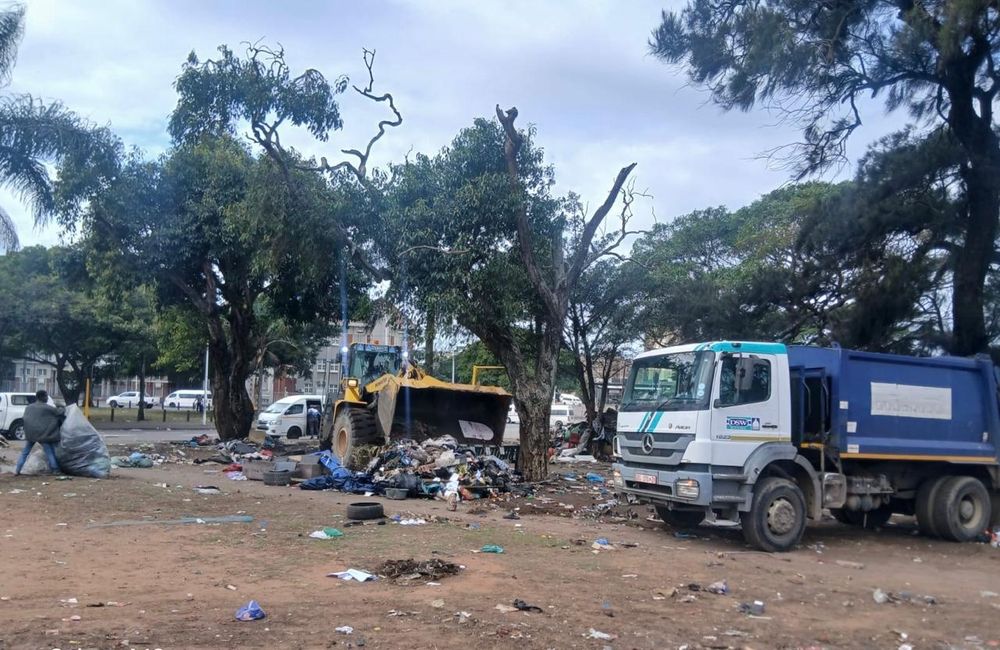
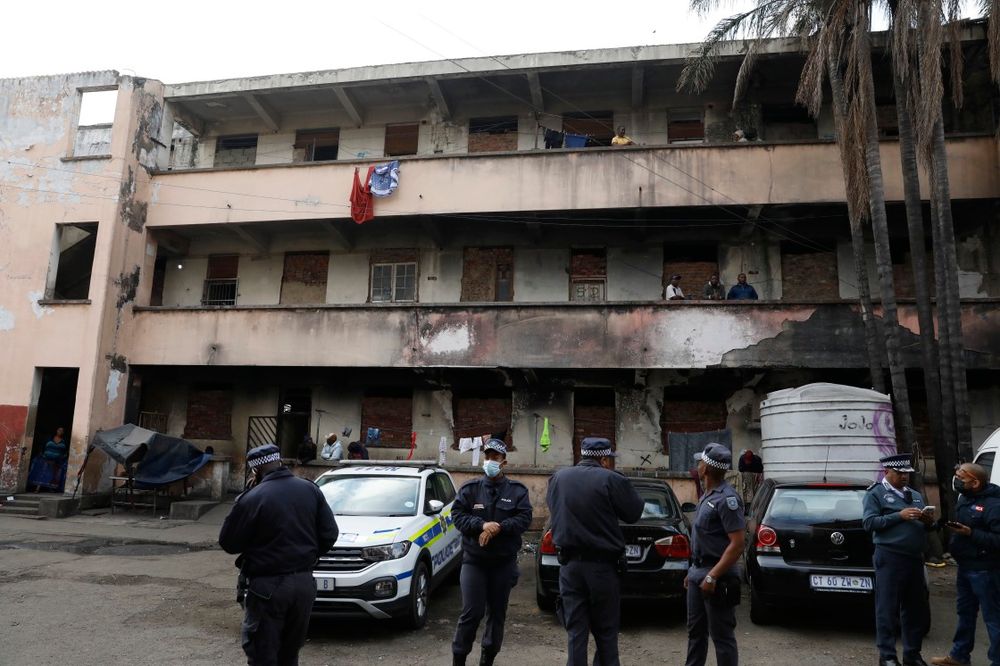
The Westpoint Lodge in Durban became severely run-down and was associated with illegal occupation, fires, and structural deterioration. In 2025, eThekwini Municipality and KwaZulu-Natal Public Works were working towards transferring the building to the municipality as part of efforts to deal with hijacked/abandoned buildings. The planned handover was postponed. Picture: Leon Lestrade / ANA Studio Picture: Leon Lestrade / ANA Studio
For years, hijacked and illegally occupied buildings have remained a stark symbol of South Africa’s housing crisis, urban decay, and weak enforcement, a problem stretching across major cities and provinces.
From Johannesburg and Cape Town to eThekwini, buildings intended for residential or commercial use have been unlawfully occupied, with vulnerable residents sometimes paying rent to individuals who have no legal right to collect it.
But behind the illegal occupation lies a far deeper crisis. Many residents have nowhere else to go, while overcrowding, illegal electricity connections, poor sanitation, unsafe structures, and neglected infrastructure create serious risks to those living inside and the surrounding communities.
At the same time, authorities warn that some buildings have become vulnerable to drug trafficking, organised crime, exploitation, and other criminal activity.